
Bridging Theory and Practice: Academic and Policy Perspectives on DeFi and Tokenization from our 2026 Annual Conference
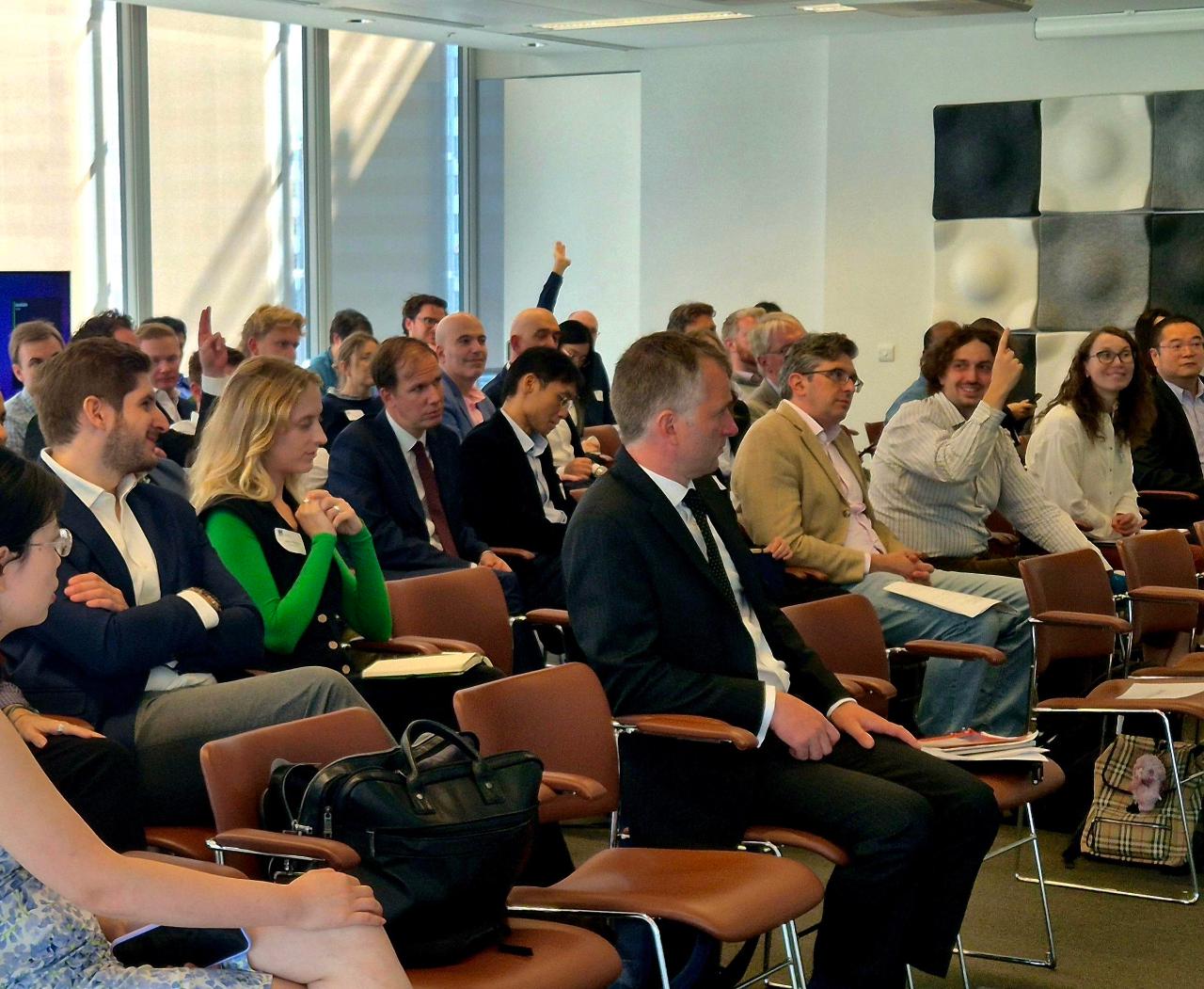
We have just wrapped up WBS Gillmore CentreLink opens in a new window's 5th Annual Academic Conference. Our two-day agenda explored the pertinent field of DeFi and Digital Currencies, bringing together 100 top researchers, industry experts and economic policymakers to dissect and envisage the future of modern finance.
The Gillmore Centre's Ram Gopal Link opens in a new windowand David Skeie Link opens in a new windowopened the event, both drawing attention to the accelerating relevance of DeFi, with areas that were seen as specialised and niche in the first years of this conference now becoming the "mainstream questions in finance".
Day 1: Digital Currencies, AMMs, and Market Quality
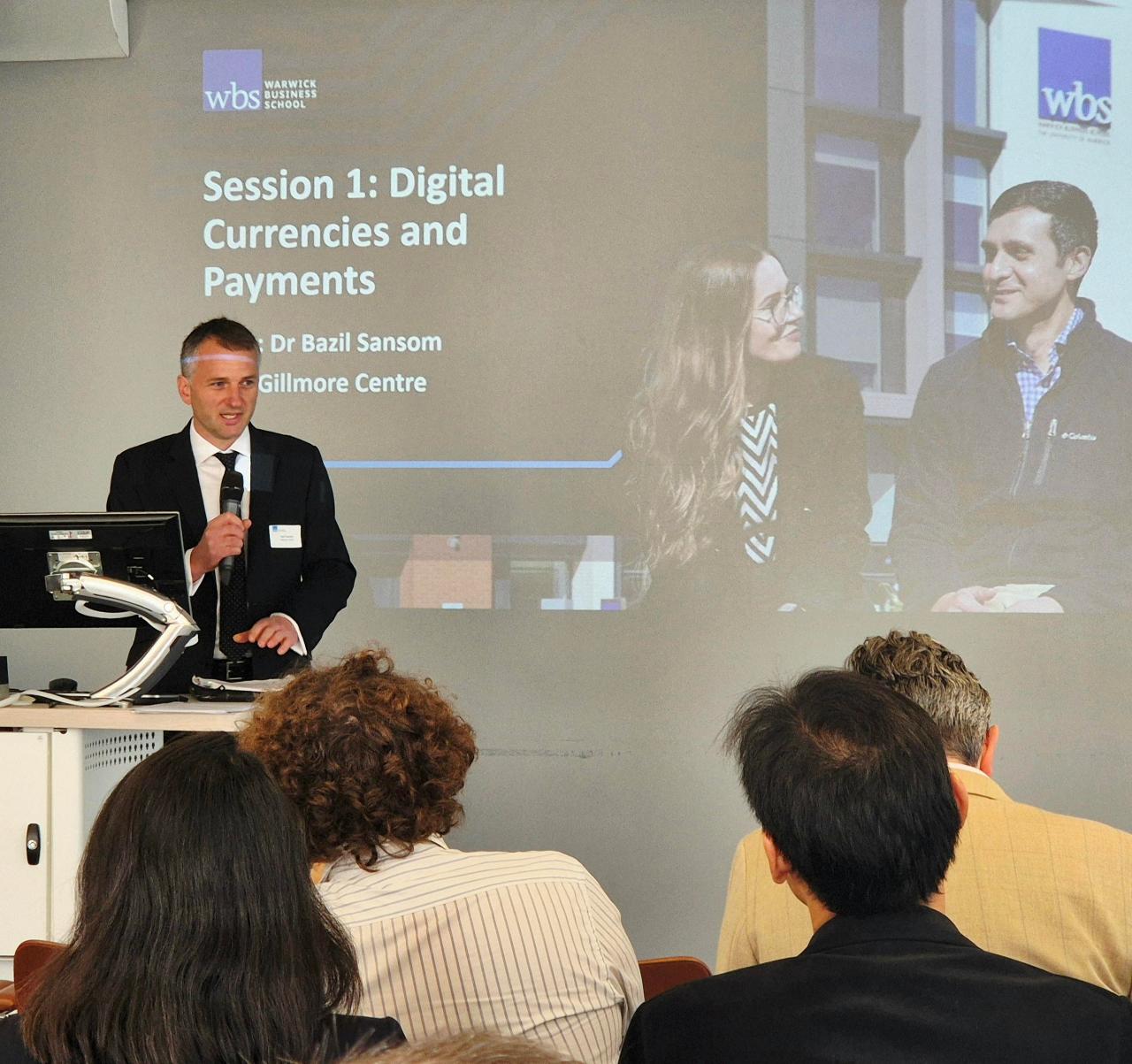
Session 1 began with a deep dive into stablecoins, exploring their impact on interest rates and payment sovereignty, thanks to thorough presentations from Iñaki Aldasoro and Jonathan Chiu.
Next, Campbell HarveyLink opens in a new window, Duke University - The Fuqua School of BusinessLink opens in a new window,Link opens in a new window delivered his hotly anticipated keynote address ‘The Wandering Path to Satoshi’s Vision’.
A decade on from his pioneering success in implementing Bitcoin into Duke’s MBA syllabus, the professor criticised the “gambling den” that has become the crypto-climate of recent years. Although we have wandered far from Satoshi’s vision of independence from traditional banking systems and currencies, Harvey shared with the room his own inspirational vision for the future, where a hybrid world of centralised and decentralised finance could address many of the issues such as inefficiency, opacity and lack of interoperability that are at large in both systems today.
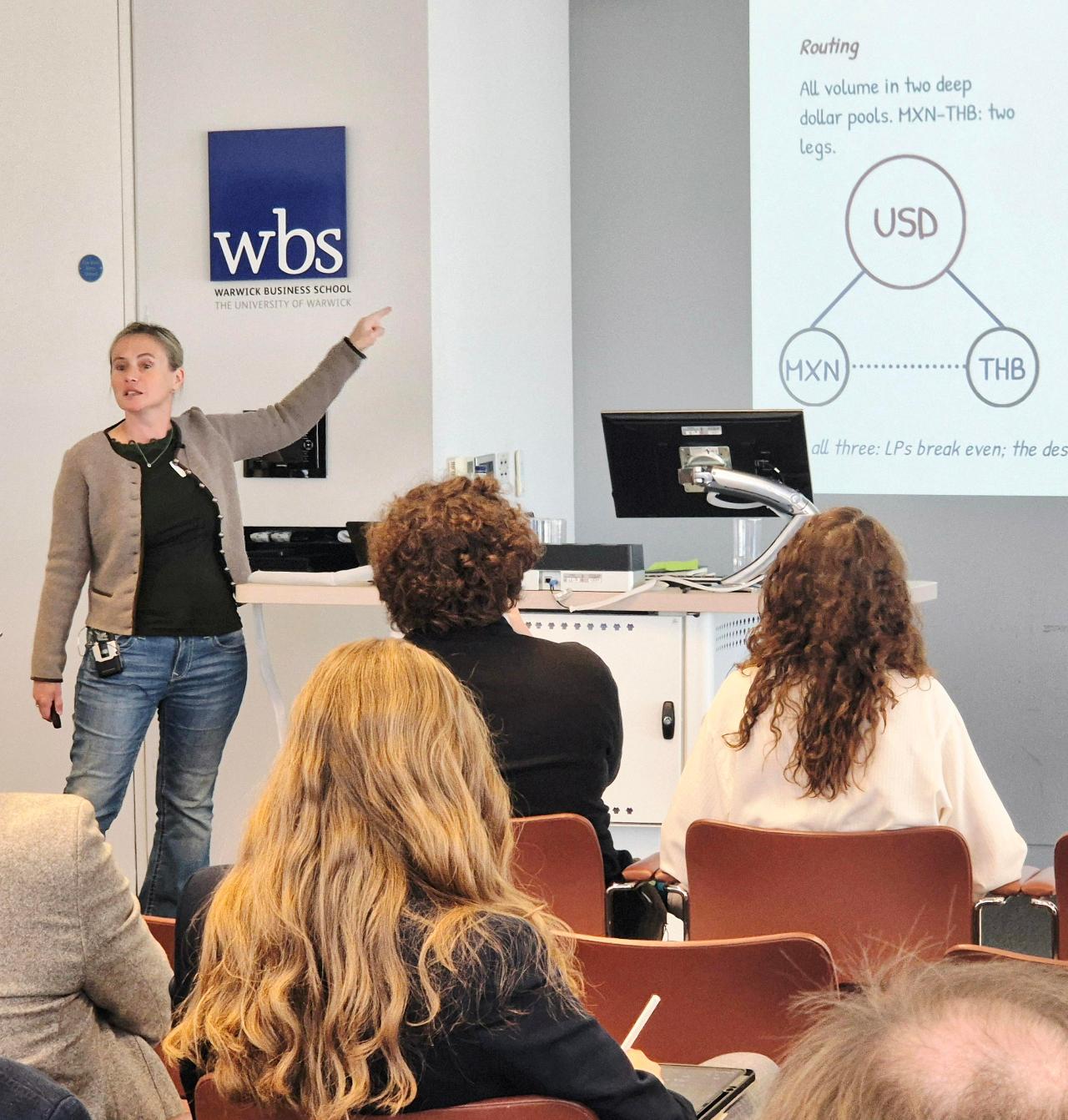
Session 2 turned the spotlight onto decentralised exchanges and Automated Market Makers (AMMs) with Katya Malinova Link opens in a new window and Andreas Park Link opens in a new window theorising “dethroning the dollar” in their provocative paper on multi-currency AMMs for FX, while Roland Mestel Link opens in a new windowdiscussed the numerous, potential benefits of trading with fully automated intermediaries.
With broader debate about blockchain design and market quality guiding Session 3, we heard papers by Maarten van OordtLink opens in a new windowon, ‘Blockchains and Strategic Secondary Censorship’ and Shihao Yu on ‘Optimal Trading Speed on Blockchain’.
Day 2: Blockchain Economics, Tokenization, and Policy
Prefaced in Monday’s keynote by Prof. Harvey as an emerging technology that could “breathe new life” into DeFi, the Tokenisation of Real-world Assets (RWAs) was the key topic of Day 2, with discerning papers presented by Brian Zhu, Katrin TinnLink opens in a new window, Donghwa ShinLink opens in a new windowand Lorenzo SchönleberLink opens in a new window.
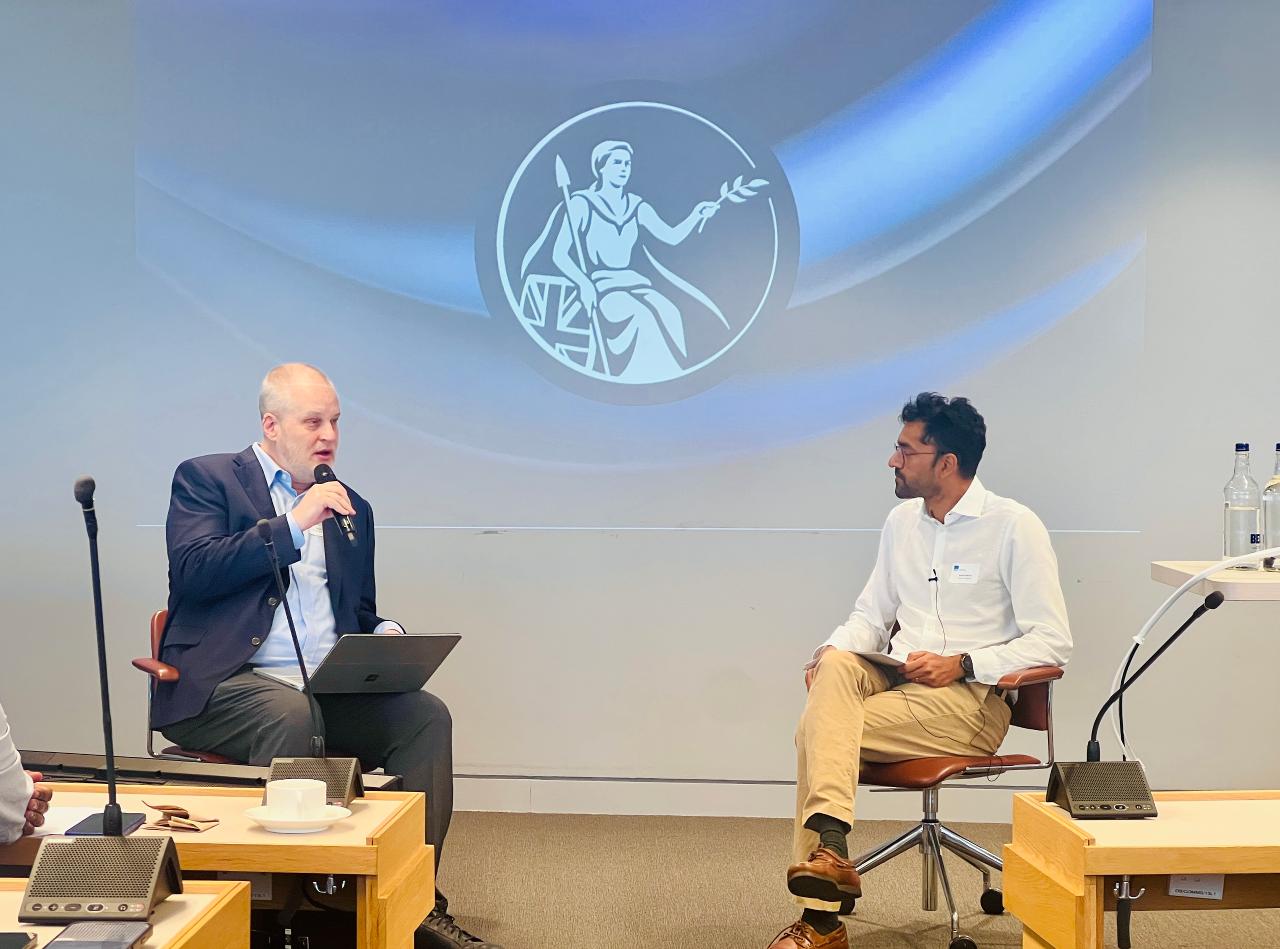
Complementing the theory, Kushal Link opens in a new windowBalluckLink opens in a new window's BankLink opens in a new window of EnglandLink opens in a new window, crucial policy-led session gave voice to industry concerns and what policymakers are doing to catalyse innovation.
He shared with us insights into the Bank of England’s and FCA’s Digital Securities Sandbox, detailing how such initiatives allow institutions to innovate safely while addressing critical policy, compliance, and post-trade settlement architecture.
Key Takeaways
Key takeaways that emerged from the two days include:
- The future of finance will be hybrid: DeFi is here to stay, and as innovation continues, we will see increasing hybridity of our financial systems.
- Collaboration: Working together across institutions will be essential to successfully and efficiently integrate emerging technologies into finance’s existing architecture.
- Transparency is vital: With digital currencies becoming increasingly opaque and institutions historically secretive with their own innovation, it is paramount that transparency is viewed as a priority by all to enhance collaboration and minimise vulnerabilities to corruption.
- Some caution is necessary: The tokenization of real-world assets hinges on regulatory safe spaces, making sandbox initiatives essential for real-world legal and operational testing.
We would like to thank all of our aforementioned speakers, as well as the illuminating contributions by our discussants Tammaro Terracciano Link opens in a new window, Jean Barthelemy Link opens in a new window, Michele Fabi Link opens in a new window, Andreas Park Link opens in a new window, Co-Pierre Georg Link opens in a new window, Fayçal Drissi Link opens in a new window, Tom Ernst, Yue Yuan, Felix IrresbergerLink opens in a new windowand Rashad A.
And finally... a big thank you to our delegates.
Full presentations from our speakers and discussants are available here.