
Love hurts – but has it changed? A historian turns to art to explore what it means to be broken-hearted in the 21st Century.
Heartbreak may seem universal, but the ways we value, experience, and express it are not. A University of Warwick historian is bringing together artists to explore the different ways we represent and respond to the pain of lost love.
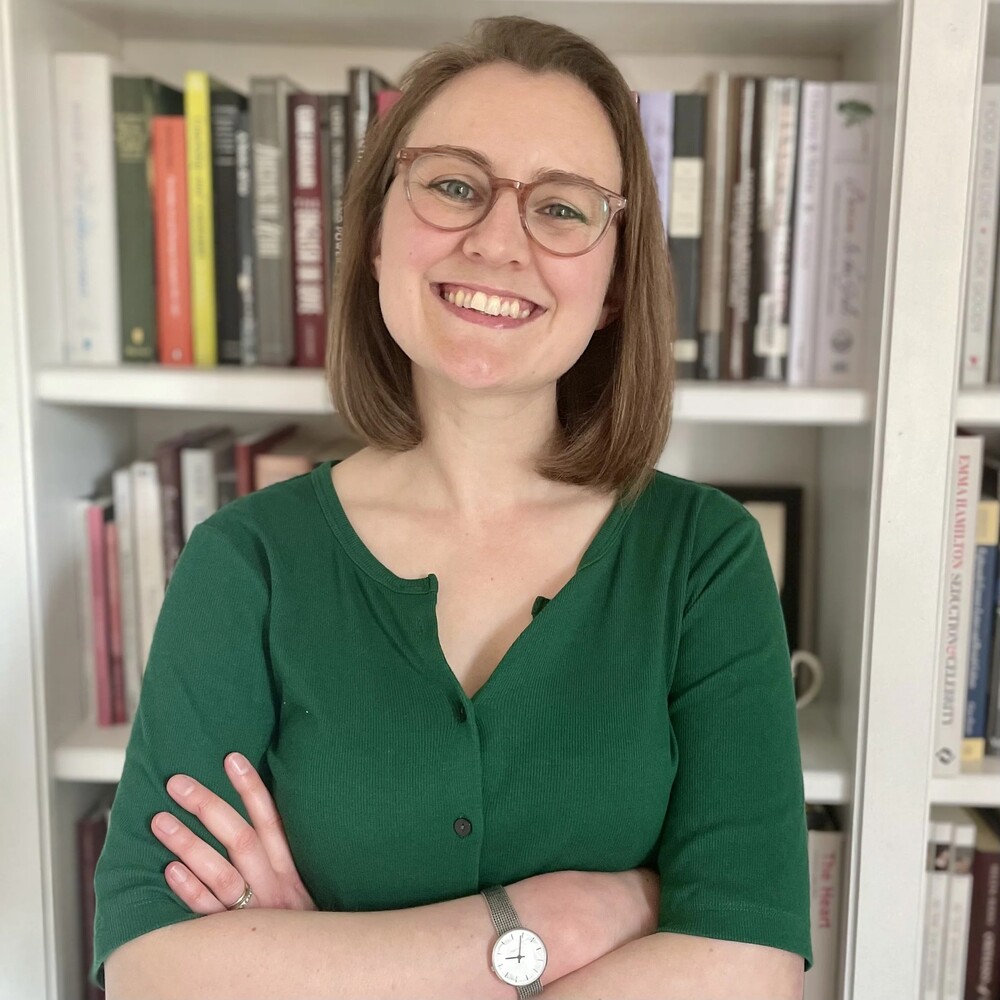
For centuries, people have tried to capture what it means to have a broken heart. Dr Sally Holloway, a historian of emotions at the University of Warwick, studies the history of romantic love, tracing how people in the past valued, expressed, and tried to recover from the anguish of heartbreak.
As part of her project After Love, charting the evolution of lost love across the last 400 years, Dr Holloway’s new exhibition taking place in October at OVADA in Oxford will explore what happens when love ends in the 21st century, asking what contemporary art can reveal about how our understanding and expressions of romantic pain have changed over time.
Dr Sally Holloway said: “The end of a romantic relationship is a uniquely devastating experience. Although heartbreak may seem timeless and universal, the ways in which people have understood and expressed it, and the range of feelings involved, have never stood still.
“By looking at how people represented romantic rejection, infidelity, divorce, or the death of a spouse in the past, alongside how artists respond to it today, we can explore not only what has evolved, but also what continues to connect our experiences of love and loss across time and space.”
Dr Holloway’s wider research looks at how the rituals of finding, expressing and celebrating love have shifted over time. Where couples once met at balls and theatres, relationships can now begin with a 'swipe right' on a dating app. The love letter has declined as texts, emails and emojis have become part of everyday romantic communication, while Valentine’s Day has evolved from a folk custom into a major commercial celebration. Weddings have grown from comparatively low-key occasions – when couples might simply marry in their best clothes – into elaborately-planned and expensive events.
Dr Holloway’s research also traces a longer shift towards greater individual choice in romantic relationships. The eighteenth century saw a cultural fascination with elopement, as the influence of families over whom people married began to decline and the idea of choosing a partner for love assumed greater importance.
Against this changing history of love, the After Love: Broken Hearts & Broken Bodies exhibition encourages us to think critically and creatively about what it means to be broken-hearted in the modern age. The exhibition will take place at OVADA in Oxford from 7–18 October 2026.
ENDS
Notes to Editors
After Love is an interdisciplinary research project led by Dr Sally Holloway in the University of Warwick’s Department of History. The project explores romantic heartbreak as one of the most intense forms of human grief – an experience that shapes our bodies, minds, and societies far more than is often acknowledged.
Funded by a Research, Development and Engagement Fellowship from the Arts & Humanities Research Council, the project partners with a range of organisations including Oxfordshire Mind; the Oxford Visual Arts Development Agency (OVADA); the visual artists Jill Mueller and Julie Light, and the Poetry Pharmacy.
For more information please contact:
Ann Baylis, Media and Communications Officer
ann.baylis@warwick.ac.uk | +44 (0) 7425 722087
About the University of Warwick
Founded in 1965, the University of Warwick is a world-leading institution known for its commitment to era-defining innovation across research and education. A connected ecosystem of staff, students and alumni, the University fosters transformative learning, interdisciplinary collaboration and bold industry partnerships across state-of-the-art facilities in the UK and global satellite hubs. Here, spirited thinkers push boundaries, experiment and challenge convention to create a better world.
25/9/26