
University of Warwick receives £1 million donation and major gift to boost leadership in travel‑writing research
The University of Warwick has received a £1 million donation and a major gift‑in‑kind of rare travel books from philanthropist Bill Newlin, strengthening the University’s position as an international leader in the study of travel writing.
The generous contribution advances Warwick’s ambition to Set the Pace in Critical Arts. The donation includes the establishment of the Bill Newlin Collection, a world‑class archive of travel guidebooks spanning centuries and continents.
The new collection will sit alongside the recently launched Wheeler Travel Writing Programme, creating an unrivalled hub for research into travel literature, tourism history, cultural encounters, and global mobility. Together, these major initiatives will support doctoral candidates and academics exploring subjects from postcolonial perspectives to women’s experiences of travel across history.
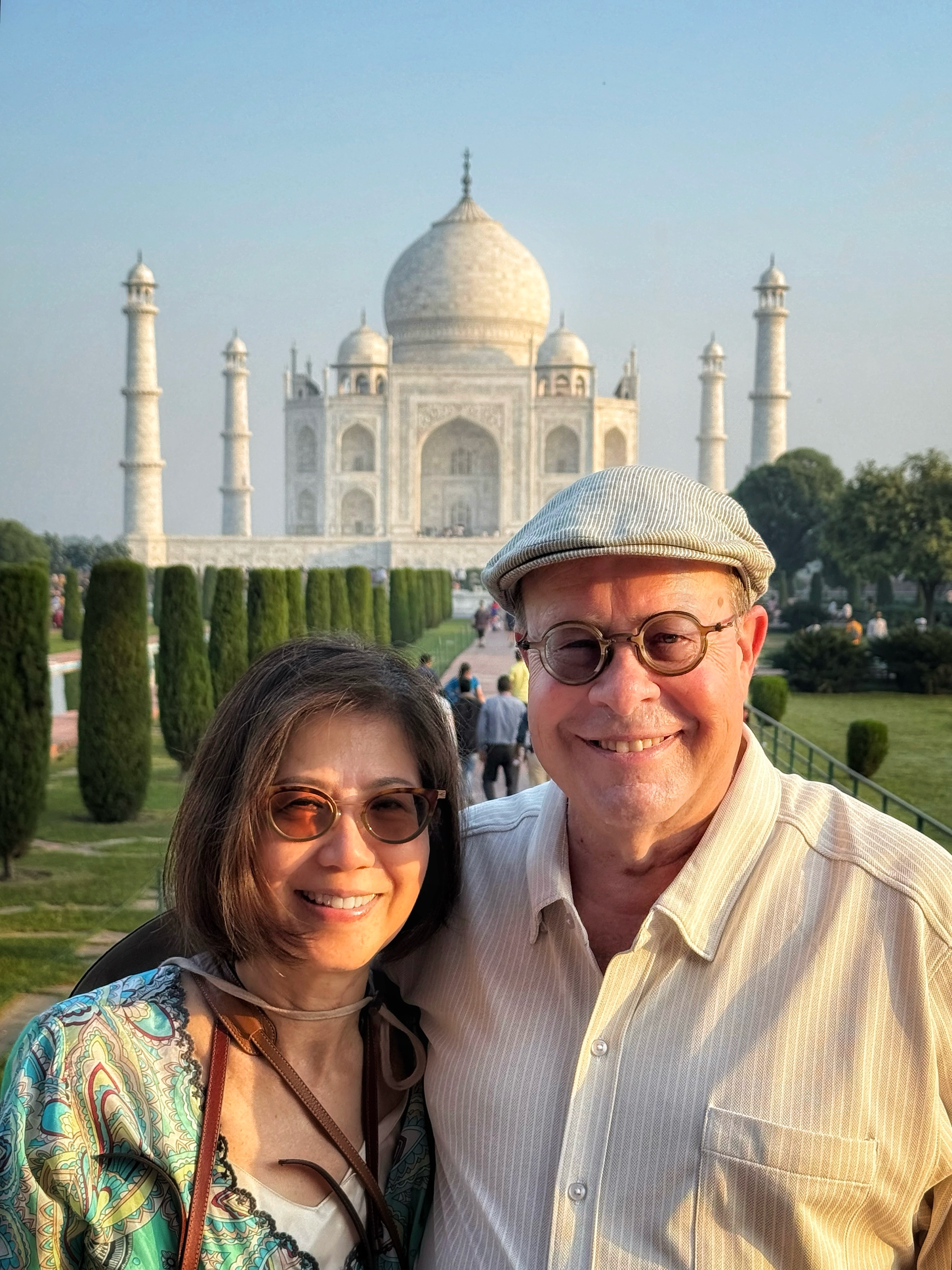
Bill Newlin, retired founding publisher of Avalon Travel, home of the Moon and Rick Steves guidebook series, said: “The quality of the resources, staff expertise, and imaging and digitisation technology at Warwick made it the natural home for my collection. Working with academic departments, this archive will help build a comprehensive history of travel guidebooks—revealing cultural, political and social insights that would otherwise remain out of reach.
“I’ve known Warwick alumnus Tony Wheeler since 1991, and when he told me about the new Wheeler Programme, we quickly saw how my collection could enhance it. Together, these initiatives will inspire scholars from around the world to come to Warwick and engage with these extraordinary materials.”
Mr Newlin’s £1 million donation will also support a major redevelopment of the University Library, reimagining its role as a dynamic focal point for research and interdisciplinary collaboration. Inspired by cutting-edge contemporary library and archive spaces, the refurbishment will make archives, including the Bill Newlin Collection, more visible, accessible, and interactive.
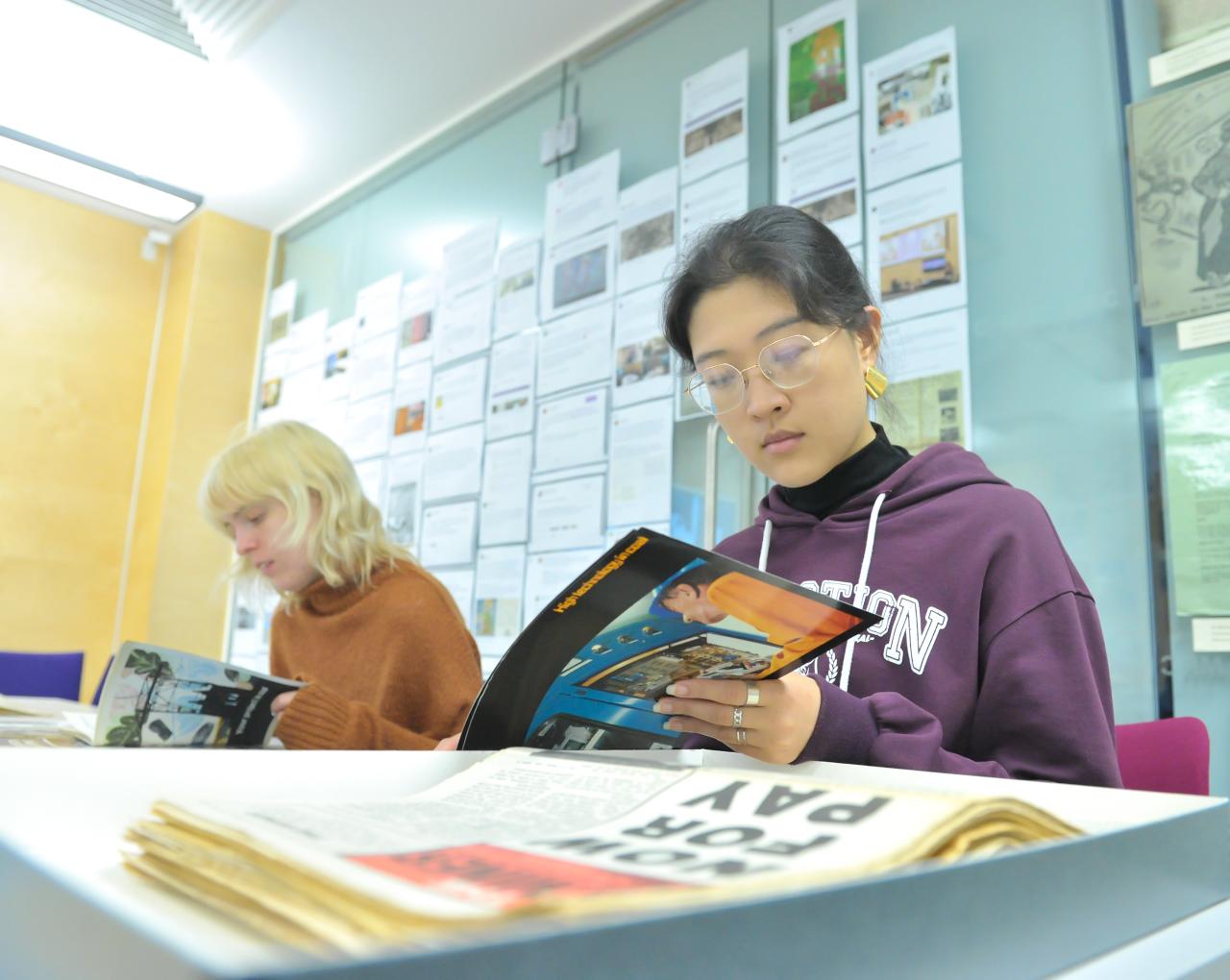
Purpose‑built spaces will bring researchers into close contact with rare materials, supported by advanced imaging and digitisation technologies housed at the Modern Records Centre.
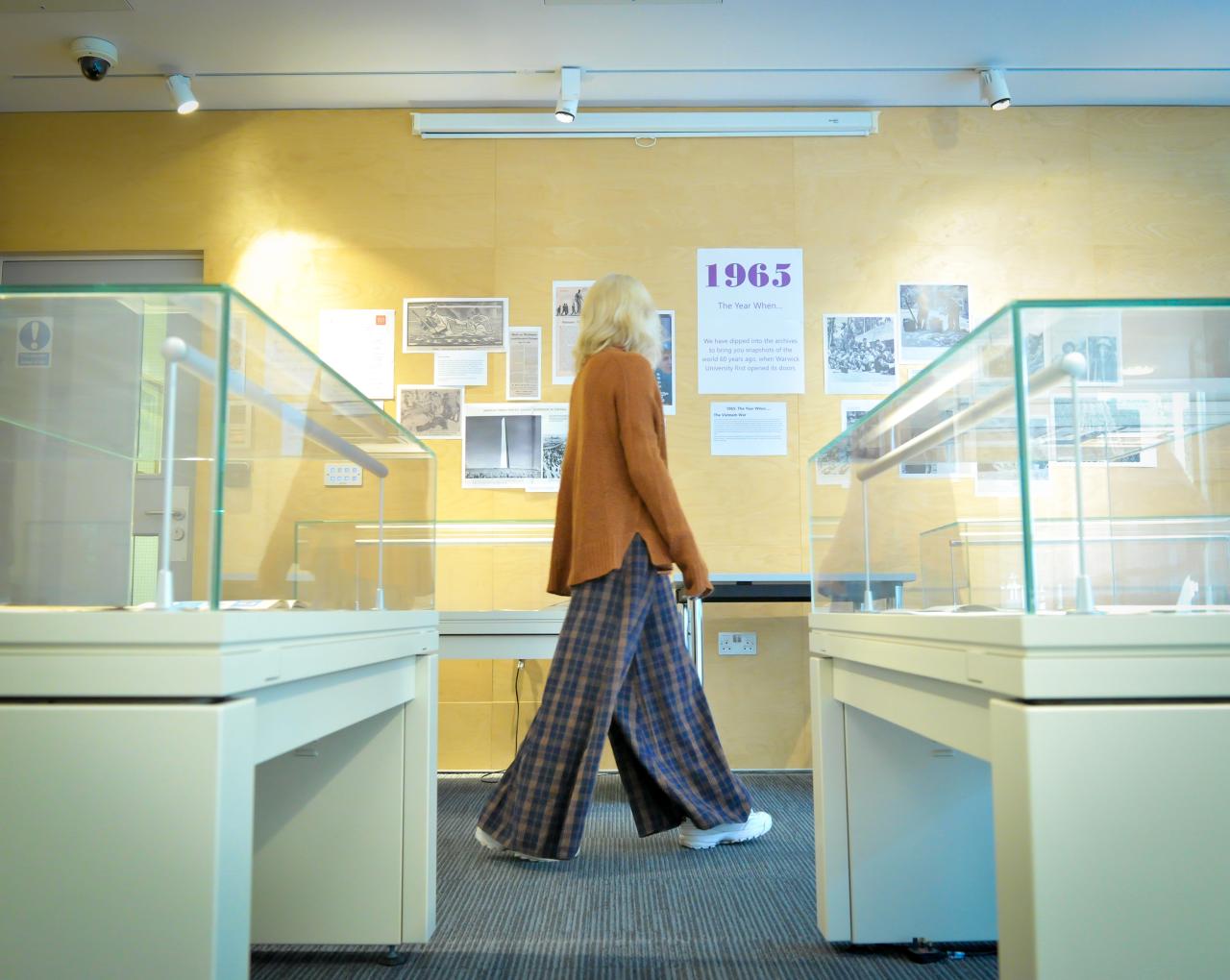
Welcoming the donation and gift-in-kind, Anna O’Neill, University Librarian, University of Warwick said: “Bill Newlin’s generous support will have a profound and lasting impact, allowing us not only to preserve and digitise this extraordinary collection of travel writing, but also to share it more widely through exhibitions, digital encounters, and a dedicated new reading room.
“The Bill Newlin Collection captures how people have experienced, imagined, and interpreted the world across centuries. Housing the collection at Warwick ensures that their stories, insights, and perspectives will continue to inspire future generations of scholars and the public worldwide.
Celebrating the donation, Professor Stuart Croft, Vice-Chancellor and President, University of Warwick, said: “The renovation of the Warwick Library and its integration with the Modern Records Centre shows the University’s commitment to world class research and original discovery.
“As we look to Set the Pace across of range of key societal challenges, we want to challenge the status quo, shape global conversations through rigorous research and deep understanding, and point the way ahead, so that together, we can make a better world.”
More about the Set the Pace Critical Arts projects
Set the Pace aims to raise an initial £250 million and inspire 20,000 acts of volunteering, shaping the Warwick student experience and supporting researchers in tackling major global challenges.
The arts and humanities face a critical skills gap as expertise in caring for cultural heritage declines. The Centre for Material Humanities will help rebuild this capacity through academic study and hands‑on training with heritage partners. Working with Warwick’s imaging and technology specialists, it will equip students with advanced tools like micro‑CT scanning to preserve and share fragile objects.
Set the Pace is now live, bringing together partners, alumni, and supporters to help Warwick deliver solutions with global reach. To learn more or get involved, visit our dedicated website.
ENDS
Notes to Editors
For more information please contact:
Dom Barker, Media & Communications Officer
Dom.Barker@warwick.ac.uk / 07824 540727
General and out-of-hours press office number: +44 (0)7392 125605 (please call as emails are not checked out of office hours).
Image credit:
Images of Bill Newlin credit: Bill Newlin
Images of Modern Records Centre credit: University of Warwick
About Set the Pace
Launched in March 2026, Set the Pace is the University of Warwick’s most ambitious philanthropy campaign, aiming to raise an initial £250 million and inspire 20,000 acts of volunteering. It will invest in the people driving global solutions in peace making, health equity, novel energy, critical arts, and fair and sustainable business, as well as strengthen the Warwick Student Experience to ensure students from all backgrounds thrive.
About the Wheeler History of Travel Writing Programme
The Wheeler History of Travel Writing Programme was made possible through the generous donation of Warwick alumnus and co-founder of Lonely Planet, Tony Wheeler.
Starting out as a journalist at the Warwick student newspaper, Tony's transformative adventure along the 'hippie trail' in early 1970s Asia inspired him to pen the inaugural Lonely Planet guide and led him to be distinguished as ‘the patron saint of backpackers and adventure enthusiasts’ by The New York Times.
About the University of Warwick
Founded in 1965, the University of Warwick is a world-leading institution known for its commitment to era-defining innovation across research and education. A connected ecosystem of staff, students and alumni, the University fosters transformative learning, interdisciplinary collaboration and bold industry partnerships across state-of-the-art facilities in the UK and global satellite hubs. Here, spirited thinkers push boundaries, experiment and challenge convention to create a better world.
7 April 2026