
Buildings
More on the History of Names - Buildings only
Arthur Vick Residences
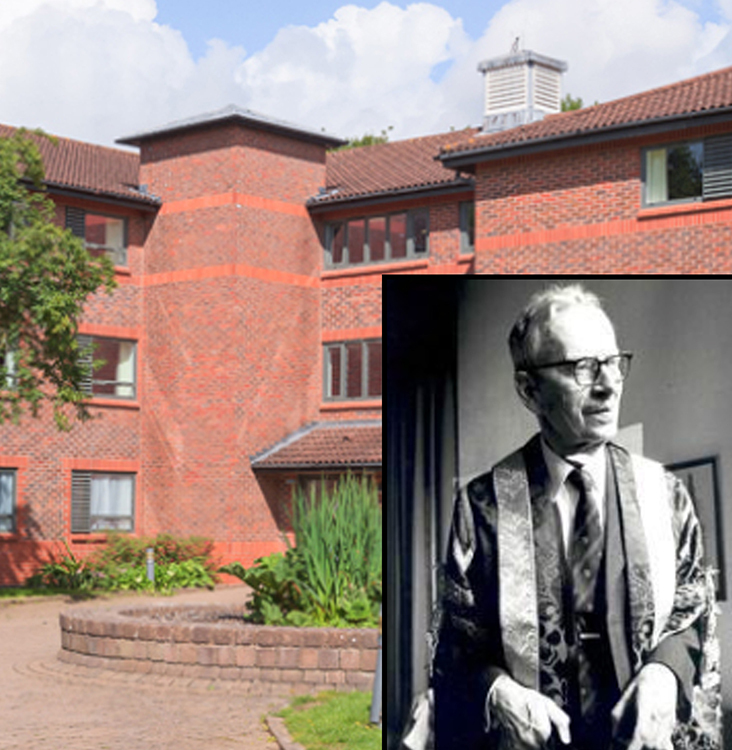
Named after: Sir Francis Arthur Vick
Date of naming: 1994
About: Francis Arthur Vick (5 June 1911 – 2 September 1998)
Pro-Chancellor 1977-1992
Vick graduated with a degree in physics from Birmingham University in 1932 and with a PhD in solid state physics from Birmingham University in 1936.
During the Second World War, Vick was an Assistant Director of Research at the Ministry of Supply. Vick was Professor of Physics, Vice-Principal and Acting Principal at the University College of North Staffordshire (which later became Keele University) from 1950 to 1954. He was Director of the Atomic Energy Research Establishment from 1960 to 1964. He was President and Vice-Chancellor of Queen's University Belfast from 1966 to 1976. Sir Arthur Vick was Pro-Chancellor of Warwick University from 1977 to 1992. His legacy remains at the university, with the Arthur Vick accommodation named after him in 1994. Vick was knighted in 1973 for his services to higher education. He received honorary doctorates from a number of universities including Keele University, Birmingham University, and Queen's University, Belfast.
Vick’s distinguished career in academia and elsewhere included important war-time government research on bomb fuses and the directorship of the Atomic Energy Research Establishment. In retirement he served Warwick University as Pro-Chancellor and as a member of the Modern Records Centre's Advisory Board.
Benefactor's Building

Named after: Helen Martin
Date of naming: 1966
About: Helen Martin
American, sister of Jack Martin and a heiress to family company that bought out Smirnoff Vodka. She was a most generous benefactor to the University.
With the family income she was able to establish a trust fund that enabled many buildings and facilities to be built around campus.
She lived in Kenilworth and was a patron of the Arts and contributed a great deal to the Warwick Arts Centre, where the Helen Martin Studio is also named after her.
During her life insisted on anonymity and was referred to by the University as "The Benefactor".
Bleasdale Building

Named after: Professor John Bleasdale
Date of naming: Sept 2016
About: John K A Bleasdale, Head of Plant Physiology Section, Director in 1977, Wellesbourne, CBE, BSc, PhD, CBiol, FIBiol, FIHort passed away on 1st September 2016.
Professor Bleasdale joined the National Vegetable Research Station in 1954. He was appointed Head of the Plant Physiology Section in 1961 and became Director in 1977. He became President of the Institute of Horticulture in 1986 and received the Veitch Gold Medal of the Royal Horticultural Society in 1988 and was appointed Commander of the British Empire in the same year.
He received many honours throughout his career. He was President of the Association of Applied Biologists and of the Institute of Horticulture, an Honorary Professor at both Birmingham and Nottingham Universities and an Emeritus Professor at Birmingham.
Bluebell ResidencesLink opens in a new window
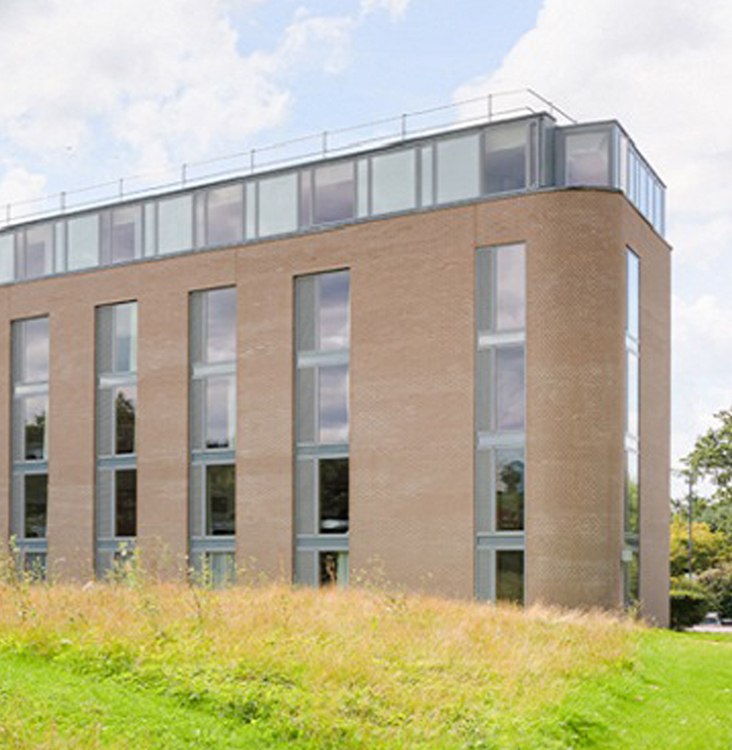
Named after: The bluebells in the woods behind the residences
Date of naming: 2013
Claycroft Residences
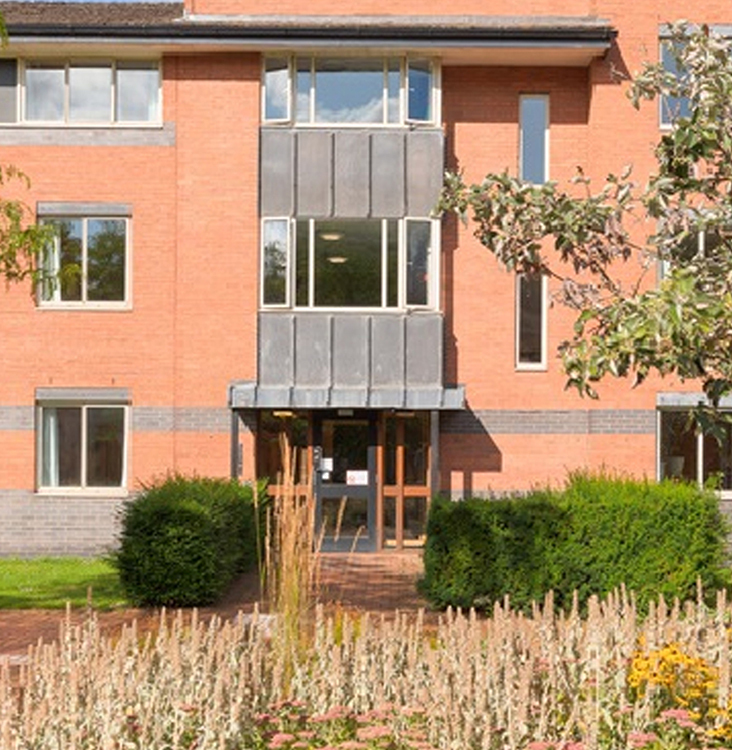
Named after: The local clay workings (a Roman site near the lakes)
Date of naming: 1994
Cryfield
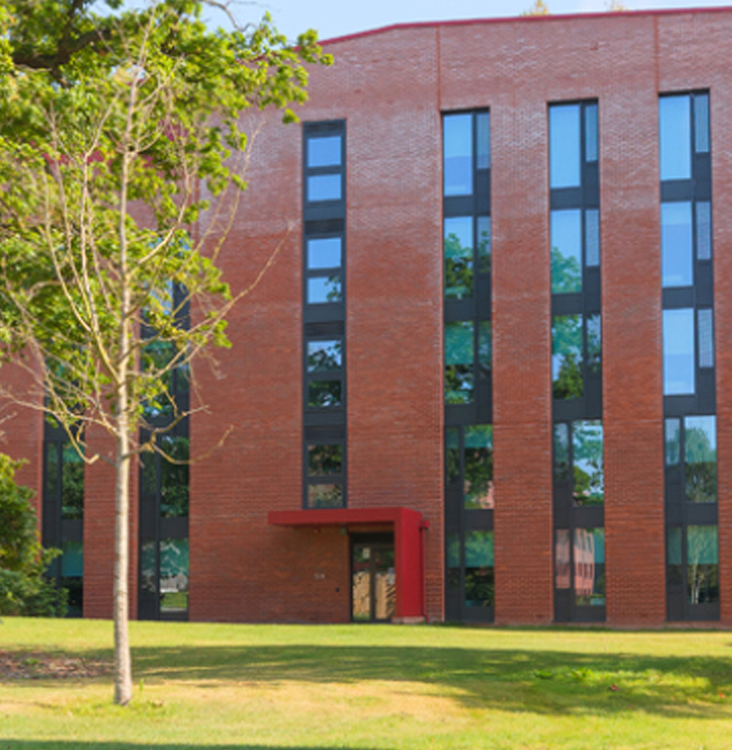
Cryfield lends itself to many buildings, old and new:
Cryfield Standard (blocks 3)
Cottages 13-14
Named after: Original Victorian farm cottage in woods converted to staff accommodation.
Cryfield Cottages 1-12 built at same time.
Date acquired:1987
Cryfield Grange FarmLink opens in a new windowAcquired: 2007
Cryfield House (old farmhouse)
Date of naming: 1973
Redfern
Named after: Named for local Warwickshire village (demolished to make way for new Cryfield Village development)
Date of naming: 1977
David Lowe Building
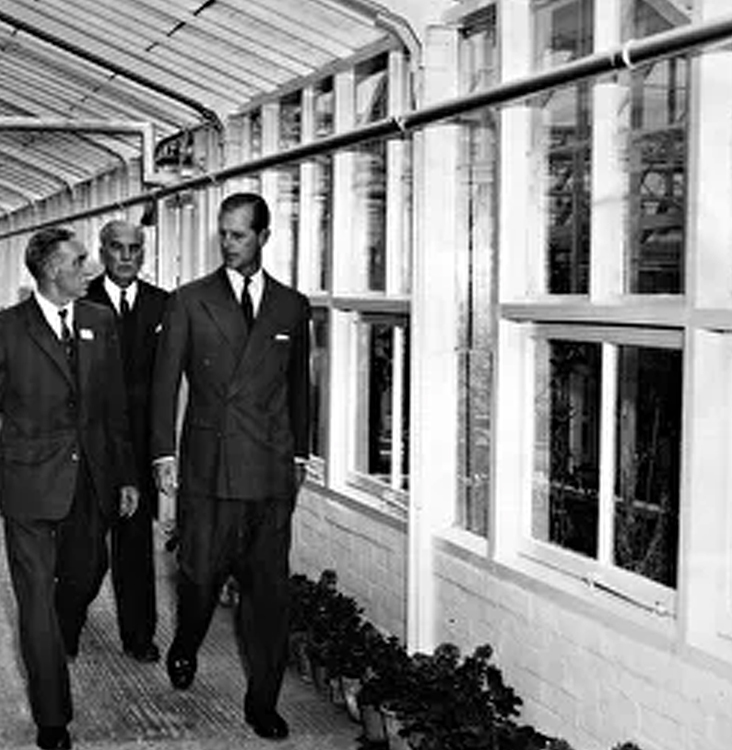
Named after: David Lowe
Date of naming: 1973
About: David Lowe, Chairman of the Governing body at the Research Station.
The David Lowe Building was added to the south-west wing of the Prince Philip Building to provide additional laboratory and office space. David is pictured here with Prince Philip in 1959
Elizabeth Creak Horticultural Technology Centre
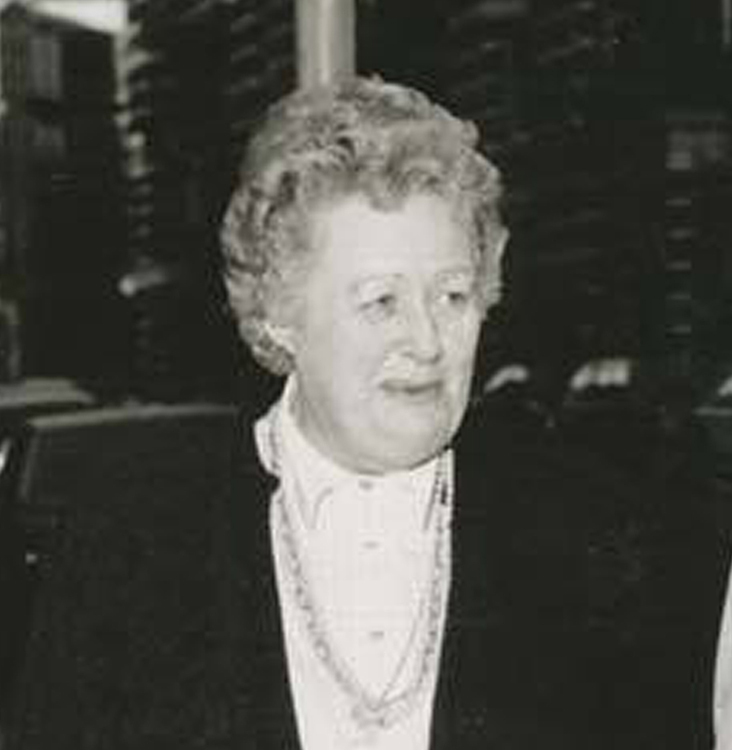
Named after: Elizabeth Creak
Date of naming: 2022
The Elizabeth Creak Horticultural Technology Centre (ECHTC) at the University of Warwick is a £1.5 million facility using cutting edge techniques such as gene-editing to improve vegetable crops.
Funded by donations from the Elizabeth Creak Charitable Trust and the estate of Jim Brewster, ECHTC addresses issues relating to disease resistance, crop yield, adaptability to climate change and nutritional value in horticultural plants. The research will help with the key global challenges of climate change and feeding the world’s growing population.
The Centre also trains future research scientists in vegetable tissue culture and gene editing techniques, with Jim Brewster Scholarships awarded to PhD students working in the area of crop science.
Jack Martin ResidencesLink opens in a new window
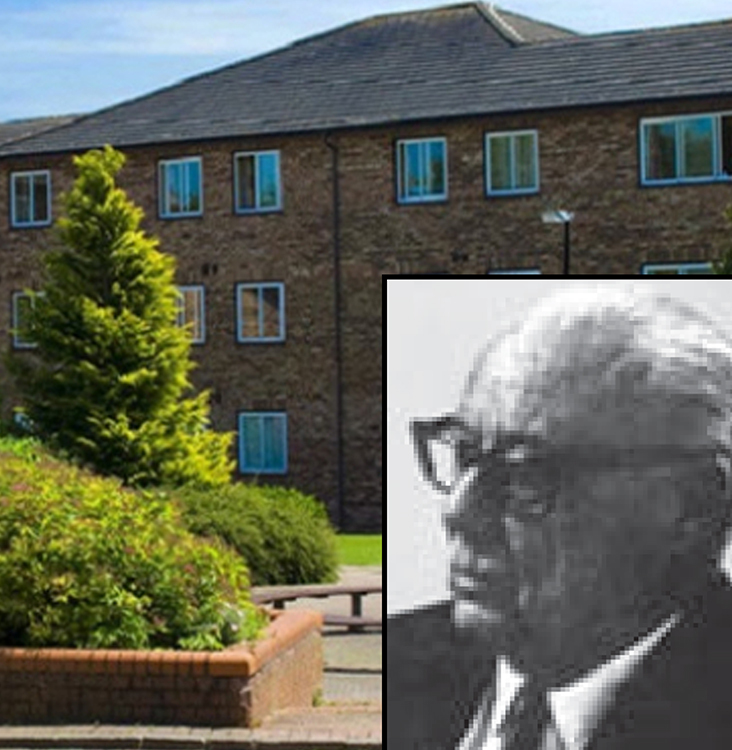
Named after: Jack Martin
Date of naming:1980s
About: Jack Martin
Brother to Helen Martin, and great-grandson of the founder of GF Heublein & Bro. Bought rights to Smirnoff in 1939.
Decorated career in US Army during WWII.
Went on to market Smirnoff as a base for cocktails he invented: Moscow Mule; Screwdriver; Black Russian & Bloody Mary.
Became Chairman of Heublein.
Retired 1975. Set up a foundation out of the income he received from Heulbein in Connecticut, which inspired his sister to do the same
Marsh Observatory
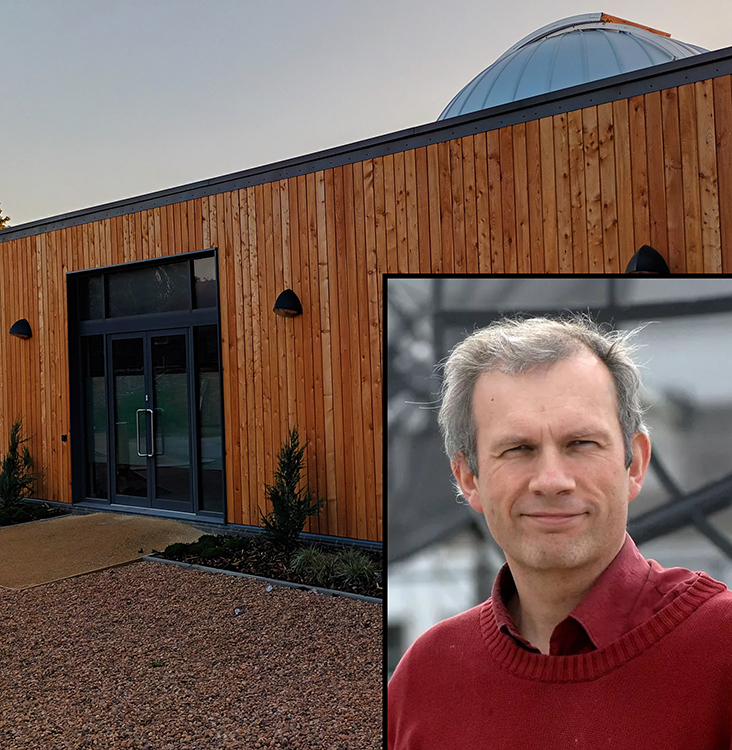
Named after: Professor Tom Marsh
Date of naming: 1st December 2023
About: Tom Marsh (17 November 1961 – 10 November 2022). Founding professor of the Astronomy and Astrophysics group
Tom went missing on 16 September 2022 whilst out working at the European Southern Observatory at La Silla, Chile. Sadly following an extensive search, his body was found on Thursday 10 November 2022.
Tom was an outstanding academic and researcher, although in his typically modest way he rarely mentioned his significant achievements. He was motivated not by awards but by a deep love and passion for science. But he wasn’t just a brilliant academic. Just as importantly he was kind, considerate and a much-loved member of our community, acting as a mentor and inspiration to generations of students and colleagues. Tom was the founding professor of the Astronomy and Astrophysics group here at Warwick and was widely regarded as a world-leading expert.
During his 40-year career Tom authored some 800 notes and papers, on all manner of astronomical objects: binary systems, white dwarfs, variable stars, supernovae, and applying his techniques to find extra-solar planets or explore the Kuiper Belt. In 2018, Tom won the Royal Astronomical Society’s Herschel Medal, which is awarded for investigations of outstanding merit in observational astrophysics. The Herschel Medal recognised Tom’s pioneering research on binary star systems. He kept this hugely prestigious prize largely quiet from even those closest to him.
Prince Philip Building
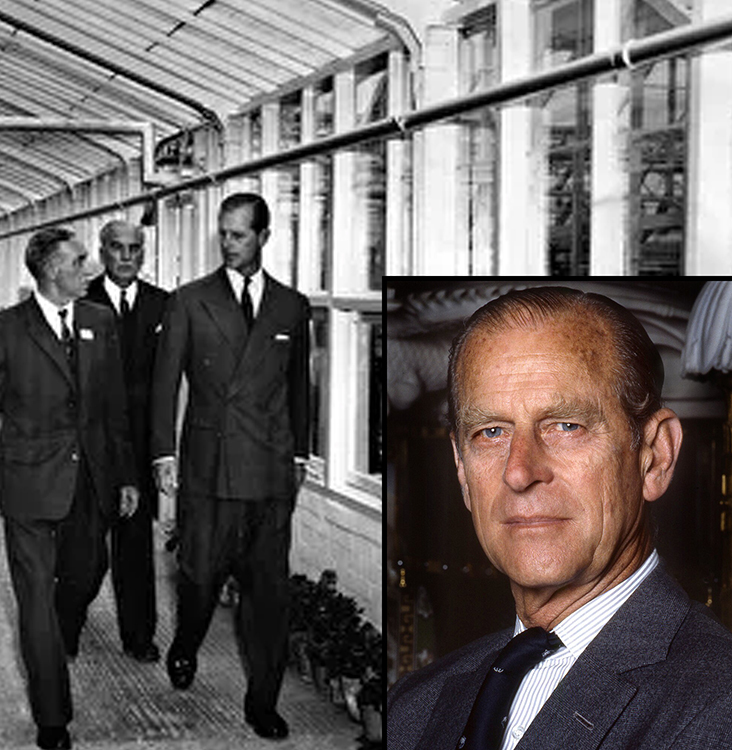
Named after: Prince Philip, Duke of Edinburgh
Date of naming: 23rd October 1959
About: Prince Philip Building was formally opened housing specialist laboratories, library, lecture hall and admin offices on Wellesbourne Campus
Prince Philip is pictured walking to the greenhouses. With him are Dr James Philp, Director of the Research Station, and Mr David Lowe, Chairman of the Governing Body of the Station. 23rd October 1959.
Professor Lord Bhattacharyya Building
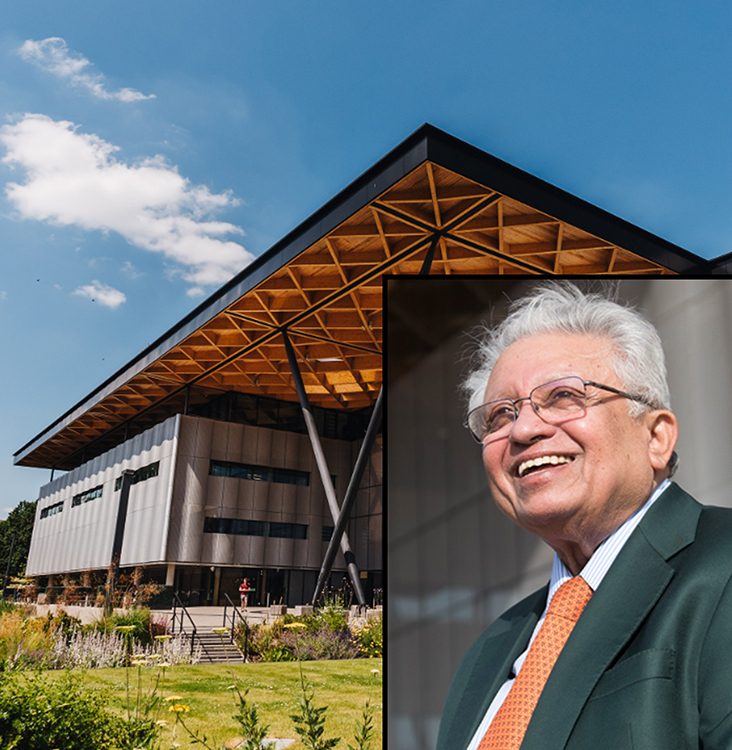
National Automotive Innovation Centre (NAIC)
Named after: Professor Lord Bhattacharyya
Date of naming: November 2018
About: Kumar Bhattacharyya (6 June 1940 – 1 March 2019)
WMG was founded by Professor Lord Kumar Bhattacharyya in 1980 to help reinvigorate UK manufacturing. From its inception, WMG’s mission has been to improve the competitiveness of organisations through the application of value adding innovation, new technologies and skills deployment - bringing academic rigour to industrial and organisational practice. The Group has grown into an international role model for how universities and business can successfully work together, with Professor Lord Bhattacharyya continuing to lead as Chairman of WMG until his death on 1 March 2019.
In recognition of the enormous contribution of Professor Lord Kumar Bhattacharyya to the University, the city, the region, and to Jaguar Land Rover, our newest building has been named the Lord Bhattacharyya Building.
Radcliffe House Conference Centre
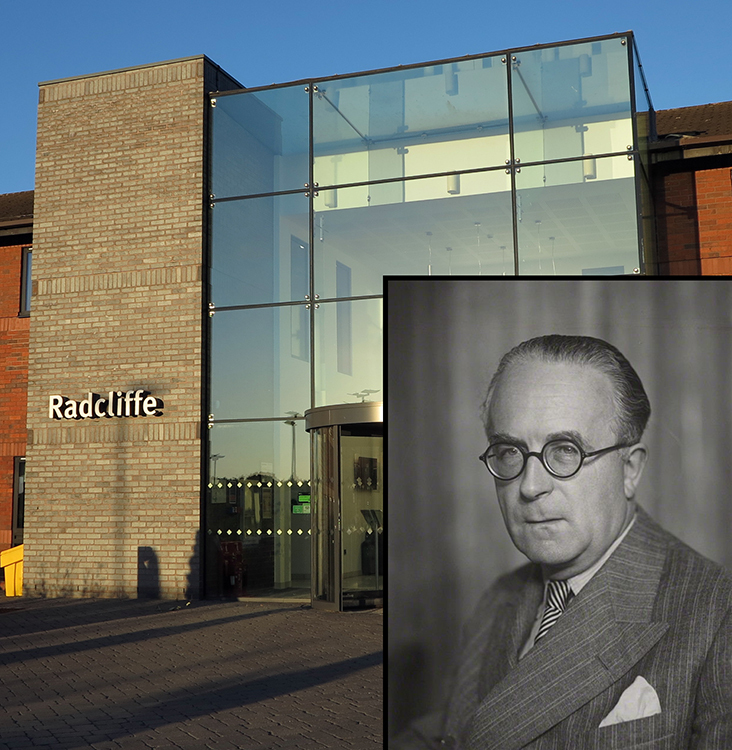
Named after: Lord Cyril Radcliffe
Date of naming: 1986
About: Cyril John Radcliffe, 1st Viscount Radcliffe, GBE, PC, FBA (30 March 1899 – 1 April 1977)
The University’s first Chancellor, installed in 1963 and continued in office until his death in April 1977.
Cyril John Radcliffe was a British lawyer.
He served as the first chancellor of Warwick from its foundation in 1965 to 1977.
Ramphal Building
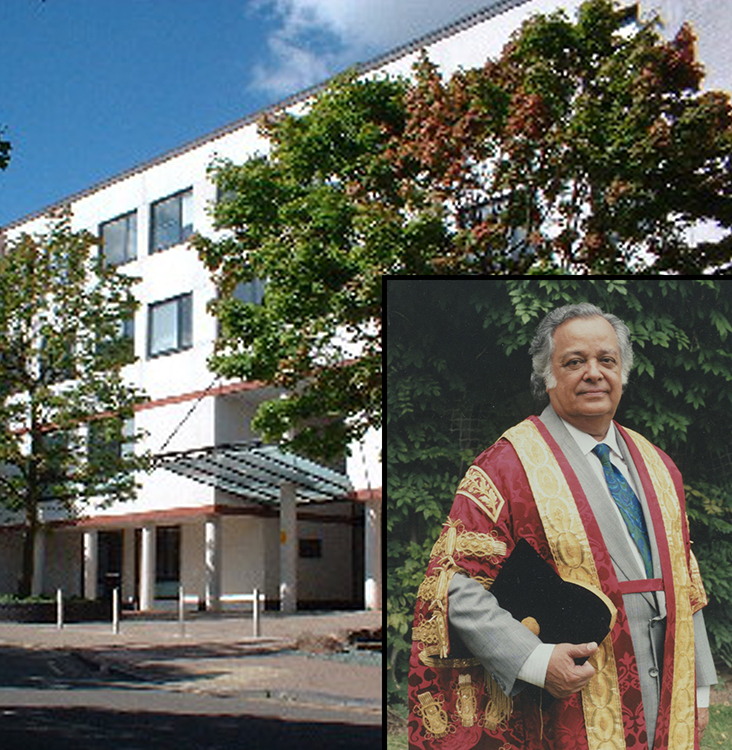
Named after: Sir Shridath Ramphal
Date of naming: 1994
About: Shridath Ramphal (3 Oct 1928 – 30 August 2024). Warwick's third Chancellor 1989 - 2002
Sir Shridath Surendranath Ramphal GCMG AC ONZ OE OCC NIIV OM KC FRSA often known as Sir Sonny Ramphal, was a Guyanese politician who was the second Commonwealth Secretary-General, holding the position from 1975 to 1990.
He was also the foreign minister of Guyana from 1972 to 1975, and assistant attorney general of the West Indies Federation from 1958 to 1962.
Ramphal was appointed a Companion of the Order of St Michael and St George (CMG) in the 1966 Birthday Honours. He was knighted in the 1970 New Year Honours, by the Queen at Buckingham Palace on 3 February.
He was appointed Knight Grand Cross of the Order of St Michael and St. George (GCMG) in 1990.
Ramphal was an Earth Charter International Commission member.
Riley Court
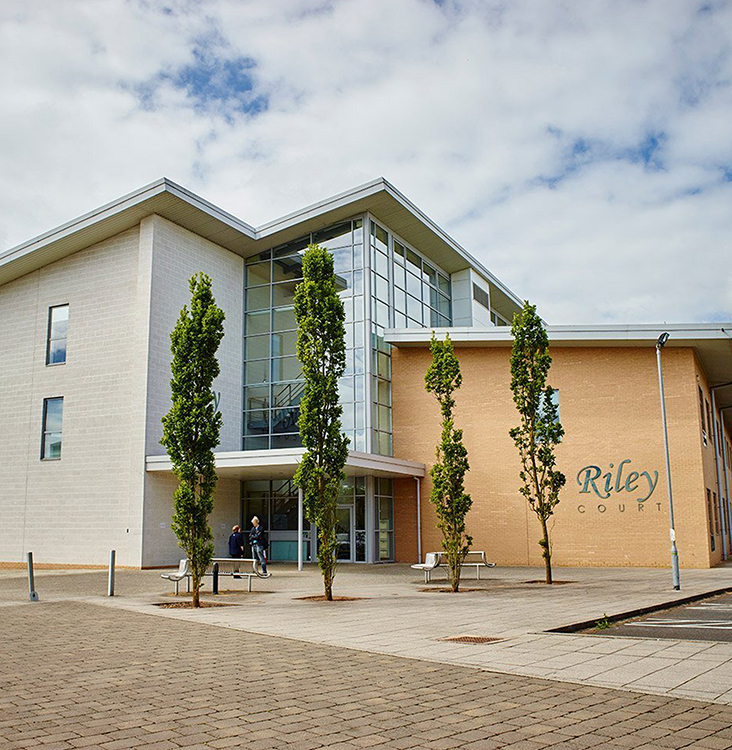
Named after: Sir William Riley, of Riley Motors
Date of naming: 2004
Riley Court is named after Sir William Riley & Riley Motors. a local car & bicycle manufacturer. Riley became part of the Nuffield Organization in 1938 then later merged into British Leyland in 1968.
Rootes Social Building
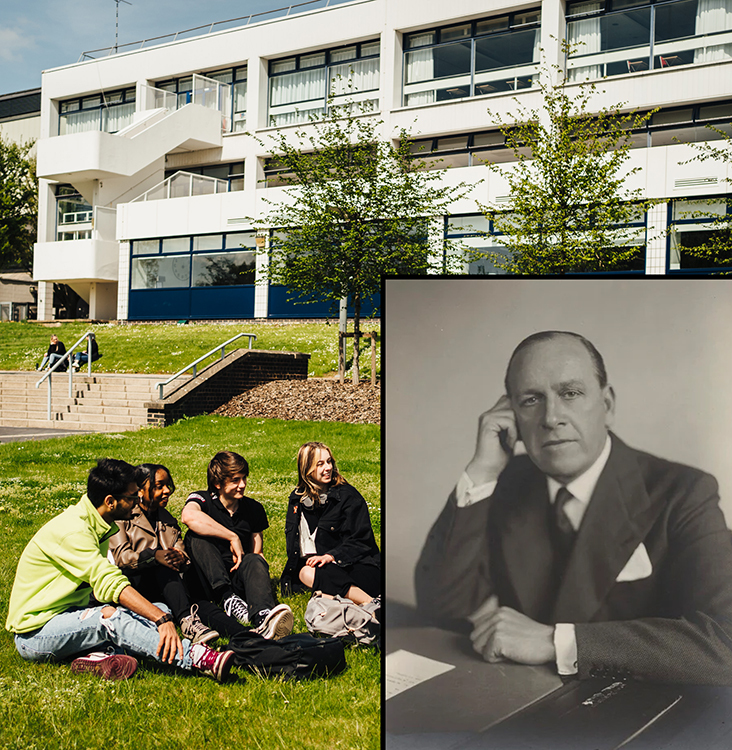
Named after: William Edward Rootes
Date of naming: 1966
About: William Edward Rootes, (17 August 1894 – 12 December 1964) 1st Baron Rootes, GBE, was a British motor manufacturer.
He opened his first car sales agency in 1913, leading to the global Rootes Group.
During the Second World War he supervised the volume manufacture of aircraft and engines, as well as the supply of military motor vehicles and armoured fighting vehicles. He was knighted in 1942 for these services and for organising the reconstruction of bomb-damaged Coventry after its saturation bombing by the Luftwaffe on 14–15 November 1940.
In the 1950s, he became a leader of Britain's export drive, and chaired a committee to found the University of Warwick with a vision of academic links with industry.
The Rootes Social Building and halls of residence were built at the university c. 1966, named posthumously in his honour.
Scarman House Conference Centre
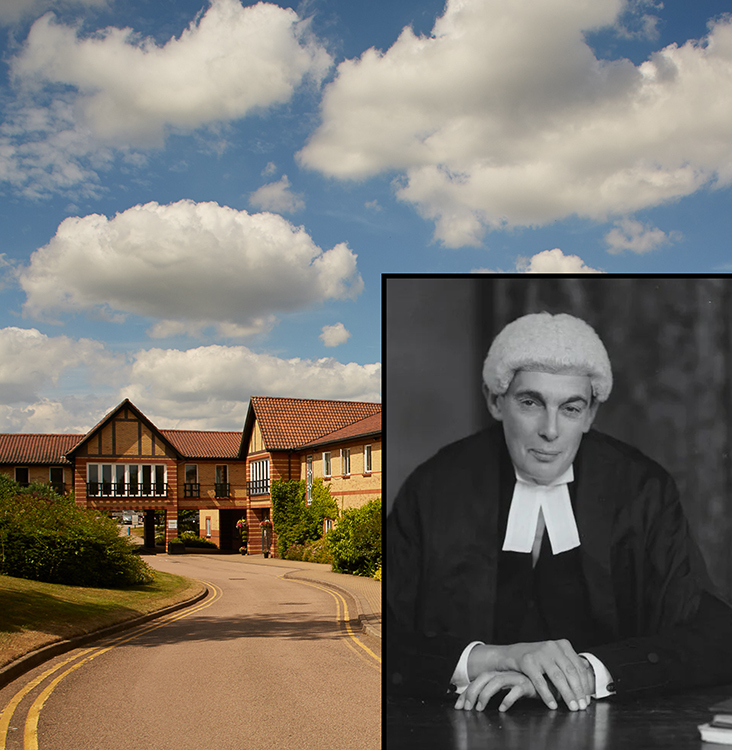
Named after:Lord Leslie George Scarman
Date of naming: 1990s
About: Leslie George Scarman (1911-2004). The University’s second Chancellor from April 1977 until he retired in 1989. He was awarded an OBE in 1944.
Leslie George Scarman was born on 29th July 1911 in South London. Scarman attended Radley School, then later onto Brasenose College, Oxford where he achieved a double first. He joined the Middle Temple on his admission to the Bar in 1936, took silk in 1957 and four years later was appointed a High Court Judge of the Justice, Probate, Divorce and Admiralty Division (later the Family Division). In 1973 he went to the Court of Appeal and became a Law Lord in 1977. He was best known for his work on commissions to look into public and social disorder: Northern Ireland (1969), the Red Lion Square riot (1974), the Grunwick dispute (1977) and the Brixton Riots (1981).
Prior to becoming the University’s Chancellor upon the death of founding Chancellor Lord Radcliffe, the University conferred the Honorary Degree of Doctor of Laws on him in 1974.
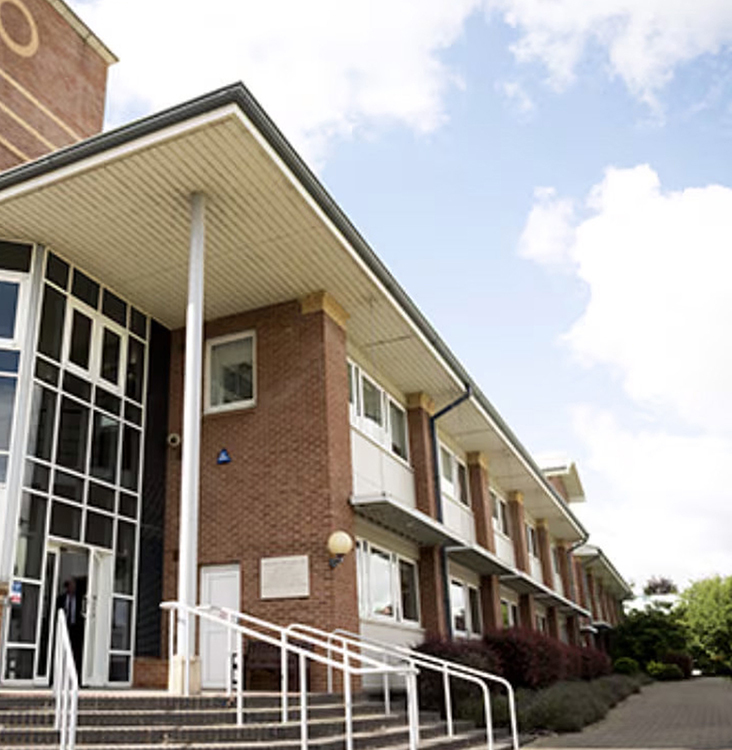
Tocil ResidencesLink opens in a new window
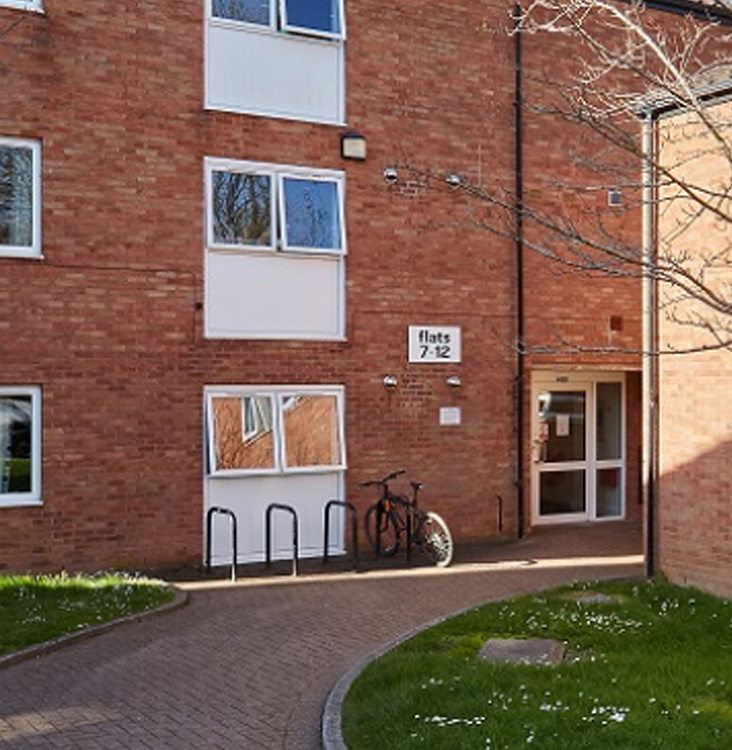
Named after: Residences were built on the site of Tocil House Farm, one of the original farms on the University site
Date of naming: 1972
The Zeeman Building
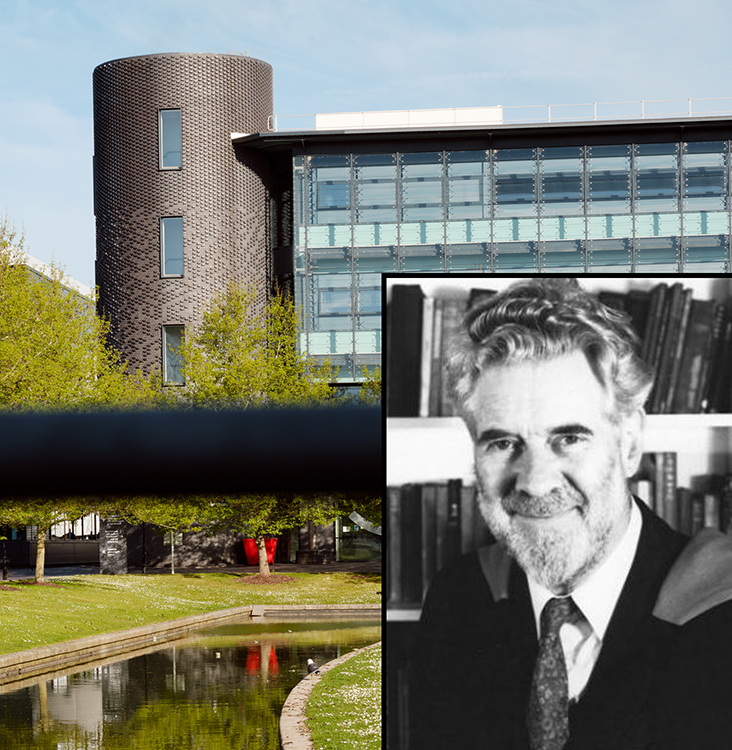
Named after: Sir Christopher Zeeman
Date of naming: 6th May 2005
About:Christopher Zeeman (4 February 1925 – 13 February 2016).
A British mathematician, known for his work in geometric topology and singularity theory.
After working at Cambridge (during which he spent a year abroad at University of Chicago and Princeton as a Harkness Fellow) and the Institut des Hautes Études Scientifiques, he founded the Mathematics Department and Mathematics Research Centre at the new University of Warwick in 1964.
On Friday 6 May 2005, the University of Warwick's new Mathematics and Statistics building was named the Zeeman Building in his honour.