
Rooms, Wings and Centres
More on the History of Names - Rooms, Wings and Centres
Butterworth Hall, Warwick Arts Centre
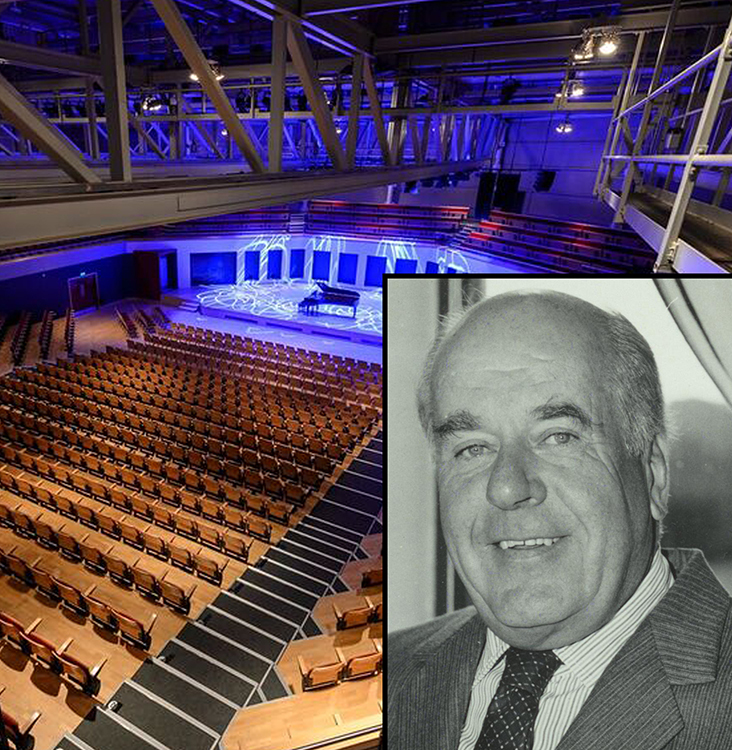
Named after: Lord Jack Blackstocke Butterworth
Date of naming: 1981
Naming ceremony: 1987
About: Jack Butterworth (13 March 1918 – 19 June 2003). Vice Chancellor 1963
Jack Butterworth was appointed Vice-Chancellor to the new University of Warwick – then a green field site on the edge of Coventry – in 1963. His background was legal, academic and administrative: he was called to the Bar at Lincoln’s Inn in 1947 and was a Fellow of New College, Oxford from 1946 to 1963 (Bursar from 1956 to 1963), and a member of Oxford’s Hebdomadal Council from 1953 to 1963.
A man of enormous energy and vision, he immediately set about organising Warwick’s academic and financial foundations. Working closely with the University’s Chancellor-Designate, Lord Rootes, he ensured that Warwick’s Foundation Appeal raised more that that of any other of the new 1960s’ universities – a total of £2.875 million by 1968.
Lord Butterworth died on 19 June 2003.
Frank Whittle Room

Named after: Sir Frank Whittle
About: Frank Whittle (1 June 1907 – 8 August 1996)
This Earlsdon-born engineering genius was the main reason why the aircraft jet engine became a reality. He changed the course of aviation history and hence the lives of millions around the world.
Helen Martin Studio, Warwick Arts Centre
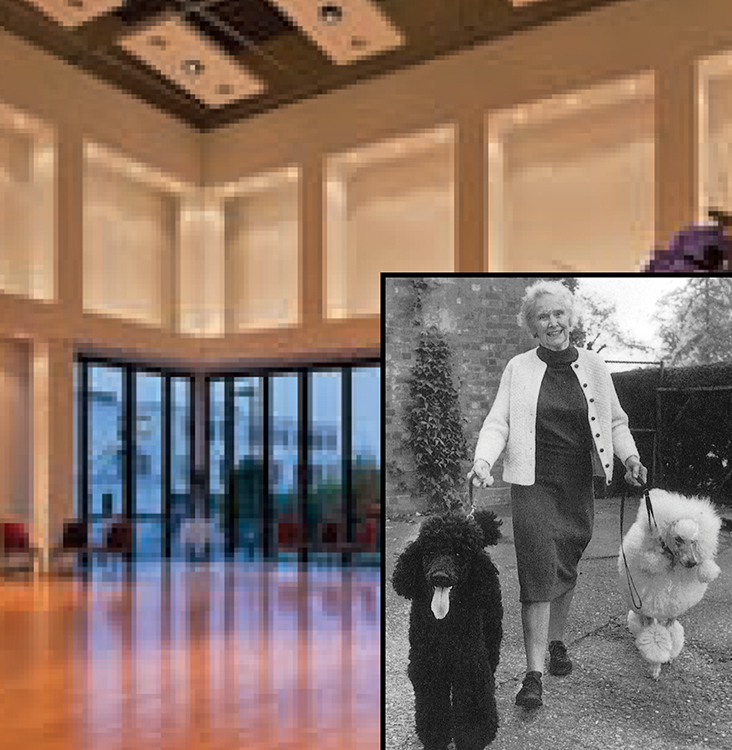
Named after: Helen Martin (The Benefactor)
Date of naming: 22nd November 2010
About: Helen Martin (1907-1988)
Miss Helen Martin (1907-1988) was a Kenilworth resident for most of her life. She loved classical music and regularly attended classical concerts in Warwick Arts Centre’s Butterworth Hall.
She was a most generous benefactor of the University of Warwick and from its earliest days used her income from the family business’ s holdings in the Heublein company to establish a trust fund that supported the University of Warwick to a total of what in today’s money would be £28 million.
That funding supported a range of projects including new student residences, student exchanges, sporting facilities and helped build and add to Warwick Arts Centre.
She insisted on her generosity being anonymous during her lifetime and was referred to by the University simply as ‘The anonymous benefactor’ and could only name the first set of residences built using her support as “Benefactors”
The Mead Gallery, Warwick Arts Centre
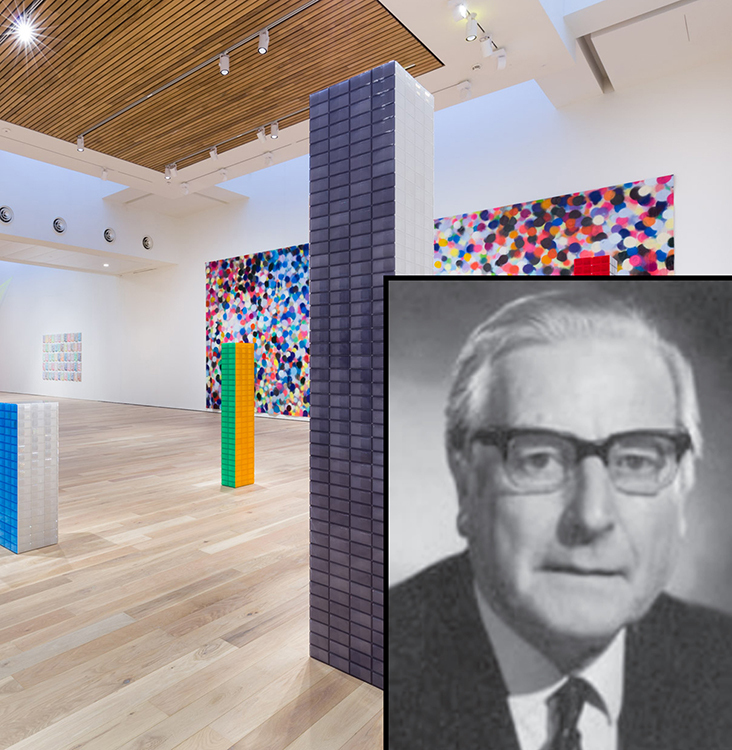
Named after: Phil Mead
Date of naming: May 1986
About: Built in 1986, the Mead Gallery was named after Phil Mead (Helen Martin’s accountant), and it was on his initiative that the Trust provided recurrent support for this important project.
Senior Partner, Daffern & Co and Member of the University Council 1965–83
Normington Theatre, Warwick Arts Centre
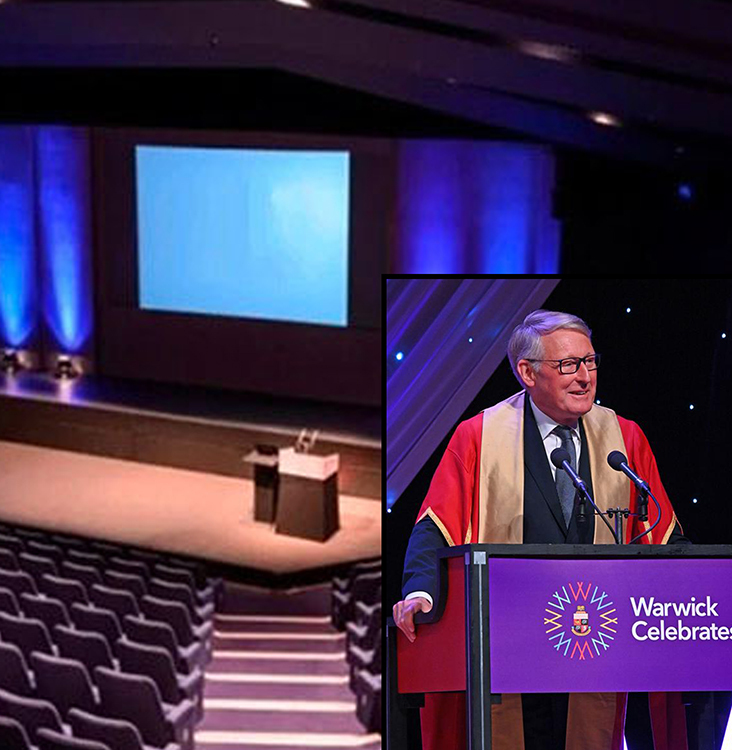
Named after: Sir David Normington
Date of naming: 23rd July 2025
About: David Normington
Named in honour of his 14 years of service to Warwick serving as an independent member of Council and in 2025 stepping down as Chair of Council, a role he held since 2017.
A former Permanent Secretary at the Department for Education and the Home Office, Sir David brought invaluable experience to Warwick’s governing body, guiding the University through a period of significant transformation.
In recognition of his contribution, he was awarded the Chancellor’s Medal on Wednesday 23 July 2025. And as a lasting tribute to his service, the theatre at Warwick Arts Centre has been named in his honour and will now be known as the Normington Theatre.
The Quinton Hazell Wing, Life Sciences
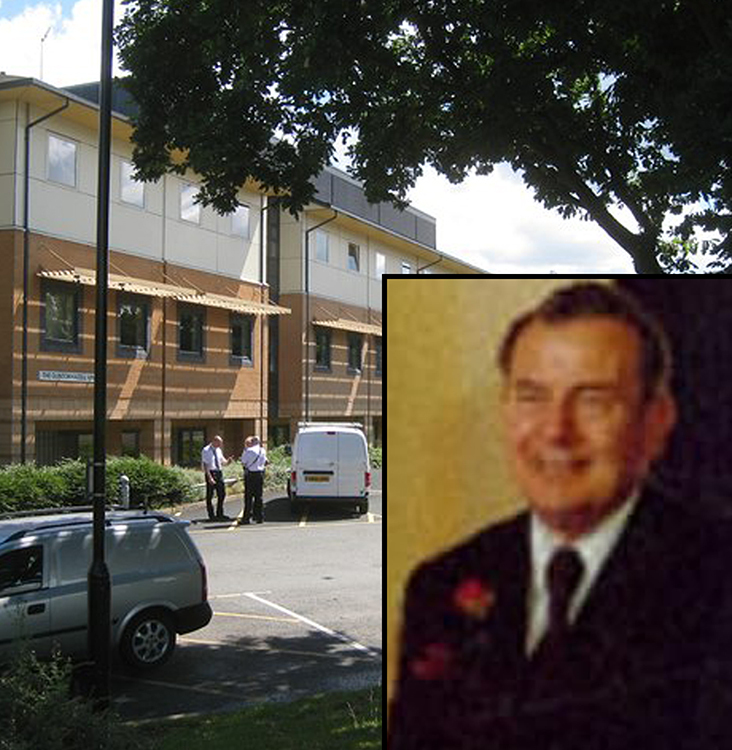
Named after: Sir Quinton-Hazell
Date of naming: 1970s/80s
About: Quinton Hazell (1921 - 24 June 1996)
Quinton Hazell was born in Burnage, near Manchester, in 1920, and attended Manchester Grammar School where he proved his sporting prowess as an excellent swimmer and rugby player. On leaving, instead of going to university, he chose to embark on an apprenticeship in a chain of garages owned by a family friend in Colwyn Bay. He was 18 when the Second World War broke out and was sent to France with the British Expeditionary Force in 1939. Evacuated from Dunkirk, he finished his service as Battery Quarter Master Sergeant Royal Artillery.
During the war Hazell saw how the Americans presented their motor spares - well- coded and easy to use - and after demobilisation visited the United States to observe how their motor trade was organised. He returned in 1946 and, with the help of a pounds 5,000 legacy, a staff of four friends and his wife Morwenna, set up his own company to manufacture and sell motor parts. Growth was rapid and consistent. By the mid-1950s the company was employing nearly 800 staff.
Over the next 15 years the business continued to expand and probe new markets. In 1972 Quinton Hazell Ltd won the Queen's Award for Industry, for export achievement. The following year the company was taken over by Burmah Oil. Hazell found that life in a big corporation did not suit him and started to look around for new challenges. He took a stake in the Supra Group, a small company making sound insulation, under-seal and paint for the motor trade. A motor component side was added and, never one to do anything half-heartedly, Hazell began competing against his own Burmah-owned subsidiary, Quinton Hazell Ltd.
Outside his own business area, Hazell was well known in the West Midlands for his trenchant views on British industry and the decline of its manufacturing base. He also played an active part in public life, serving for many years as Chairman of the West Midlands Planning Council and being appointed Deputy Lieutenant of Warwickshire in 1982. He was appointed CBE for political services in 1978 and was knighted in 1995.
The Wolfson Wing at Warwick Medical School
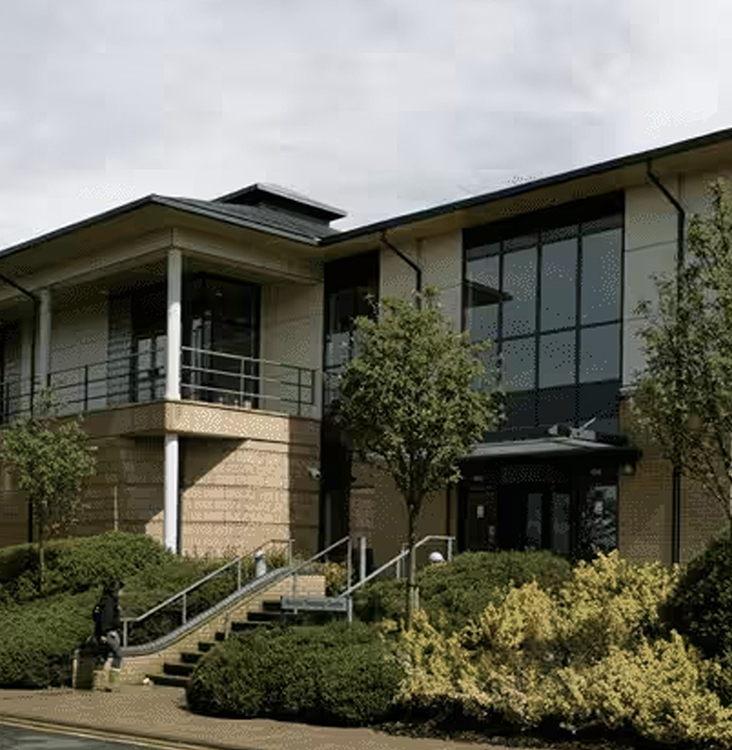
Named after: The Wolfson Foundation, UK charity
Date of naming: May 2002
About: The Wolfson Wing at Warwick Medical School was named in recognition of significant funding from the Wolfson Foundation, a major UK charity that supports research, education, and the arts, with the naming specifically honouring their £1 million grant to establish a new Clinical Trials Unit and a £250,000 grant for the library's Research Exchange, boosting Warwick's medical research capabilities.
Woods-Scawen Room, Warwick Arts Centre
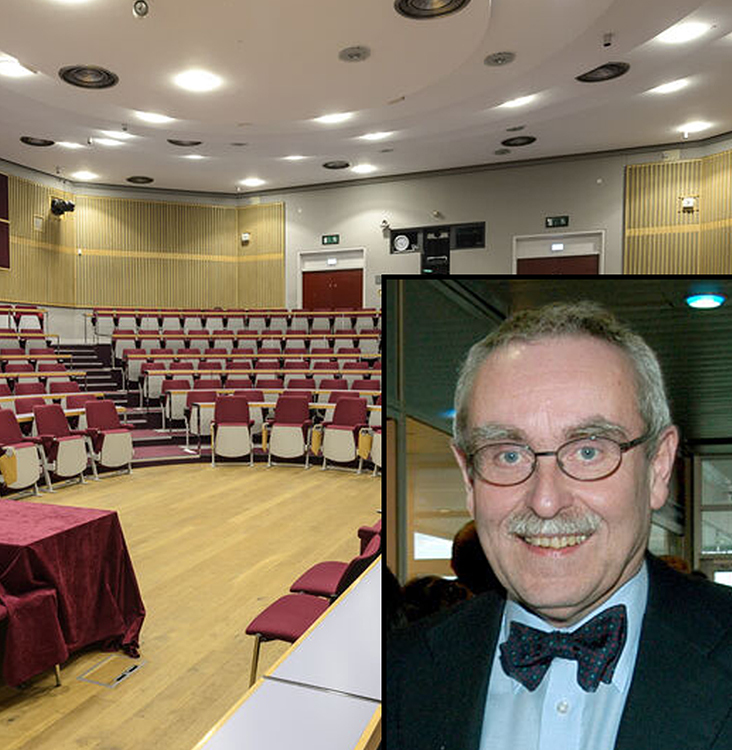
Named after: Dr Brian Woods-Scawen
About: Brian Woods-Scawen (November 1946 – 8 June 2012). Treasurer 2006
Dr Woods-Scawen was appointed as Warwick’s University Treasurer in October 2006 and had been a member of Council since 2001. He also served as Chairman of the University's Audit Committee, Chairman of the Arts Faculty Advisory Board and as a member of the board of the Arts Centre. But his association with Warwick dates back even further as he was a research student at the University from 1968 to 1971.
In 2004, he was awarded the prestigious Lifetime Achievement Award by the Institute of Chartered Accountants, and in 2008 he was awarded a CBE for services to business and to the community in the West Midlands.
Dr Brian Woods-Scawen died on Friday 8 June 2012. He was awarded a Chancellors medal in 2012 (awarded posthumously)
Yesu Persaud Centre for Caribbean Studies
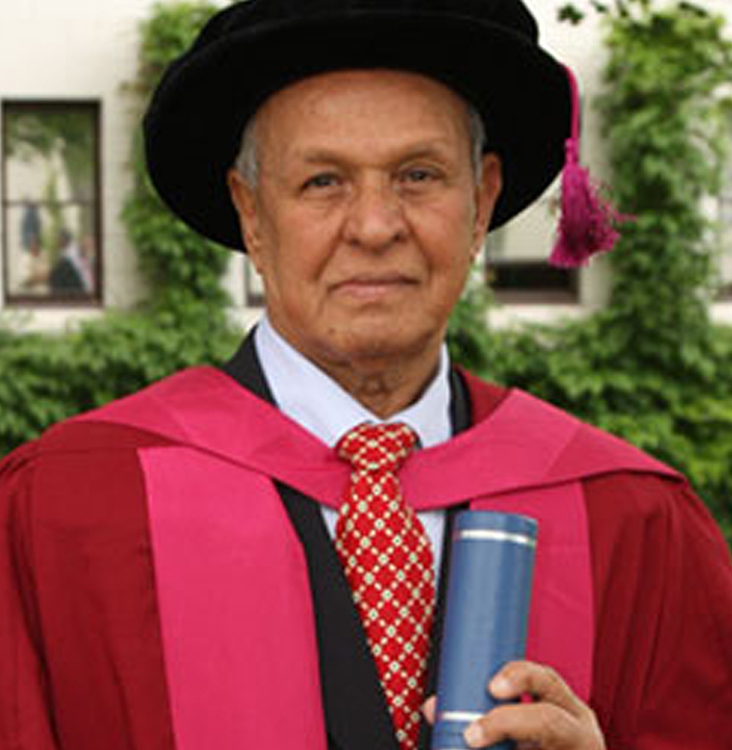
Named after: Dr Yesu Persaud
Date of naming: 2010
About: The centre was renamed to acknowledge Dr Persaud's donation of £550,000 to establish the Yesu Persaud Centre for Caribbean Studies.
Yesu Persaud has been an Associate Fellow of the Centre for some 12 years and received an honorary Doctorate from the University of Warwick in 2008. He is a leading and respected Guyanese business figure and philanthropist. He is also known for his support of human rights and democracy. A creative entrepreneur with a global outlook, Dr Persaud founded the first indigenous private bank in Guyana and one of the region’s leading brands of Caribbean rum. His long association with the University and unblemished record in business and public service made him an ideal candidate for further recognition at the University.
Yesu Persaud Lecture Theatre, (OCO.03) Oculus BuildingLink opens in a new window
Named after: Dr Yesu Persaud
Date of naming: 20th March 2018
About: Dr Persaud made a gift of $250,000 (US) to support the new Faculty of Arts building. He has previously given £550,000 to establish the Yesu Persaud Centre for Caribbean Studies. His total contributions to the University total over £750,000, making him one of the University’s most generous donors.
Yesu Persaud has been an Associate Fellow of the Centre for some 12 years and received an honorary Doctorate from the University of Warwick in 2008. He is a leading and respected Guyanese business figure and philanthropist. He is also known for his support of human rights and democracy. A creative entrepreneur with a global outlook, Dr Persaud founded the first indigenous private bank in Guyana and one of the region’s leading brands of Caribbean rum. His long association with the University and unblemished record in business and public service made him an ideal candidate for further recognition at the University.