
Traumatised Minds Project - Meet the Team

Anna Toropova
I am a cultural and medical historian of Russia and the Soviet Union, and the PI on Traumatised Minds. My previous research explored the role of cinema in the transformation of the human subject and the ways in which Soviet political and cultural agendas overlapped with the psy disciplines.
My current research focuses on how medical specialists, cultural producers and members of the public understood the link between neurosis and trauma in the Soviet Union between 1917 and 1953.
In a recent article published in IsisLink opens in a new window, I explore cinematic engagements with neurosis to re-examine the extent to which the Soviet psy-disciplines were subordinated to a biological model of the mind during the Stalin era. In another forthcoming publicationLink opens in a new window, I explore the representation of hysteria and war neurosis in late Stalinist melodrama. I am currently working on a comparative study of therapeutic approaches to the treatment of neurosis in Soviet Ukraine, Latvia, Georgia and Uzbekistan. I am also exploring early Soviet research on the problem of child nervousness.

Viktoria Vorobeva
I hold a BA in Philology (SPBU, 2017) and an MA in Digital Humanities (HSE University, Moscow, 2022). My research lies at the intersection of digital humanities, cultural history, and the study of autobiographical narratives.
Applying computational methods and data analysis to digital collections of autobiographical material, primarily from the Soviet period, I examine how individuals processed contemporaneous events and emotional realities. I analyse these accounts both at the level of private reflection and on a broader social scale, tracing collective tendencies that represent wider cultural paradigms. The results of this work were published in a recent co-authored article on the computational analysis of Soviet diaries in Digital Scholarship in the HumanitiesLink opens in a new window. Expanding my work with ego-documents, I have also studied the personal records of Soviet readers of Sigmund Freud and presented this research at the “Cultures of Trauma and the Medical Humanities” workshop Link opens in a new windowat the University of Warwick.
In my current role on the “Traumatised Minds” project, I apply this framework to the history of medicine, working extensively with Russian and Georgian archival materials. I examine how psychiatric and physiological theories were integrated into Soviet medical practice and psychotherapy, analysing the work of prominent medical professionals such as Mikheil Asatiani and Dimitri Uznadze, as well as less well-known specialists, including Arkadi Gotsiridze and Ivane Skhirtladze. I am particularly interested in the clinical application of practices such as hypnosis, balneology, sleep therapy, and occupational therapy within Soviet psychiatry.
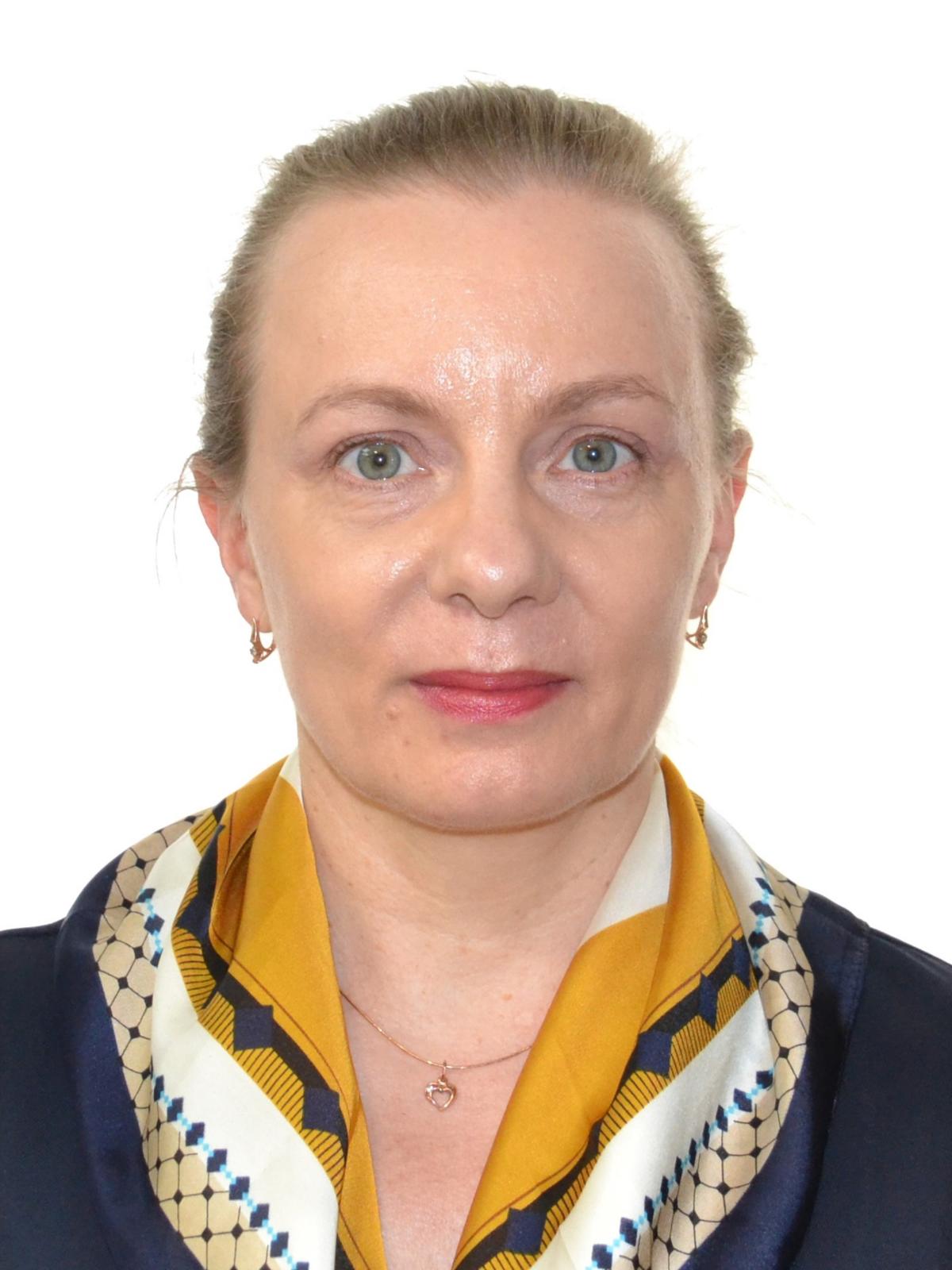
Olga Smolyak
I am a social historian specialising in institutional history and discourse analysis in twentieth-century Russia. I plan to apply my expertise to 'Traumatised Minds,' studying Soviet balneological sanatoriums as sites where trauma, discipline, and care intersect. I hypothesise that therapeutic rhetoric often masks disciplinary practices, prioritising social utility over individual well-being. This highlights how medicine served as a tool of social ordering, with balneology as a lens.
Balneology embodied the Soviet ideal of the person as a manageable, improvable body. My central argument is that balneological sanatoriums provided institutional frameworks in which trauma was addressed somatically and collectively, rather than being named or individualised. Treatments emphasised restoring physical function and productivity, transforming leisure into therapeutic labour. Through scheduled treatments, surveillance, and bodily regulation, these institutions offered somatic responses to distress—aligning care, discipline, and health with socialist ideals while concealing individual trauma within collective well-being.
My research includes balneological sites in Issyk-Ata, Arasan-Kapal, Borzhomi, Druskininkai, Kemeri, and Haapsalu. Comparing these sites across Central Asia, the Caucasus, and the Baltics, I show how Soviet responses to trauma were embedded in institutional practices of collective care and control. I aim to advance ‘Traumatised Minds’ by demonstrating that, in these settings, trauma circulated beyond the clinic and acquired meanings shaped by state priorities and social norms.