
Women's Comedy Workshop
Natalie Diddams established The Women's Comedy Workshop in 2016 at Theatre in the Mill in Bradford. This practice-based project set out to explore how comic techniques might be used to challenge restrictive and outmoded forms of gender representation, and how comedy might create possibilities for feminist empowerment.
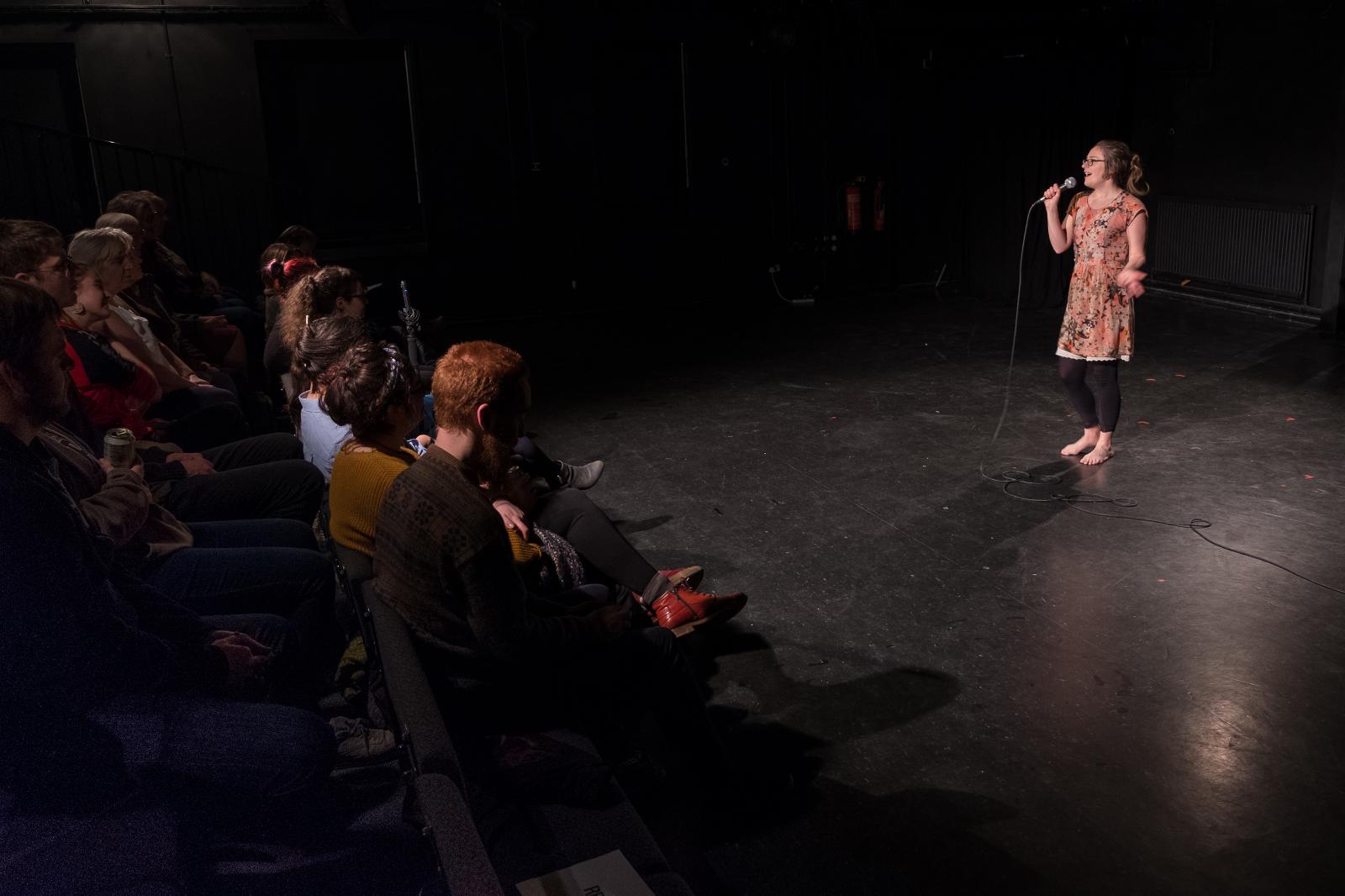
From the outset, the Women's Comedy Workshop adopted a broad and inclusive definition of womanhood. Participants included those assigned female at birth, those who identify as women (including trans women), and non-binary people who aligned with the ethos of the space. What united participants was not a single identity, but a shared desire to do comedy in a space where they felt supported and, importantly, free from the dynamics that so often dominate traditional comedy contexts. Comedy remains a male-dominated field, shaped by long histories of sexism. Creating women-centred spaces is a way of rebalancing this — not by isolating participants, but by building an environment in which a broader range of voices can emerge.
Another defining feature of the workshops was the deliberate rejection of a strict method. This began almost by accident, as Natalie started running the workshops with very little formal experience of comedy. Over time, however, this openness became a considered part of the practice. Each workshop was facilitated by at least two people, who were encouraged to take part as participants as well as leaders. Experienced comedians were sometimes brought in to facilitate sessions and host events, but the guiding principle was to decentre authority wherever possible, so that no single approach came to be regarded as the 'correct' one. Rather than promoting a specific style of comedy, participants were encouraged to discover their own humour and find out what worked for them.
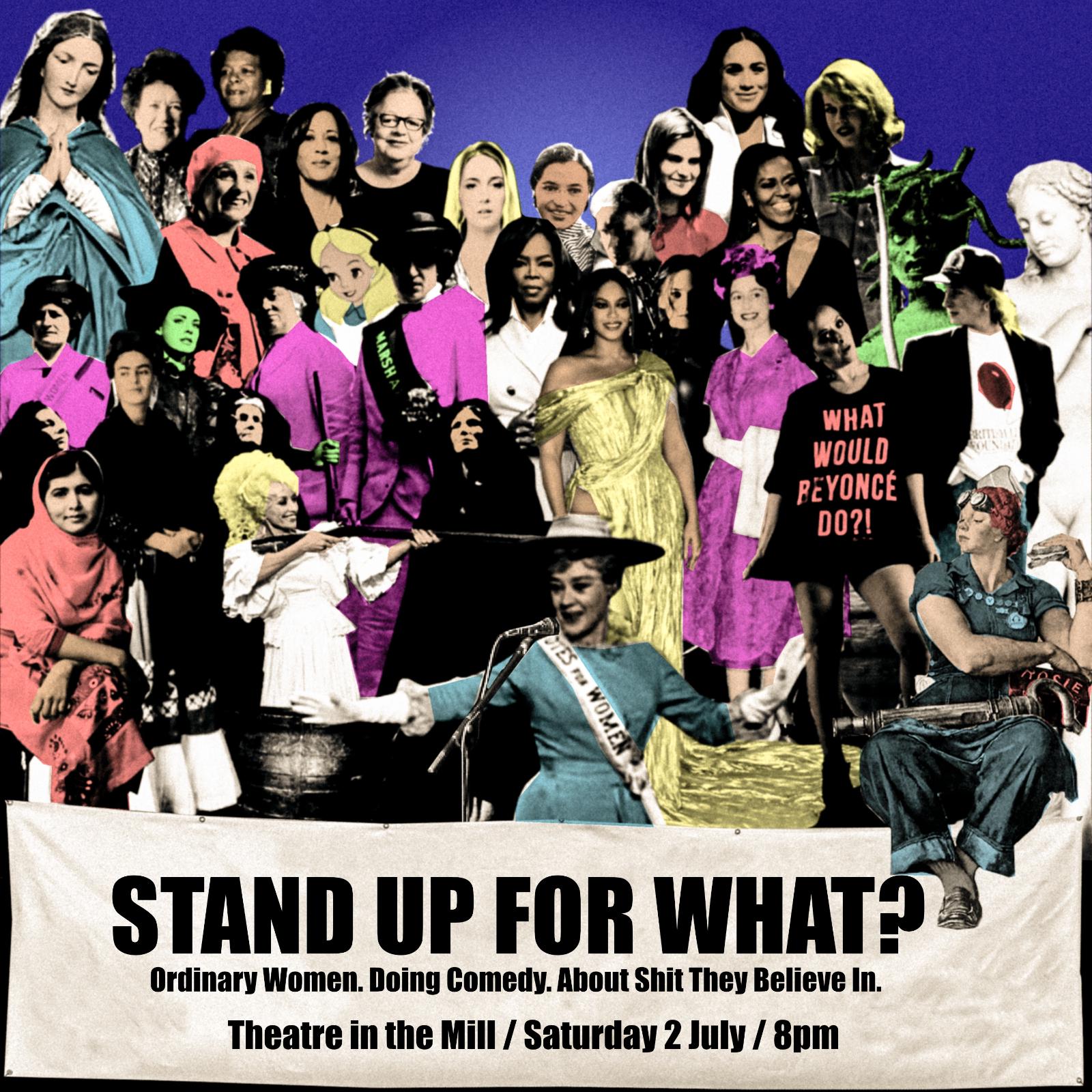
Natalie ran the project for eight years in Bradford, during which time her focus shifted towards the affective and transformative potential of laughter. This work formed a central part of her PhD, Making Waves: Humour and Laughter as Fourth Wave Feminisms(2020), in which she argued that laughter functions not only as a response to humour but as an atmospheric, relational force that shapes the dynamics of a group. The thesis suggested that laughter was giving rise to new forms of feminist praxis that can be connected to the fourth wave feminist movement.
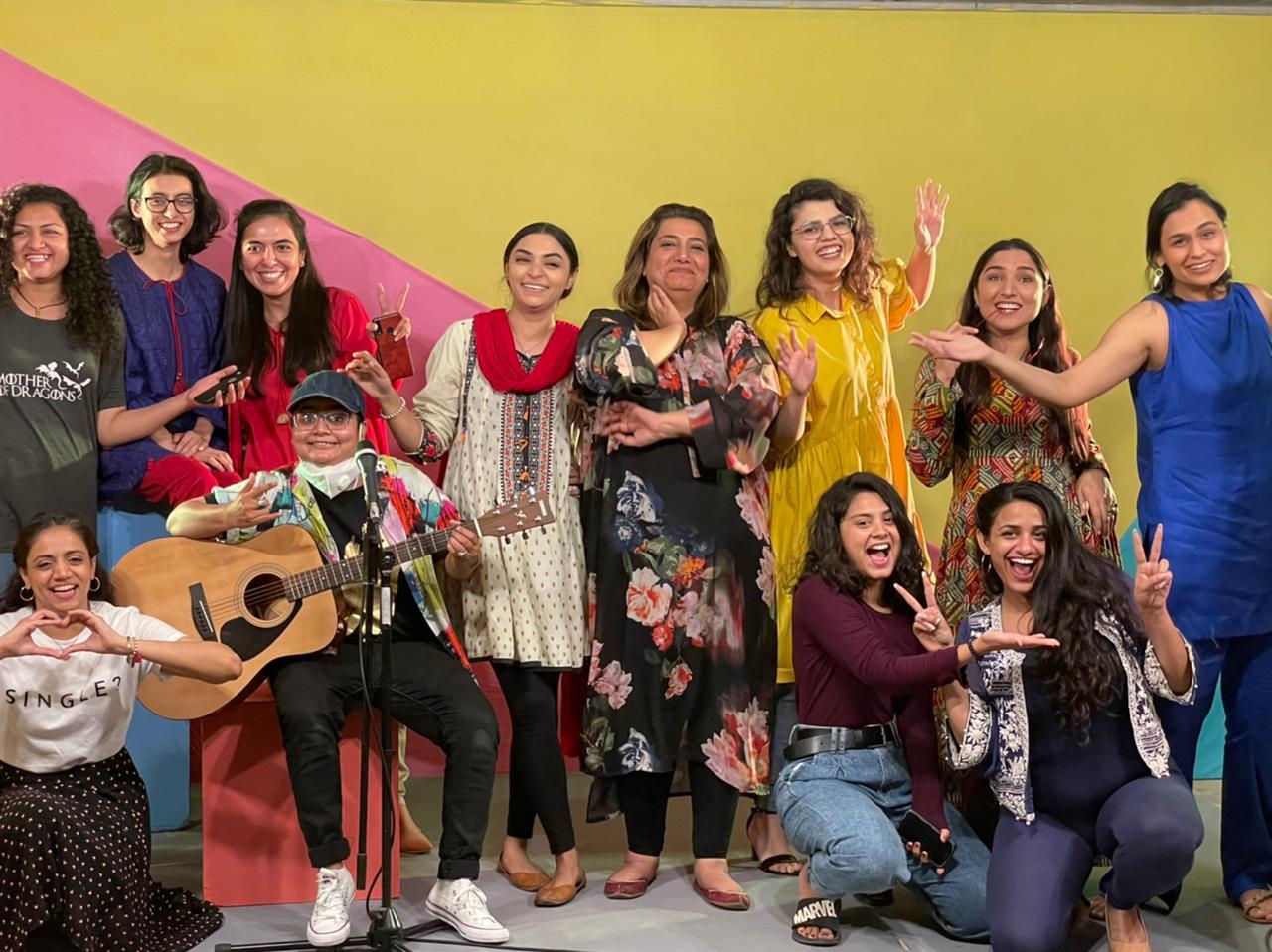
Natalie has worked with more than 100 women in Bradford and the surrounding areas, and has also developed a longstanding collaboration with women in Karachi, Pakistan. Her work has helped to energise and expand women's comedy in both cities and has led to a wide variety of outcomes for participants. Alongside performing stand-up for the first time, many have reported increased confidence and self-esteem, the formation of new friendships and improved psychological wellbeing.
The project has also given rise to a new approach to teaching comedy, centred on laughter, play and collaborative writing. This methodology forms the basis for Natalie’s monograph: Learning Through Laughter: Affect and Empowerment in Women's Comedy Workshops (2026), in which Natalie reframes stand-up as an affective, relational practice. Drawing on affect theory, new materialism and a diffractive, practice-led methodology, she argues for women-centred workshops as deliberately supportive spaces in which laughter can do both political and pedagogical work.