
Programme
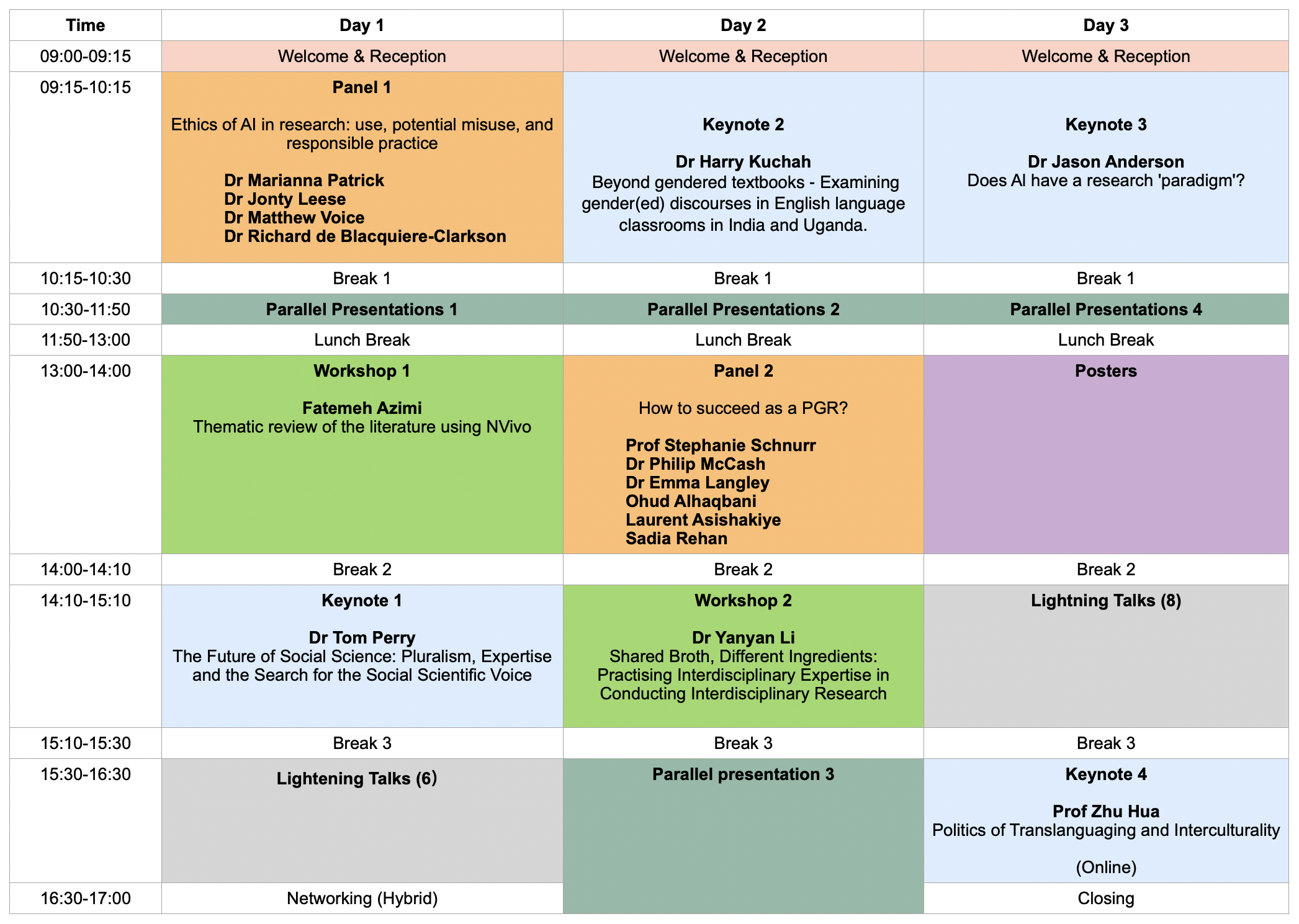
Conference Timetable:
Keynote Speakers:
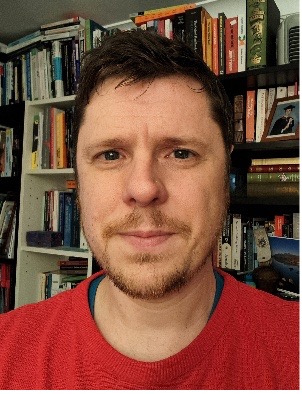
Dr Tom Perry
Day One
About the Speaker:
Dr Tom Perry is Reader in Education Studies and Director of Postgraduate Research in the School of Education, Learning and Communication Sciences at the University of Warwick, and Visiting Professor at the University of Southampton. He is also Co-Chair of the Warwick Commission on the Future of Social Sciences. An applied social scientist and methodologist, his work examines education systems as knowledge systems, focusing on the interactions between research, evidence, expertise, and professional practice in contexts of policy, organisational, and technological change. He has led or contributed to research projects worth over £3m, advised governments, funders, and education organisations, and published widely on knowledge mobilisation, mixed methods research, systematic review, and education policy and practice.
Abstract for SELCS 2026 Conference:
The Future of Social Science - Pluralism, Expertise and the Search for the Social Scientific Voice
Social science is not a repository of findings. It is a community of people who know how to think in a distinctive way, and in relation to one or more social scientific discipline. This talk argues that this community, and the institutional conditions that make it possible, are facing a polycrisis. If social science cannot understand the nature of its own enterprise, find its voice, and assert its value in an increasingly contested, cynical and polluted knowledge landscape, then its future and that of the university which sustains it is bleak.
Three forces are pulling social science apart. The first is a drift toward an a-theoretical positivism that reduces social inquiry to measurement and the incoherent accumulation of persuasive but fragmented knowledge and practical solutions. The second is a tendency within some discursive traditions to become so absorbed in language, representation and partisan identity that they abandoned and even repudiate the values and philosophies that sustain the social scientific enterprise. The third is the emergence of generative AI, which poses distinct threats as a plausibility and impersonation machine ostensibly lacking the ontological and epistemic substructures of social science, and as a disembodied and decontextualised knowledge actor.
Against these threats, the talk makes a positive case for social science as a pluralist but coherent enterprise, held together by shared intellectual commitments and modes of engagement with the social world. It argues that we must champion and protect social science’s voice, infrastructure, culture and the forms of expertise it manifests and enables. Social scientific expertise, when engaged with and embodied in people, communities and institutions, is capable of doing what no number cruncher or language model can: the exercising situated and trustworthy judgement about what is just and true in social world.
Dr Harry Kuchah Kuchah

Day Two
About the Speaker:
Dr Harry Kuchah Kuchah is Associate Professor of Languages, Social Justice, and Education at the University of Birmingham, UK. His research interests include English Medium Education in schools, Language Teacher Education and professional development and Teaching languages to Young Learners, and he has published widely in these areas. He is co-editor of International Perspectives on Teaching English in Difficult Circumstances (Palgrave Macmillan, 2018); Ethical and methodological issues in researching young language learners in school contexts (Multilingual Matters, 2021) and Teacher Research in Africa: Voices from the Africa ELTA Mentoring Project (IATEFL 2022).
Abstract for SELCS 2026 Conference:Beyond gendered textbooks - Examining gender(ed) discourses in English language classrooms in India and Uganda
Despite sustained international commitment to gender equality in education, the relationship between English language pedagogy and gender reproduction in classroom contexts remains underexplored, particularly in the Global South. In this presentation, I report on a recently completed study which drew on data from five teachers and fifty students through four complementary instruments - a gender attitudes survey, classroom observations, student focus group interviews and stimulated recall interviews with teachers – to examine how gender is co-constructed in secondary school English language classrooms in India and Uganda, how teachers and students engage with gendered texts and how gendered discourses shape students' learning experiences, self-perceptions, and aspirations. Then I share some reflections on the critical gap in teacher education, where critical discourse awareness and gender-responsive pedagogy remain absent as core professional competencies, and underscore the need for structural intervention at the level teacher preparation, illustrating this with examples of how stimulated recall can support reflections on, and the generation of gender-responsive ELT practice.
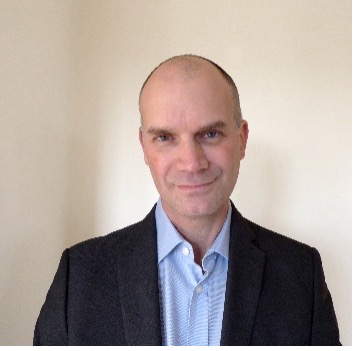
Dr Jason Anderson
Day 3
About the Speaker:
Dr Jason Anderson (Associate Professor, University of Warwick, UK) is a teacher educator, author, educational consultant and researcher who works in both language teaching and mainstream education. He has supported teachers in over 30 countries worldwide, both pre-service and in-service, for national ministries of education and organisations including UNICEF and the British Council. He has published award-winning books and research on aspects of language teaching, multilingualism, teacher reflection, teacher expertise and teacher education. His interests include teaching methodology, translanguaging, teacher research and the contextual challenges of teachers working in the global South, where he has spent much of his career as a teacher educator.
Abstract for SELCS 2026 Conference:
Does AI have a research 'paradigm'?
Have you ever wondered whether there is a specific philosophy of science – a research ‘paradigm’ – underpinning the large language models that power generative AI tools like ChatGPT or Claude? Are they positivists, constructivists, pragmatists, critical realists… or does it depend? In this talk, I – or rather we (me and my AI colleagues) – will report on our shared inquiry into the relationship between ‘ontology’ and ‘epistemology’ as manifested in chatbot outputs. Together we explored the extent to which they are capable of ‘perceiving’ the world in itself, the ways in which they make use of language to convey ‘ideas’ about this world, and the extent to which these two processes interact, if at all.
I will argue that, as researchers, teachers and students (oh yes, and people!), we can make better use of generative AI if we understand the extent to which it is, or isn’t able to make contact with ‘reality’ when it makes use of language in its interactions with us. Because this relationship is fundamental to its reliability, posing this important question enables us to become more aware of its strengths and shortcomings. We will offer some contingent suggestions on how the strengths of AI may be capitalised upon and its weaknesses avoided during research, theorising and writing, both within academia and beyond it. And you won’t have to take our word for it; like all responsible researchers, we will share our audit trail, so that you and your AI tools can explore this relationship yourselves!
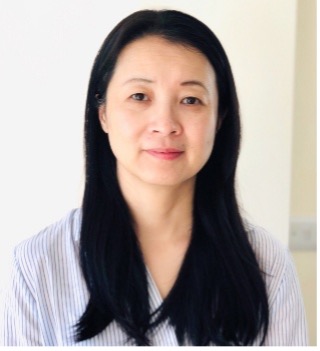
Prof Zhu Hua
Day 3 (Online)
About the Speaker:
Dr Zhu Hua is Professor of Language Learning and Intercultural Communication, Director of International Centre for Intercultural Studies at the Institute of Education, University College London (UCL), UK and Director of Research and Innovation for the Language Hubs programme funded by the Department for Education, UK. She is Chair of the British Association for Applied Linguistics (2021-2024), an elected Fellow of the Academy of Social Sciences, UK; Academia Europaea; and the International Academy for Intercultural Research. Her main research interests span across multilingual and intercultural communication and child language.
Abstract for SELCS 2026 Conference:
Politics of Translanguaging and Interculturality
In this talk, I reflect on my research journey and how my work on interculturality and translanguaging has developed over time, particularly at the intersection of language and culture. I became interested in interculturality through earlier work on intergenerational interaction within diasporic families. From there, I had the opportunity to work on a translanguaging project, where I began to investigate how people in superdiverse cities communicate with each other in everyday settings. More recently, I have been thinking about what I see as the politics of translanguaging and interculturality through the notions of act of distinction and cultural distinctiveness. This involves asking whose languages, knowledge, and values are recognised, legitimised, or marginalised in communicative practices, and how these processes shape interaction and social relationships. By bringing these strands together, I explore how interculturality and translanguaging can inform one another in understanding communication in multilingual contexts.
First Panel (Day One):
Ethics of AI in Research - Use, Potential Misuse, and Responsible Practice
Dr Richard de Blacquiere
‑ Clarkson
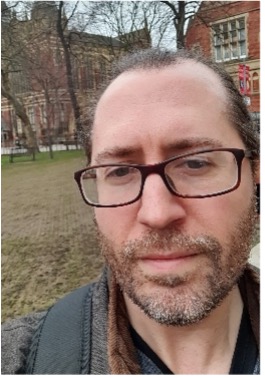
Dr Richard is an educational developer, researcher and academic leader at the University of Leeds. His work focuses on the scholarship of teaching and learning (SoTL), particularly the ethical, social and pedagogical dimensions of digital technologies and AI in higher education. He holds a PhD in Philosophy from Durham University and has over twenty years’ experience in teaching and educational development across secondary and higher education.
Richard’s work brings together pedagogic practice, institutional strategy and scholarly inquiry, with contributions including publications, funded projects and invited international presentations on AI ethics, inclusive curriculum design and digitally mediated learning. At Leeds, he has led work on learning analytics, accessibility and inclusive digital practice, and created the University of Leeds AI Hub to support cross-disciplinary communities of practice around AI in higher education.
As Strategic Lead for Research Ethics at the Leeds Institute for Teaching Excellence, he designed and implemented a SoTL ethical review process combining rigour, scaffolding and community ownership. Across his work, Richard is interested in how pedagogy can respond critically and creatively to emerging technologies while supporting equity, student voice and meaningful participation.
Dr Marianna Patrick

Dr Marianna Patrick is a Research Fellow at the University of Warwick, working on a Leverhulme Trust-funded project that explores how students and academics use generative AI chatbots for academic writing. This international collaboration aims to understand the evolving practices and motivations surrounding AI in higher education. Marianna also co-convened the module "The AI Revolution: Ethics, technology and society" at the Institute for Advanced Teaching and Learning (IATL).
Dr Jonty Leese
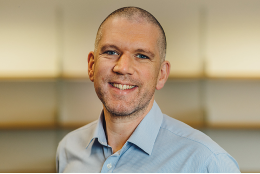
Dr Jonty Leese is an Associate Professor at the Centre for Teacher Education, University of Warwick, specialising in Computer Science teacher education. Trained at Warwick, he taught in local state schools for eleven years and has been part of CTE for over a decade, bringing a strong practitioner grounding to his work. He works nationally and internationally across distance, blended, and face-to-face teacher education, supporting primary and secondary trainees with a focus on confidence, critical thinking, and creativity in the digital landscape.
Jonty's research explores the intersection of artificial intelligence and teacher development, particularly how AI may support, challenge, and transform planning, assessment, and reflective practice in initial teacher education, while maintaining teacher professionalism and avoiding over-reliance on automation.
Dr Matthew Voice
Dr Matthew Voice is an Assistant Professor and Director of Undergraduate Studies in Applied Linguistics at the University of Warwick. His research and teaching explore the social and political functions of language in a diverse range of contexts - from pop songs to drone warfare - and more recently with a focus on Large Language Models. With Professor Chris Hart (Lancaster), he is co-editor of The Language of Artificial Intelligence: Perspectives from Critical Discourse Analysis, a forthcoming collection of papers analysing the ideological positioning of AI in discursive contexts ranging from social media to higher-education classrooms. In his teaching, Matthew has been working with Professor Jo Angouri to develop novel methods for integrating AI tools into the classroom in a way that instils critical reflexivity in students.
In this panel, Matthew will reflect on the successes and challenges of responding to students’ needs, concerns, and values as AI continues to reshape learning and assessment in higher education.
Second Panel (Day Two):
What Really Supports PGR Success?
Prof Stephanie Schnurr
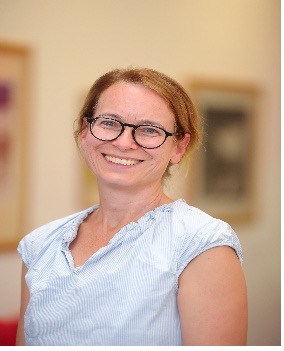
Dr Stephanie Schnurr is a Professor in Sociolinguistics in SELCS and the Centre Lead for Postgraduate Research in Applied Linguistics.
Stephanie will talk about some of the things that PGR students, their supervisors, and the wider research environment can do to support PGR success.
Dr Phil McCash
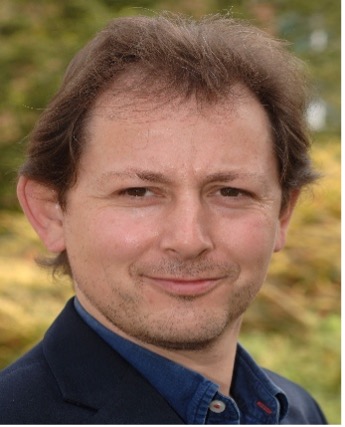
Dr Phil McCash is the Postgraduate Research Lead in CLL and has led the PhD programme there for the past five years. He works with colleagues across SELCS as part of the PGR team.
Phil will offer a personal view of what really supports PGR success drawing from his varied roles as the lead for the PhD programme in CLL, as a supervisor, and his own experience of completing a PhD. Amongst other things, he will discuss the importance of developing your own voice as a researcher.
Dr Emma Langley
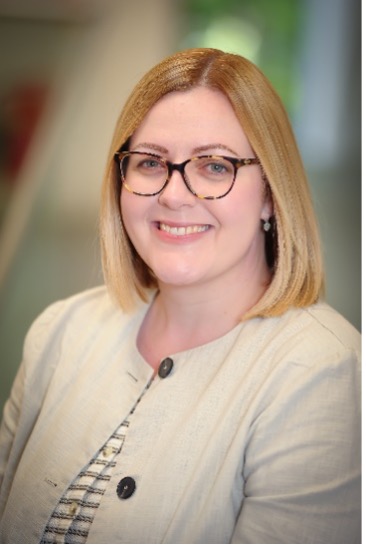
Dr Emma Langley is an Assistant Professor and Centre Lead for Postgraduate Research in Education Studies. She is a Warwick graduate, having completed her PhD in Education and Psychology in 2019. Her research focuses on understanding and reducing inequalities for families, particularly those raising neurodivergent children.
Emma’s contribution will focus on the conditions that most meaningfully support PGR success, while recognising that success is individual and shaped by each researcher’s goals and circumstances. She will highlight the importance of strong, trusting supervisory relationships and engaging in supportive research communities to reduce isolation. She will also emphasise the need to protect wellbeing as a foundation for sustained progress.
Ohud Alhaqbani
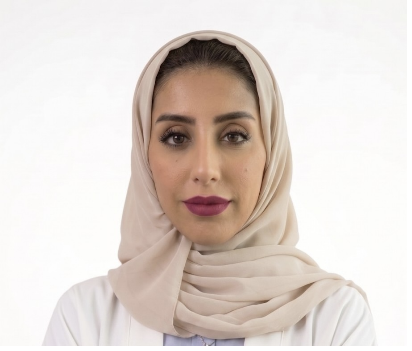
Ohud Alhaqbani is a PhD researcher in the School of Education, Learning and Communication Sciences at the University of Warwick. Her research focuses on adapting and evaluating early numeracy support for autistic children and children with intellectual disabilities in Saudi Arabia, with interests in parent-mediated interventions, cultural adaptation, and inclusive education. She is also a Board Certified Behaviour Analyst (BCBA) and founder of ABA Blue Light, an Arabic platform offering evidence-based behavioural support, training, and resources for families, professionals, and educational settings.
Ohud will reflect on "What Really Supports PGR Success?", discussing how clear supervision, accessible academic guidance, peer connection, an inclusive research culture, realistic expectations, flexibility, and practical support can help PGR students balance research with personal, professional, and caring responsibilities.k
Laurent AHISHAKIYE
Laurent Ahishakiye is a PhD researcher at the Centre for Applied Linguistics, University of Warwick. Having recently passed his viva, he is completing doctoral research on the role of English Language Teacher Associations in promoting teacher professional development and decentring ELT in Sub-Saharan Africa.
A Hornby Education alumnus, Laurent completed his MA TESOL at Warwick in 2019. He has over 15 years’ experience teaching English to speakers of other languages across secondary and tertiary education, including in challenging contexts. He is currently a Lecturer at Rwanda Polytechnic – College of Kigali, and previously taught English and Leadership at the former Akilah Institute in Kigali, Rwanda.
Laurent is an active member of ATER, ALZELC, and IATEFL. He has contributed to numerous teacher training projects and, with ATER colleagues, has secured Hornby Education Trust grants on several occasions. One project he led was presented at the 2024 IATEFL Conference in Brighton and published in the conference selections.
In this panel, Laurent will reflect on his doctoral journey as a complex and often unpredictable process, sharing personal experiences rather than formal recommendations, and offering encouragement to PhD students navigating their own paths.
Sadia Rehan

Sadia Rehan is a PhD Researcher at the Centre for Lifelong Learning, University of Warwick. Her research focuses on male-factor infertility, masculinity, and the cultural dynamics shaping help-seeking among marginalised communities in the UK.
She has a strong background in qualitative research, with particular emphasis on gender, neurodiversity, mental health services, and NGO practice. Her work explores how stigma, identity, and social structures influence access to care. Her wider research and professional interests span identity development and intersectionality, mental health and wellbeing, social relationships and community dynamics, educational and institutional contexts, and civic engagement, rights, and policy.
Sadia is committed to examining how social structures, gender, and culture shape experiences of inequality, identity, and social justice.
In this panel, Sadia will discuss how PGR parents balance academic progress with caregiving responsibilities. She will reflect on the role of flexible study pathways, understanding supervision, family-friendly resources, effective time management, clear prioritisation, and strong support networks at home and within the university in enabling PGRs to succeed in both their research and family lives.
Workshop (Day One):
Thematic review of the literature using NVivo
Fatemeh Azimitaraghdari
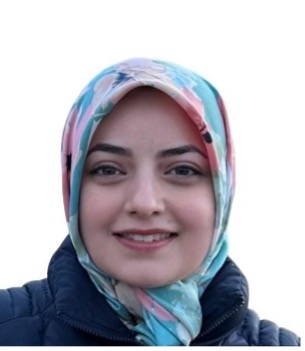
Fatemeh is a PhD Researcher in Education Studies at the University of Warwick. Her research interests lie in TESOL teacher education, with a particular focus on the relationship between research-informed practice and reflective practice. She has collaborated on several research projects with the Warwick International Higher Education Academy (WIHEA), serving as a Research Officer and contributing to qualitative data analysis and thematic reviews. Alongside her research, she is an ESOL lecturer in the UK with over 15 years of experience in English language teaching. Her professional and research experience informs her interest in bridging research and practice in language education.
Workshop Overview:
Thematic review of the literature using NVivo
NVivo is a software mainly used for thematic analysis of qualitative data. The process of literature review is similar to qualitative analysis in many ways. Both involve reading texts to identify recurrent themes, and both are iterative and inductive. In the workshop, we will explore how a literature review can be thematically synthesised in line with Braun and Clarke’s thematic analysis framework, which comprises six stages: data familiarisation, initial coding, theme search, theme review, theme naming, and analytical report preparation. The workshop will begin with an introduction to NVivo’s workspace and will include the following features:
- How to import individual or multiple articles and books or from reference management software like Zotero
- How to code and uncode
- How to make child codes and organise codes to form themes
- How to make notes (memos and annotations)
- How to do a text search across all the literature
- How to visualise metadata
Participants are encouraged to bring their laptops to the session. It is desirable to have downloaded and activated NVivo on your devices prior to the session. Warwick students can find guidance here: Download NVivo
Workshop (Day Two):
Shared Broth, Different Ingredients: Practising Interdisciplinary Expertise in Conducting Interdisciplinary Research
Dr Yanyan Li

Dr Yanyan Li holds a PhD in Applied Linguistics and a Postgraduate Award in Interdisciplinary Teaching and Learning (Distinction) from the University of Warwick. She is a Fellow of the Higher Education Academy (FHEA). She serves as Warwick’s Institutional Representative for the British Academy Early Career Researcher Network and as Co-Chair of the Early Career Researcher Network within Warwick’s Society & Culture Interdisciplinary Research Spotlight. Her research interests span human-human and human-AI interaction, as well as public, digital, and mental health, and research culture. She has published in these areas
Workshop Overview:
Shared Broth, Different Ingredients: Practising Interdisciplinary Expertise in Conducting Interdisciplinary Research
Interdisciplinary research is increasingly valued for its role in addressing complex real-world problems, yet it often brings significant challenges. These include limited resources and opportunities, differences in disciplinary language and methods, and communication barriers that can hinder collaboration and knowledge integration. Institutional structures and reward systems may also under-recognise interdisciplinary work, favouring discipline-specific outputs in hiring, promotion, and publishing, and making interdisciplinary research a riskier career path.
Drawing on experience in conducting, teaching, and supporting interdisciplinary research across Computer Science, Health and Medical Sciences, Chemistry, Literature, and Artificial Intelligence at Warwick and beyond, this workshop offers practical strategies for navigating these challenges. It also builds on work with early-career researchers through the Institute of Advanced Study, the Society and Culture Spotlight ECR Network, and the British Academy ECR Network.
Through hands-on activities and facilitated group discussions, participants will develop key capacities for interdisciplinary work, framed as Interdisciplinary Expertise (IE). The workshop will also address structural and interpersonal challenges, including disciplinary silos, hierarchies, and knowledge asymmetries, and introduce relevant resources and opportunities such as funding, projects, and networks to support interdisciplinary research skills and collaborations.
Workshop Objectives:
- Reflect on their own assumptions about and relationship with interdisciplinarity using visual methods.
- Practice talking across disciplines in a simulated interdisciplinary research design context.
- Explore how interdisciplinary expertise emerges in collaborative work.
- Identify strategies for communicating, negotiating, and integrating knowledge.
- Know resources and opportunities to develop interdisciplinary research and collaborative networks.