
Butterflies at Warwick
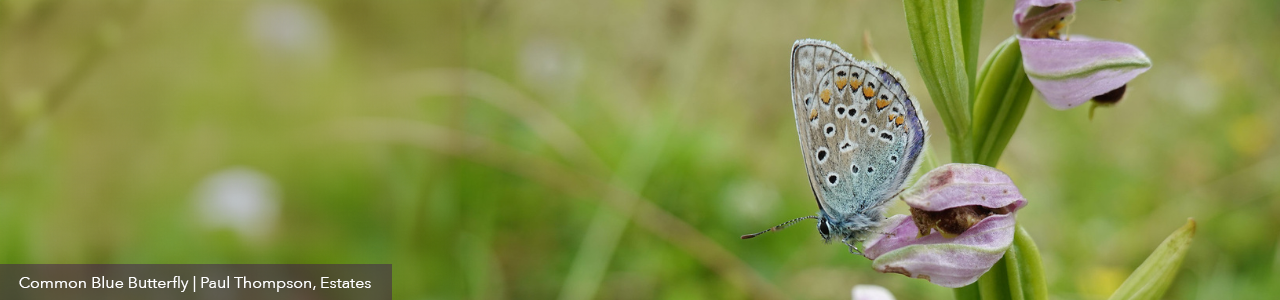
Take part in the Big Butterfly Count
The Big Butterfly Count (12 July - 4 August) is a nationwide UK survey that assesses environmental health by counting butterflies and some day-flying moths.
Butterflies play a vital role in our ecosystem, but their numbers have declined significantly. By tracking species and their numbers, this project supports efforts to combat the impact of climate change on our wildlife.
During your lunch break, why not spend 15 minutes looking for some fluttery friends on campus?
We'd love to see your pictures
When you spot butterflies on campus, please send your photos and recordings to by Tuesday 6 August to help us create a digital showcase. It would be great if you also can let us know where you spotted the butterfly with what.3.words and what species you think it is. Check out our top tips below for photographing butterflies on campus.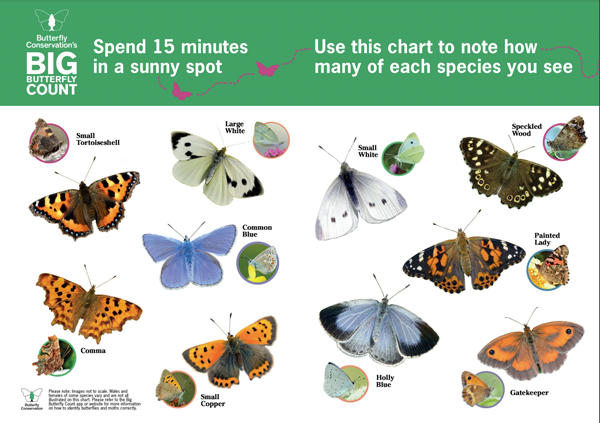
Get started by downloading this handy butterfly ID chart, created by the Butterfly Conservation.
Slow and steady
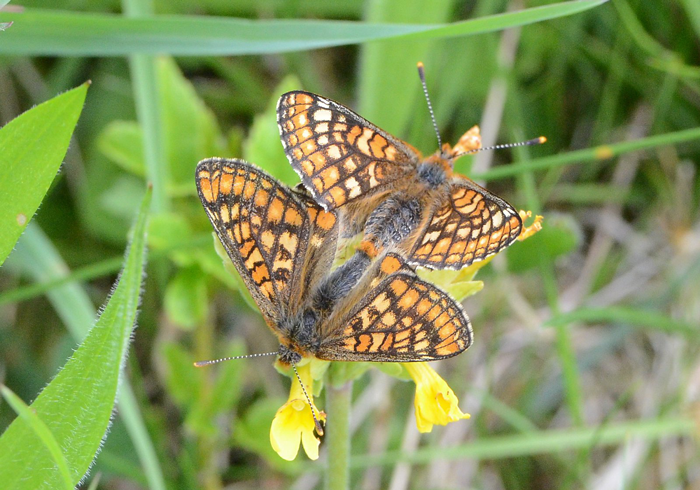
Butterflies are delicate creatures and can easily be startled by shadows and sudden, jerky movements. Approach slowly and quietly, and try to avoid casting your shadow over them.
Watch the weather
The best time to spot butterflies is when it's calm, warm and sunny. They are most active around midday, making it the perfect lunchtime activity to do alone or with fellow colleagues.
Find flowers
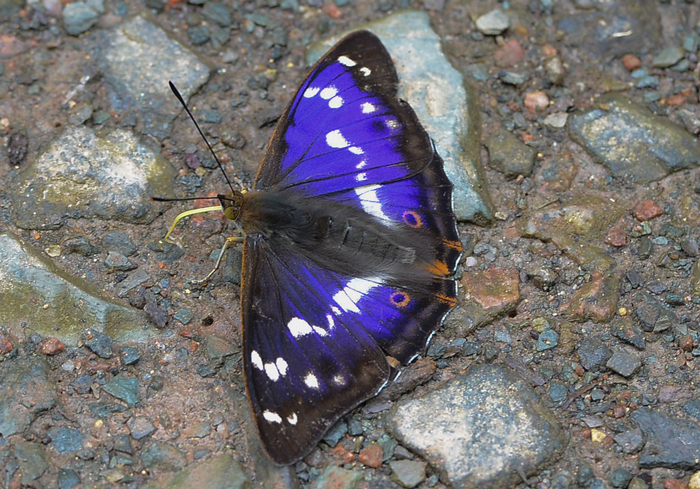
Butterflies can be usually found amongst long grass, hedgerows and flower beds. We recommend visiting the wildflower patches near Warwick Medical School and Warwick Business School, and the flower beds by NAIC.
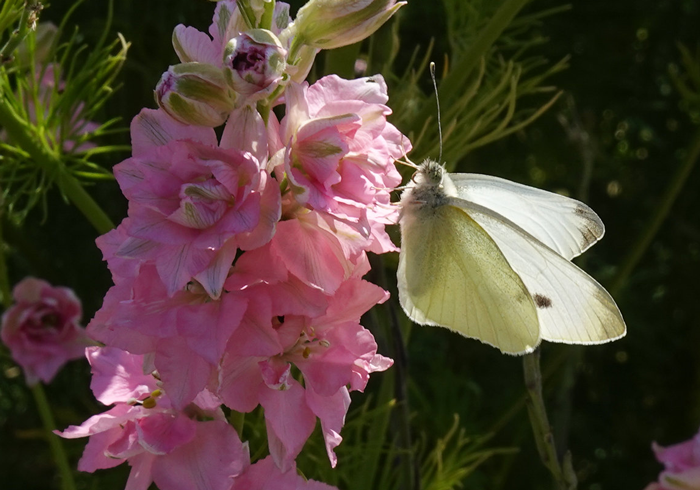
Photography credit: Paul Thompson, Estates (The Kingfisher Whisperer on Flickr)
Butterfly survey
Tuesday 16 July | 1-2pm
Learn about the butterflies we have at Warwick at a campus survey, led by Tara - a volunteer from Butterfly Conservation Warwickshire.
Moth survey
Wednesday 17 July | 9-10am
Join our resident moth enthusiast, Dan Hall, to discover and learn about the moths that live on campus.