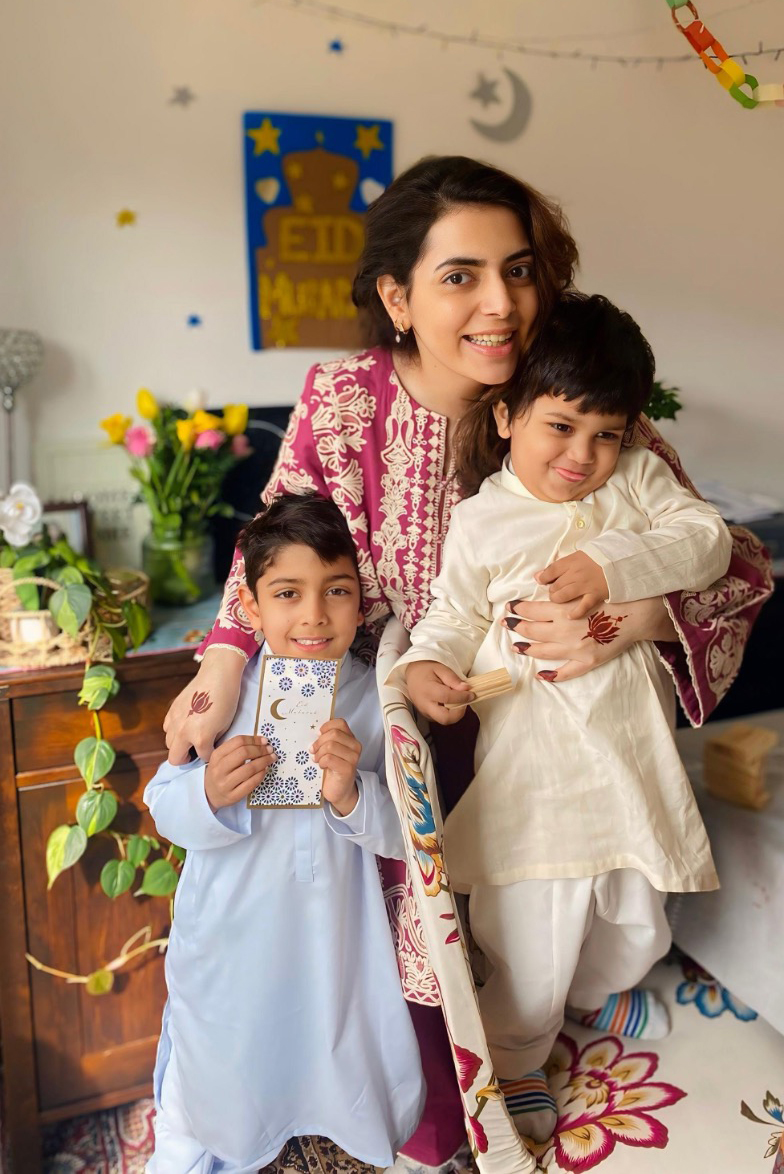
What this day means to me: Eid al-Adha
We spoke to Mahoor Sultan, from MCI & SR, to find out what Eid al-Adha means to her and how she celebrates it with her family.
“Growing up in Lahore, Pakistan, Eid al-Adha was always one of the most special times of the year for me. At its heart, Eid al-Adha is about sacrifice, charity and community. It commemorates the story of Prophet Ibrahim’s willingness to sacrifice what was most precious to him as an act of faith and devotion to God. Today, Muslims around the world mark the occasion through prayer, gathering with loved ones and sharing with others, especially those in need.
The days leading up to Eid fall within Dhul Hijjah, the sacred month during which many Muslims undertake Hajj, the pilgrimage to Makkah, making it an especially meaningful time for many families.
For us, the excitement would begin days before Eid itself. Growing up, I used to go to the markets in Lahore with my mother and sisters to shop for colourful clothes, bangles and little Eid essentials. The night before Eid, we would put henna on our hands and stay up chatting late into the night while everyone prepared for the next morning.
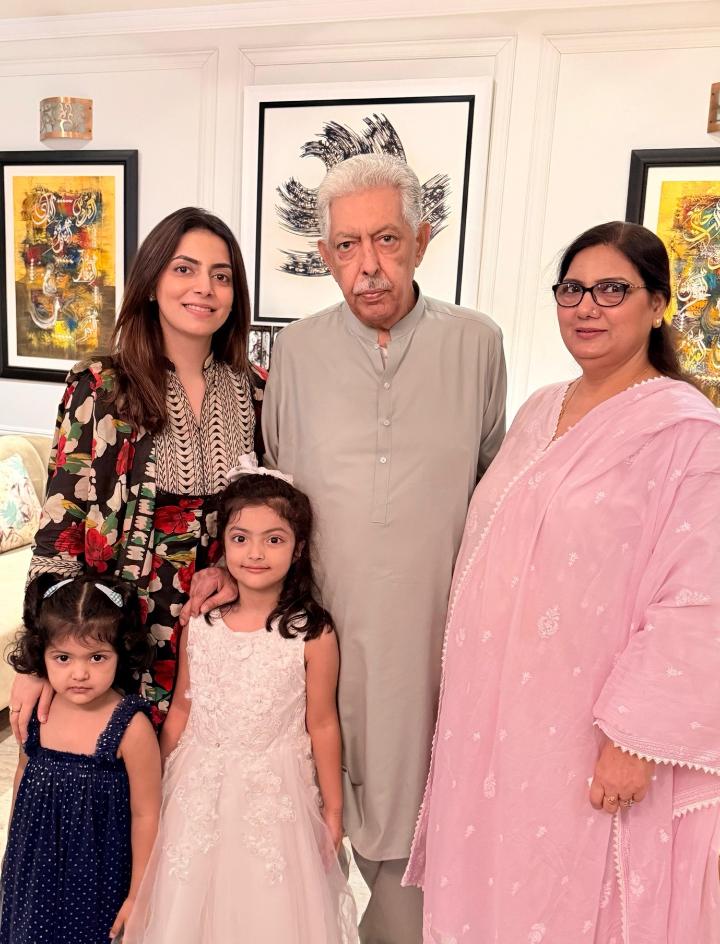

On Eid morning, we wake up early, get dressed in our new clothes and head for Eid prayers. There is something very grounding about that moment. No matter where you are in the world, everyone gathers together in gratitude, reflection and prayer.
When we return home, my mum usually makes Seviyan for breakfast, a sweet vermicelli dish that is very popular in Pakistan during Eid. For me, Eid breakfast has always involved Seviyan and, slightly concerningly, a glass of Diet Cola. It has been my tradition since childhood and somehow nobody in my family has ever stopped me. Some habits survive every generation.
Part of Eid al-Adha also involves the sacrifice of an animal, usually a cow or lamb, in a humane and respectful way. A large portion of the meat is distributed amongst those in need, so the celebration becomes centred around sharing and ensuring others are included too.
Eid is also a time for gifts and Eidi, money traditionally given to children by elders in the family. Growing up, receiving Eidi was one of the highlights of the day. Now, my nieces and nephews have reached the age where they expect gifts from me instead, while I still firmly believe I should qualify for Eidi myself as the youngest child in the family. Unsurprisingly, I have recruited the younger generation to support my case.
The rest of the day is usually loud and full of life. My extended family comes over; everyone is dressed up and there is always far too much food. The aunties gather together talking animatedly, the uncles debate politics and world events, younger cousins start spontaneous cricket matches, and the rest of us spend most of the day taking photographs and catching up with each other.
Celebrating Eid away from home feels different, but many of the traditions stay the same. I am lucky to still have family and friends here in the UK, and we often spend time together in Birmingham during Eid, sharing food and reminiscing about celebrations back home. A lot of the day now revolves around WhatsApp calls, pictures and keeping family traditions alive across different time zones.
Whether it is celebrated in a busy family home in Lahore or quietly with loved ones abroad, the essence of Eid stays the same. It remains rooted in togetherness, generosity and faith.
Eid Mubarak to everyone celebrating."