
What this day means to me: Reserves Day
We're proud to have colleagues who are reservists - giving up their spare time to serve in the Reserve Forces - balancing a civilian life with a military career, so that should their country require them, they would be ready to serve as part of the military. We took the chance to catch up with Claudiu Iordache from Warwick Global Academy who told us more about his experiences as a reservist.
“I joined the Army Reserves because I wanted to give something back to the community I live in. I have lived in Coventry for the past 16 years and felt that joining the Army Reserves was the right thing to do. I’m quite happy I did as it has made me a more robust person, more resilient, both physically and mentally, as well as a better team player.
The Army Reserves fits around my day job. As a reservist, I’m expected to put in a total of 27 days of training per year, which can be done flexibly. This is made up of training nights - our unit 159 Regiment Royal Logistics Corps meets up for training every Wednesday evening. I am also expected to attend training exercises, held over weekends every month or every other month, and a two week annual battle camp. I joined the reserves before starting at the University and when I told my line manager and colleagues that I was part of the Army Reserves they were very supportive.
I was also pleased to learn from my line manager that the University has a policy in place for reservists where you can take paid time off to attend the annual battle camp, without having to use your annual leave entitlement, which is fantastic!
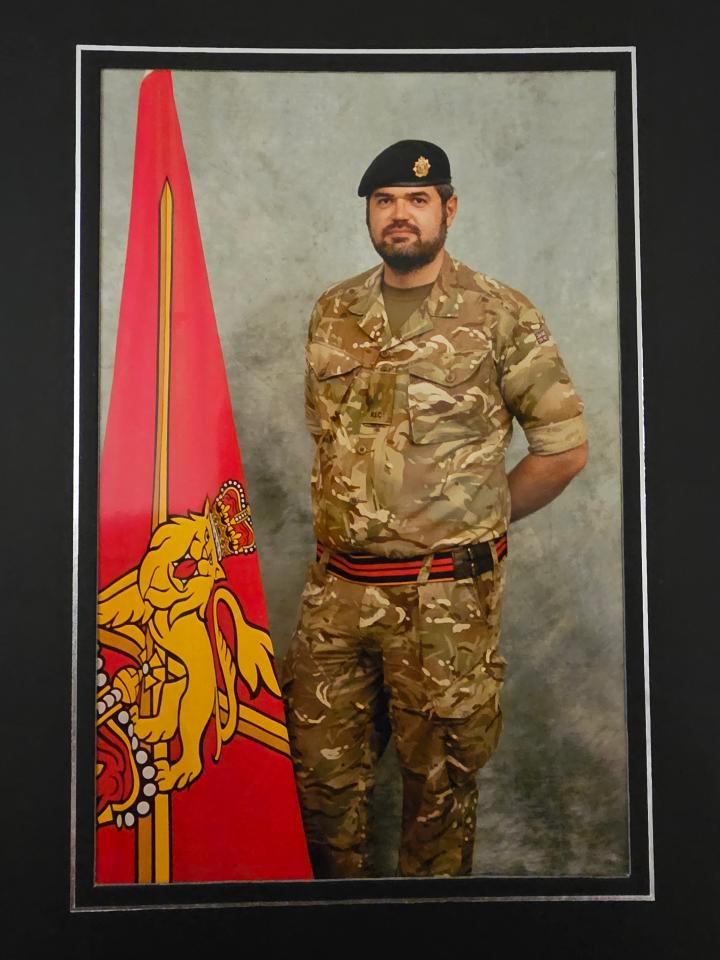
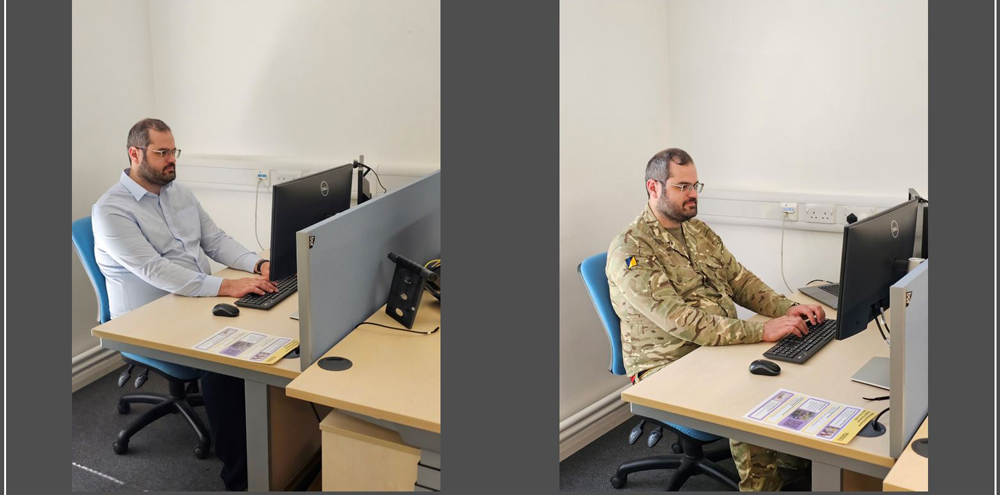
My colleagues in the department that didn’t know I was in the reserves were a little bit surprised when I came into the office wearing my uniform to promote Armed Forces Day and the Army Reserves. I was joking with them that I was surprised they could see me through the camouflage pattern of my uniform. At first, yes, they were all a little bit surprised as they have not encountered someone from the reserves before. Once I explained to them what I was doing and talked more about the Army Reserves they were very supportive and interested to learn more.
Some of the transferable skills I use on a day-to-day basis include communication, planning and teamwork. It is incredible the amount of productivity that can be achieved just by not being afraid to ask questions, looking ahead and preparing for tasks or meetings in advance, but also looking around you to see if anyone needs help and jump in to assist where you can. On top of this, colleagues have mentioned to me that I tend to keep calm under pressure, which in turn helps the whole team keep calm.
I’ve got a lot of memories from being a reservist. On a bright, hot and sunny day in June 2025 I had my Pass Out Parade as a trained soldier which was accompanied by a marching band, making the event even more memorable - you only get to Pass Out once! Also, I was able to take part in a Battlefield Study of Normandy, where I had the opportunity of learning about the Allied invasion of Normandy by seeing first hand the monumental challenges Allied soldiers were faced with. I also tried clay pigeon shooting for the first time, something I have thoroughly enjoyed. This year I am looking forward to taking part in adventurous training, in the form of going skiing in the winter.
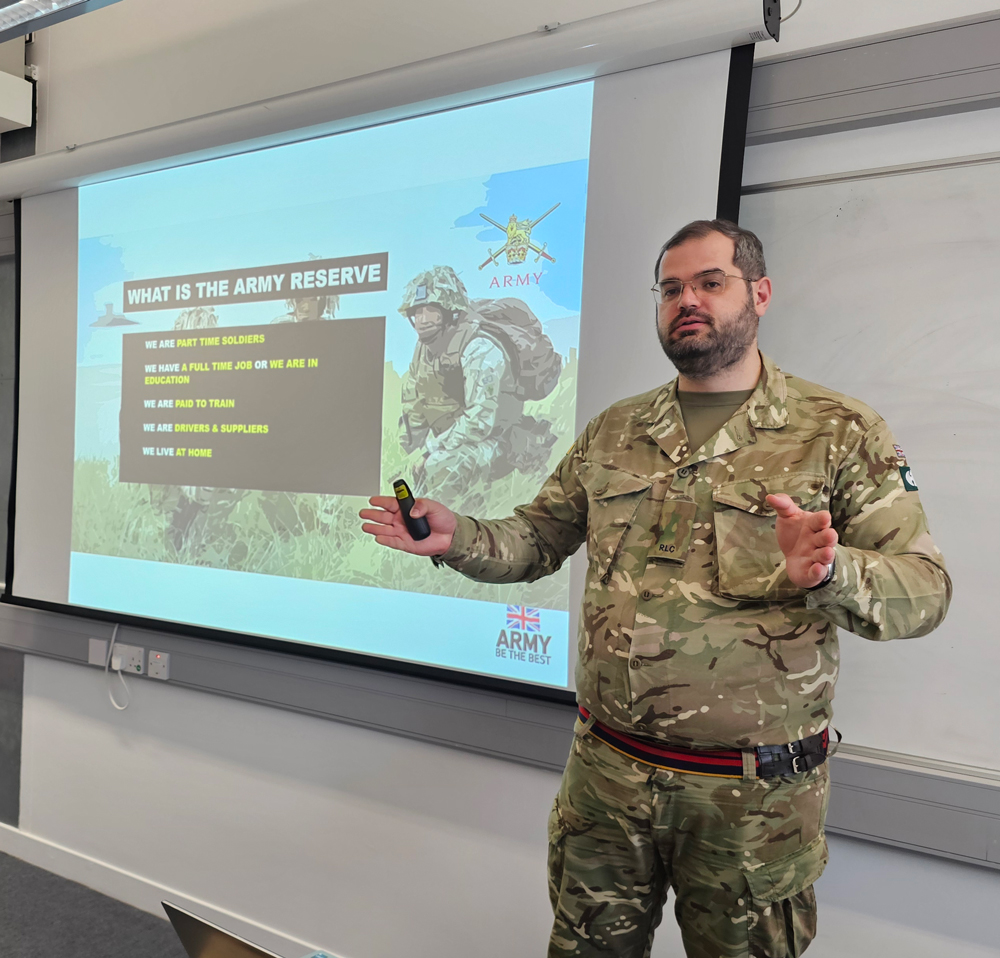
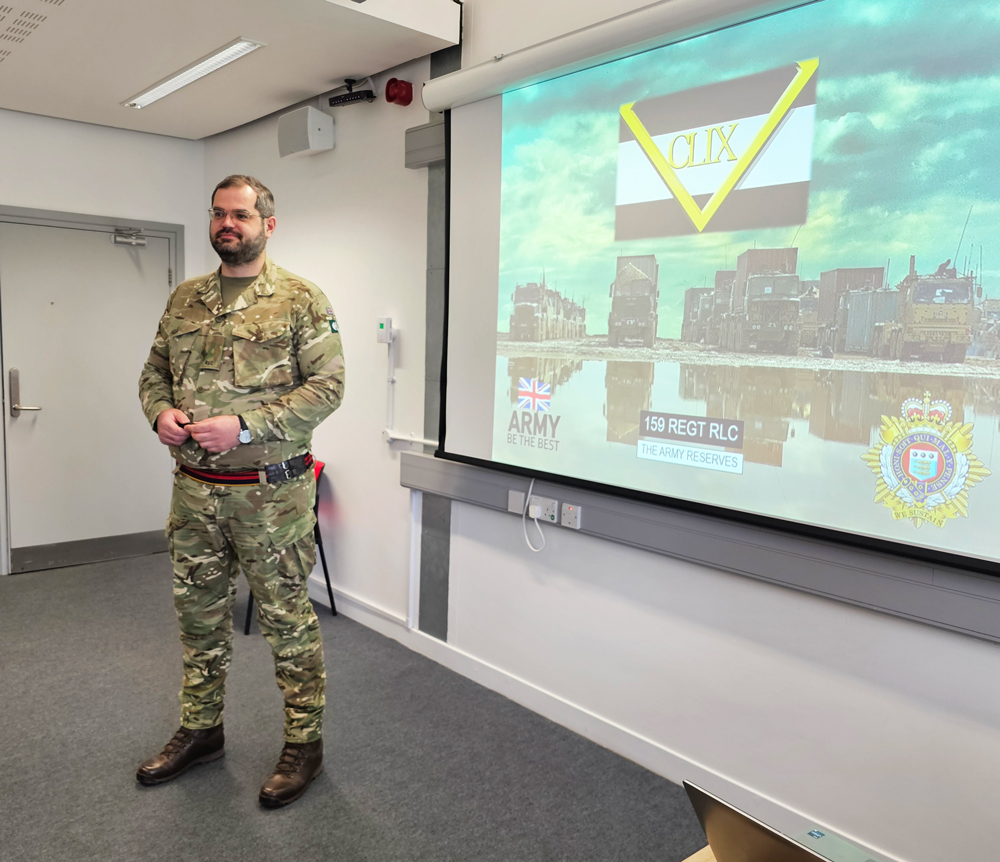
If you’re thinking about signing up, I would actively encourage it! Give it a try! Find a local unit you are interested in, get in touch with them and ask to visit them. This way you get to learn more about the Army Reserve and see first hand if it is something you would like to do. Each regiment and corps has certain specialisations, called trades, that you can undertake once you have completed basic soldier training. There are over 40 different trades to choose from in the Army, for example: chef, supply chain operator, driver, mechanic, medic, dog handler, metalsmith, combat cyber security, armourer, officer and even musician. The Army needs all of them in order to succeed. The best part is that irrespective of your current background the Army will train you to be the best soldier and be the best at your trade that you possibly can be. So even if you have a PhD in Engineering, you can have a completely unrelated trade such as chef, supply chain operator, driver or anything you might want to have a go at. I am a supply chain operator.
One of the great and exciting things you get to experience as part of the Army, regular or reserve, is the friends you make along the way and a sense of camaraderie and belonging that is usually lost in today’s digital age. Not to mention the fact that you can earn civilian qualifications while in the Army. I am looking forward to obtaining my cat C driver licence which will enable me to drive and operate large vehicles.”