
Clanking chains, condemned cries and a phantom coach
As Spooky Season creeps ever closer, we've taken a Halloween investigation in the archives to uncover the stories behind some of the eerie place names on and around campus. Ever wondered what happened on Gibbet Hill? Why is a student accommodation block called Cryfield? And how did the University end up naming campus buildings after convicted murderers?
Pull up a chair. We've done the digging, so you don't have to.
The grim reputation of Gibbet Hill and Cryfield
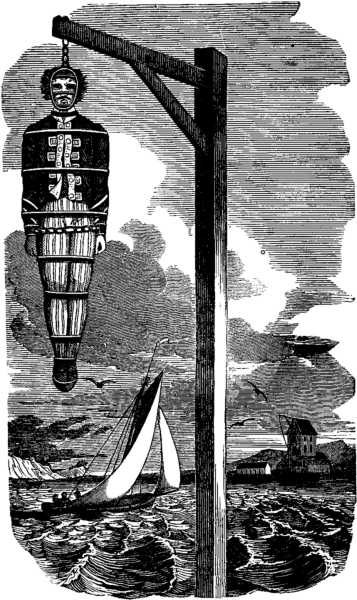
Long before the University stood on Gibbet Hill, the site had a much darker purpose. In the 18th century, a towering wooden gibbet, a structure used for public executions and displaying criminals, stood prominently on the hilltop.
Often reserved for traitors, robbers, murderers and highwaymen, gibbets were typically placed beside busy roads or crossroads. The intention was clear, to serve as a warning to anyone tempted to follow a similar path.
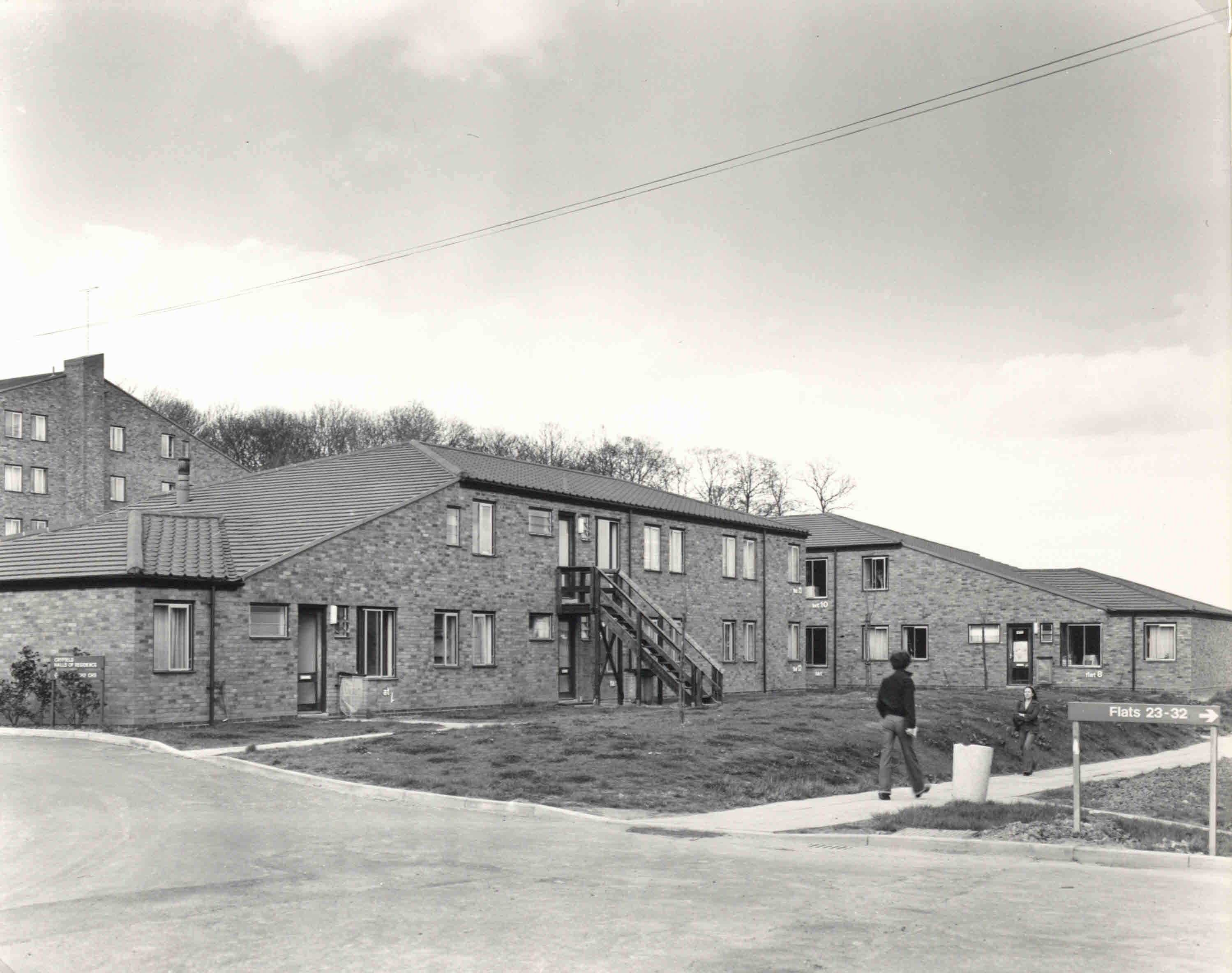
Which brings us to Cryfield. The history books suggest the name Cryfield developed from a corruption of ‘croiles felda’ – ‘open land by the fork’. However, a Boar journalist reported in the 90s that the area may have been used to hold prisoners the night before their execution. Apparently the cries of the condemned could be heard for miles around, lending the area its name, or at least giving it a chilling reputation. If that wasn't enough, when the University was planning large-scale student accommodation in the 1960s, the original design used for Cryfield was reportedly based on a Swedish women's prison.
Some former residents might even say the resemblance was a little too convincing. Alongside compact rooms, the corridors are said to be purposefully designed to be ‘too narrow to throw a punch’. Adding to the mystery, there have been tales of strange noises from nearby woods, unexplained rustling in the darkness and shadowy figures seemingly moving against the wind. Even the gibbet's chains, reportedly stored at Gibbet Hill Farmhouse, where the hangman once lived, were said to clang ominously on stormy nights.
Don't have nightmares though. A search of the Modern Records archives uncovered plenty of stories, but no evidence of ghostly residents.
Hurst and Redfern Accommodation
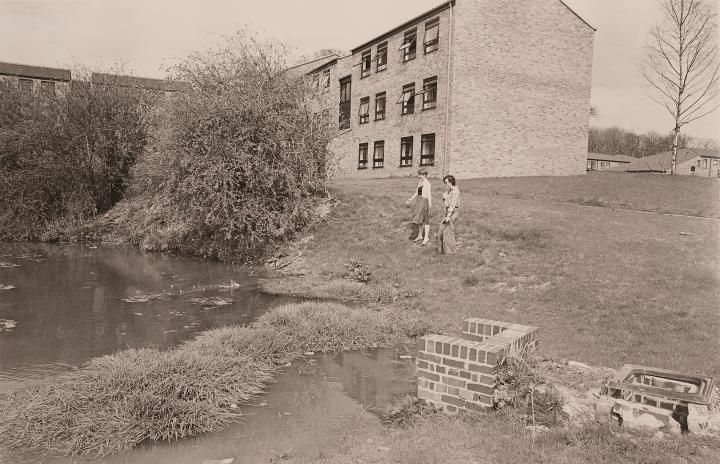
While the local hamlet of 'Hurst' may have been one inspiration behind the name, back in the 90s a Boar journalist suggested that the former Hurst and Redfern campus residences were actually named after notorious criminals. James Emmanuel Hurst and Michael Wallace Redfern, two local figures whose notoriety stemmed from murder cases that ended in execution.
Hurst (1745-1784) was executed after being convicted of murdering his wife, their three children and his wife's lover. According to historical accounts, he discovered an affair involving local clergyman John Woodham before embarking on his tragic and violent rampage.
Meanwhile, Redfern (1776-1831) took his own life the night before he was due to be hanged for the murder of his brother, Oliver. Reports suggest jealousy over his brother's success, combined with overwhelming personal debts, may have played a role. Redfern maintained his innocence to the end.
Not the inspirational figures you might expect to find lending their names to student accommodation. Maybe that’s why they’ve been demolished...
The Phantom Coach
And if you've ever stopped by The Phantom Coach pub just outside campus and wondered how it got its name, the clue is very much in the title. Local legend tells of a ghostly horse-drawn coach that haunts the area near the pub, appearing and disappearing without warning.
So next time you're enjoying a drink there, keep one eye on your pint and the other on the road outside.
Have you heard any stories about spooky happenings across campus? Share them below and we might feature the best ones in a future issue. Sign in to post a comment.
Messages should respect our community guidelines on commenting. Link opens in a new window