
What this day means to me: Vaisakhi
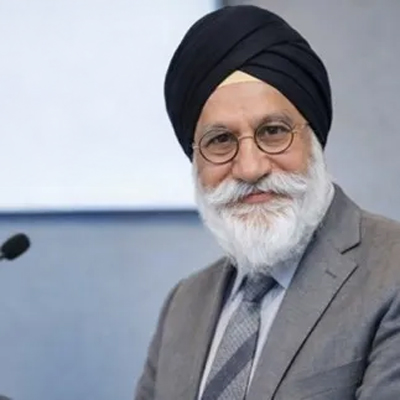
We spoke to Dr Gurnam Singh, Honorary Professor of Sociology and Sikh Faith Adviser, to hear what Vaisakhi means to him and its importance to the Sikh community.
“For me, Vaisakhi isn’t just a religious festival or a date when there’s a bit more colour around. It’s a moment in the year that makes me stop and reconnect with my faith, my community, and the values that guide how I live and work, including here at Warwick.
Growing up in the UK, Vaisakhi was always important, but it was often celebrated quietly. Like many Sikh families, mine was focused on building a life and getting on with day‑to‑day responsibilities. Faith was something we carried with us, even if it wasn’t always very visible. From an early age, I learned that Vaisakhi marks a powerful moment in Sikh history, namely, the creation of the Khalsa in 1699, by Guru Gobind Singh, the tenth and last living Guru of the Sikhs. The Khalsa was a community of warrior saints committed to non-discrimination and standing up for what’s right, and taking responsibility not just for themselves, but for others too.
Vaisakhi is also about renewal and togetherness. It has its roots in a harvest festival, so gratitude plays a big part, but there’s also a strong message about equality and collective responsibility. Those ideas feel especially relevant in a workplace like a university, where collaboration, mutual support, and learning from one another are central to what we do. On campus, we bring together people from different cultures, beliefs, and backgrounds every day. Vaisakhi reflects that same idea, that diversity is a strength and that shared values like respect, kindness and fairness matter more than differences.
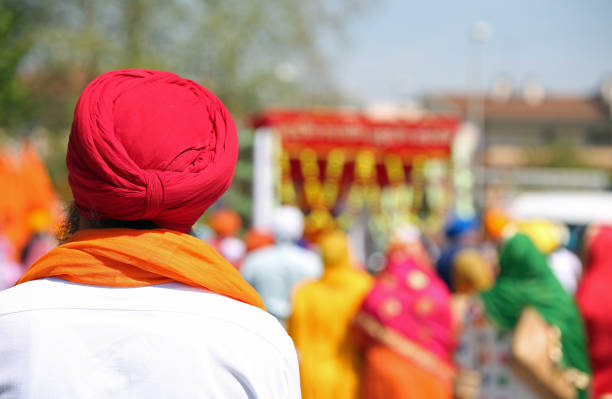
Over the years, as the Sikh community has grown in numbers, Vaisakhi has become much more open and visible, typically celebrated with street processions called ‘nagar kirtan’ in a spirit of joy and unity. There’s singing of sacred scriptures, food being shared freely, families and friends walking together, and everyone is welcome. You don’t need to be Sikh to join in. In fact, I often see colleagues, students, and local residents coming along simply to experience it. It feels less like a strictly religious event and more like a community celebration.
Being a minority community with a distinct outward identify in most places, can sometimes feel challenging for Sikhs. However, Vaisakhi helps counter that by bringing people together and creating a real sense of confidence and pride. It’s especially encouraging to see younger Sikhs celebrating their identity so openly and positively. When the celebrations end the message of Vaisakhi stays with me. It shapes how I approach my work, how I treat others, and how I try to respond to challenges with optimism. That, ultimately, is what Vaisakhi means to me, not just one day of celebration, but values that carry through the whole year.”
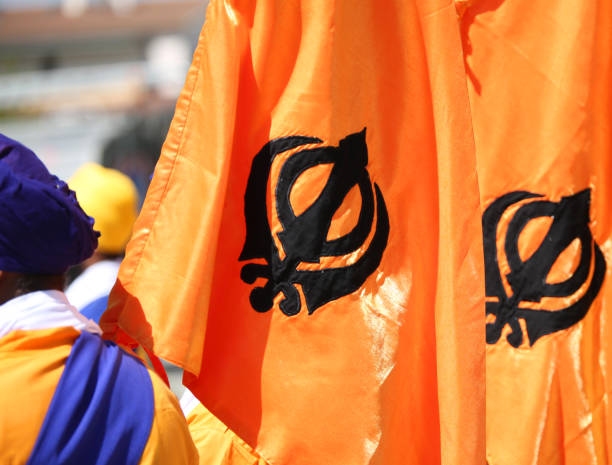
The BBC One ShowLink opens in a new window aired a segment to coincide with the Sikh spring festival of Vaisakhi, partly filmed in our very own FAB. The programme looked at how Dr Harjinder Lallie OBE (WMG) has been working to ensure the longevity of traditional Sikh instruments and music. Fast forward to 13 minutes to watch.