
AAMAS 2027 - Hanoi
Hanoi
The 26th International Conference on Autonomous Agents and Multiagent Systems
History of Hanoi: The Rise of Thang Long
Hanoi, the capital of Viet Nam, is a city where history, culture, and modern life come together in a uniquely captivating way. Beyond the conference venue, participants of AAMAS 2027 are invited to discover a city of ancient streets, meaningful historical landmarks, rich academic traditions, and vibrant local experiences.
Hanoi’s history dates back thousands of years, but its official birth as a capital happened in 1010, when King Ly Thai To moved the country’s capital to this fertile region. He named it Thang Long (meaning "Soaring Dragon") after reportedly seeing a golden dragon ascend from the Red River.
In 1831, during the Nguyen Dynasty, the city was renamed Ha Noi (literally "Inside the Rivers"), describing its geographic location nestled between the Red River and its tributaries. Hanoi later served as the capital of French Indochina, which left behind a striking legacy of colonial architecture, wide boulevards, and a vibrant cafe culture. In 1945, President Ho Chi Minh declared independence here, and it officially became the capital of a unified Vietnam in 1976.
Activities
Early May in Hanoi is typically hot and humid, with daytime temperatures around 30–34°C (86–93°F). Brief afternoon or evening showers are common, so lightweight clothing, sun protection, and a small umbrella or rain jacket are recommended.
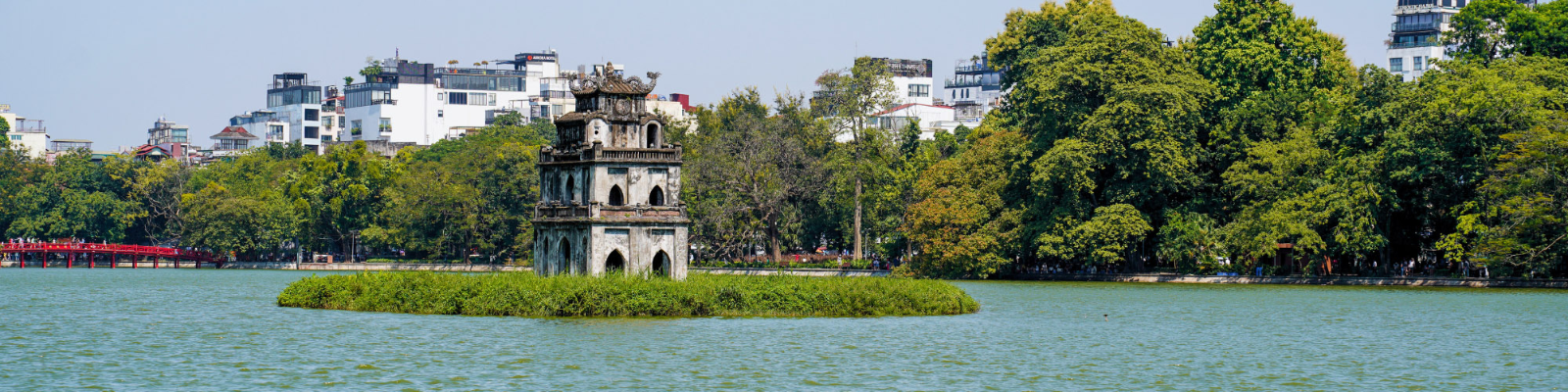
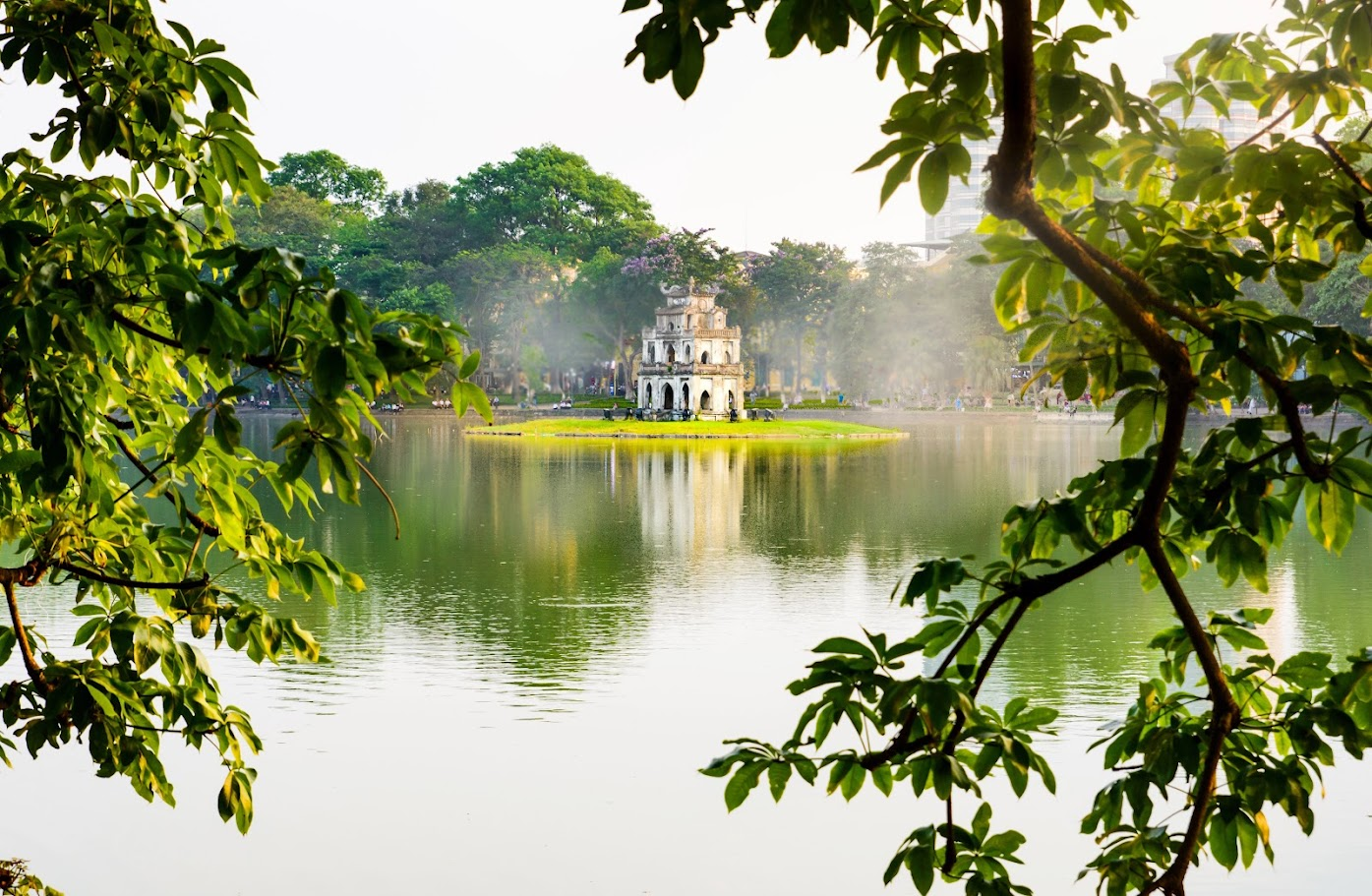
Hoan Kiem Lake
Located in the heart of Hanoi, Hoan Kiem Lake is one of the city’s most beloved symbols. More than a scenic destination, the lake carries deep cultural meaning through the legend of the returned sword, reflecting the spirit of peace, resilience, and national pride. Surrounded by tree-lined walkways, historic streets, cafés, and local life, Hoan Kiem Lake offers visitors a gentle introduction to the soul of Hanoi.
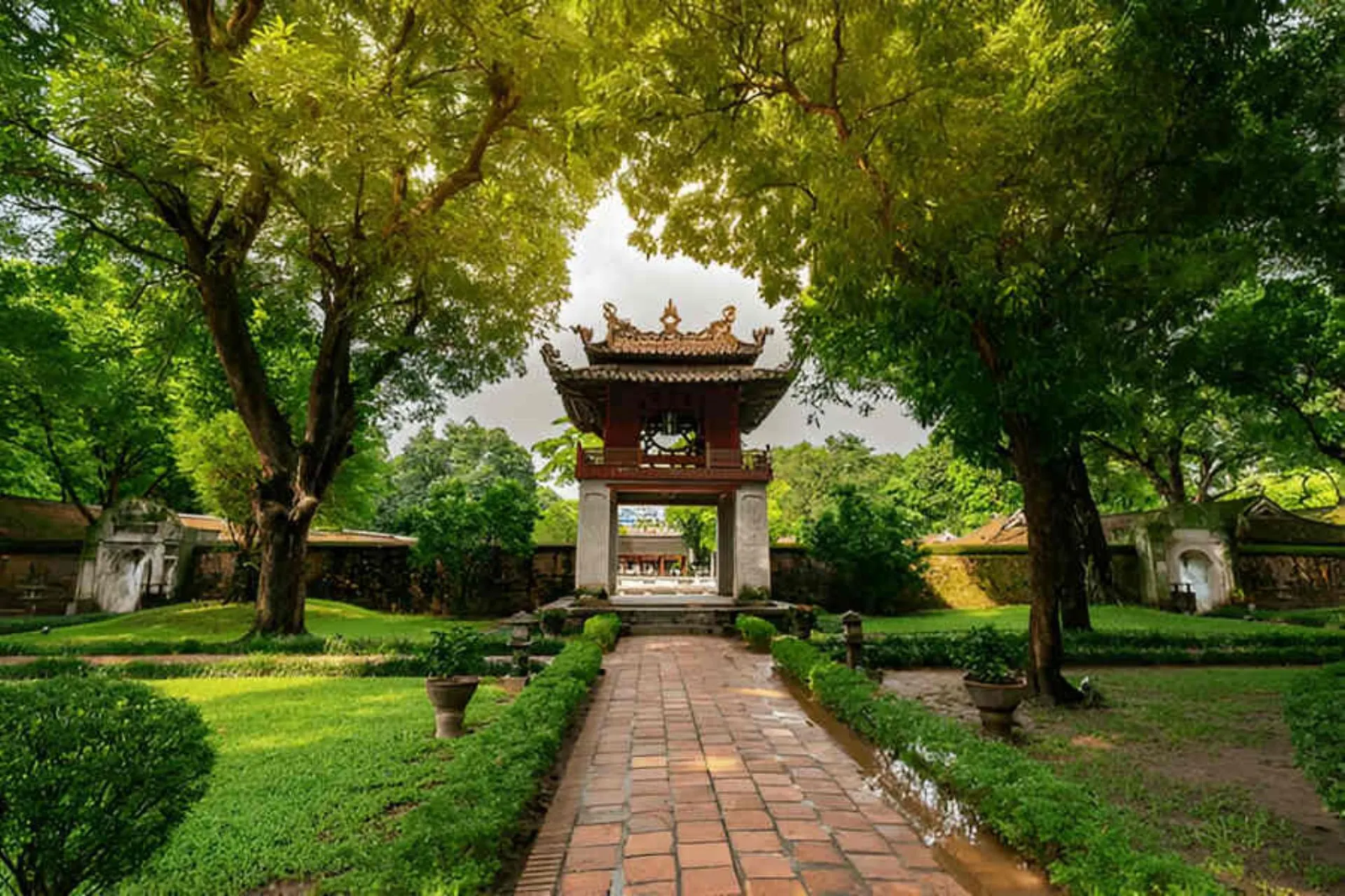
Temple of Literature
The Temple of Literature is one of Hanoi’s most treasured historical sites and a powerful symbol of Viet Nam’s respect for education and knowledge. Established in the 11th century, it is known as Viet Nam’s first national university. With its peaceful courtyards, ancient stone steles, traditional architecture, and scholarly atmosphere, the Temple of Literature offers visitors a journey into the country’s long-standing academic and cultural traditions.
Ho Chi Minh Mausoleum Complex
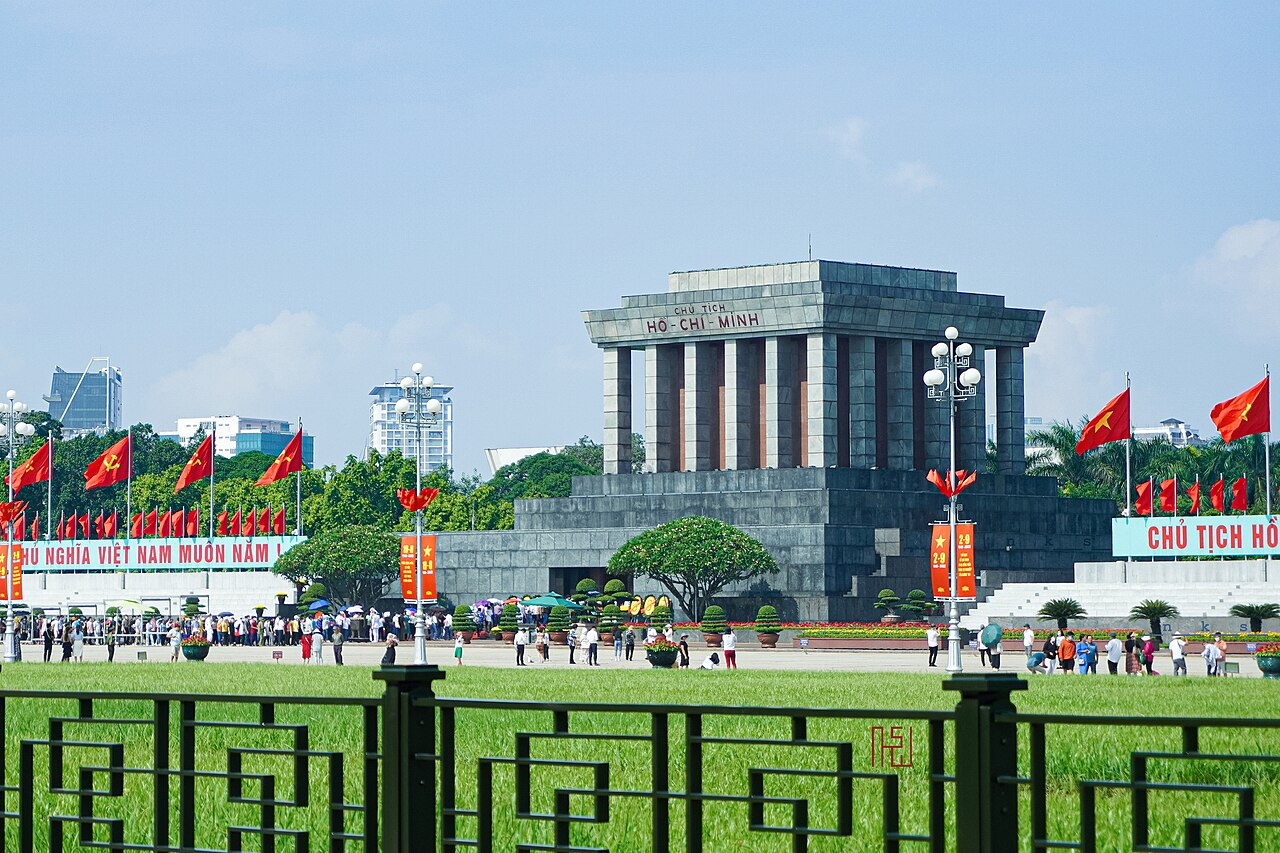
The Ho Chi Minh Mausoleum Complex is among the most significant historical and cultural destinations in Viet Nam. Located at Ba Dinh Square, where President Ho Chi Minh read the Declaration of Independence in 1945, the complex carries profound national meaning. Visitors can explore the Mausoleum, the Presidential Palace area, Ho Chi Minh’s Stilt House, the One Pillar Pagoda, and surrounding gardens. This is not only a place of remembrance, but also a place to better understand Viet Nam’s modern history, national identity, and the simple yet inspiring life of President Ho Chi Minh.
Hanoi Opera House
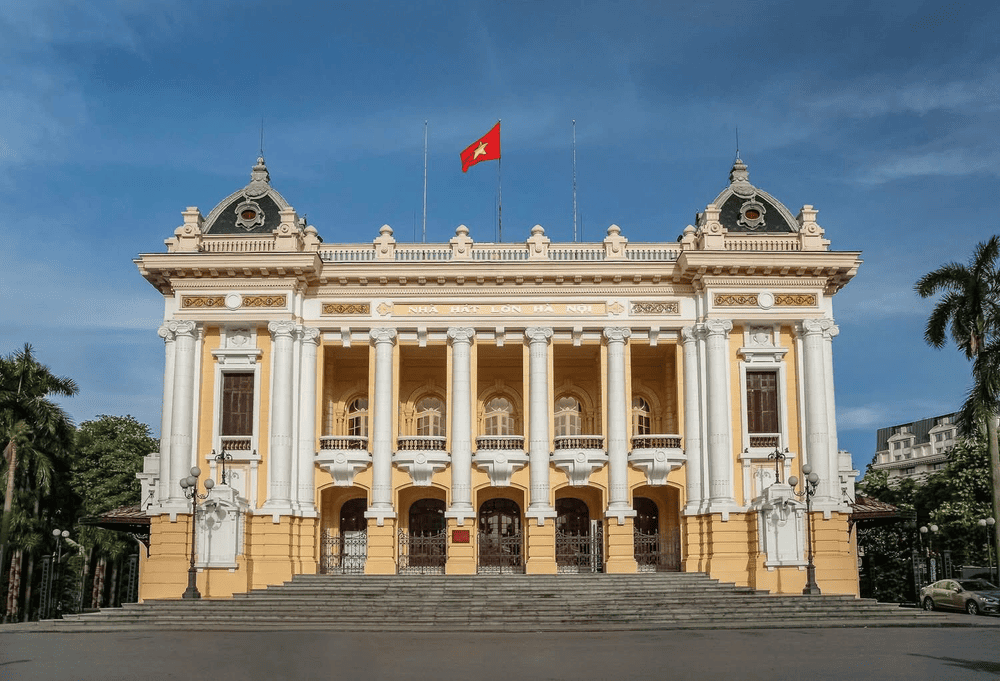
The Hanoi Opera House is one of the city’s most elegant architectural landmarks. Built in the early 20th century, it reflects the influence of French colonial architecture while standing today as a proud cultural symbol of Hanoi. With its grand façade, refined details, and central location, the Opera House has witnessed many important artistic and public events. For visitors, it offers a glimpse into Hanoi’s cultural sophistication and its role as a meeting point between history, architecture, and the performing arts.
Hanoi Train Street
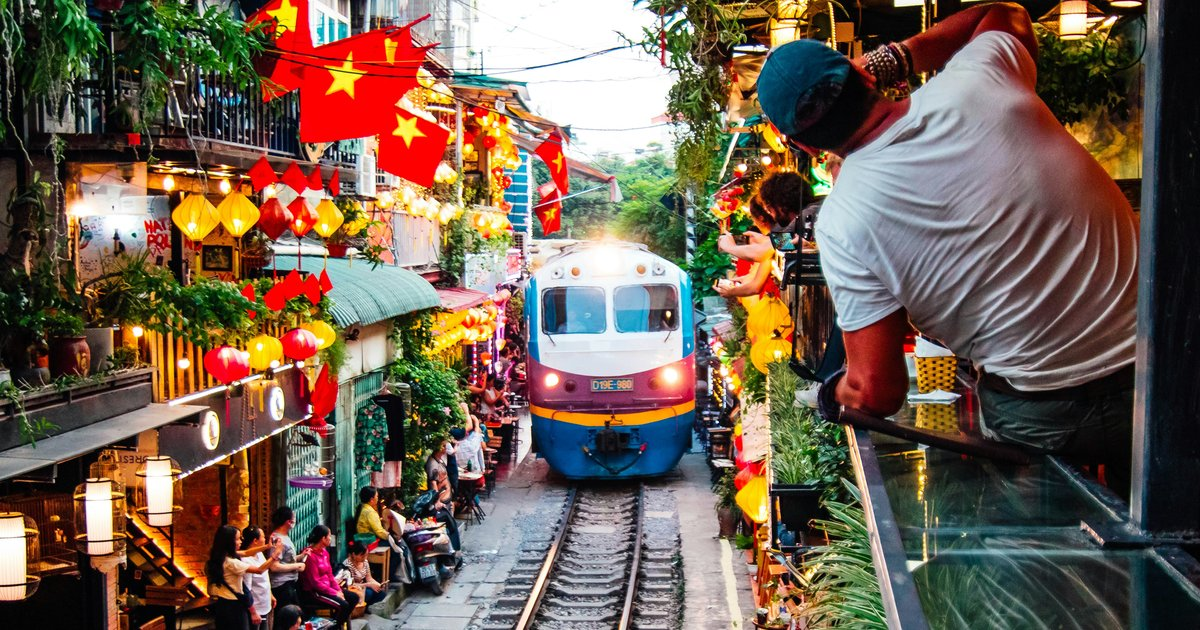
Hanoi Train Street is one of the city’s most distinctive urban experiences. Set along a narrow railway corridor lined with small houses and cafés, it reflects the close connection between local daily life and the city’s historic railway system. Visitors can observe the charm of Hanoi’s residential neighborhoods, enjoy local cafés, and experience a unique side of the city that is both lively and memorable.
Bat Trang Pottery Village
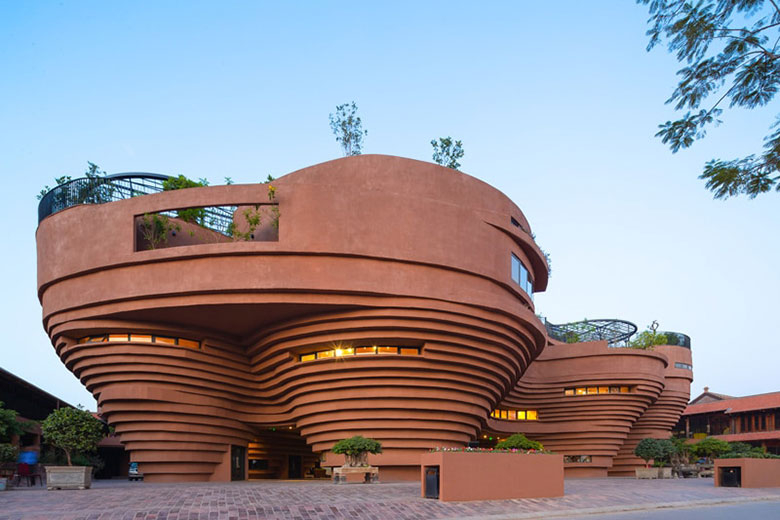
Located on the outskirts of Hanoi, Bat Trang Pottery Village is a traditional craft village with a history of ceramic making that spans centuries. The village is a living museum of Vietnamese craftsmanship, where visitors can watch artisans shape, paint, and fire ceramic products by hand. From delicate household items to decorative artworks, Bat Trang offers an authentic cultural experience and a deeper appreciation of Viet Nam’s traditional artistry.
Hanoi Nightlife Essentials
- Hanoi is generally considered a safe city for tourists, including at night in popular areas such as the Old Quarter and Hoan Kiem Lake.
- Taxis, ride-hailing apps such as Grab, and electric buggy services are widely available around the city centre.
- Hanoi’s nightlife is more relaxed and cultural compared to major party cities, with visitors enjoying rooftop bars, live music cafés, beer streets, and night markets.
- Ta Hien Street in the Old Quarter is one of the most popular nightlife spots, famous for local beer (“bia hơi”), street food, and lively international crowds.
- Many cafés and bars around Hoan Kiem Lake offer beautiful nighttime views and traditional Vietnamese coffee experiences.
- Weekend walking streets around Hoan Kiem Lake often feature live music, cultural performances, and local street activities.