Eggs & Embryos
Introduction
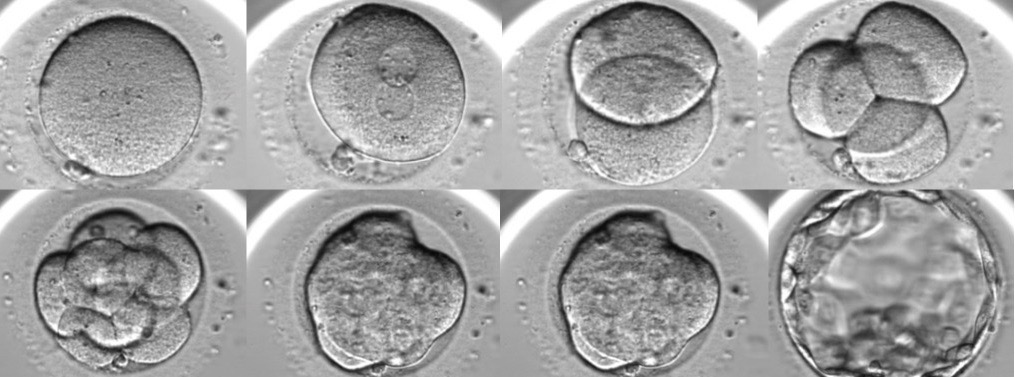
Human reproduction is highly inefficient by nature, with only ~30% of conceptions resulting in live births. The most common cause for reproductive failure and pregnancy loss is when the early embryo possesses the wrong number of chromosomes (aneuploidy). This is often incompatible with further development. Our project is trying to understand the molecular mechanisms that underly the high failure rate by asking one main question; how is the number of chromosomes controlled in the very first stages of human development?
A specialised cell division called meiosis produces eggs and sperm (gametes). Problems in meiosis cause a high proportion of human eggs to be faulty. Such eggs may have the wrong number of chromosomes, and this occurs more often in older women. This is known as the ‘biological clock’ of human female fertility.
Possession of the correct number of chromosomes is essential for normal human development. Therefore, fertilisation of such aneuploid eggs with a sperm can result in infertility, miscarriage, or genetic syndromes such as Trisomy 21 Down Syndrome. We aim to understand the biological processes that control the chromosome number in human eggs and early embryos, and determine if there are any changes in reproductively challenged patients. Our team of clinical reproductive scientists and cell biologists uses advanced microscopy to fluorescently label and examine structures inside human eggs and early embryos. We apply these methods to undertake research on meiosis in human immature eggs, and mitosis in the first division of the fertilised egg. We anticipate that our work will provide a better understanding of the pathways that control chromosome number in human eggs and inform future work to diagnose and treat infertility.
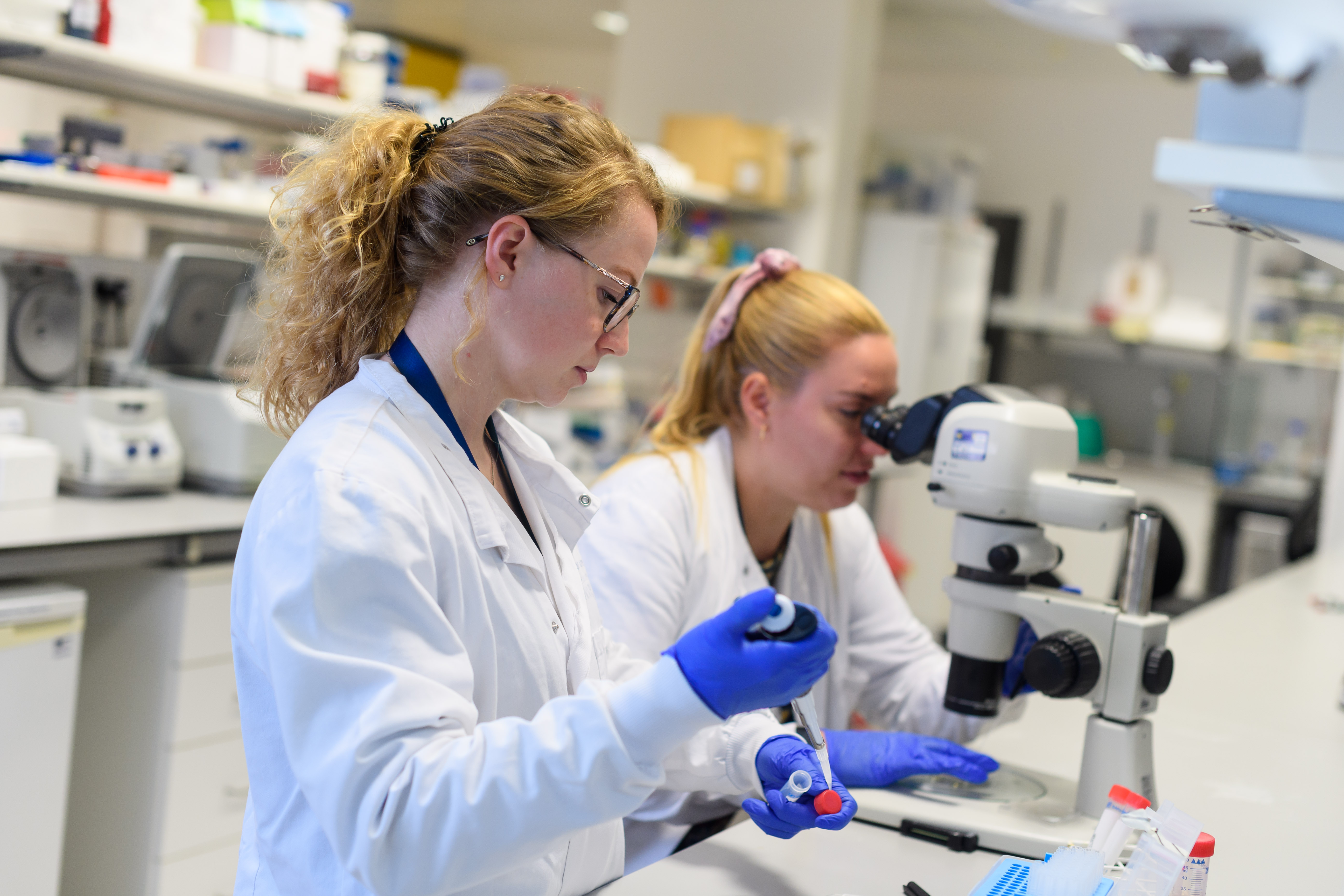
This project is performed in collaboration with Centre for Reproductive Medicine (CRM) at UHCW. The CRM provides access to oocytes and embryos donated to research by fertility patients and supports many research programmes at University.

This is a collaborative project with research groups at the University of Edinburgh:
Adele Marston (Wellcome Centre for Cell Biology), Richard Anderson (Centre for Reproductive Health) & Evelyn Telfer (School of Biological Sciences).



Meet the Project Team

Professor Geraldine Hartshorne
Scientific director of the Centre for Reproductive Medicine (CRM UHCW)
University researchers

Dr Aleksandra Byrska
Research Fellow

Dr Muriel Erent
Research Fellow

Dr Cerys Currie
Research Fellow
CRM Research Team

Dr Deborah Taylor
Higher Specialist Embryologist

Soultana Kotsiopoulou
Research Midwife

Emuobosa Oputu
Fertility research sister

Adepeju Adedeji
Assistant Research Practitioner
Vijya Jogiyat
Assistant Research Practitioner

Research Directions:
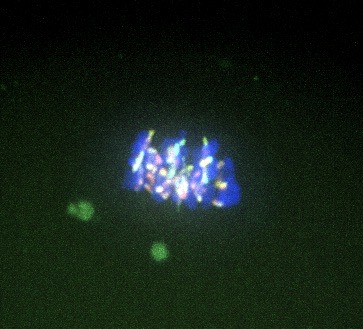
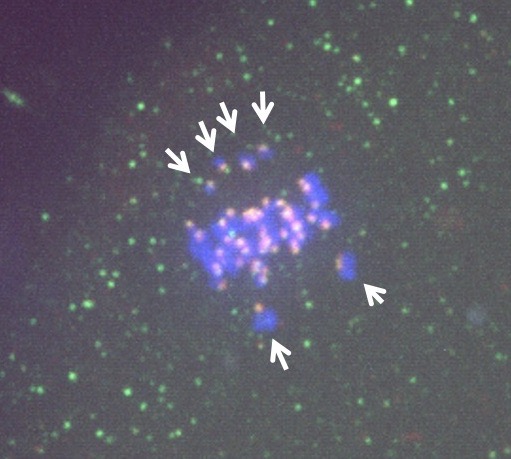
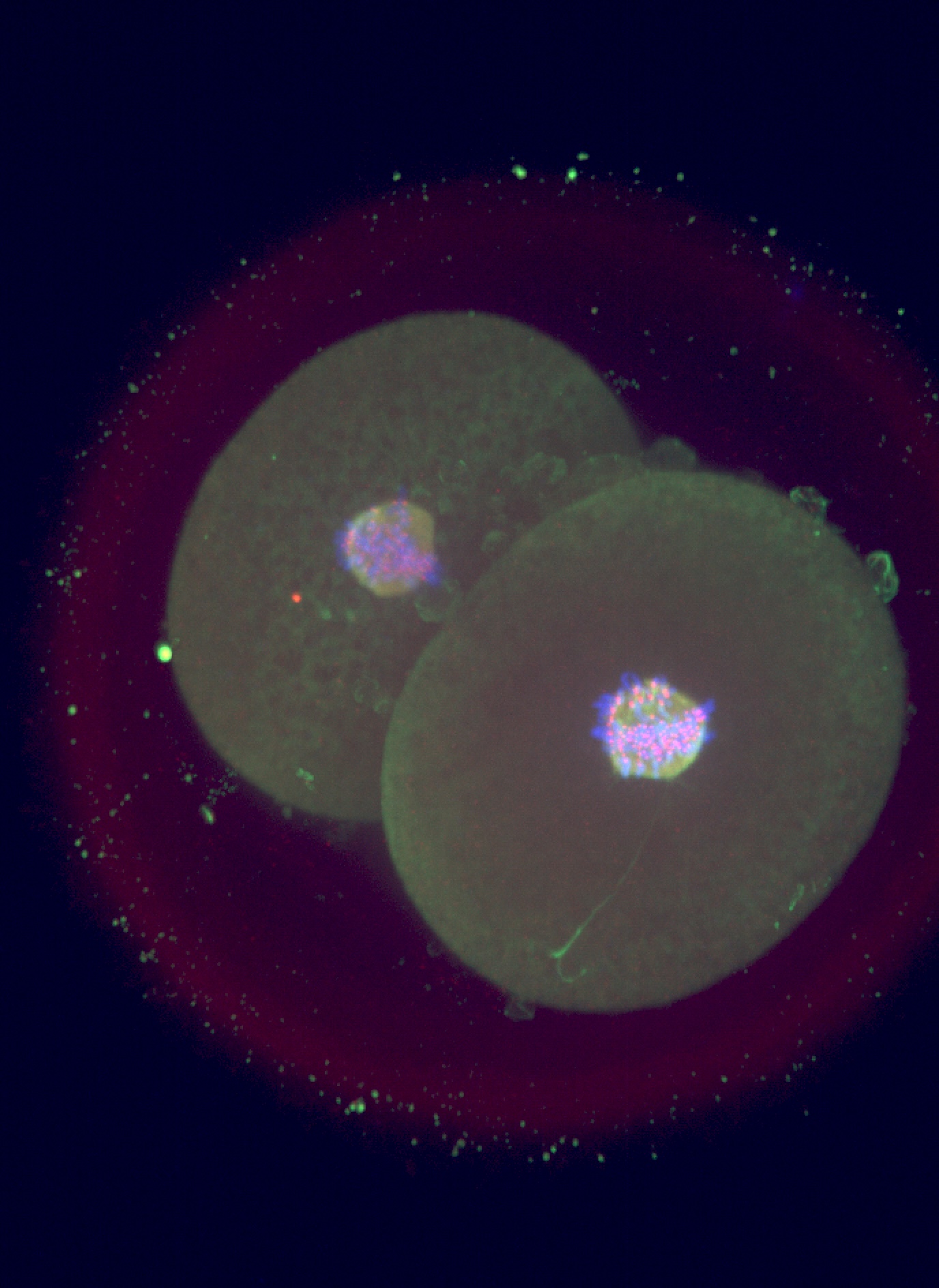
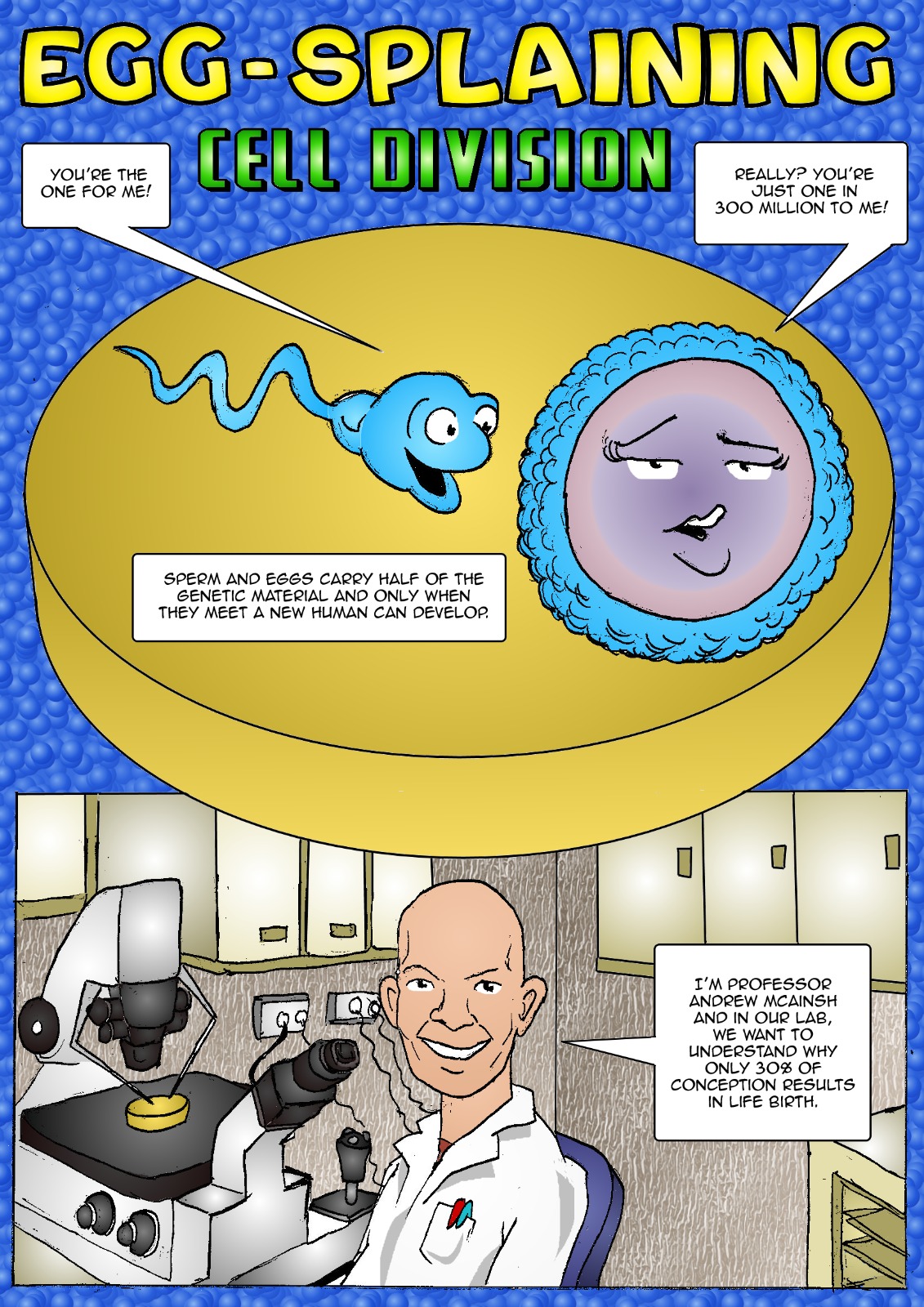
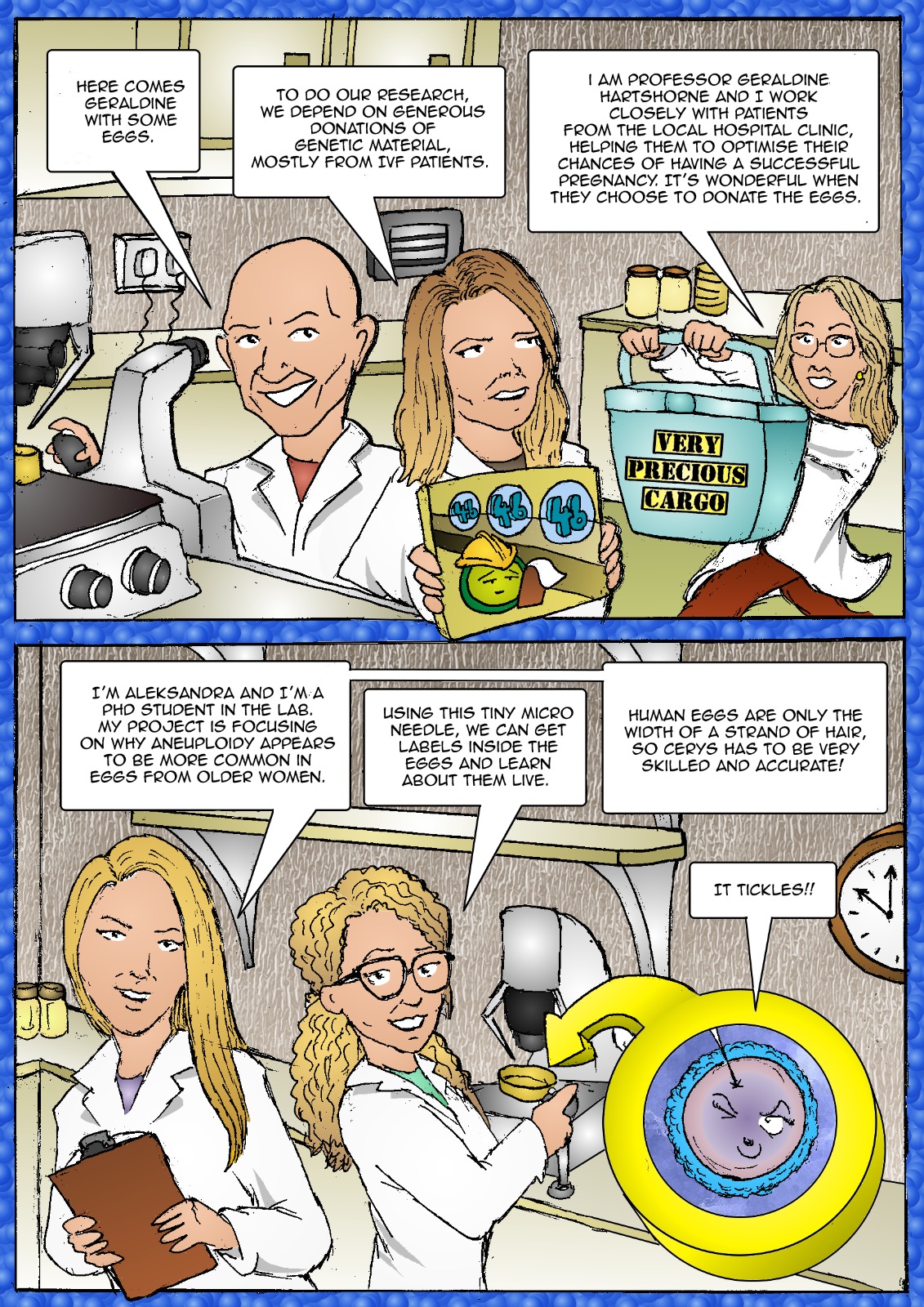
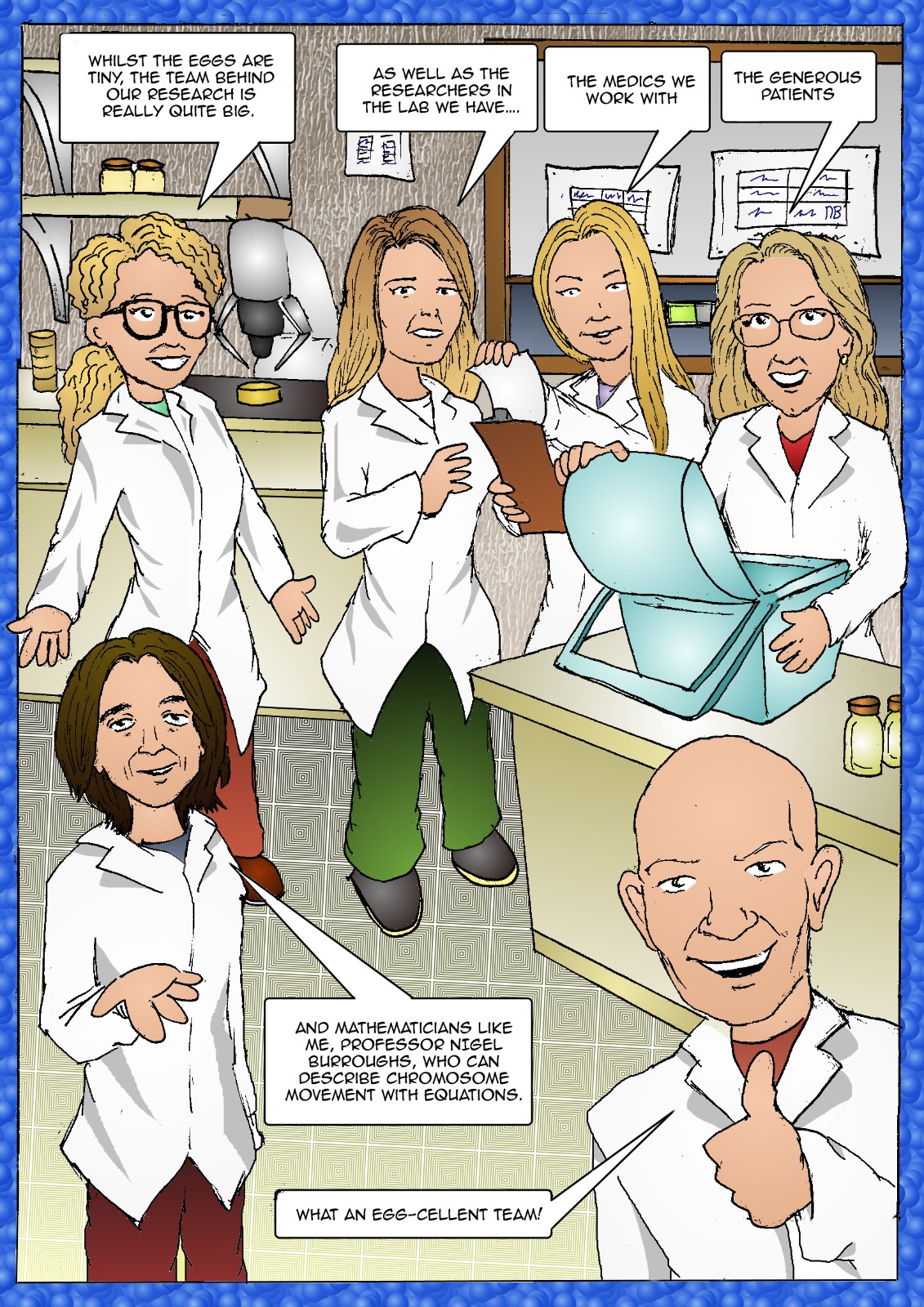
See the comic strip about our research below:

Recent Publications
Patel et al., 2015: Unique geometry of sister kinetochores in human oocytes during meiosis I. Biology Open, DOI: https://doi.org/10.1242/bio.016394
Currie et al., 2022: The first mitotic division of human embryos is highly error prone. Nature Communications, DOI: https://doi.org/10.1038/s41467-022-34294-6
Mihalas et al., 2023: Age-dependent loss of cohesion protection in human oocytes. Current Biology, DOI: https://doi.org/10.1016/j.cub.2023.11.061
New preprint: Currie et al., 2025: Attenuation of mosaic aneuploidy and erroneous first division of human embryos. bioRxiv, DOI:
Public Engagement
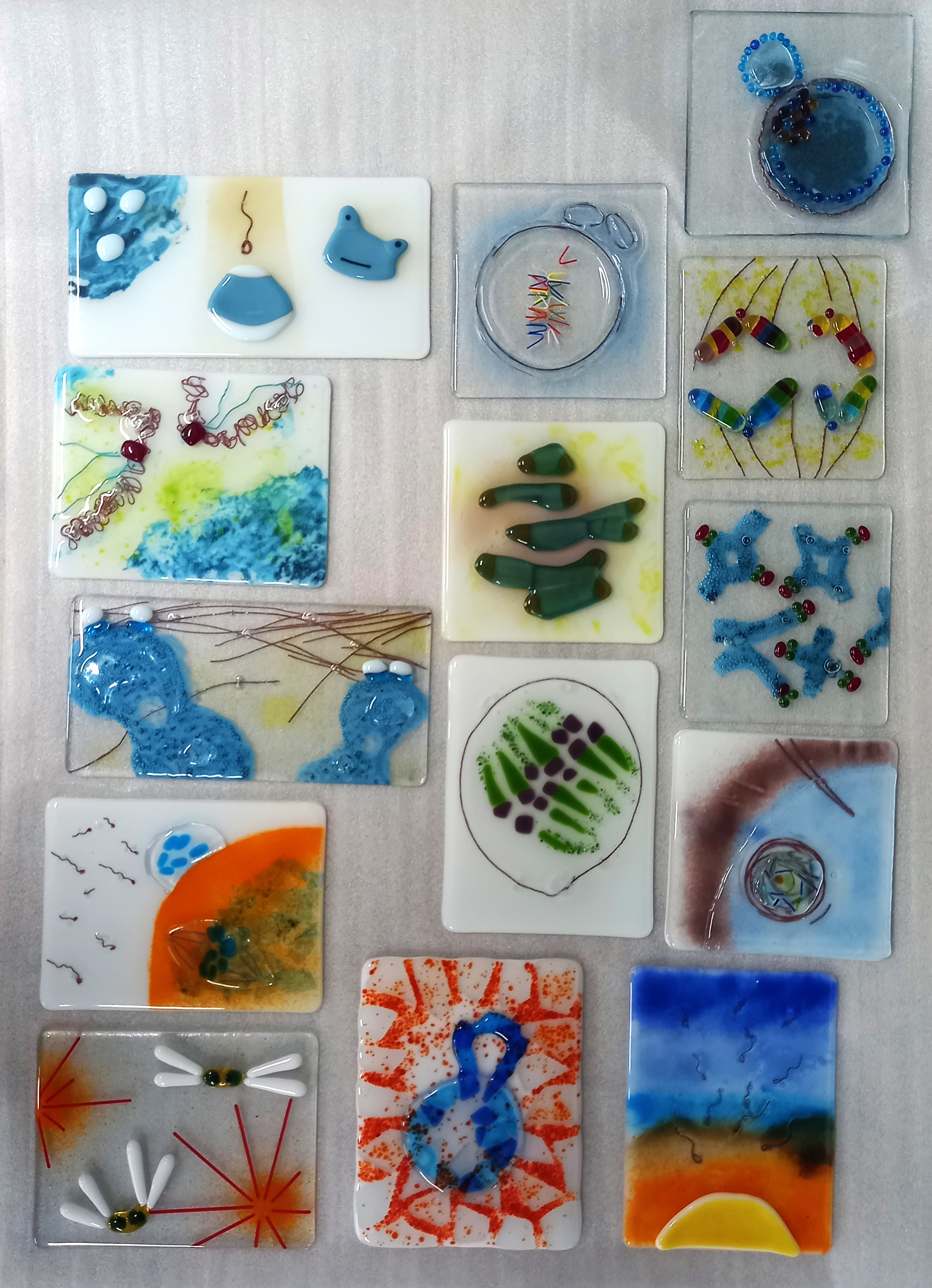
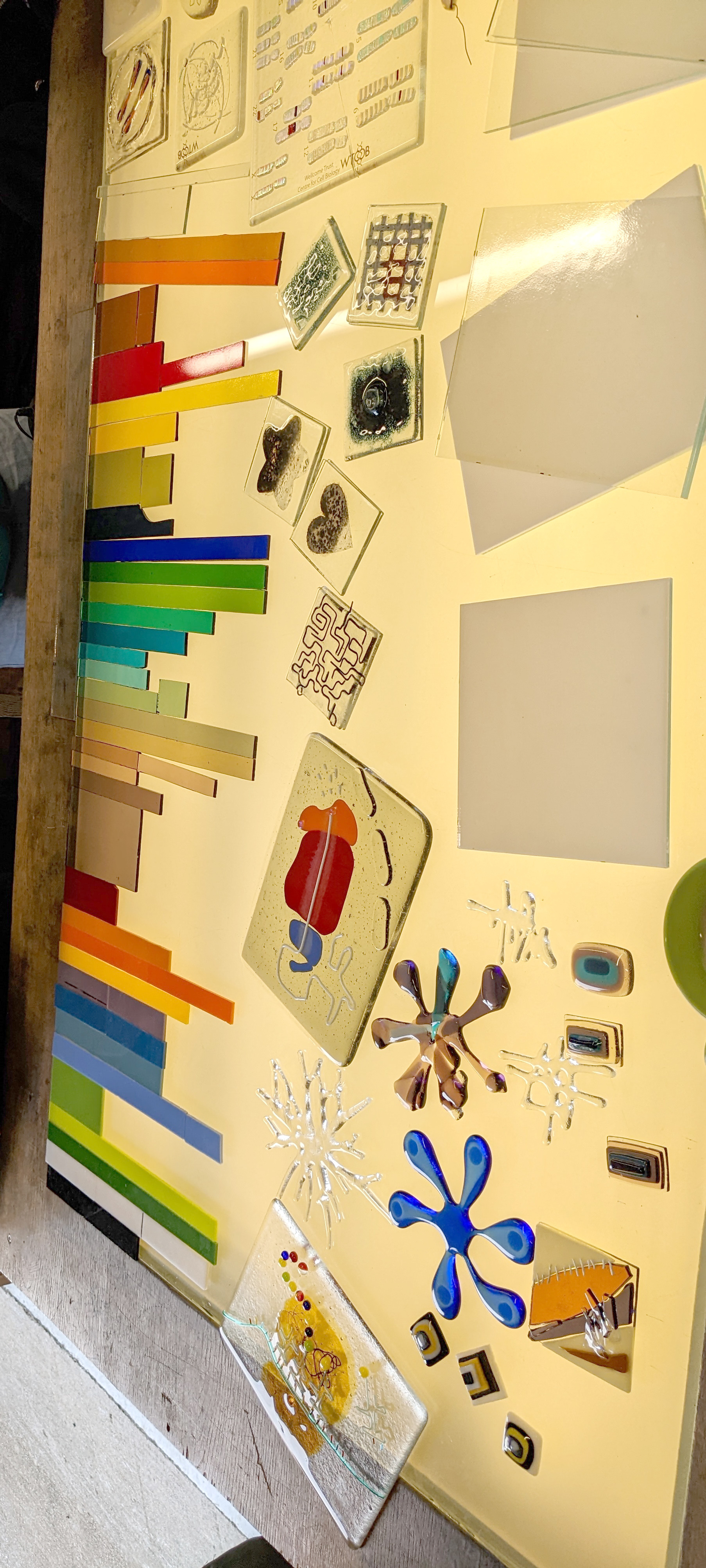
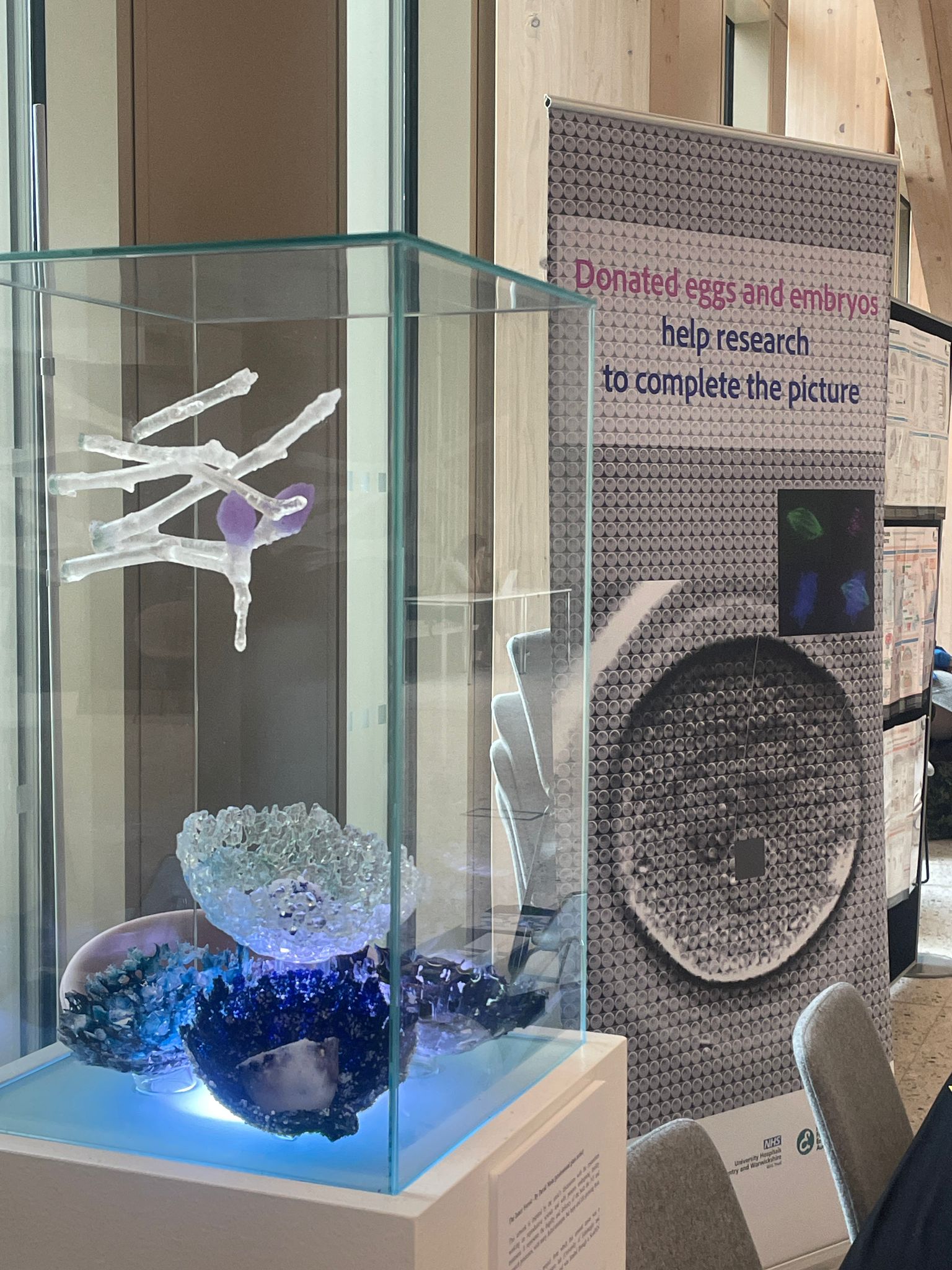
We engage in many outreach opportunities, including festivals such as Pint of Science or Science on the Hill. In June 2022, we created a collection of glass art pieces with guidance from a professional artist, David Mola. These have been displayed several times resulting in many people engaging and showing interest in our project. The collection is now on permanent display in Warwick Medical School building (by GLT4). Working with the same artist, we also decorated some of laboratory glassware using sandblasting technique.
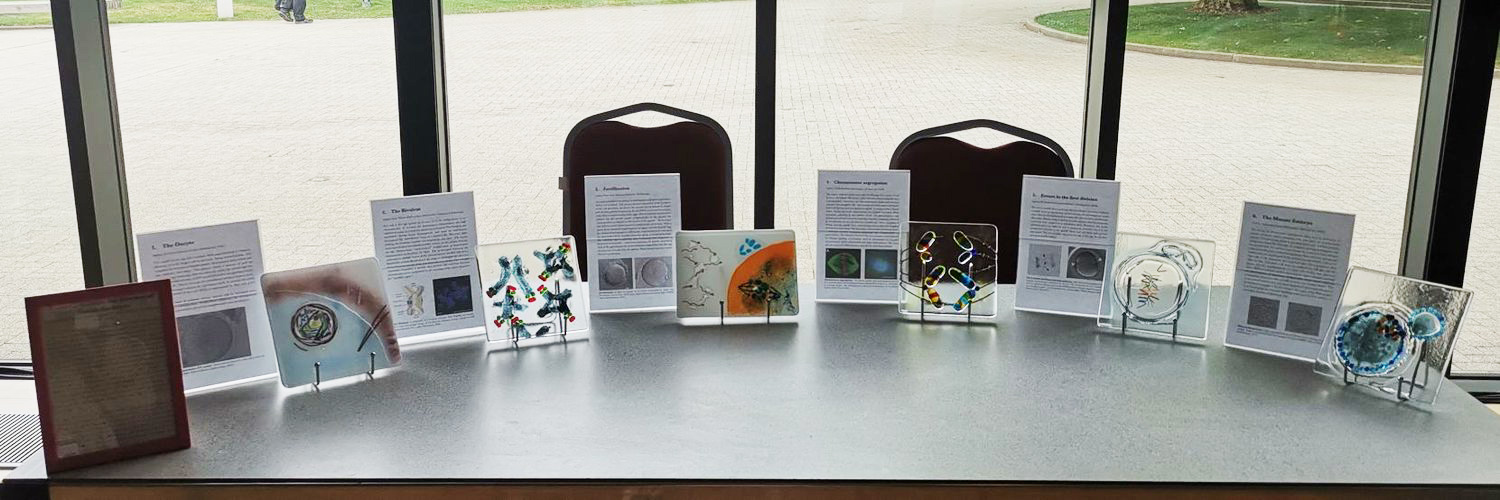
Glass art display at Warwick Doctoral Research Festival 2023
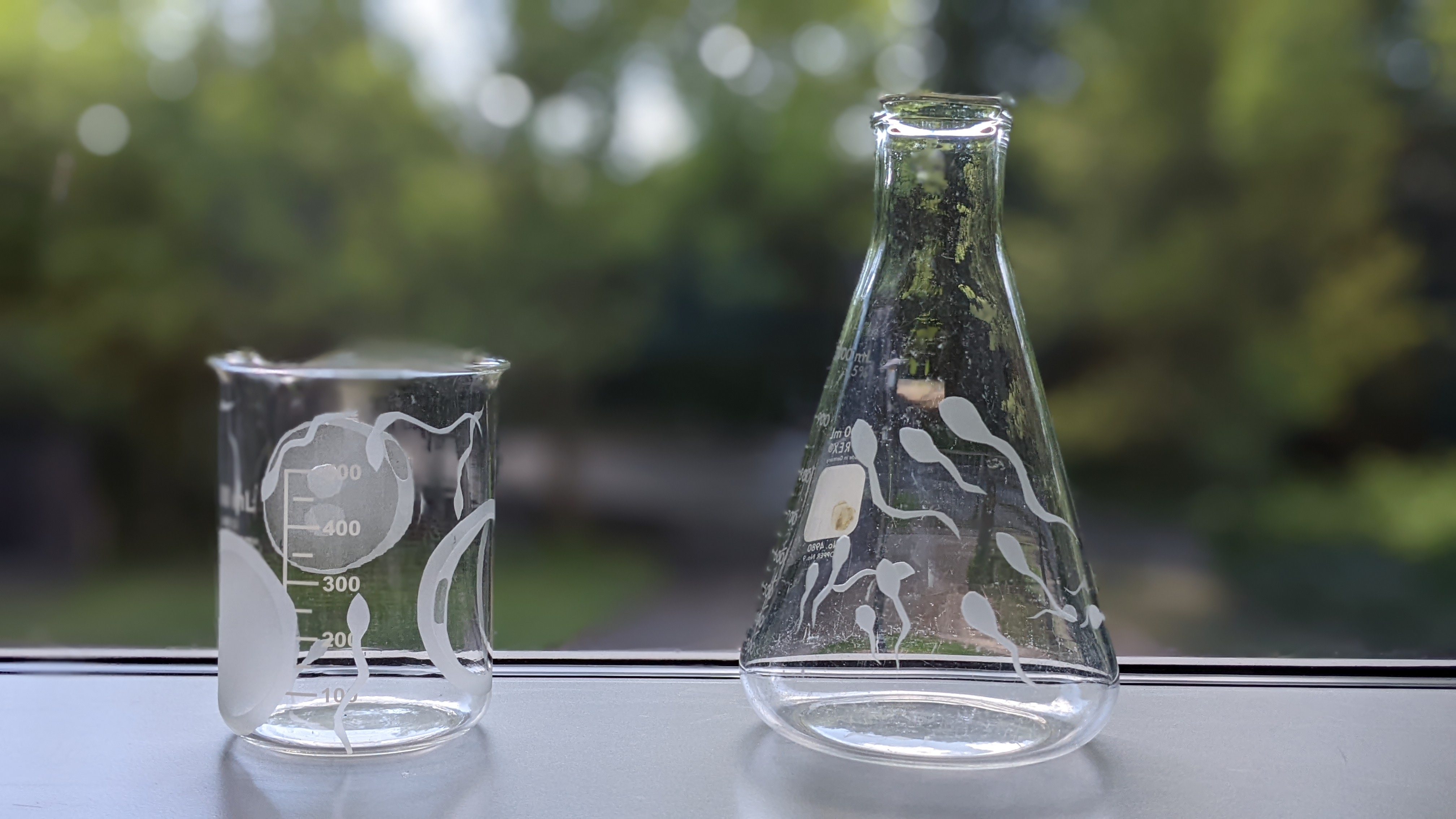
Sand-blasted glassware: beaker and conical flask decorated with oocytes and sperm
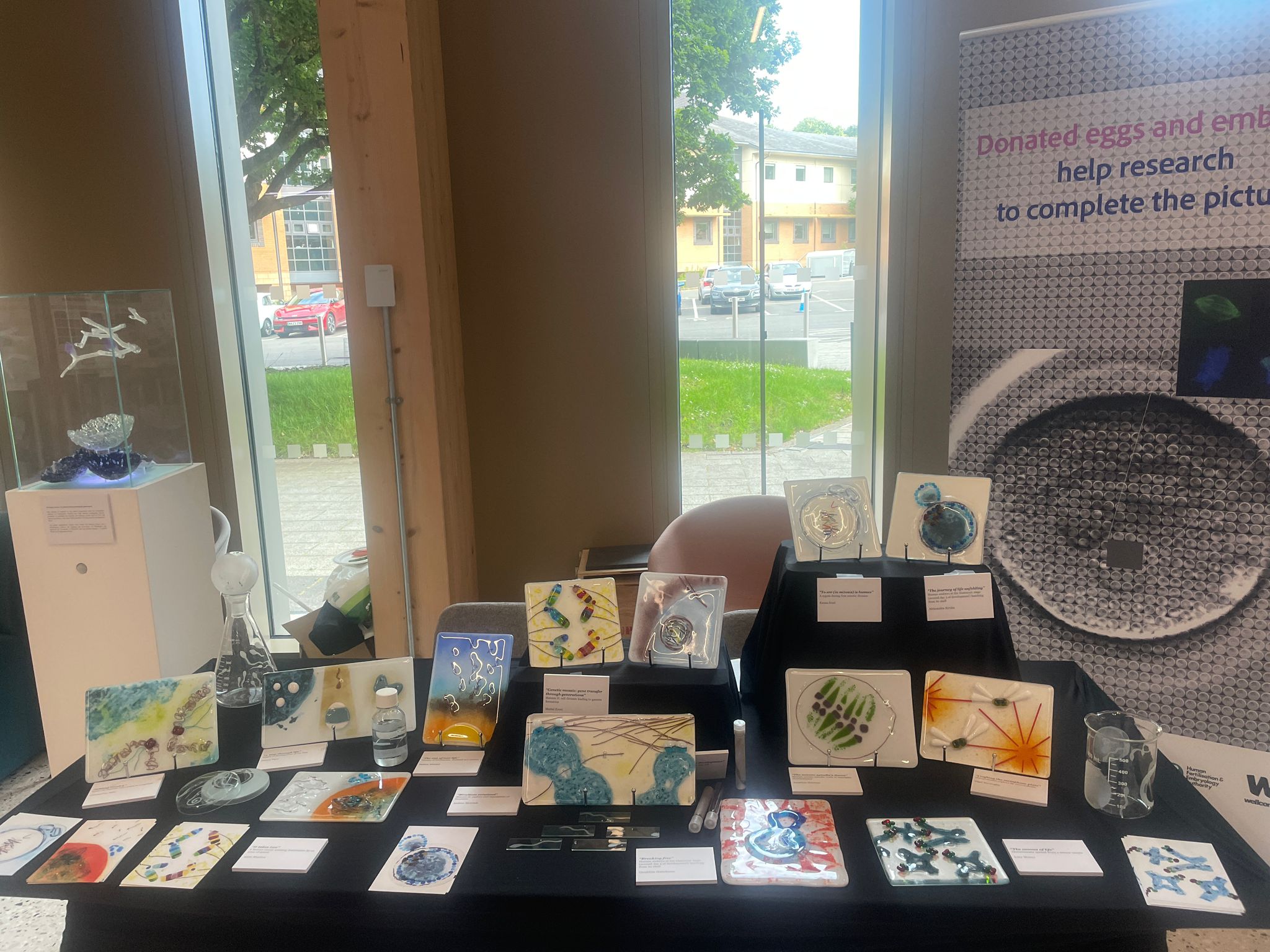
Glass art display at Science on the Hill 2024