
Reasonable Adjustments in Labs
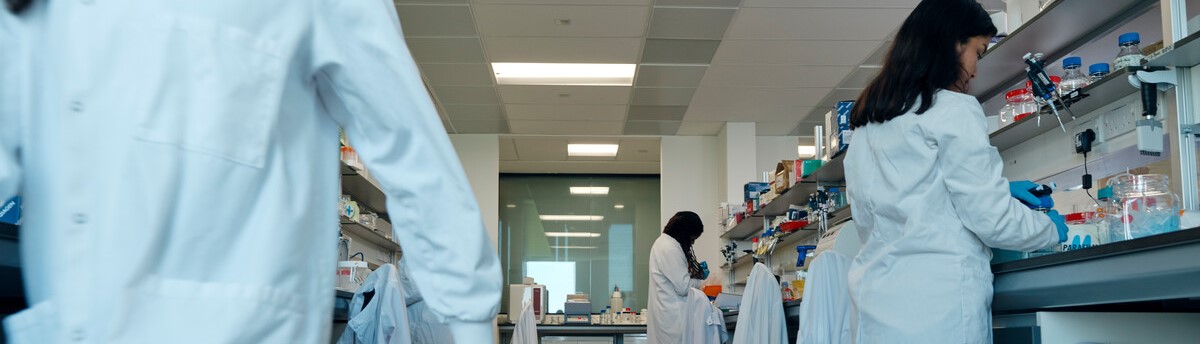
Reasonable Adjustments in Laboratory Settings (RAiLS)
RAiLS aims
- Generate resources for students and staff with regards to reasonable adjustments in laboratory settings at Warwick
- Create a network of UK STEM laboratory teaching practitioners to share best practice
- Promote inclusion in Laboratory Settings and diverse participation in HE
The RAiLS teamLink opens in a new window
Staff and students from diverse Warwick SEM departments and University teams are part of this project
The project's success wouldn't be possible without everyone involved!
What are reasonable adjustments?
"Reasonable adjustments are changes that organisations have to make if their provision, criterion, practice or physical feature puts a disabled person at a substantial disadvantage in relation to a relevant matter in comparison with non-disabled persons."
How could this work in the lab?
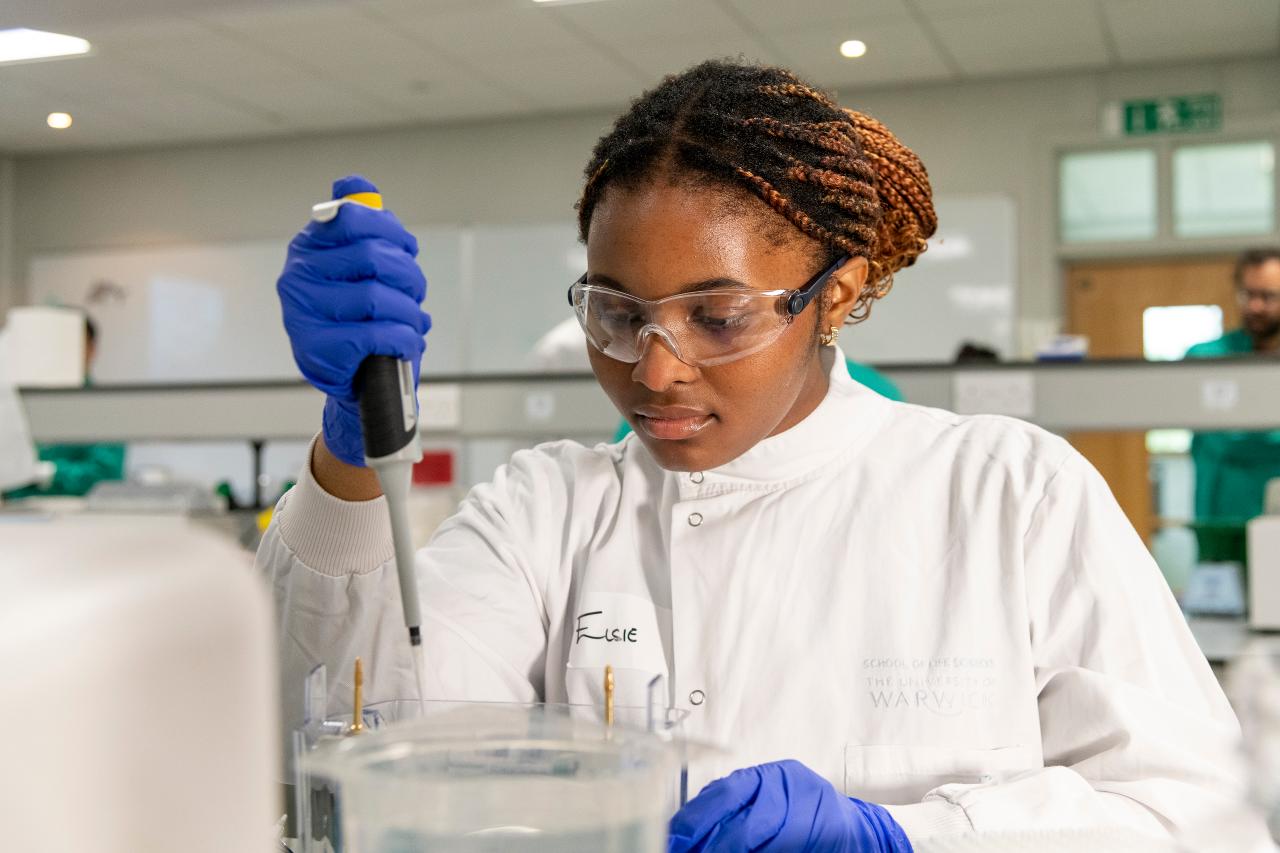
For courses with lab experience, disabled students might need support with their access, activity development or assessment.
Providing these lab adjustments not only promotes a more diverse participation of students in STEM degrees but also ensures the University is complying with the law.
Why do these resources matter?
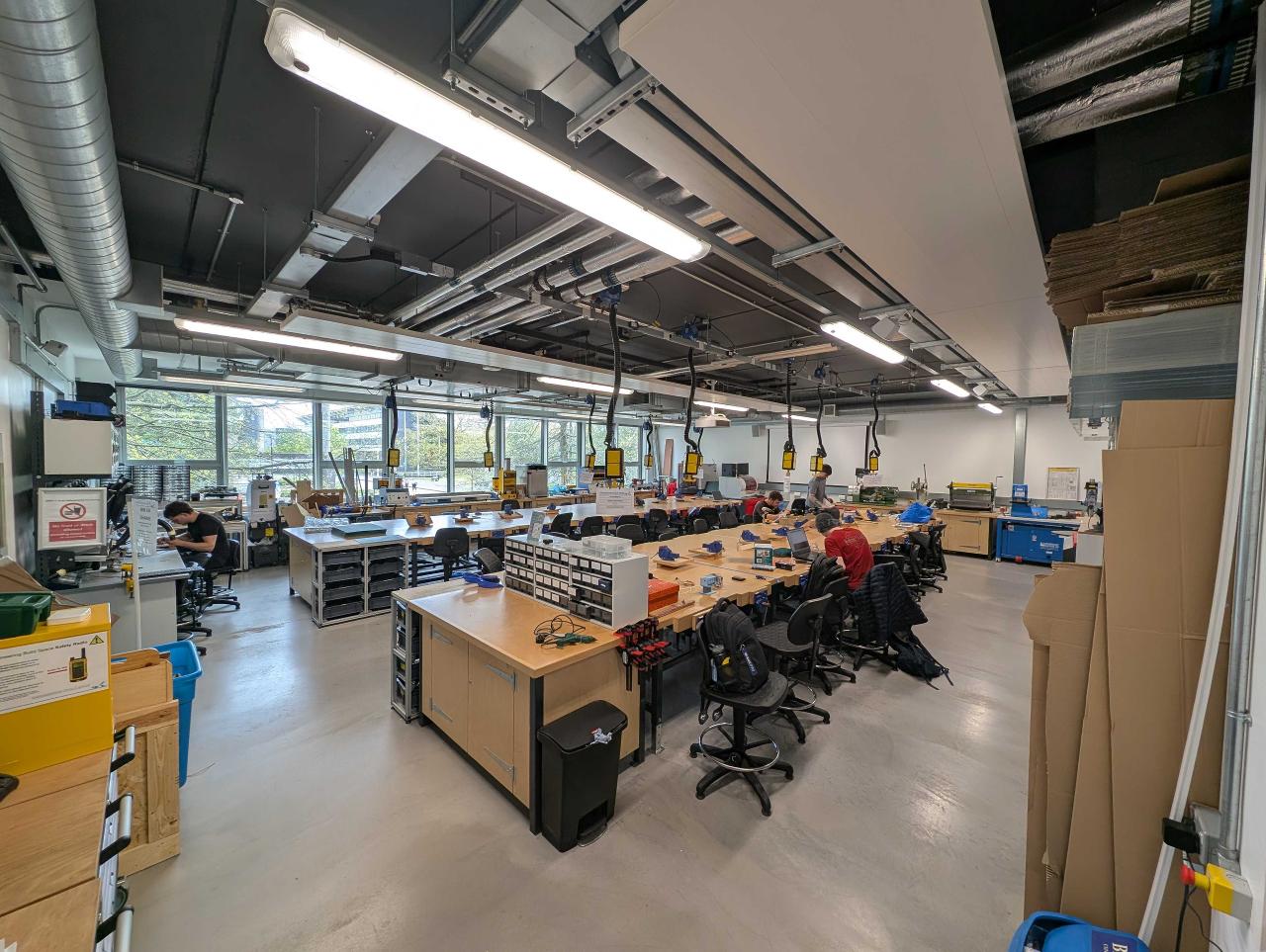
It is a legal requirement, and the implementation of reasonable adjustments requires spatial, contextual, subject-specific, disability and health and safety understanding.
While the University acknowledges the need for reasonable adjustments in lab settings, there is currently no formal, standardised process.
What does good practice look like?
- Proactive and anticipatory consultation of student needs
- Training and support of departmental staff deciding on local Reasonable Adjustments
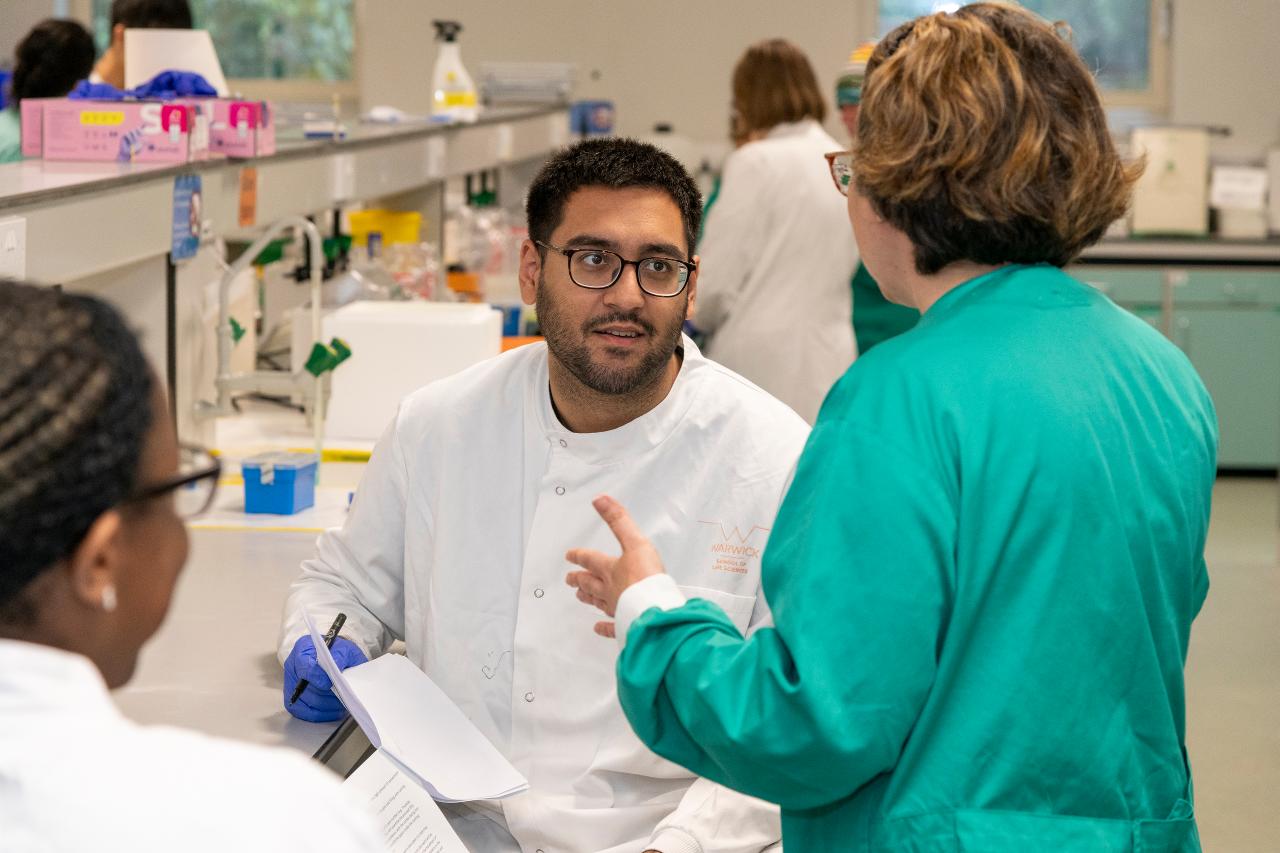
- Involvement of appropriate stakeholders in the conversation (including the students!)
- Continuous evaluation of inclusion in all teaching spaces
- University streamlining of processes and data handling
Next steps
The project team are working collaboratively with other groups across Warwick to address the gaps identified in current processes. Proposals include:
- Establishing a centralised committee to oversee the training, support, and validation of reasonable adjustment decisions made by staff who are not disability advisors.
- Developing a systematic reporting process for departments to ensure that any student disclosures are formally communicated to Disability Services for record-keeping and follow-up.
A second phase of this project is also underway in the 2025-26 academic year, incorporating more SEM departments. To find out more, contact b.lagunas-castan@warwick.ac.uk.
Further information
You can read more about diversity and inclusion in STEM using these links