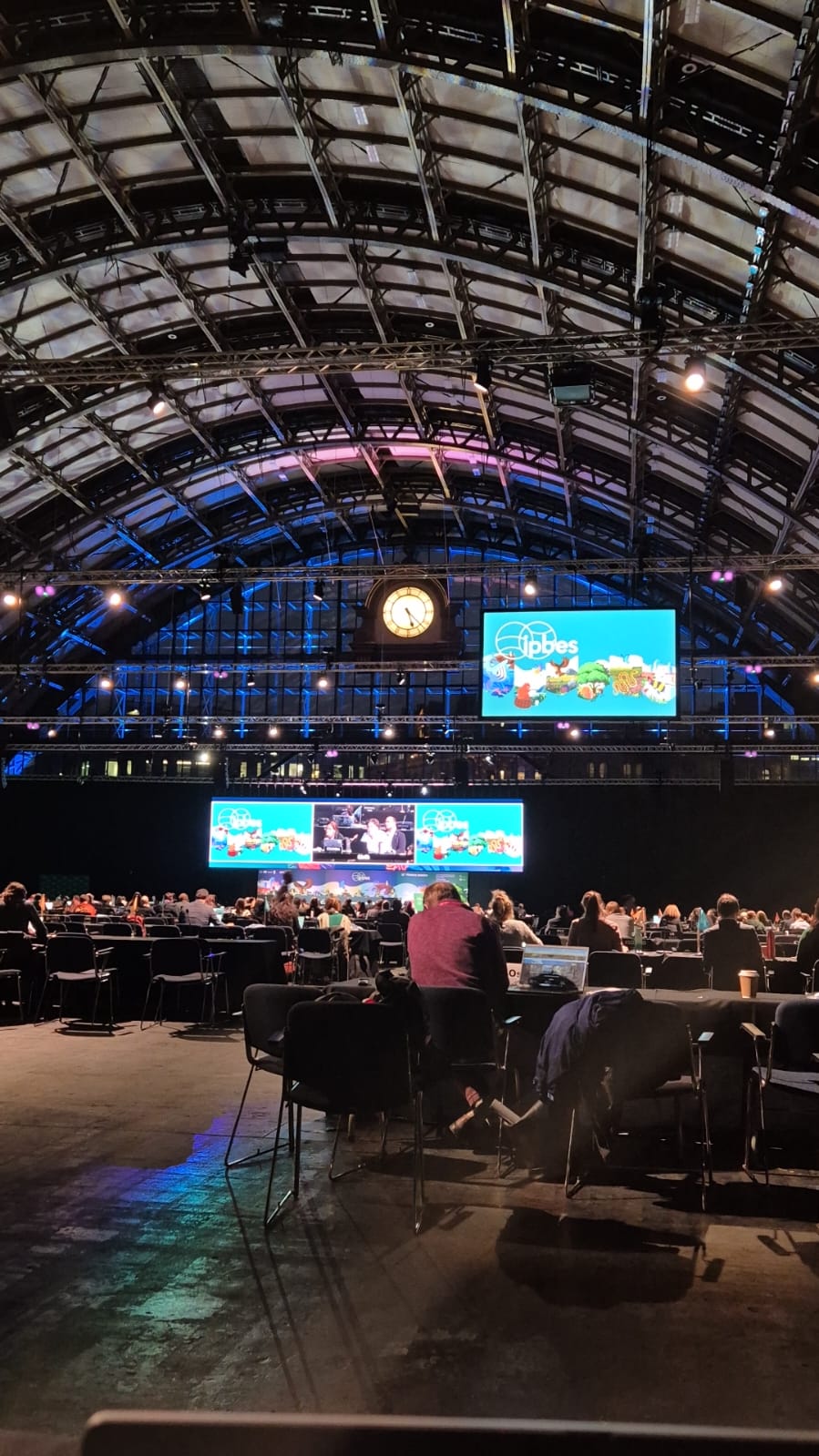
University of Warwick Researchers Attend Landmark Global Biodiversity Summit in Manchester
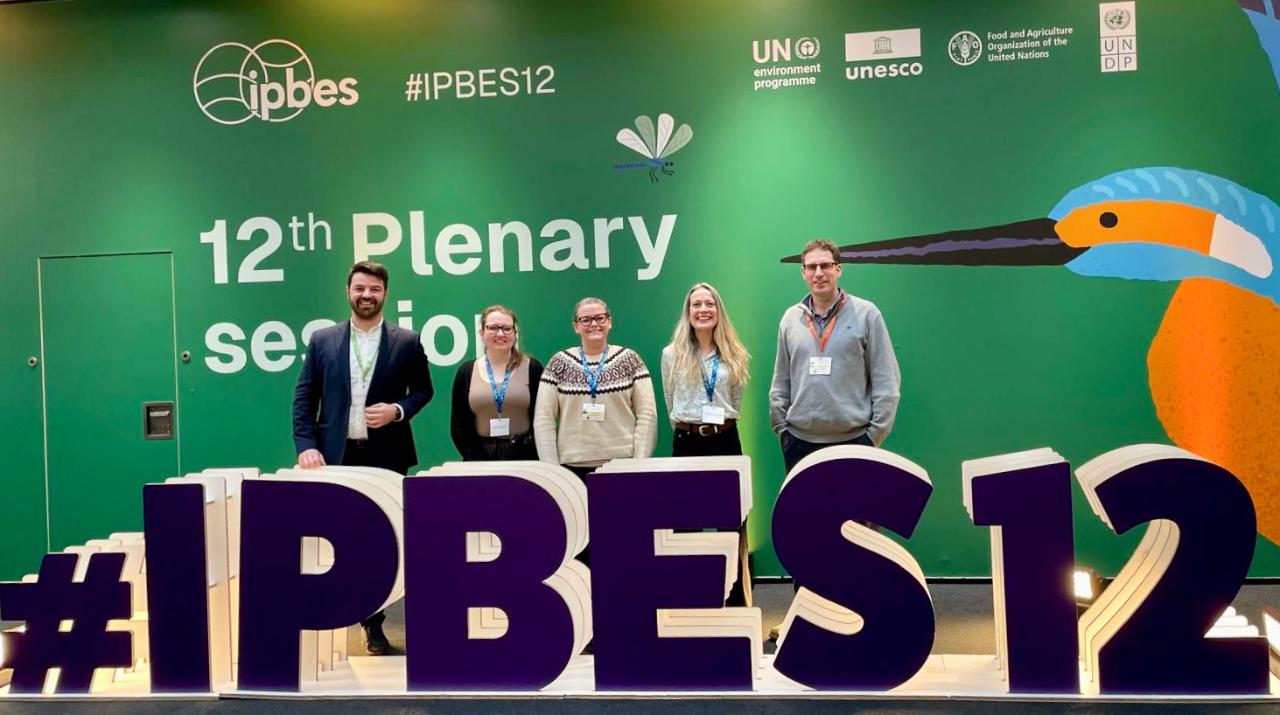
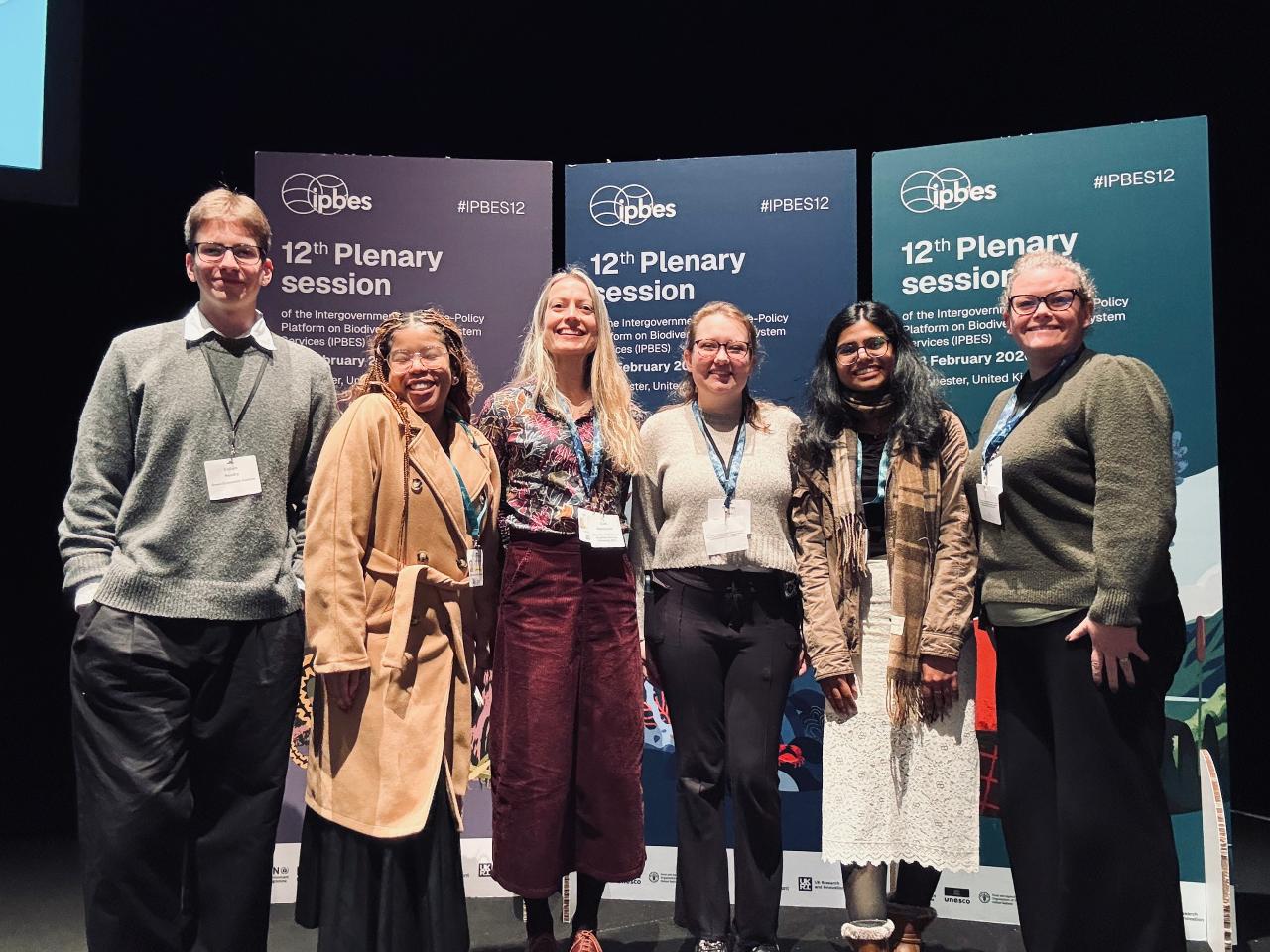
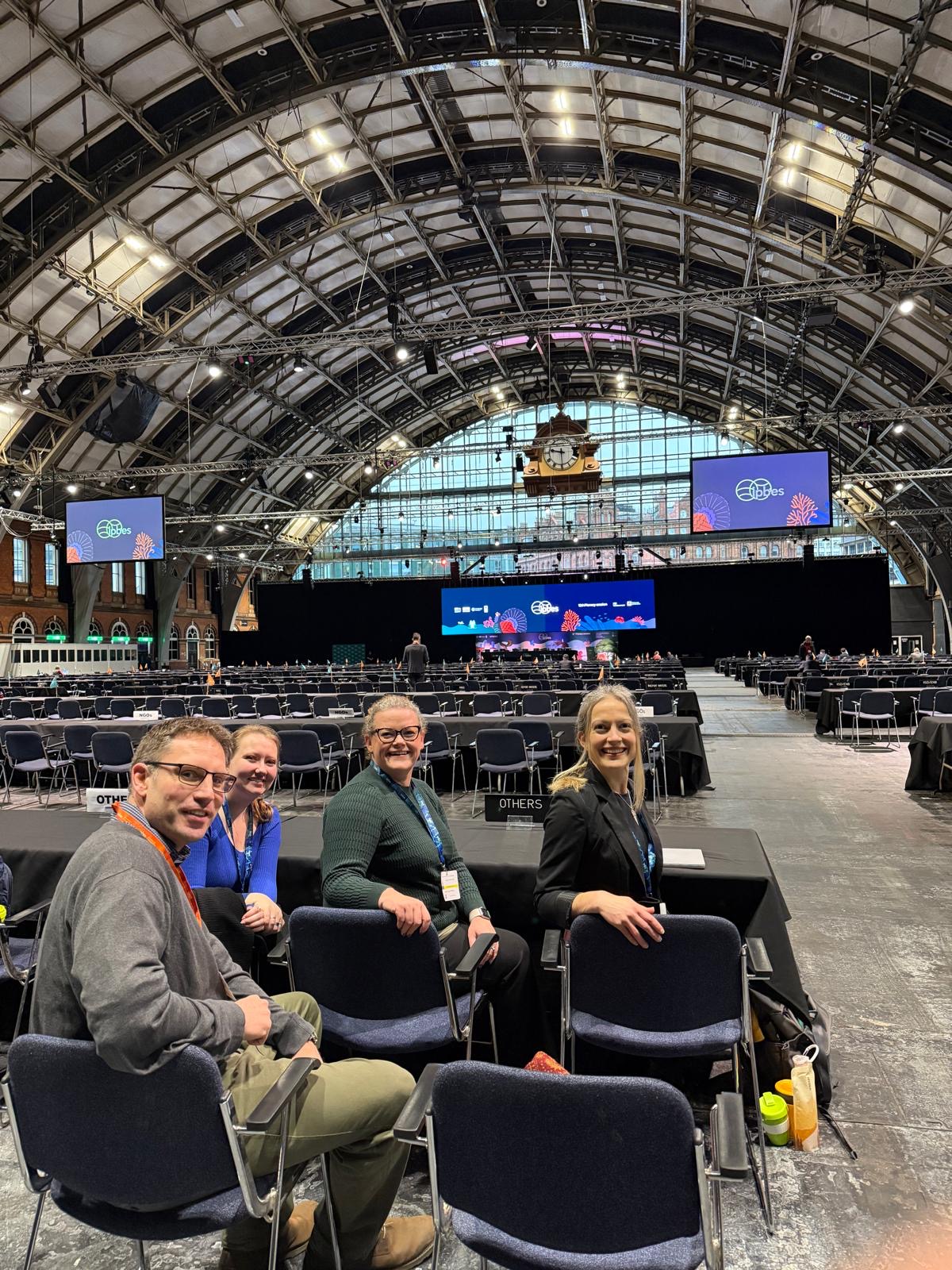
Researchers from the University of Warwick joined representatives from over 150 countries at IPBES 12 - the twelfth session of the Plenary of the Intergovernmental Science-Policy Platform on Biodiversity and Ecosystem Services - held in Manchester from 3 to 8 February 2026.
About IPBES 12
IPBES is an independent intergovernmental body established in 2012 to strengthen the interface between science and policy on biodiversity and ecosystem services. Its mission is to provide objective, evidence-based assessments that help governments, businesses, and civil society make informed decisions to protect nature and support sustainable development. Since its establishment, IPBES has produced 13 assessments, including the landmark 2019 Global Assessment on Biodiversity and Ecosystem Services.
The Plenary is the decision-making body of IPBES, bringing together representatives of member governments on a roughly annual basis for deliberations and decisions on the IPBES work programme, budget, and other key strategic matters. IPBES 12, hosted by the UK Government at the Manchester Central Convention Complex, was the first time the United Kingdom had hosted a session of the IPBES Plenary.
The centrepiece of this year's session was the approval of the Summary for Policymakers of a major new Business and Biodiversity Assessment- a three-year scientific endeavour involving 80 expert authors from every region of the world. The assessment examines how businesses both depend on and impact nature, providing evidence-based methods and metrics for companies to measure their interactions with biodiversity, strengthen nature-related financial disclosures, and align with the Global Biodiversity Framework.
Warwick's Involvement: The Multilateral Engagement Working Group
Warwick's participation in IPBES 12 was supported by the Multilateral Engagement Working Group, which reports to the University's Sustainability Committee. Established during the last academic year (2025-26), the group was created to support the University's engagement in multilateral law and policymaking processes, including within the United Nations Framework Convention on Climate Change (UNFCCC) and other UN environmental and sustainable development spaces.
The Working Group operates to ensure that the University's participation is strategic, coordinated, and aligned with its sustainability and global engagement ambitions, while also strengthening institutional learning and impact from international climate, sustainability, and sustainable development engagement. Its aim is to bring all University engagement under one umbrella — helping to signpost activity through a central webpage and create a more coordinated approach to Warwick's presence on the global sustainability stage.
What Our Researchers Said
The event was attended by Dr Carla Washbourne,,Tiang-Bahumi Matshadi Kgothule, Katie Files, Dr Jess Savage, Dr Hita Unnikrishnan, Manjima Anjana, Dr Nikolaos Reppas, Dr Molly Williams and Dr Fred Dahlmann.
Their motivations for attending were rooted in a shared desire to see international science-policy collaboration in action — observing negotiations, engaging with global stakeholders, and understanding how research translates into real-world policy.
Despite the challenging geopolitical backdrop, the overall mood was one of cautious optimism. Dr Fred Dahlmann (Associate Professor of Strategy & Sustainability, WBS) reflected: "In times of geopolitical strain, it was heartening to see representatives from countries around the world coming together to work on and agree to a text they could take home."
For Dr Carla Washbourne (Reader, Centre for Interdisciplinary Methodologies), the experience reinforced the importance of these gatherings for building global consensus: "These events - like all large plenary meetings, bringing together diverse views and perspectives - can be tense and challenging at times, but can add a lot of useful knowledge and experience to global discussions, bring people together for a common cause, and show how wide the global consensus is on addressing these challenges."
A key theme to emerge was the critical role of language in shaping policy outcomes. Katie Files (PhD Researcher in Global Sustainable Development) noted: "It is incredibly important to get the language right as well as the intention. It has reinforced the idea that co-operation is a process rather than a specific outcome."
For Manjima Anjana (PhD Researcher, Department of Politics and International Studies), the experience highlighted the importance of dialogue across difference in global environmental governance: "Engaging with a wide range of stakeholders at the plenary highlighted both the richness and the challenges of bringing diverse perspectives together. What stood out most was the need for a shared language that can bridge disciplinary, political, and cultural divides to enable meaningful collaboration and collective action on complex environmental issues.”
For Dr Nikolaos Reppas, Assistant Professor in Civil Engineering, the event highlighted the importance of connecting biodiversity, environmental policy and engineering innovation: “The transition to low-carbon energy systems depends not only on scientific innovation, but also on robust infrastructure, safe subsurface engineering and responsible interaction with the natural environment. Attending IPBES 12 was a valuable opportunity to see how scientific evidence is translated into international policy, and to reflect on how engineering research can contribute to climate resilience, sustainable development and nature-positive outcomes.”
All researchers encouraged colleagues to get involved in similar events — and to reach out to the Multilateral Engagement Working Group () to coordinate attendance and maximise impact.
Read the full researcher Q&A: "Four Questions with Warwick at IPBES 12”.