
Four Questions with Warwick at IPBES 12
Researchers from the University of Warwick were among the wider group of attendees at IPBES 12 — the twelfth Plenary of the Intergovernmental Science-Policy Platform on Biodiversity and Ecosystem Services — held in Manchester from 3–8 February 2026. Attendees shared their experiences, responding to four key questions.
Why did you attend this event?
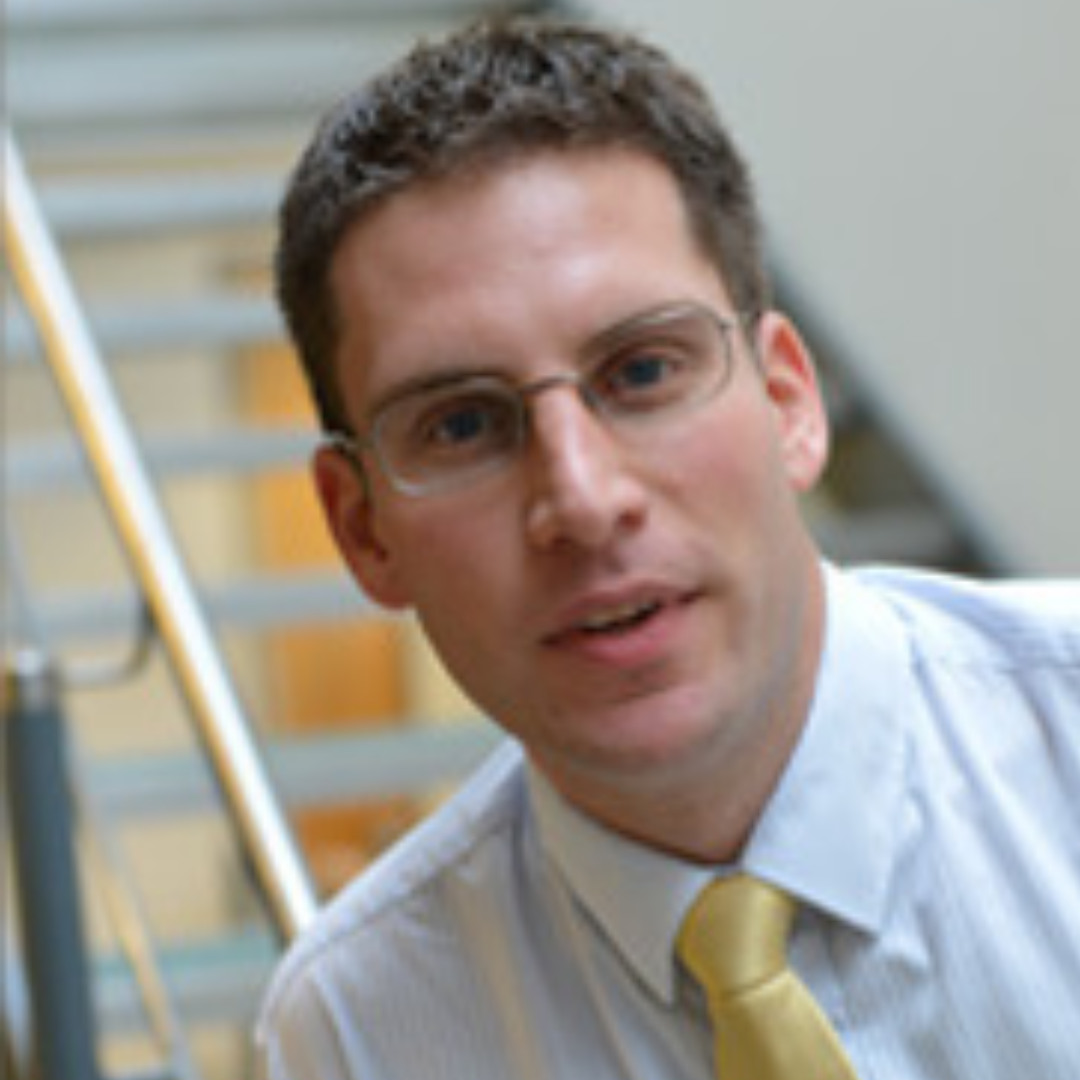
"I was curious to learn more about the process of international science-policy collaboration, being able to observe the negotiations and conversations within the main and associated events. As a researcher on business and biodiversity, the topic is close to my heart, and this proved to be a great opportunity to better understand how such international consensus is formed and agreed." (Dr Fred Dahlmann, Associate Professor of Strategy & Sustainability, WBS)
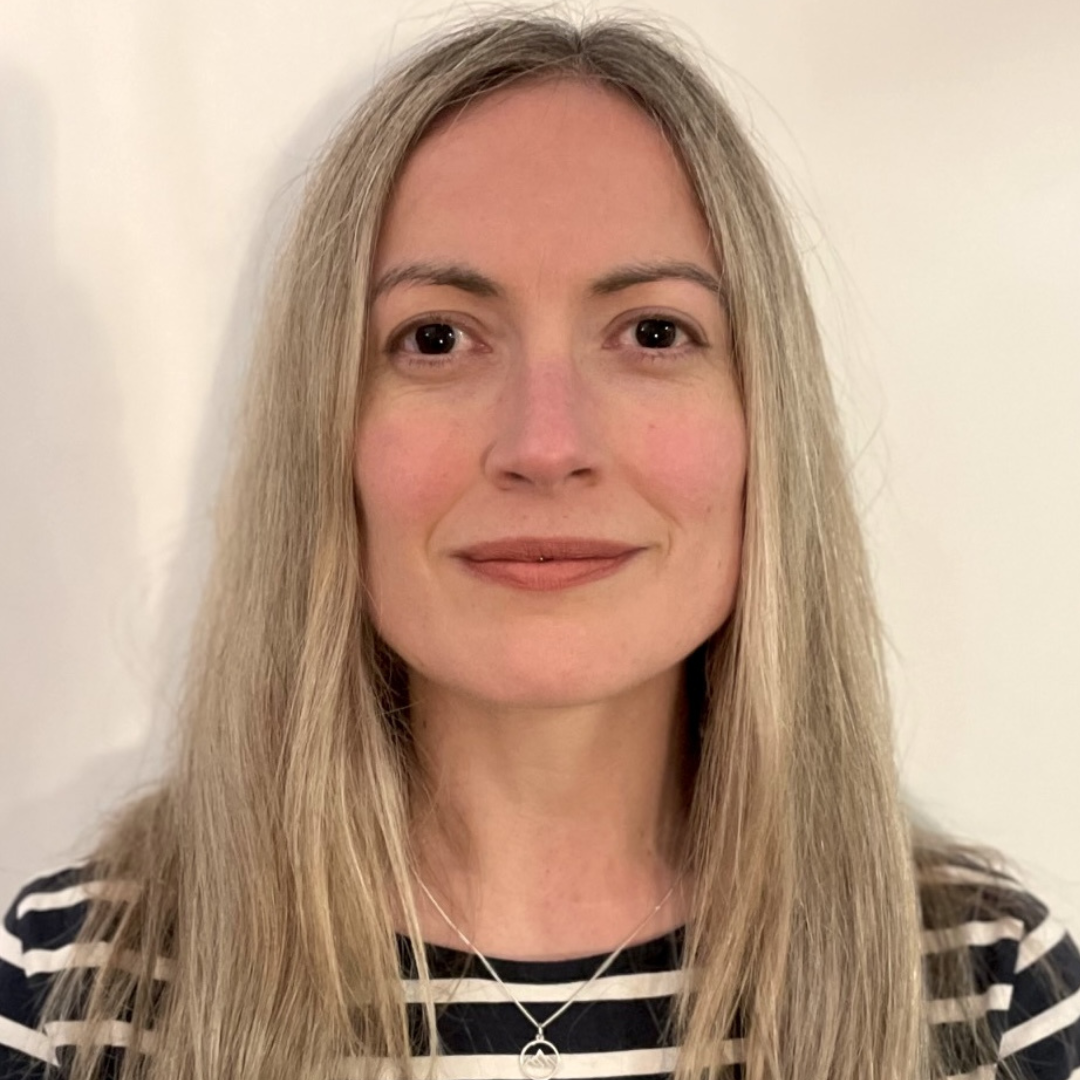
"I see the plenary as an excellent place for learning about current issues and observing and reflecting on the dynamics of international level science-policy processes. These plenaries bring together such a diversity of people in one place and are great for engaging with stakeholders from research, policy, NGOs and businesses around the world around a shared interest in biodiversity." (Dr Carla Washbourne, Reader, Centre for Interdisciplinary Methodologies)
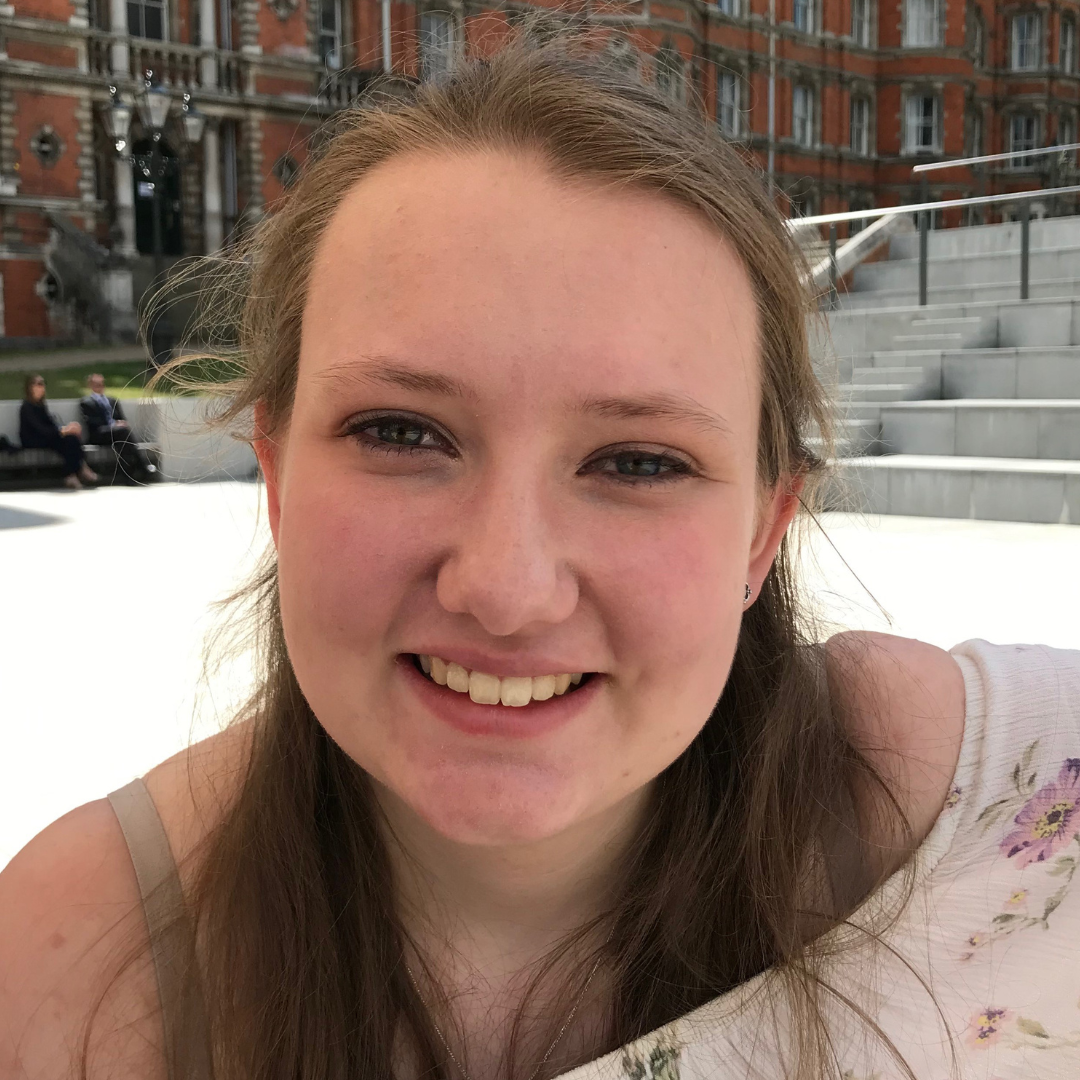
"I attended the plenary as I wanted to be able to learn more about how negotiations took place and what policy looked like in practice. I attended the Stakeholder Day as an opportunity to network and experience how policy uptake is managed within a diverse group of stakeholders. I wanted to use these opportunities to be able to observe the interactions between business and government, and understand how policy adoption is impacted by difficulties with language and meaning that can change how policy is interpreted and implemented." (Katie Files, PhD Researcher in Global Sustainable Development)
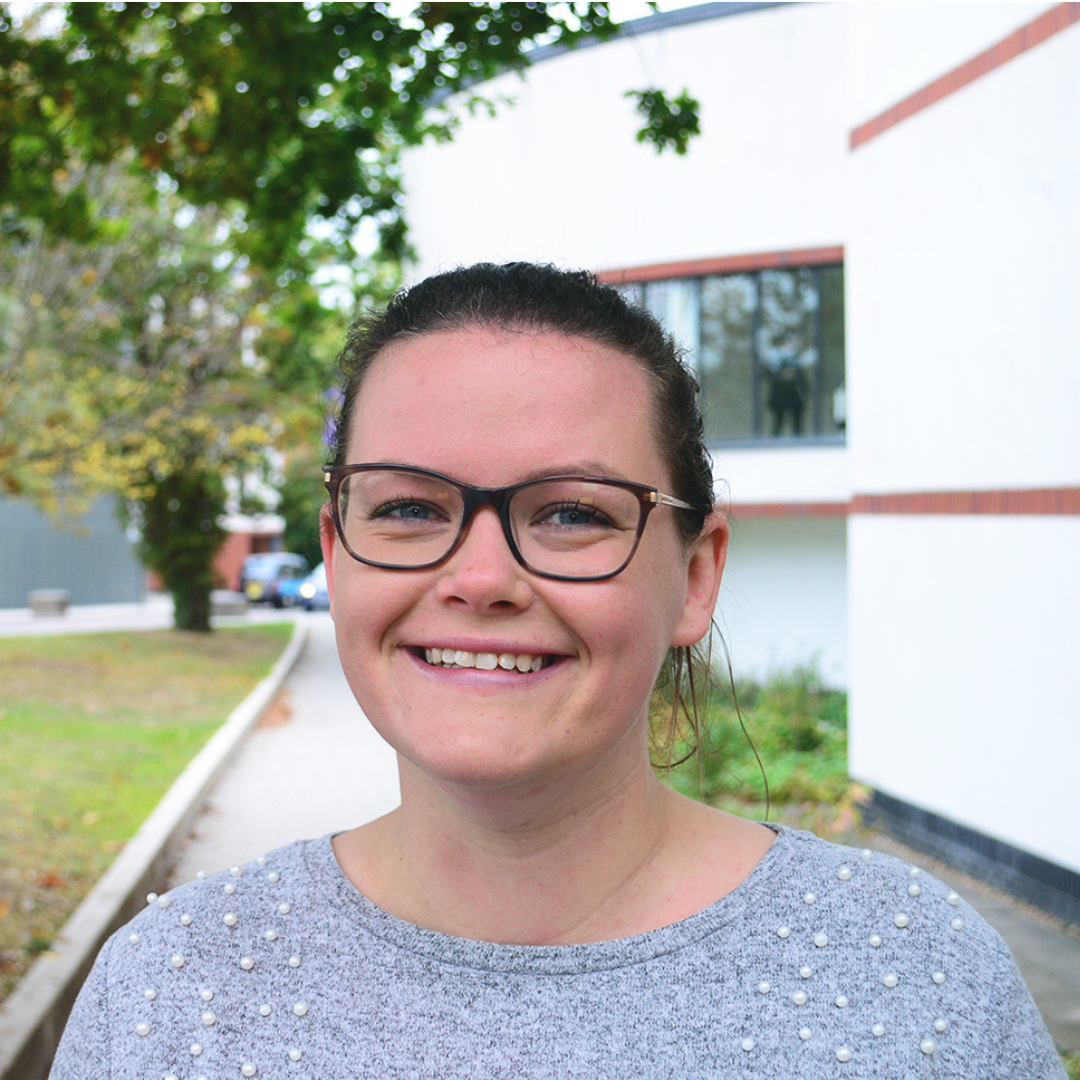
“I have followed the work of IPBES for a number of years, and have taught many students on the value and application of the platform. I wanted to attend to see how things really work, to understand more about how to get involved, and to enrich my teaching with more ‘real world’ experience.” (Dr Jess Savage, Associate Professor in Global Sustainable Development)
“Biodiversity and ecosystem services are not separate from infrastructure and engineering decisions. They shape how we think about resilience, climate adaptation and sustainable development. Attending IPBES 12 was a valuable opportunity to see how scientific evidence is translated into policy language, and how universities can contribute to more integrated approaches to environmental challenges. “ (Dr Nikolaos Reppas, Assistant Professor in Civil Engineering)
"I attended the event to observe the science-policy interface in action, to see how knowledge is shared, contested and legitimised across different actors. The plenary offered a valuable space to witness the boundary work that underpins these processes that shape how environmental problems are defined and possible solutions are articulated within the policy frameworks.” (Manjima Anjana, PhD researcher, Politics and International Studies)
How was the experience relevant to your research?
"My research focuses on companies' responses to sustainability issues and challenges. The focus of this plenary was agreeing the business and biodiversity assessment to be passed on to governments and others for implementation. This output directly feeds into work in progress as well as my broader role as co-convenor of the taskforce on the governance of nature and biodiversity within the Earth System Governance community." (Dr Fred Dahlmann, Associate Professor of Strategy & Sustainability, WBS)
"I am an interdisciplinary researcher and educator with a focus on improving decision making around environment and sustainability issues. Being part of the process of IPBES provides hugely relevant and valuable global context on how different actors approach biodiversity and ecosystem services topics in their decision making and how we can all play a role in support these processes." (Dr Carla Washbourne, Reader, Centre for Interdisciplinary Methodologies)
"Attending this plenary related to my current work as I already engage with concepts promoted by IPBES as part of my work on ecosystem services and sustainable approaches to environmental management, so it was an opportunity to understand how these theoretical concepts are translated into policy. It also gave me a real-world perspective on how research is translated into policy, which is something I am keen to explore when it comes to my own research outcomes. Listening to the discussions throughout the plenary has highlighted to me the role of language and terminology within policy, which has led to me recognising the need to go back through my own research to identify the different key terms that may be used interchangeably but actually have different meanings. This has also showed me that there is a gap within the transition from research to policy and then to implementation due to these terminological discrepancies, highlighting the need to be clear about language and intention from the outset. Engaging with this process is making me consider carefully how I write, especially when considering what impact I may be able to have with my research in the future. (Katie Files, PhD Researcher in Global Sustainable Development)
"My research focusses on environmental change, human induced environmental change, and human-ecosystem interactions. This ties directly to both biodiversity and ecosystem services. Environmental policy platforms like IPBES represent one of the primary ways that we ‘respond’ to environmental decline. Understanding the inner-workings of these mechanisms are essential." (Dr Jess Savage, Associate Professor in Global Sustainable Development)
"The experience was highly relevant to my research because many of the engineering challenges I work on sit at the interface between energy, infrastructure and the environment. Carbon storage and energy storage are central to the low-carbon transition, but they require safe and reliable subsurface systems, including stable wellbores and efficient engineering designs. At the same time, industry needs practical tools that can improve technical decision-making, reduce uncertainty and support more efficient project delivery. IPBES 12 helped me reflect on the wider environmental context in which these technologies sit. Engineering research cannot be separated from questions about land use, natural systems, environmental risk and long-term sustainability. The event reinforced the importance of developing tools and models that are not only technically robust, but also aligned with broader environmental and policy objectives." (Dr Nikolaos Reppas, Assistant Professor in Civil Engineering)
My research examines the knowledge politics surrounding Carbon Dioxide Removal interventions, focusing on how mitigation pathways articulated in global modelling scenarios are translated into regional contexts and social realities. The plenary provided an opportunity to observe these dynamics of knowledge circulation in action. Each stakeholder entered the space with their own assumptions, priorities, and interests, making visible the complex processes through which a shared language is negotiated through contestation, compromise, and eventual agreement. This emphasis on process, and on how consensus is constructed rather than given, is central to my work.” (Manjima Anjana, PhD researcher, Politics and International Studies)
What were your key takeaways from the event?
"In times of geopolitical strain, it was heartening to see representatives from countries around the world coming together to work on and agree to a text they could take home. The discussions were passionate and detailed but also diplomatic, polite and outcome-oriented. The event was very well organised, chaired and structured. While at times slow and repetitive, agreement of the final document was reached on time. I wonder if science-policy fora might not have a broader role to play in many other areas in need of such collaboration and coordination of topics and issues around the world. Personally, it was also great to connect with researchers from across the University of Warwick and potentially seeing a new community emerging. I also managed to catch up with other researchers and alumni who were equally interested in this topic." (Dr Fred Dahlmann, Associate Professor of Strategy & Sustainability, WBS)
"There are lots of people out there in the world, from all kinds of backgrounds, who are working hard to improve the environment for us all. These events - like all large plenary meetings, bringing together diverse views and perspectives - can be tense and challenging at times, but can add a lot of useful knowledge and experience to global discussions, bring people together for a common cause, and show how wide the global consensus is on addressing the challenge of global biodiversity loss and related global challenges." (Dr Carla Washbourne, Reader, Centre for Interdisciplinary Methodologies)
"My key takeaways were that there are areas for clear international co-operation and policy adoption around environmental issues and sustainable development, but these are often complicated by differing priorities and approaches to issues. This all plays out across language and phrasing rather than through complex negotiations of content, but these nuances are often where the difficulties lie and therefore, it is incredibly important to get the language right as well as the intention. It has reinforced the idea that co-operation is a process rather than a specific outcome, and that these plenaries remain important to have transparency around this process." (Katie Files, PhD Researcher in Global Sustainable Development)
“These sorts of events always remind me of how important individual perspectives are in the development of international policy. Be that in ensuring that the needs of different members states are integrated, but also the wants. The wants are interesting, as it makes it apparent how broader perceptions and contexts around non-environmental issues manifest, sometimes for the best, sometimes not. It makes it easier to understand why we often struggle to make progess.” (Dr Jess Savage, Associate Professor in Global Sustainable Development)
"My main takeaway was that sustainability challenges require much stronger connections between disciplines. Biodiversity loss, climate change, energy security, carbon storage and infrastructure resilience are often discussed in separate spaces, but in practice they are deeply connected. For example, achieving net zero will require technologies such as carbon storage and energy storage, but these must be developed alongside careful consideration of environmental impact, long-term risk and responsible interaction with natural systems." (Dr Nikolaos Reppas, Assistant Professor in Civil Engineering)
"Amid current geopolitical strains, growing scepticism towards science, and inward-looking tendences of actors, demonstrated by the notable absence of the US from IPBES platform, the plenary stands out as a ray of hope when the space for shared, democratic deliberation on environmental issues appears increasingly fragile. There continues to be willingness among diverse actors to come together, engage in dialogue, and work toward a common good. The process was not without tension, but it demonstrated that the collective will to collaborate and sustain these global conversations has not been lost." (Manjima Anjana, PhD researcher, Politics and International Studies)
What are your top tips for colleagues considering attending a similar event?
"Definitely get involved but ensure you reach out to others at Warwick to help coordinate your attendance and get the most out of it all!" (Dr
Fred Dahlmann, Associate Professor of Strategy & Sustainability, WBS)
"To make the most of the event, it helps to come prepared and do a bit of research in advance. Be clear on what the event is about, how large it is, how it’s structured, and what the agenda looks like so you can navigate it confidently. Once you’re there, focus on being present—get stuck in, take part, and make the most of the opportunities available to engage. It’s also worth exploring any side events or additional activities, as these can often align more closely with your specific interests and offer added value. Finally, make time to connect with others. Events like this are a great opportunity to build relationships with fellow delegates, whether they’re colleagues with shared interests or new people you haven’t met before." (Dr Carla Washbourne, Reader, Centre for Interdisciplinary Methodologies)
"My top tip would be to get involved even if it is not on your direct area of expertise. The document for this plenary was on Business and Biodiversity, which is not specifically my research area, but I still had a great time and it was an amazing opportunity to be part of." (Katie Files, PhD Researcher in Global Sustainable Development)
“Go in with an open mind and try to learn about the process. This is as important as the content for how to understand trajectories of change”. (Dr Jess Savage, Associate Professor in Global Sustainable Development)
"My tip would be to attend with curiosity and to think broadly about how your research connects to the wider sustainability agenda. Even if a meeting does not appear to be directly linked to your specific technical area, it can offer valuable insight into how research evidence is translated into policy, how international priorities are shaped, and how different disciplines can contribute to shared environmental challenges." (Dr Nikolaos Reppas, Assistant Professor in Civil Engineering)
"My top tips would be to research the process and political context in advance, as this helps make sense of the negotiations and discussions as they unfold. Engage actively with fellow delegates and stakeholders, as many insights emerge through informal conversations. Participating in side events can also deepen your understanding of specific issues, often in very creative ways. Above all, go in with an open mind. The diversity of perspectives can be challenging, but it is precisely what makes these spaces so valuable." (Manjima Anjana, PhD researcher, Politics and International Studies)
Read the full news article: "University of Warwick Researchers Attend Landmark Global Biodiversity Summit in Manchester”