Learning Communities in IATL’s Science of Music and Beyond
Introduction
Gavin started engaging in interdisciplinary teaching early on in his academic career. Gavin shares that he came to Warwick with a research fellowship, but he was really interested in teaching as well. Gavin taught on the Geophysics course, which called for a range of disciplinary angles to tackle the complexities of the topic.
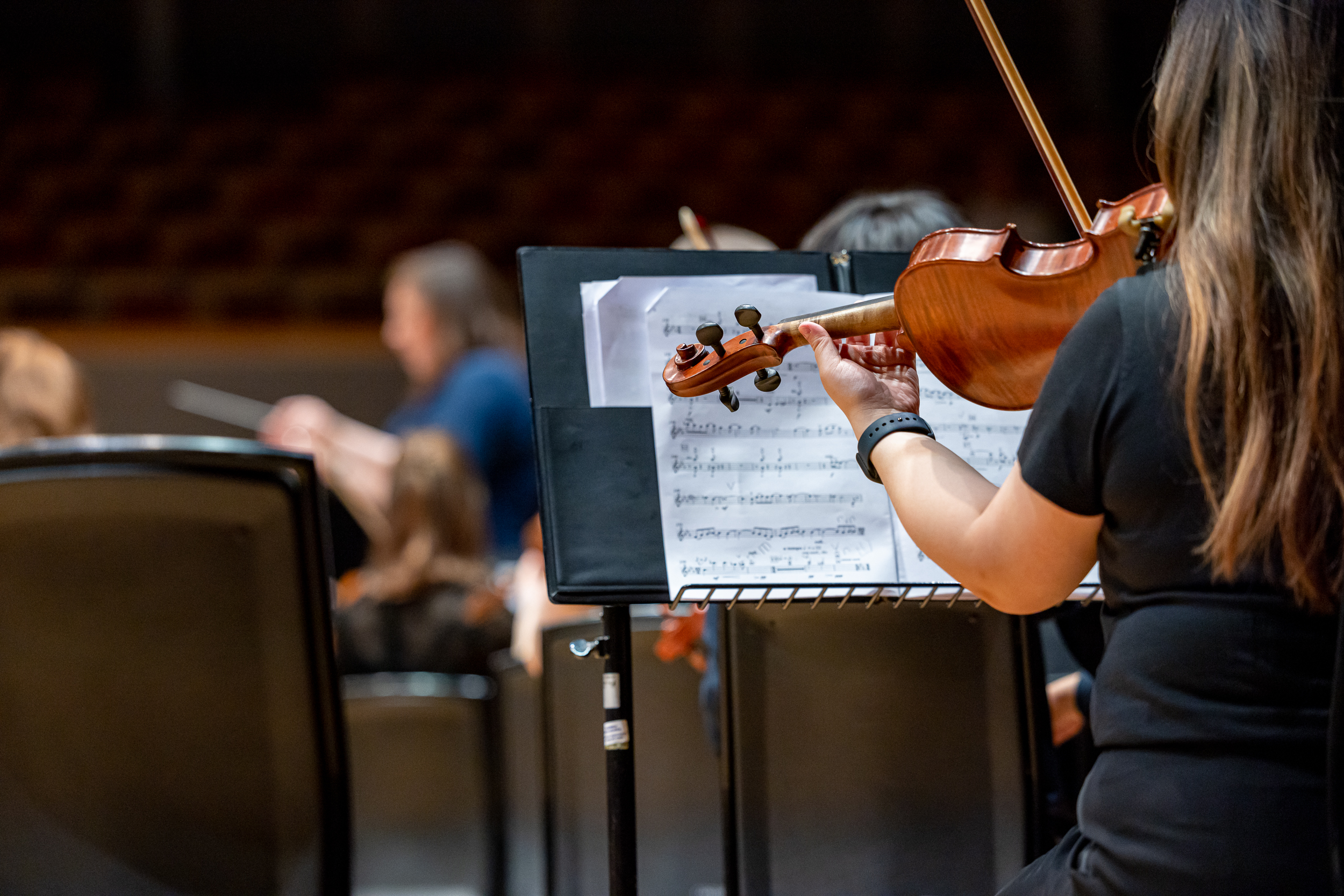
IATL’s Science of Music module has been running since 2015/16. The initial idea for the module came from discussions within the Physics department about offering “broader optional modules.” Gavin received a grant from IATL to develop the module, and from there it has expanded to become offered consistently at IATL.
What is unique about music, Gavin offers, is that “everyone has a way into it because everyone listens to music.” Not only does the module provide a “good interdisciplinary mix in subject terms,” but also an “interdisciplinary mix in musical experience.”
The module takes a “head, heart, hands approach,” where students not only gain a deeper understanding of a theme, but they get to put their learning into practice. This practice comes in the form of a final project where students work in interdisciplinary teams of around five students each, led by a staff mentor. Each of the teams has a different focus. Gavin shares about one of the recent final projects that he led with his mentee group. Gavin recorded different sound clips and students were tasked with creating an original song from these clips incorporating the creative and technical principles covered throughout the module.

Dr Gavin Bell

Principles of Practice
Building Learning Communities and Transferable Skills
Gavin says that it is important to be aware of disciplinary “jargon” when leading an interdisciplinary module. To foster a spirit of knowledge sharing, one of the first activities on the module is a group activity where students are given a list of terminology related both to music and the science behind it. Students work in groups to define this terminology together given their areas of expertise. Gavin adds “this is something that I would suggest to people who are thinking about doing interdisciplinary teaching. You've got to know the language and the jargon….and if you have a interdisciplinary group of students, they can help each other with this very effectively.” This strategy is also “much more effective than us trying to give definitions and it puts everyone on a more even footing right from the start of the module.” Students are able to bring their unique knowledge both from their disciplines, but also about the theme of music itself.
Building learning communities also aligns with “findings in social science about decision making” where “decision making in the context of complexity tends to be better done by diverse teams.” In terms of the skills that students gain by working on these group projects, they learn “project design, project management, [and] execution.” Students also need to present their projects for peer assessment. Gavin asserts that “presentation skills to a diverse audience….is really something that is very important in real life because real life problems are not chemistry problems or math problems.”

Moving Forward
Challenges for Interdisciplinary Education
Gavin offers that “you need departmental champions” who can promote “the virtues of interdisciplinary teaching.” One of the challenges, however, is that university structures limit the opportunities staff have to engage with interdisciplinary teaching outside of their department. Here, Gavin notes that “I try to bring what I’ve learned about interdisciplinary teaching through IATL into my Physics teaching where I can.” For example, Gavin re-designed elements of his first-year Electronics lab to incorporate “interdisciplinary aspects” to help students learn more effectively. Aspects or principles in interdisciplinary teaching, such as learning communities, student-led work and multi-sensory activities, can be applied even within a departmental module. The need to draw on a diverse range of active learning strategies stems from
the fact that in interdisciplinary teaching, one’s own expertise might be limited. Gavin relates that “for me, the experience of interdisciplinary teaching is to really shine a light on good pedagogical practice generally…I think I'm a better physics teacher because I've done interdisciplinary teaching.”
On the student side, Gavin hopes to bring further visibility of the module to students in the Physics department. Last year Gavin made leaflets for everyone in a first-year teaching lab, and plans to continue advocating for participation in interdisciplinary opportunities for staff and students alike.