
Meet our Members

Dr Rianne Lord
Associate Professor/Committee Co-Chair (Academic)
Rianne.Lord@warwick.ac.uk
Role on the Committee:
I am the Co-chair (academic) of the Equality, Diversity, and Inclusion committee, and I work collaboratively with colleagues across the Department and Faculty to help shape and deliver the committee’s EDI priorities. Collaboratively, we support the development of initiatives that foster an inclusive culture, promote equitable practices, and ensure that diverse perspectives are reflected in decision-making.
Why inclusion is important to you:
Inclusion is important to me because I have experienced first hand the impact of environments where people do not feel heard, valued, or respected. In previous academic roles, I encountered barriers that limited my sense of belonging, including experiences of discrimination and sexual harassment linked to how I expressed myself and the interests I pursued outside work. These experiences reinforced my belief that everyone should be able to contribute authentically and confidently without fear of prejudice, exclusion, or harassment. An inclusive culture is not only about representation; it is about creating environments where people feel safe, respected, and empowered to succeed.

Jane Shepherd
Administrative Officer/Committee Co-Chair (Professional Services)
J.Shepherd@warwick.ac.uk
Pronouns: She/Her/Hers
Role on the Committee:
In partnership with Rianne Lord, I help ensure the committee operates effectively - providing shared leadership and supporting the committee's strategic priorities. I also support the Deputy HoD in the delivery and implementation of the Athena Swan Action Plan.
Why inclusion is important to you:
I am committed to championing equality, diversity and inclusion and believe that creating an inclusive culture is essential to the success of any organisation. Everyone should feel welcome, valued and able to be themselves at work, regardless of their background or identity. I am motivated to help create environments where inclusion is embedded in everyday practice - when people feel they belong, they are more engaged, supported and able to do their best work.
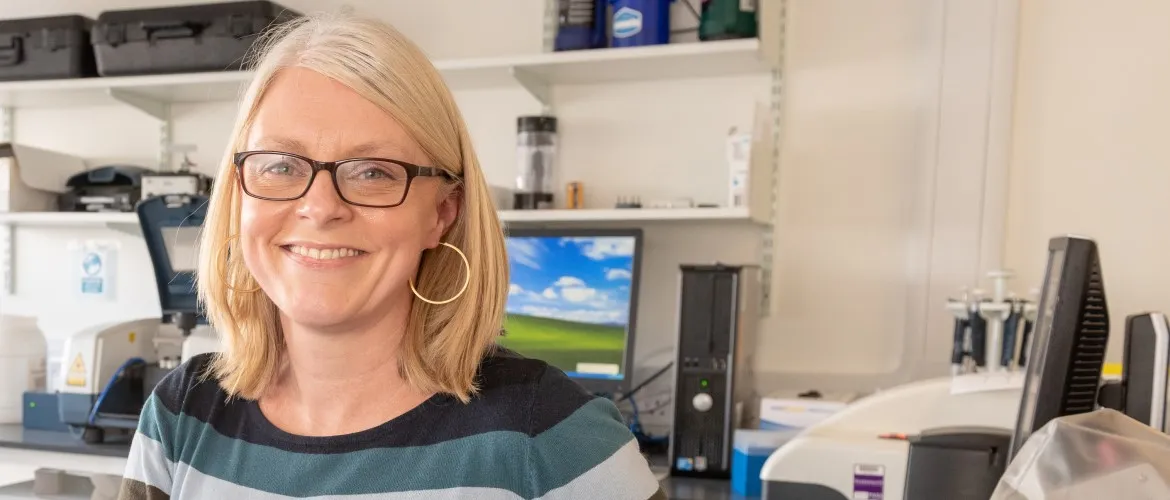
Prof Ann Dixon
Deputy Head of Department (People & Culture)/Athena Swan Lead
Ann.Dixon@warwick.ac.uk
Pronouns: She/Her/Hers
Role on the Committee:
I am an academic member of the committee and my role is oversight of Athena Swan.
Why inclusion is important to you:
Inclusion means creating environments where everyone feels valued and respected, with the aim of fostering community and belonging. Having inclusion at the heart of our work helps to break down systemic barriers for marginalised groups and challenges the status quo, ultimately leading to a more dynamic and better performing department.
The perspective, experience, and skills I bring:
As a previous Athena Swan lead and ED&I committee chair, I understand the impact of even small changes on the experiences of staff. My work on university level committees (e.g. Gender Task Force, SEM ED&I) helps me to best direct information upwards to facilitate real change.

Dr Livia Bartók-Pártay
Associate Professor - Reader (Academic)
Livia.Bartok-Partay@warwick.ac.uk
Role on the Committee:
I am responsible for coordinating the department's culture surveys and co-organising the annual Women in Chemistry roundtable discussion.
Why inclusion is important to you:
I strongly believe that people can truly thrive only in a fair and inclusive environment. Ensuring that everyone has access to the same opportunities and support leads to the best outcomes for both teaching and research.
The perspective, experience, and skills I bring:
I have been involved in EDI committees for almost ten years. Through these roles, I have gained experience in supporting initiatives that promote an inclusive culture and helping to ensure that a range of perspectives are considered in departmental decision-making.

Dr Bora Karasulu
Associate Professor (Academic)
Bora.Karasulu@warwick.ac.uk
Pronouns: He/Him/His
Role on the Committee:
I am a member of the Chemistry ED&I Committee and serve as Data Champion for the Athena Swan Self-Assessment Team, supporting the Department’s next Athena Swan renewal application.
Why inclusion is important to you:
I believe that scientific progress depends on the quality of ideas, and that everyone should have the opportunity to contribute, regardless of nationality, gender, ethnicity, religion, sexual orientation, or background. Having studied and worked in several countries, I have experienced the value of international and diverse academic environments first-hand. These experiences have strengthened my commitment to building a culture in which people feel respected, supported, and able to thrive.

Dr Rachel Hand
Assistant Professor (Academic)
Rachel.A.Hand@warwick.ac.uk
Pronouns: She/Her/Hers
Role on the Committee:
Events & Training Co-ordinator
Why inclusion is important to you:
Ever since I was told not to bother applying for Chemistry by my (middle aged, white, male) A-level teacher, I have been passionate about increasing diversity in science (even if originally it was to prove him wrong).
Now that I am further along in my career, I want to give back to future generations, knowing how important representation is. The most obvious example to me is the “Draw a Scientist” testLink opens in a new window, when originally this was carried out in the 1960s, 99% of children drew male figures, while this has improved, there is still a long way to go with both gender stereotypes and representation for other minorities. This is also why I regularly participate in a variety of Outreach Activities both on campus and externally.
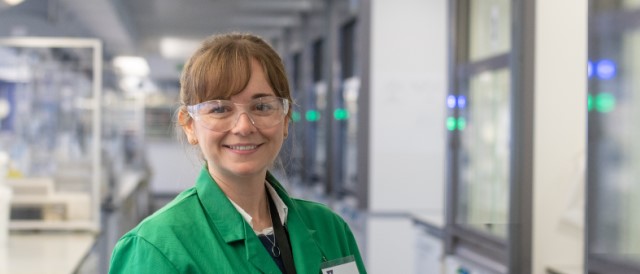
Dr Dani Pearson
Associate Professor (Academic)
D.Pearson.2@warwick.ac.uk
Your role on the committee:
I am the Education Lead on the Department of Chemistry EDI Committee. My role focuses on supporting inclusive teaching, learning, and assessment practices across the department, with particular emphasis on practical laboratory teaching, reasonable adjustments, student experience, and staff support. I also contribute to wider discussions about how we can embed EDI principles into departmental education processes, curriculum design, and teaching practice.
Why inclusion is important to you:
Inclusion is important to me because students and staff should be able to participate, contribute, and thrive without unnecessary barriers. Much of my work focuses on practical teaching, where small changes to design, communication, assessment, or support can make a significant difference to learners’ confidence and success. I believe inclusive education benefits everyone: it improves clarity, belonging, engagement, and fairness, while helping us build a learning environment where difference is recognised as a strength.

Dr Tania Read
RTP Platform Manager (Technical)
Tania.L.Read@warwick.ac.uk
Why inclusion is important to you:
I believe inclusion is vital, ensuring voices from the whole community are heard. When everyone feels included and welcome, we are able to foster stronger collaborations and an environment where diversity of thought leads to excellence in scientific research.
The perspective, experience, and skills I bring:
Having been Chair of the Postdoctoral Society of Chemistry, I have a strong awareness of the challenges facing early career researchers in modern academia, and have experience planning and implementing events and campaigning for departmental changes to offer support with these challenges.
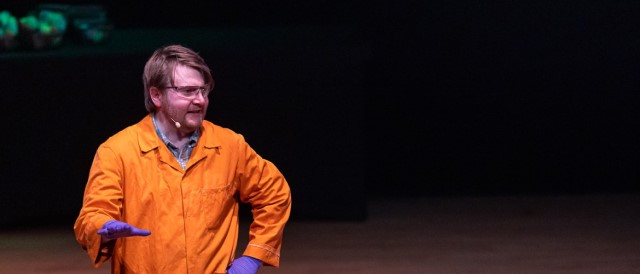
Dr Alex Baker
Assistant Professor (Academic)
Alexander.Baker@warwick.ac.uk
Why Inclusion is important to you:
I believe that only through intentional activities and decisions can we deliver an equitable department that works for everyone and enables everyone to thrive. A more equitable department is important as only by achieving this can we hope to make the world a better place in the long term.
The perspective, experience, and skills I bring:
I have worked across many university committees and have helped deliver more secure contracts for PGRs and parental leave policies etc. As such, I have seen how the university works around EDI and research culture issues. I have also published on mental health and inclusion in STEM and Chemistry.

Elise Bennett
Research Administrative Officer
(Professional Services)
E.Bennett.1@warwick.ac.uk
Pronouns: She/Her/Hers
Role on the Committee:
As Chemistry’s Research Administrative Officer, I work closely with academic and professional services colleagues to support research excellence, collaboration and researcher development.
Why inclusion is important to me:
My membership of the EDI Committee provides an important link with the Chemistry Research Committee, helping to ensure that EDI considerations are embedded within our research culture and activities. I bring my experience in stakeholder engagement, communications, data-informed decision-making and effective relationship building.
The perspective, experience, and skills I bring:
As a woman who grew up in a postcode where kids weren’t expected to aspire to go to university, inclusion is important to me. I am very much an advocate of diverse perspectives underpinning innovative, impactful and representative scientific research.

Dr Tom Ritchie
Associate Professor - Reader (Academic)
Tom.Ritchie@warwick.ac.uk
Pronouns: He/Him/His
Role on the Committee:
I'm an academic member of the committee. My focus areas overlap with my roles as Director of Student Experience and Academic Lead for AI in Education, so I tend to look at EDI through the lens of student experience, belonging, and how emerging technology like AI intersects with equity in the classroom.
Why inclusion is important to me:
Belonging isn't a satisfaction score. It's a duty of care. If people don't feel they belong, nothing else works properly, not retention, not wellbeing, not the science itself. I've seen what happens when that duty of care is missing, and what changes when a department takes it seriously.
The perspective, experience, and skills I bring:
I co-lead We are Chemistry in the department, which won the RSC Inclusion and Diversity Award in 2025, and led to the development of Warwick's Building Belonging Framework in 2024. This work led to me founding the Centre for Belonging in Education, a national and international initiative connecting belonging practitioners, policymakers, and researchers around the world. I'm a historian by training working in a science department, and that cross-disciplinary angle shapes how I approach problems here.
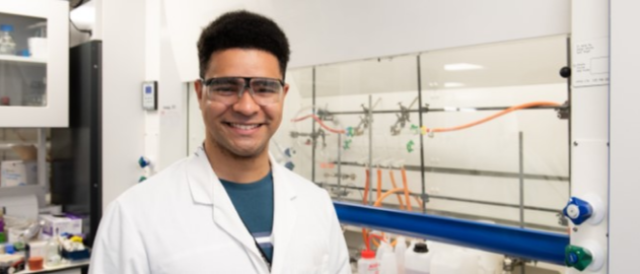
Dr James Duncan
Research Fellow (Academic)
James.Duncan@warwick.ac.uk
Role on the Committee:
Postdoc representative
Why inclusion is important to me:
Building and maintaining a diverse and inclusive working environment is essential for a productive and successful research and teaching department. I believe this extends to the wider world; I think life is better when we draw from a variety of different experiences.
The perspective, experience, and skills I bring:
As I am also a founding committee member on the Warwick Chemistry Postdoctoral Society (WCPS) and sit on the departmental research committee (ECR representative), I am well placed to interconnect the many different perspectives that various interest groups within the department have. Having previously been at several other universities (University of Leeds, Imperial, Loughborough) all of which had different ways of running a chemistry department, I can also bring some of the positive actions that were implemented at those institutions to this department.

Dr Jacob Sargeant
Assistant Professor (Academic)
Jacob.Sargeant@warwick.ac.uk
Role on the Committee:
Training and Events Coordinator
Why inclusion is important to you:
Everyone deserves a chance to study and work the same as any other person. People sometimes only realise exclusion happens when they are on the receiving end but preventing this allows everyone to thrive and feel part of a team.
The perspective, experience, and skills I bring:
Having studied at Warwick and returned following a job in industry it is great to see how much we aim to bring the department together and work as a coherent body. As someone that works closely with all year groups, I feel that I can promote EDI initiatives and continue to discuss/ develop ideas in collaboration with out students.
Kit Finn
Undergraduate Student
Pronouns: They/Them/Theirs
Role on the Committee:
I am the UG EDI Officer.
The perspective, experience, and skills I bring
I bring a student-led perspective to EDI issues facing the department. As someone who has been in this position for 18 months, my understanding of issues affecting the cohort has grown with my degree. I previously did similar work at my sixth form and have personal stakes in equity and inclusion issues.
What you’d like to help achieve through your involvement:
My goal with my role is to bring balance to a committee that could otherwise misunderstand student issues.
Duong Nguyen
PhD Student
Pronouns: She/Her/Hers
Role on the Committee:
Postgraduate Student Representative
Why inclusion is important to you:
Having lived, studied, and worked across distinct academic systems in Vietnam, Italy, and the United Kingdom, I understand the profound impact that a welcoming environment has on a researcher's success. True inclusion removes systemic barriers and ensures that individuals from all walks of life feel safe, respected, and empowered to contribute their best ideas to the scientific community.
The perspective, experience, and skills I bring:
I bring a multifaceted international perspective and a proven track record in academic administration and student support. My journey-spanning a BSc in Vietnam, an MSc in Italy, and a PhD at Warwick-allows me to closely relate to the diverse challenges faced by international postgraduates. Additionally, my previous professional roles as a teaching fellow and an international coordinator have equipped me with the collaborative, communicative, and organizational skills necessary to advocate effectively for student welfare and equity.