This network is to map, connect, and showcase the university's fragmented resilience-related expertise; amplify work from departmental schemes into a sustainable, inclusive, and interdisciplinary institutional network.
To promote your work and facilitate cross-departmental collaboration, we are building a directory of resilience researchers.
Open the attached PowerPoint template.
Select your preferred colour box (delete the others), fill in your details, input your relevant publications, projects, and resources.
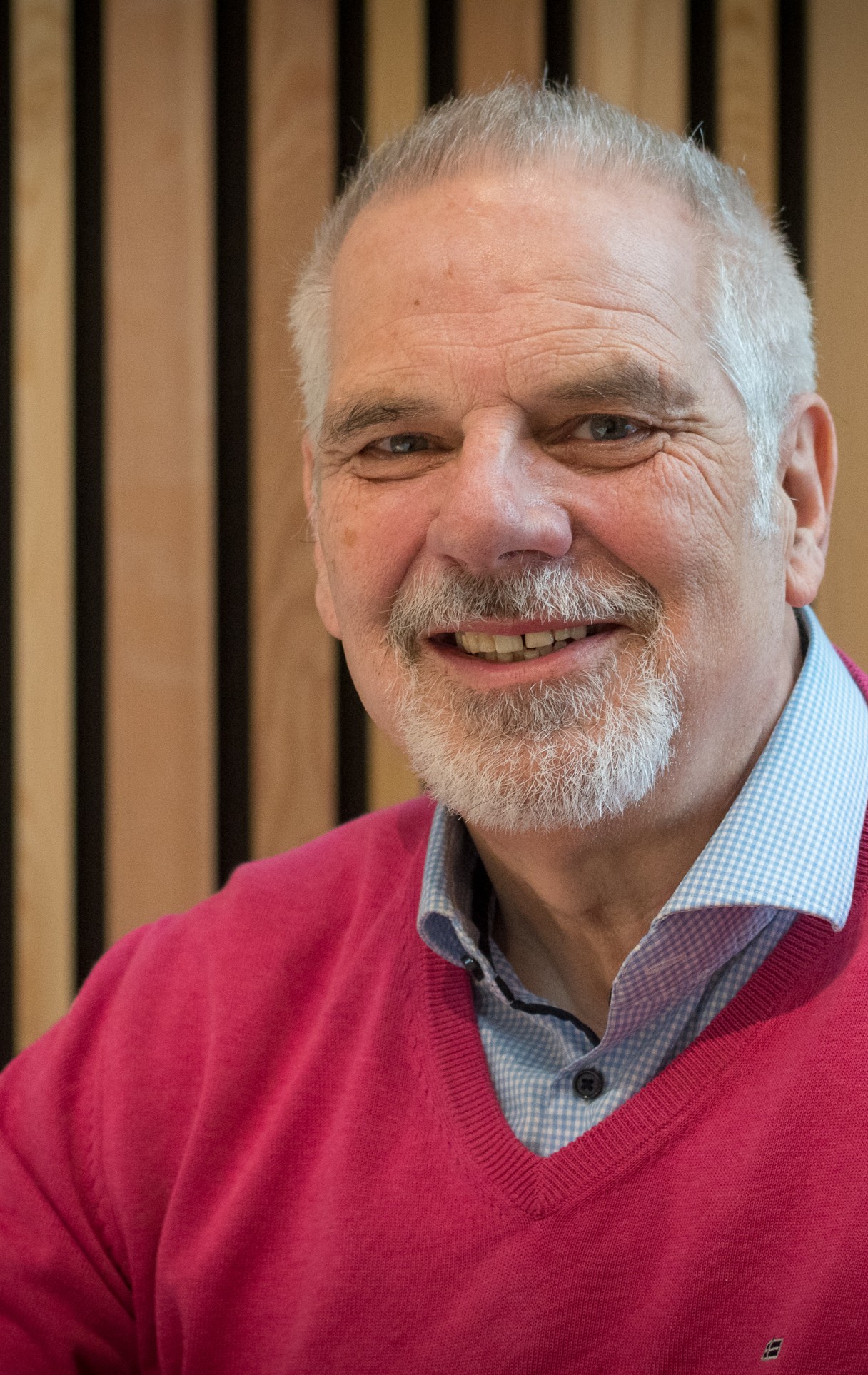
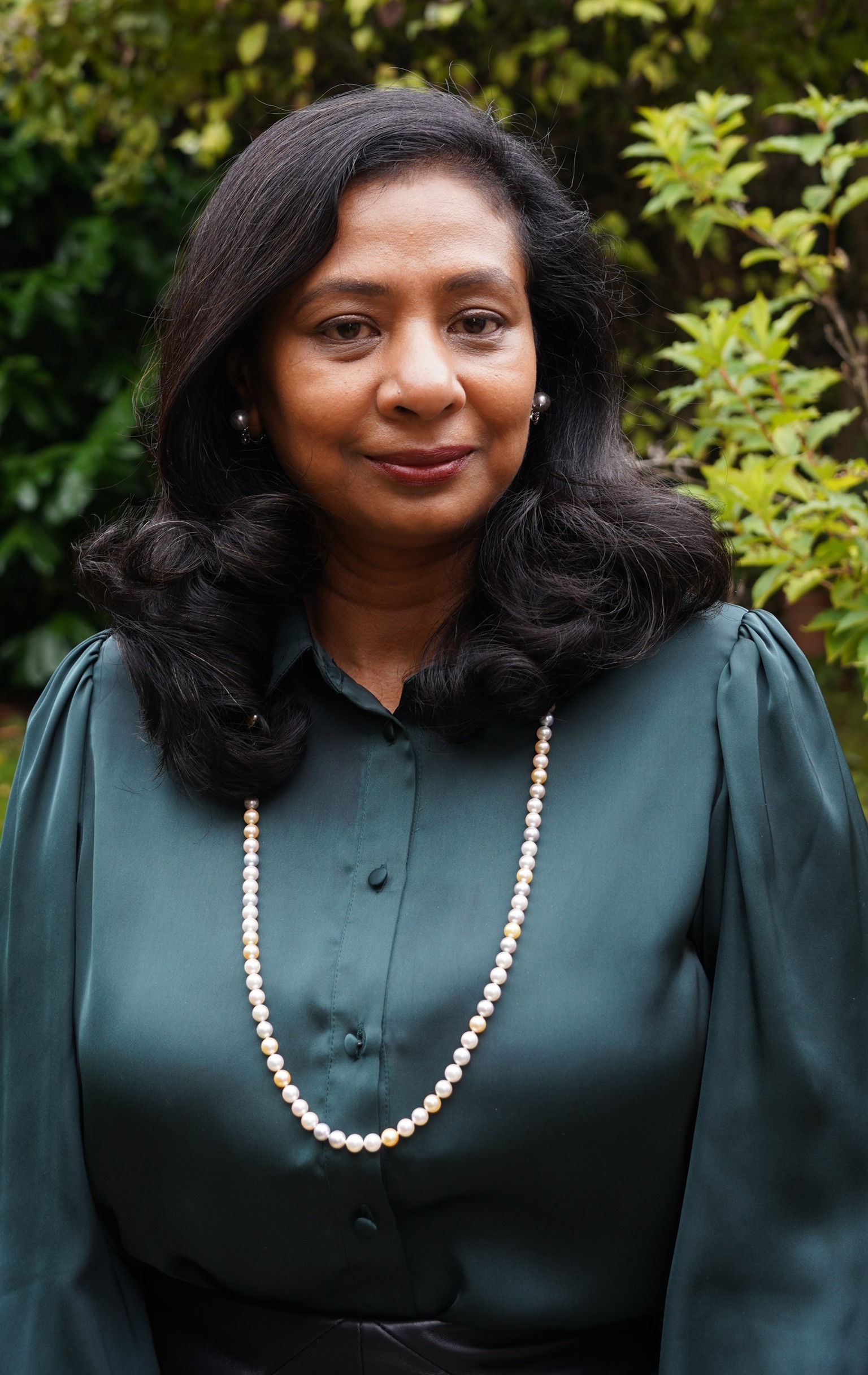
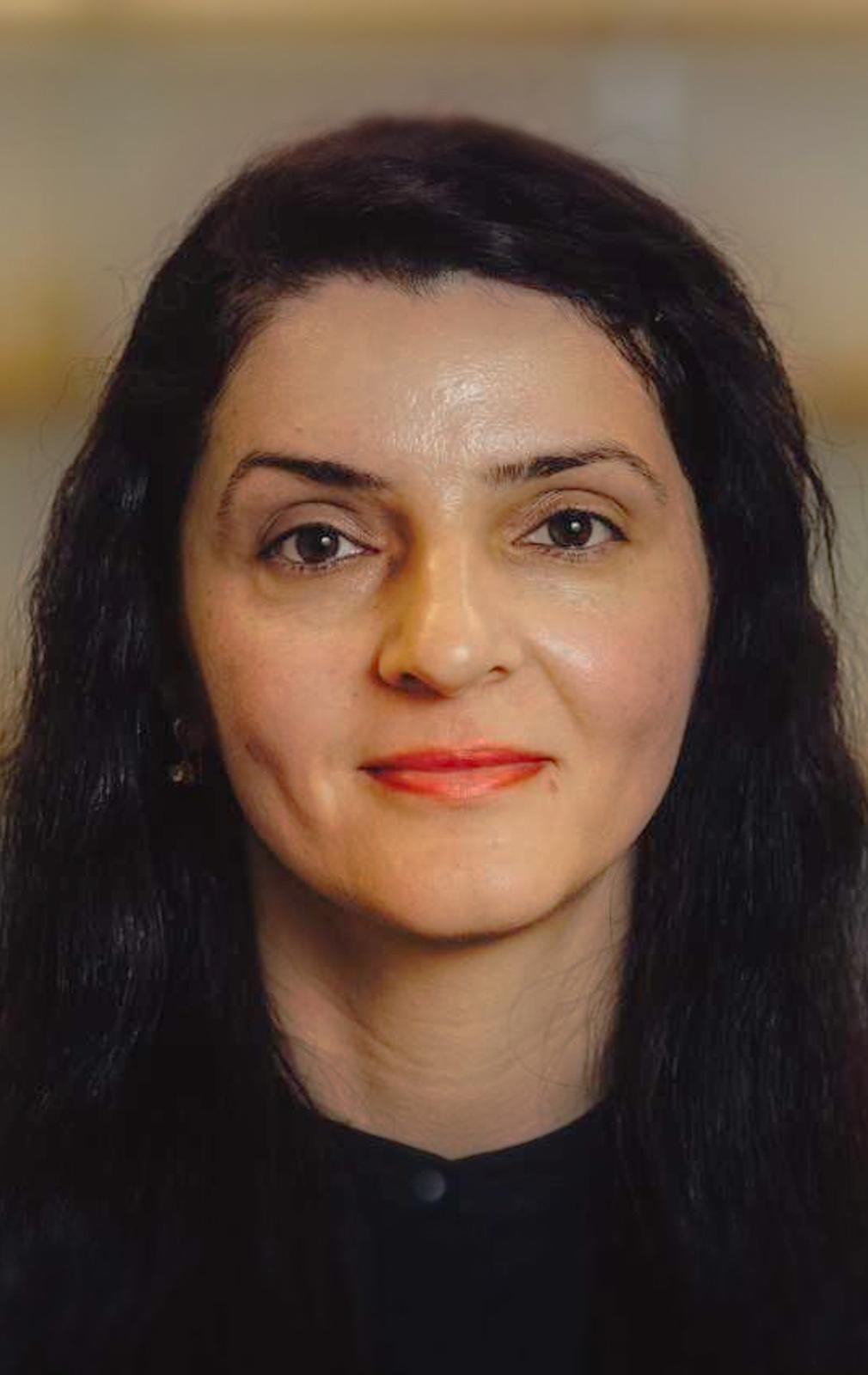
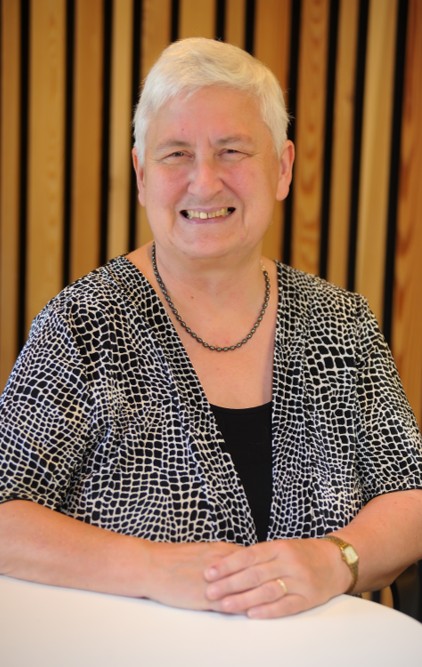
Crucial:Save and return the file as a PowerPoint (.pptx) file along with a high-resolution head shot photo on the slide. We will extract the text to build the accessible web page.
Unify fragmented expertise spanning all three faculties, including departments like WMG, Psychology, Business, Engineering, Economics, Medical, Humanities, and more. Transitioning from the current arrangement of ad-hoc personal relationships into a visible, robust collaborative network.
Centre Warwick as an Institution for Resilience
Embed academic insights and strategic planning at the centre of Warwick's governance and academic activities. Developing cross-disciplinary interconnections and expertise to be a national leader in resilience thought, delivered through institutional action through governance decision making and high-impact multi-disciplinary research bids.
Elevate & Platform Talent
Provide visibility to PhDs, ECRs, and technical staff via an inclusive, flat structure, which enables all members to contribute, grow, develop ideas and contribute.
Background
Dr Luke Bellamy identified that parallel, uncommunicated resilience research was occurring within WMG. Upon consulting the interdisciplinary directory, he discovered substantial resilience research across other university departments and recognised a clear opportunity for collaboration. To address the persistent issue of siloed working across the university, he sought funding from the Enhancing Research Cultures fund. Although he lacked existing contacts outside his department, he reached out to Dr Evangelos Pitidis, a resilience researcher within the IGSD. Following widespread researchers identified from numerous departments, they submitted a joint bid. Their successful application provided the funding required to establish the Warwick Resilience Network.
The Future
Dr Luke Bellamy and Dr Marina Mendonca are working together for the next research culture funding round, seeking a larger funding pot to establish the Warwick Resilience Network more formally within the university with the aims of:
Supporting ECRs and technical staff through co-creation problem solving activities.
Establish an expert-led board of advisors for institutional resilience, raising the profile and experience of diverse resilience network members
Secure spotlight membership
Act as a strategic resilience research incubator for ideas and large interdisciplinary grants
Network Launch Event
Summary
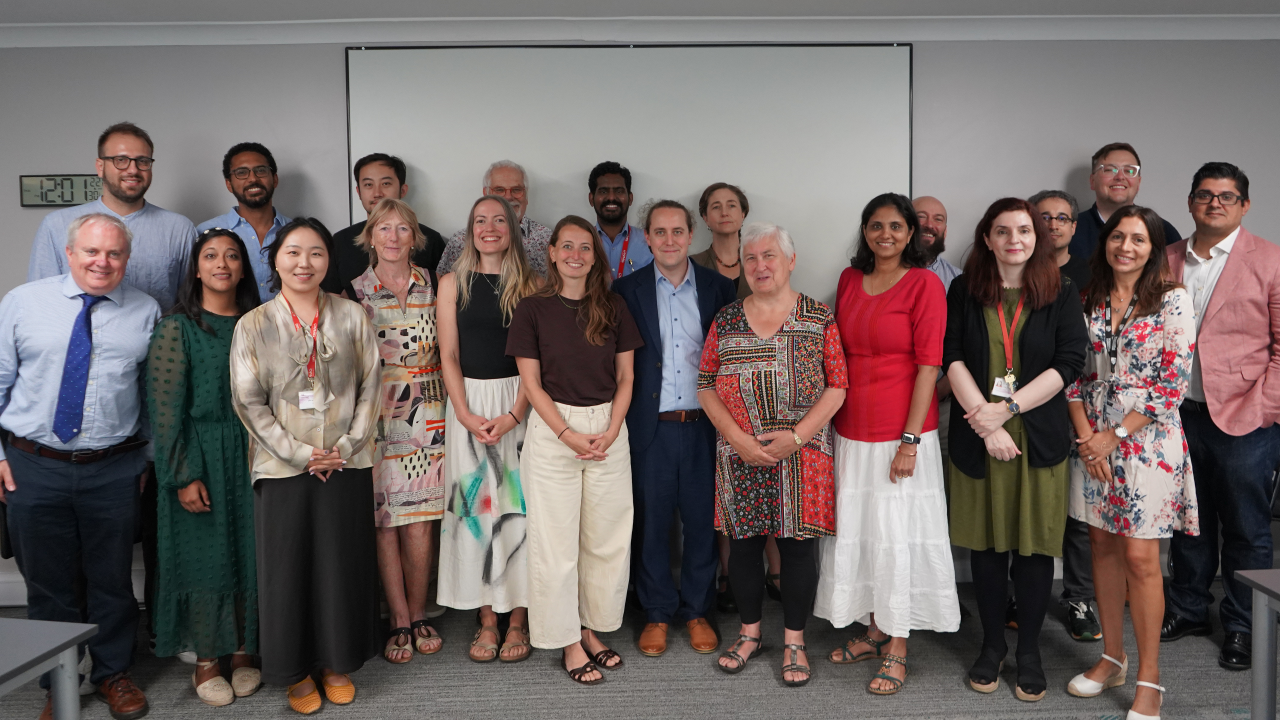
The launch event workshop (30th July 2026) brought together academic researchers, professional services staff, and technical specialists from across the university to explore multidisciplinary perspectives on resilience. The event addressed research silos, explored disciplinary definitions, critically examined the term "resilience," and established a roadmap for future interdisciplinary collaboration and shared institutional governance.
Key Takeaway: Resilience is a dynamic, multi-layered concept spanning micro (individual/psychological), meso (organizational/community), and macro (societal/systems) levels. Successful network outcomes require balancing technical and risk management frameworks with a strong human-centric approach, critical theoretical awareness, and proactive cross-faculty collaboration.
The event served as an experimental, kick-off meeting designed to dismantle institutional silos and establish a foundation for the Warwick Resilience Network (WReN). By bringing together researchers, Early Career Researchers (ECRs), technical staff, and professional services across diverse departments from all three faculties, the workshop aimed to explore how different fields conceptualise resilience, identify shared ground between individual and systemic perspectives, and create an inclusive platform for future interdisciplinary grant opportunities and sustained collaboration.
Network Reach & Attendance
Current Membership: 85 members across diverse departments (including Psychology, WMG, Economics, History, Politics/PAIS, Global Health, Business School, Education Studies, and Central Governance).
Workshop Attendance: ~27 live attendees with 20 apologies (impacted by summer schedule/childcare, conferences, and illness out of 49 initial sign-ups).
The workshop highlighted distinct disciplinary lenses through which resilience is conceptualised:
MACRO LEVEL Global Health, Security, Environment, Nations
Resilient: Individual personality trait ("what it takes").
Resilience: Outcome where an individual performs better than expected given a specific adversity.
Resiliency: The dynamic process and protective mechanisms (e.g., parenting, peer support) that foster positive outcomes.
Role of Adversity: Resilience is only relevant when exposed to genuine adversity.
Bouncing Back vs. Growth: Distinction between returning to baseline functioning ("bouncing back") versus experiencing "post-traumatic growth" / "bouncing forward."
Urban Planning & Social Sciences:
Views resilience through community systems, urban planning, and critical geography.
Treats resilience as a boundary object with varied meanings across fields.
Warns against uncritical adoption, noting that communities sometimes reject being labeled "resilient" when it is used to mask systemic neglect.
Focuses on strategic risk evaluation, business continuity, and incident management.
Operates a structured command structure for major incidents: Gold (Strategic) --> Silver (Coordination) --> Bronze (Operational).
Project Management & Engineering:
Focuses on socio-technical systems, digital data (AI, digital twins), and building a proactive "collaborative culture" to manage project uncertainties.
Global Health, Security, & Environment:
Ranges from macroeconomic health system shocks (e.g., donor funding cuts) to national security, state stability, and physical/environmental adaptation shorthand.
Participant Demographics
Primary Roles: Assistant Professors (5), Associate Professors (3), Professors (2), Academic Technologists, Lead Engineers, Head of Risk & Resilience, Research Culture Managers, and Strategic Planning Leads.
Top Departments Represented: Psychology (5 responses) and WMG (4 responses), alongside Economics, Education Studies, Engineering, Governance & Assurance, HVM Catapult, Medical School, Politics/PAIS, RIS, and WBS.
Prominent Research Topics: Supply Chain (4 responses), Maths Anxiety, Decision-Making, Educational Technology, Global Health, Institutional Memory, National Security, Perinatal Health, and Positive Psychology.
Sentiment & Agreement Ratings
Participants rated core statements on a 1-to-5 scale (1 = Strongly Disagree, 5 = Strongly Agree):
Statement
Mean Score
Key Distribution & Sentiment
"The term resilience is regularly misused"
3.5
High agreement (11 of 23 scored 4 or 5).
"Resilience is an understood concept in my field"
3.3
Moderate agreement (10 of 23 scored 4 or 5).
"The gap with resilience is in application, not theory"
3.2
Center-weighted (10 neutral [3], 8 agreed [4 or 5]).
"Resilience is a controversial term in my field"
2.5
Mostly disagreed (14 of 23 scored 1 or 2).
"Resilience and Sustainability are the same thing"
2.1
Strong disagreement (18 of 23 scored 1 or 2).
Consequences of a Lack of Resilience
Organizational & Project Failure: System breakdown, operational chaos, project failure, and inability to function during disruptions.
Wellbeing & Human Impact: Severe burnout, decreased mental health, insecurity, and individuals falling through institutional cracks.
Strategic Decline: Loss of talent and institutional memory, reduced research innovation, and vulnerability to policy/funding shifts.
Financial & Reputational Damage: Direct monetary losses, supply chain collapse, and brand erosion.
Contact Luke for more detailed results.
Panelists: Neil Slattery (Professional Services), Prof. Dieter Wolke (Psychology), Dr. Georgios Kapogiannis (WMG). Host: Dr Luke Bellamy.
Key Panel Contrasts
Risk Management
Resilience
Focusing on foresight and avoidance
Systems, data, modelling
Coporate Structures & KPIs
Capacity to cope when exposed
Human-centric adaptation & Growth
Protective factors and learning
Human Element vs. Infrastructure: * Dieter's Critique: Institutional models frequently over-invest in corporate structures, digital tools, and risk avoidance while neglecting the core driver of institutional resilience: its people (academics, staff, and students).
Neil's Response: Acknowledged that while plans provide useful frameworks, real-world recovery during prolonged crises relies entirely on human capability and wellbeing.
Interdisciplinary Funding Barriers:
Structural funding silos penalize cross-disciplinary projects. For example, perinatal studies fall between the Medical Research Council (MRC - viewing school aspects as non-medical) and the Economic and Social Research Council (ESRC - viewing health aspects as medical).
Distinguishing Risk Management from Resilience:
Risk Management prioritizes foresight, quantification, and avoidance.
Resilience begins when risk or adversity actually occurs, focusing on adaptive capacity, coping strategies, and recovery.
Controlled Risk-Taking & Simulation:
Rather than sheltering systems or individuals entirely, environments should facilitate safe risk-taking to build adaptive capacity. High-tech interventions (e.g., VR bullying simulations or flight simulators) allow safe scenario testing.
Critique & Feedback: Whilst the panel was diverse in professional backgrounds, they were not in lived experience, which would be important to capture in the future.
Group 1: Built Environment, Behaviours, & Community
Relationships as Foundation: Physical space shapes behavior, but interpersonal relationships form the core of community resilience.
Social Rules: Shared spaces require clear social structures/rules (e.g., minimum in-person days) to foster spontaneous interaction and reduce isolation among younger staff/students.
Cultural Context: Cultural expectations prioritising absolute self-sufficiency can impede resilience by framing requests for help as weakness.
Group 2: Governance, Security, & Adaptive Capacity
Explicit Costs: Adaptive capacity carries tangible costs—whether financial investments in business continuity, personal health/energy costs, or household discipline.
Unintended Consequences: Interventions intended to solve one risk can inadvertently generate secondary conflicts or collateral impacts across connected systems.
Group 3: Crisis & Risk Communication
Proactive "Muscle Building": Reactive firefighting must be replaced with proactive capability building (analogous to building physical muscle mass before health issues occur).
Capitalistic vs. Sustainable Focus: Tackled tensions between short-term financial ROI/KPIs and long-term human/environmental sustainability during crises (e.g., protecting factory machinery vs. supporting affected workers during flood events).
Group 4: Digitization, AI, & Systems Resilience
Predictive Decision-Making: AI and digital twins enable proactive scenario modeling (e.g., predicting flood impacts instead of relying solely on physical barriers).
Citizen Science: Digital platforms empower local populations and staff through active participation, data co-creation, and localized agency.
Before defining network outcomes, the group explicitly integrated critical theory perspectives:
Avoiding Uncritical Positivity: Resilience should not be treated purely as an unquestioned "good."
Devolution of Responsibility: Critical geography and social sciences warn that resilience rhetoric can be weaponised by institutions or state actors to shift responsibility for systemic failures onto vulnerable individuals.
Western/Colonial Biases: Frameworks must avoid imposing rigid, Westernised definitions of adaptation that ignore local contexts, historical factors, and cultural nuances.
To build an enduring institutional presence, the WRN agreed upon the following strategic framework and immediate operational steps:
Shared Language & Categorization Framework
Pillars: Categorise research and initiatives around People, Process, and Technology (PPT).
Scales: Map concepts across Micro (Individual), Meso (Organizational/Community), and Macro (Societal/Systems) levels.
Shared Language Framework
People
Process
Technology
Micro Level
Individual / Psychological
Meso Level
Organisational / Community
Macro Level
Societal / Systems
Key Network Initiatives
Termly Seminar Series: Host termly knowledge-exchange sessions featuring 15-minute cross-faculty talks structured around the PPT framework to build vocabulary alignment.
Peer Pairing / Mentoring Scheme: Match members across departments to encourage peer learning outside formal meetings.
Centralized Digital Hub: Establish an accessible website showcasing projects and funding streams, paired with an active Microsoft Teams channel for ongoing discussion.
Operational Integration: Partner directly with central Professional Services (Risk & Resilience) to apply academic findings directly to university operational procedures.
Inclusivity: Expand network scope to explicitly include PhD students, Early Career Researchers, and technical staff.
Governance Structure
Agile Co-Leads: Maintain streamlined leadership for clear decision-making.
Advisory Group / Steering Committee: Form a representative panel ("critical friends") spanning all three faculties, professional services, and varied career stages to ensure broad representation.
Immediate Funding: Submit an updated bid to the Research Culture Fund incorporating the workshop's co-created outcomes and governance vision.
WReN Staff Profiles
Warwick Resilience Network Profile
Name
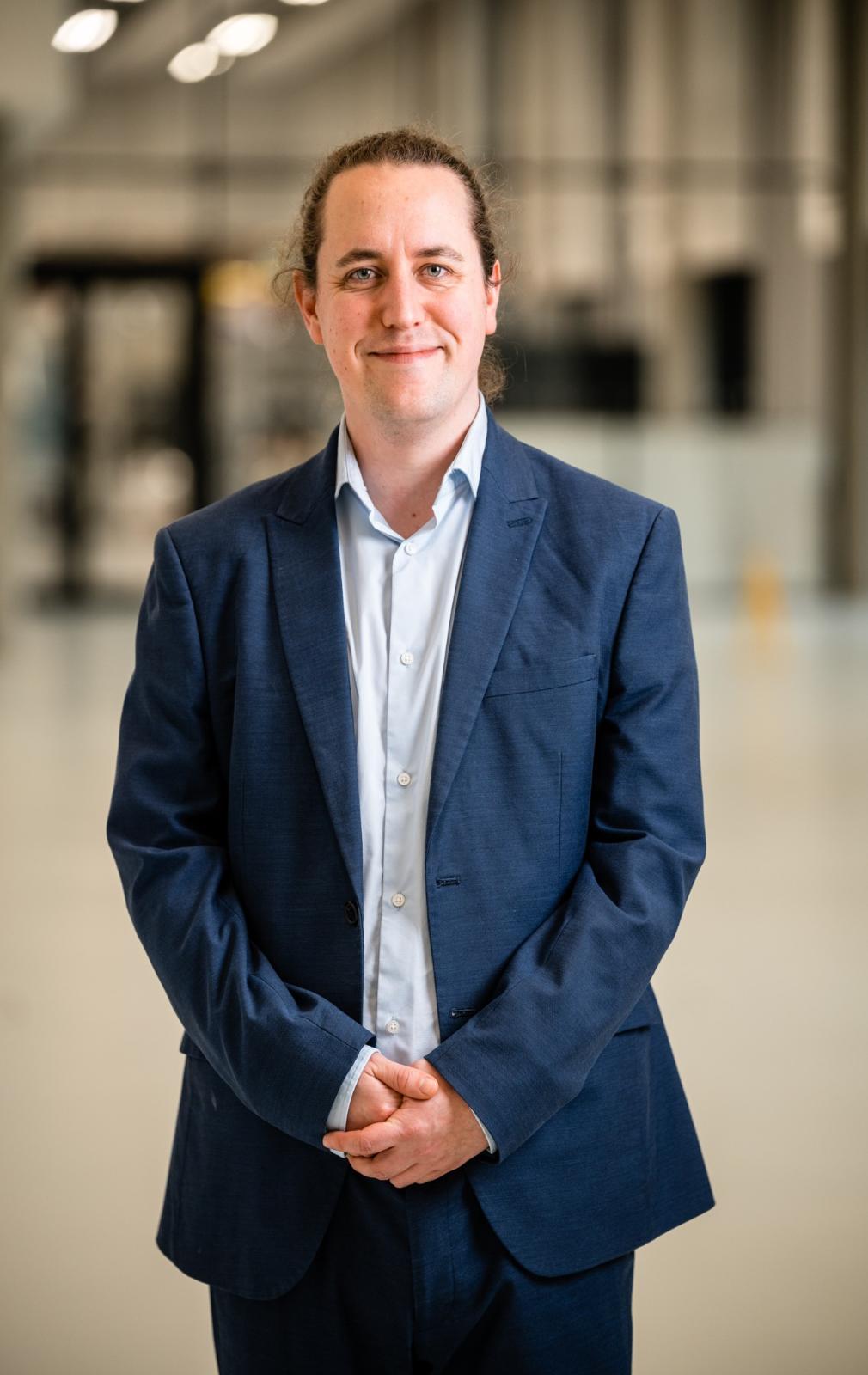
Dr Luke Bellamy
Dept. and Faculty
WMG, SEM
Role
Professional Researcher (Lead Engineer)
Core Focus
Industrial & Supply Chain Resilience
Relevant Publications, Projects & Resources:
Supply Chain Resilience Hub
https://supplychainresiliencehub.com/
Resilience Navigator
https://scrn.digitalsupplychainhub.uk/
Research & activities:
Dr Luke Bellamy is the Lead Engineer for Industrial Resilience within the Chief Technology Officer (CTO) team at WMG. He operates at the intersection of academic research and industry to support manufacturing supply chains. Luke co-founded the Warwick Resilience Network to foster interdisciplinary synergy across the institution. His high-impact technical work, delivered in partnership with the High Value Manufacturing Catapult, focuses on circular economy design, resource security and supply chains. By developing digital capabilities such as the Supply Chain Resilience Navigator and practical decision-support tools, Luke translates complex academic theory into robust, systemic solutions that deliver long-lasting industrial and societal impact.
Contact
LinkedIn
https://www.linkedin.com/in/lgpbellamy/
Email
Luke.Bellamy@Warwick.ac.uk
Warwick Resilience Network Profile
Name
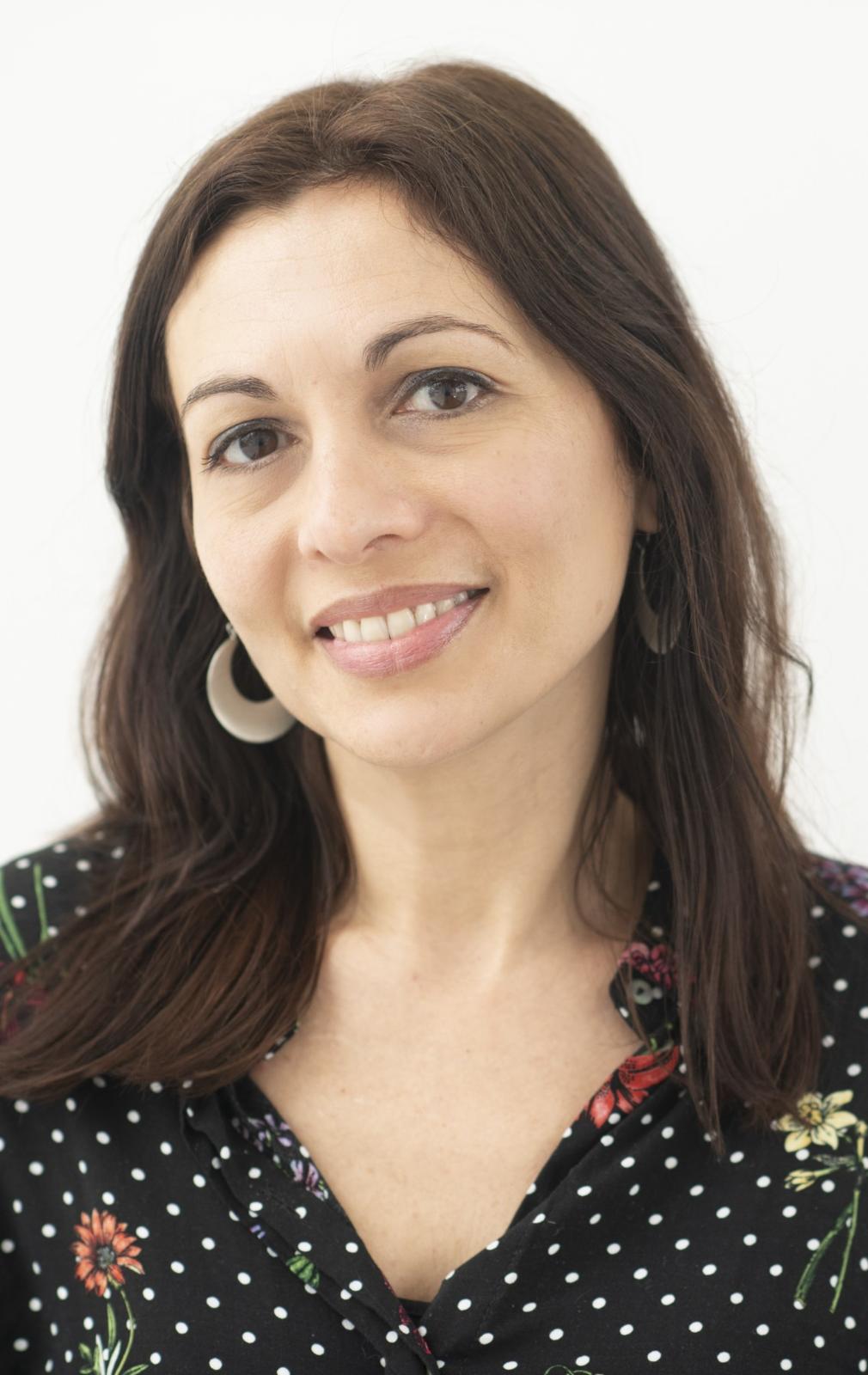
Dr Marina Mendonça
Dept. and Faculty
Psychology
Role
Assistant Professor
Core Focus
Adversity and lifespan development and wellbeing
Relevant Publications, Projects & Resources:
Relevant Publication:
Wolke, D., Zhou, Y., Liu, Y. Eves, R., Mendonça & Twilhaar. (2025). A systematic review of conceptualisations and statistical methods in longitudinal studies of resilience. Nature Mental Health. https://doi.org/10.1038/s44220-025-00479-3
Orcid:
https://orcid.org/0000-0002-9224-4891
Projects:
IMPROVE PRETERM - IMPROVing lifElong health and development for children and adults born PRETERM (Horizon Europe)
Understanding how women conceptualise the impact of menopause on academic careers (ERCF)
Research & activities:
Marina is an Assistant Professor in the Department of Psychology. Her research interests are in lifespan development and resilience. with a particular focus on the processes that enable individuals to overcome adversity and sustain wellbeing. Her current work includes understanding the resilience processes that enable some individuals very born preterm to overcome early challenges and achieve healthy adult lives (Horizon Europe - IMPROVE PRETERM project), and 2) understand how biopsychosocial factors, including resilience factors, may influence the menopause transition.
Anuradha’s research focuses on collaborative learning, sustainability, interdisciplinary pedagogy, open educational practices, and digital pedagogy, with a particular interest in designing inclusive learning environments that foster collaboration across cultures and disciplines. I am the founder of the Open eDesign initiative, which promotes student co-creation and open innovation through collaboration between academia and industry. I serve as a co-facilitator and research team member in Open Networked Learning (ONL) and actively contribute to the Global OER Graduate Network (GO-GN) and open education communities.
Professor of Developmental Psychology and Individual Differences; Lead Warwick Lifespan & Neonatal Group
Core Focus
Lifespan research Risk Populations; Resilience
Relevant Publications, Projects & Resources:
Portofolio of studies on resilience
Warwick Lifecourse & Neonatal Group (WarwickLNG);
Resilience core paper example
A systematic review of conceptualizations and statistical methods in longitudinal studies of resilience | Nature Mental Health
Research & activities:
Prof Dieter Wolke is or has been the lead of a range of large longitudinal studies of children born at risk or exposed to risk (e.g. very preterm born, being bullied in the family or by peers; social disadvantage). He is currently holder of an ERC-ADG related to the study of resilience. He leads or has co-led studies that include the Bavarian Longitudinal Study (birth to 38 Years), EPICure studies, Understanding Society or ALSPAC. He has been a pioneer in how to methodologically approach the study of resilience in humans and identified various environmental and recently genetic liability that help to overcome adversity.
Examples of current examples of the identification of levers for intervention are: Fostering positive mental health outcomes in vulnerable children: Pathways to resilience after preterm birth - Twilhaar - 2025 - Journal of Child Psychology and Psychiatry - Wiley Online Library; Childhood experiences partly explain adult outcomes after very preterm or very low birth weight | Child Development | Oxford Academic
Contact
LinkedIn
www.linkedin.com/in/dieter-wolke-prof1
Email
D.Wolke@warwick.ac.uk
Warwick Resilience Network Profile
Name
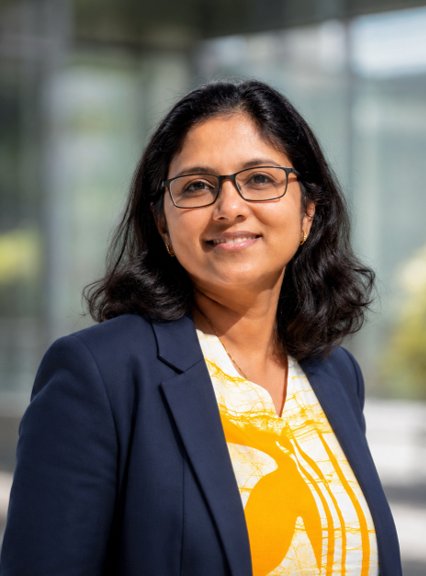
Dr Kogila Balakrishnan
Dept. and Faculty
WMG,
Role
Director, Policy Engagement and Partnership Engineer)
Core Focus
Industrial, Technology and Innovation Policy, Defence Economics and Sovereign Capability
Relevant Publications, Projects & Resources:
Technology Offsets in International Defence Procurement ( Routledge, 2018)
Technology mobility, critical mineral and sovereign capability
UK-ASEAN Battery Governnace Programme
Circular economy, Industrial Policy ,Industrial and National Resilience
SEA EV Transition Programme
Systems thinking and Industrial transformation
Defence Industry Capability International Policy Engagement
Industrial Participation, Offsets, Procurement and technology transfer
Research & activities:
Dr Kogila Balakrishnan works at the intersection of industrial policy, innovation and international collaboration to strengthen industrial resilience and long-term national capability. Her interdisciplinary research spans technology policy, sovereign capability, defence economics, advanced manufacturing, critical minerals, electric mobility and innovation ecosystems. Working closely with governments, industry, academia and international organisations, she translates research into practical policy frameworks, collaborative programmes and strategic partnerships that support resilient supply chains, industrial transformation and sustainable economic development.
A key focus of Holly’s research is resilience and its role in enabling individuals to navigate and manage everyday challenges. Her work spans personal resilience, academic resilience, teacher resilience, and mathematical resilience, with a particular interest in how resilience can be developed and sustained within educational contexts. Holly has presented her research at a range of international conferences and is committed to exploring how resilience can support self-efficacy, learning, wellbeing, and long-term success in education and beyond.
Johnston-Wilder and Lee (2024) The Mathematical Resilience Book. Routledge
Resource
The Mathematical Resilience Network
Resource
Coaching for Mathematical Resilience
Resource
Parenting for Mathematical Resilience
Resource
Developing Mathematical Resilience 1-1
Resource
Further readings on WRAP
Research & activities:
Sue works at the intersection of mathematics education research and educational practice to improve learning outcomes and opportunities for all learners of mathematics. Sue has led and contributed to major national and international initiatives that foster collaboration across schools, universities and professional communities. Her high-impact work focuses on mathematics teaching, teacher development and equity in education, with particular emphasis on developing mathematical resilience and confidence. By creating practical frameworks, professional learning programmes and evidence-informed educational resources, Sue translates robust academic research into sustainable approaches that support teachers and teaching assistants, empower learners and deliver lasting educational and societal impact.
L. Eigentler, M. Sensi: Wavelength selection for periodic travelling waves: an unsolved problem Bull. Math. Biol., 88:22 (2026) DOI: 10.1007/s11538-025-01576-1
Publication
L. Eigentler, M. Sensi: Delayed loss of stability of periodic travelling waves: insights from the analysis of essential spectra J. Theor. Biol., 595 (2024), 111945. DOI: 10.1016/j.jtbi.2024.111945
Publication
L. Eigentler, J.A. Sherratt: Long-range seed dispersal stabilises almost stationary patterns in a model for dryland vegetation. J. Math. Biol. 86:15 (2023), DOI: 10.1007/s00285-022-01852-x
Publication
L. Eigentler: Species coexistence in resource-limited patterned ecosystems is facilitated by the interplay of spatial self-organisation and intraspecific competition. Oikos, 130.4 (2021), 609--623. DOI: 10.1111/oik.07880.
Research & activities:
Lukas is a mathematical modeller and analyst. He specialises in modelling biological and ecological phenomena using a variety of model types, including local and nonlocal partial differential equations, integro-difference equations, and individual-based models. He uses both numerical and analytical methods to analyse models. In particular, Lukas is an expert in numerical bifurcation analysis using numerical continuation techniques. A central question featuring in Lukas' research is the resilience of dryland ecosystems.
Contact
LinkedIn
https://www.linkedin.com/in/lukas-eigentler/
Email
Lukas.Eigentler@Warwick.ac.uk
Warwick Resilience Network Profile
Name
Dr Derin Kent
Dept. and Faculty
WBS
Role
Associate Professor
Core Focus
Organisation and Management in Extreme Contexts
Relevant Publications, Projects & Resources:
Research & activities:
Dr Kent acts as an Associate Professor within the Warwick Business School, where his primary academic focus is the ethnographic study of individuals operating in extreme environments. By immersing himself alongside groups facing physical or psychological danger, such as disaster response units and storm chasers, he observes how human beings and their respective organisations manage to succeed despite severe adversity. His academic contributions are published in leading management journals and prominent business publications. Furthermore, he serves as a co-founder and co-director of the Extreme Contexts Unit at the university, facilitating the advancement and sharing of knowledge regarding operations during emergencies and significant disruptions.
Contact
LinkedIn
https://www.linkedin.com/in/derinkent/
Email
Derin.Kent@Warwick.ac.uk
Warwick Resilience Network Profile
Name
Dr Fred Dahlmann
Dept. and Faculty
WBS
Role
Associate Professor of Strategy & Sustainability
Core Focus
Organisations and planetary boundaries
Relevant Publications, Projects & Resources:
Publication
Panwar, R.; Dahlmann, F.; Louche, C. and Pek, S. (2026). Thinking with, not just about, nature: Reimagining the business–nature relationship, Business & Society, forthcoming.
Publication
Dahlmann, F.; Brammer, S. & Roehrich, J. (2023). Navigating the “Performing-Organizing” Paradox: Tensions Between Supply Chain Transparency, Coordination, and Scope 3 GHG Emissions Performance, International Journal of Operations and Production Management, 43(11): 1757-1780.
Publication
Dahlmann, F. (2024). Conceptualising sustainability as the pursuit of life. Journal of Business Ethics, 196, 499–521.
Fred’s research investigates the role of individual, organizational and systemic factors in supporting a sustainability transformation. These include organizational strategies, managerial practices, policy and governance systems as well as individual mindsets and emotions. Specifically, he examines how companies (and the public sector) address and respond to systemic issues such as those covered by planetary boundaries and UN SDGs, with ongoing projects focusing on climate change, loss of biodiversity, water risks and planetary health. He was co-investigator of the NIHR funded research project on GP Net 0, investigating the implementation of decarbonisation actions in the NHS General Practice.