
Current Visiting Fellows
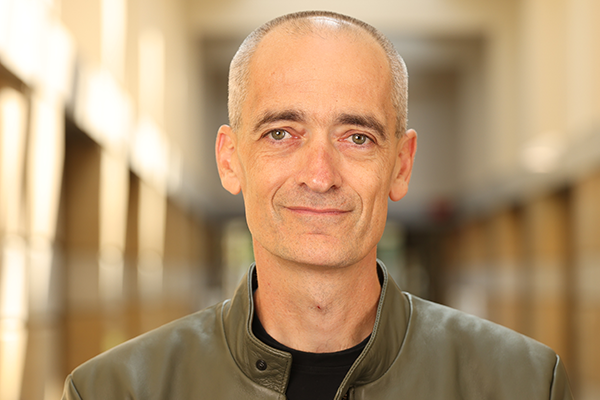
Dr Norbert Koppensteiner
Visiting: 21 November - 04 December 2026 & 24 May - 04 June 2027
Nominator: Professor Alison Ribeiro de Menezes
Professor Norbert Koppensteiner is Associate Professor of Peace Studies and Director of the International Peace Studies major at the Keough School’s Master of Global Affairs, University of Notre Dame. During his time at Warwick, he will collaborate with Professor Alison Ribeiro de Menezes on public engagement and peace education, and with colleagues across the Faculties of Arts and Social Page 5 of 7 Sciences on embodied and trans-rational approaches to peace building. He will also develop his research on creativity and art in peacebuilding and peace pedagogies.
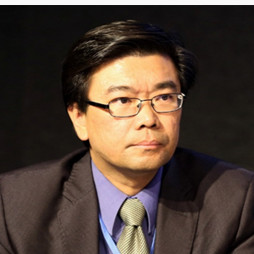
Vicente Paolo Yu
Visiting: 14 - 16 October 2026
Nominator: Professor Celine Tan, Law
Vicente Paolo Yu is currently Honorary Professorial Fellow at the GLOBE Centre, Warwick Law School. He is an experienced and highly respected international lawyer, policy advisor and negotiator and scholar on international economic and environmental law. He works as an independent expert and consultant for various United Nations (UN) agencies and non-governmental organisations (NGOs). He is a Senior Legal Advisor with the Third World Network (TWN), Visiting Research Fellow at the United Nations Research Institute for Social Development (UNRISD), and Associate Fellow at the Geneva Centre for Security Policy. Previously, he served as the Deputy Executive Director of the South Centre and coordinated the South Centre’s work on global governance, climate change, investment, South-South cooperation, and sustainable development issues.
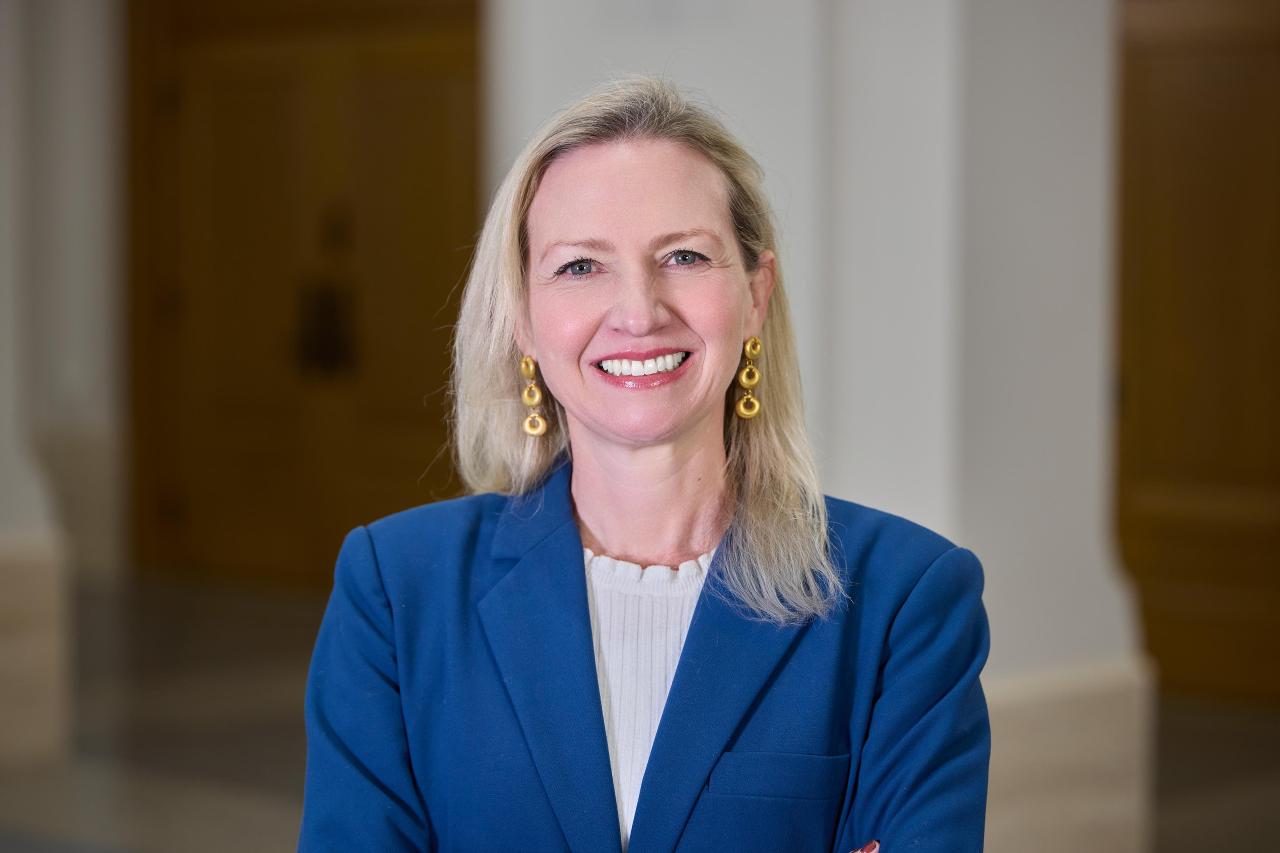
Professor Josefina Echavarría Álvarez
Visiting: 19 October - 27 November 2026
Nominator: Prof. Alison Ribeiro de Menezes
Professor Josefina Echavarría Álvarez is a specialist in peace-making and peacebuilding, transitional justice, human rights and the role of victims in peace processes. During her time at Warwick, she will collaborate with Professor Alison Ribeiro de Menezes on a special issue of the Journal of Disappearance Studies and with colleagues across the Faculties of Arts and Social Sciences on victim-centred approaches to peace building. She will also work on a book titled, ‘Is Colombia’s Peace Agreement Working? Assessing Policy Outcomes and Societal Impact in the Post-Accord Decade’.
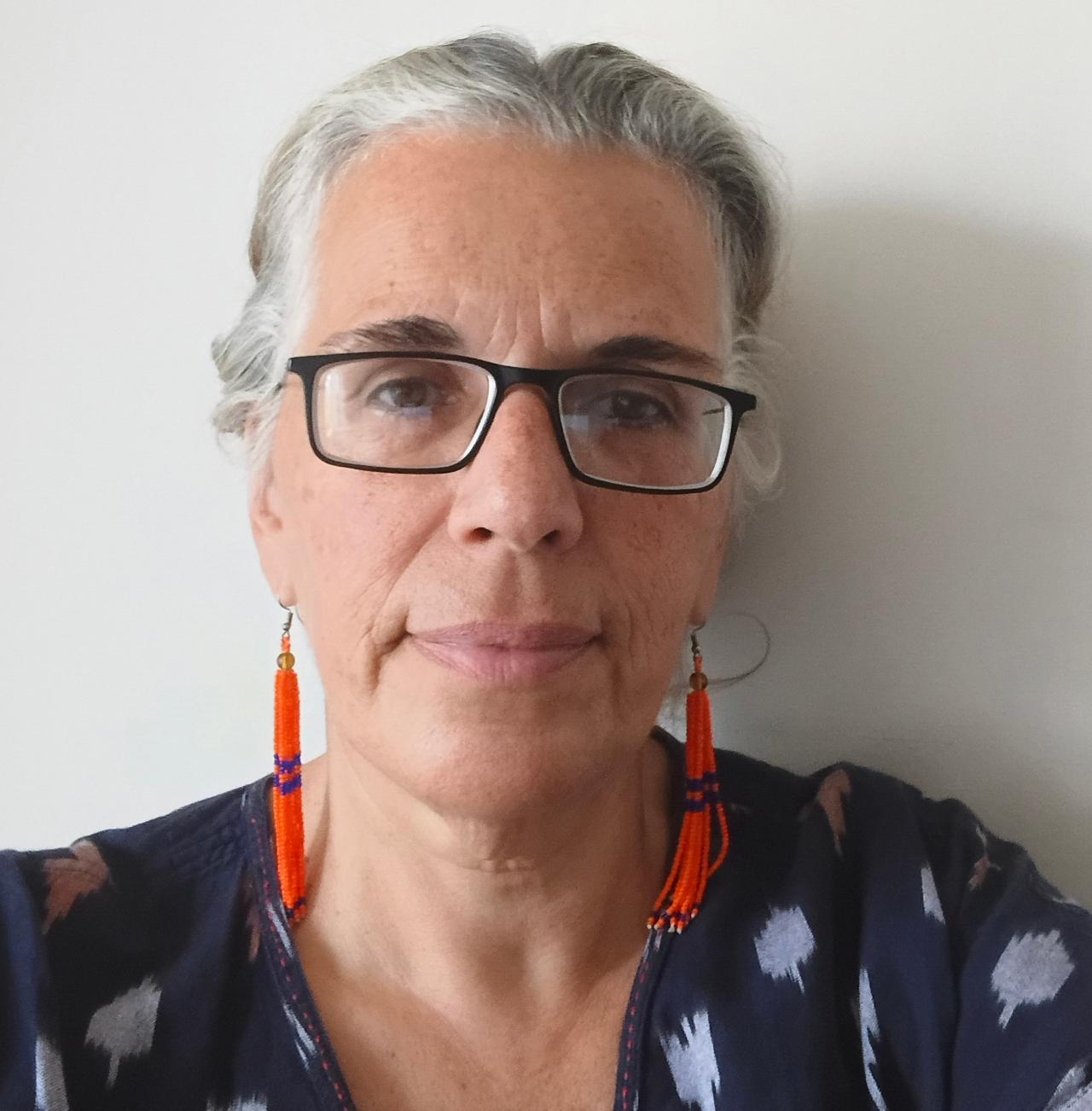
Professor Christine Moliner
Visiting: 05 October - 10 December 2026
Nominator: Prof. Virinder Kalra, Sociology
Christine Moliner is a social anthropologist whose work explores religion, migration, minority experiences and transnationalism between India and Europe, with a particular focus on Sikh communities. She teaches at O.P. Jindal Global University in India.
At the IAS Warwick, building on her research on the role of langar (the Sikh community kitchen) during the Indian farmers’ protest, she will develop a new project examining langar as an ethics of care and a form of religious giving and welfare provision in the British context. Through ethnographic fieldwork with British Sikh organisations, she will explore how Sikh communities mobilise langar in response to food insecurity and social inequalities and how gender and generation shape participation in this distinctive form of humanitarian action.
Dr Halyna Padalko
Visiting: 17 October - 15 December 2026
Nominator: Prof. George Christou, PAIS
Dr Halyna Padalko is a multidisciplinary researcher specialising in strategic communication, propaganda, disinformation, and the use of AI in information warfare and policy. She holds a PhD in Computer Science from the National Aerospace University “Kharkiv Aviation Institute” and an MA in Global Governance from the University of Waterloo. She is currently a Fulbright Fellow at MIT’s Center for International Studies, where she works on AI-enabled foreign information manipulation and AI-empowers approaches to combat it, conducting research and developing a course. At Warwick, she will develop research on AI-enabled disinformation and democratic resilience, integrating AI approaches with international security and policy perspectives.
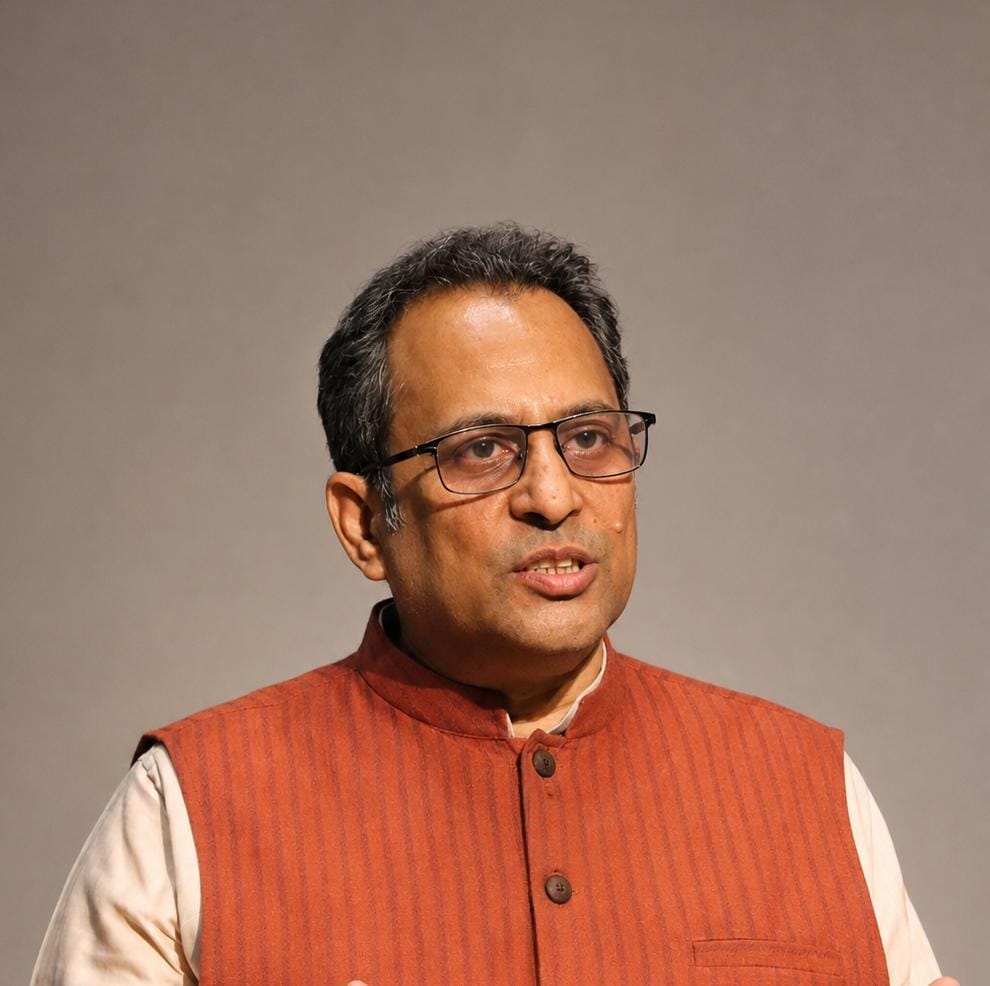
Mohammad Sajjad is Professor of Modern and Contemporary India at the Centre of Advanced Study in History at Aligarh Muslim University (India), where he has been since 2003, and earned his PhD on the late-colonial and post-colonial politics of India’s Bihar Muslim communities. Sajjad is a multilingual scholar-author with expertise in historical belonging, contemporary identity politics, and regional-communal issues across North India.
His project at Warwick, ‘Waqf, Law, and Muslim Modernity: An intellectual genealogy of the contemporary Indian context’, is timely given India's 2025 Waqf (charitable endowment) (Amendment) Act. This Act changes ownership and management of Muslim-donated properties, amid a long-standing tussle among the judiciary, the executive, and the community that can be traced back to the late 19th century.
As a project on contested issues of property use, community identity, cultural markers, and the political meaning of a global community, it invites comparisons across Asia and Africa, where various late-colonial and post-colonial states have aligned similarly against certain communities (chiefly religious and ethnic-linguistic minorities), thereby fostering a global discourse. With attendant issues of inheritance, charity, and disposal, there is a gender dimension to this matter of social philanthropy and state intervention.