
Insights on Student Interdisciplinary Experience Across Warwick
Introduction
Lils feels he was exposed to interdisciplinary learning early on through their Liberal Arts degree with Lils saying that “the whole point of that course is for it to be interdisciplinary and also transdisciplinary. I remember the very first sort of sessions we had for that whole degree were talking about, OK, what do these words mean? I think even possibly in the open day.” On IATL’s modules, Lils comments that “the students are not just from your home department, they're from across the university. I think that's the core of interdisciplinarity at a very basic level.” Carrying on into the Masters in Community, Engagement and Belonging, Lils says by bringing in “practitioners from a real array of different fields... it was a real chance to think about how to draw those things together and to make something sort of bigger than the sum of its parts” in relation to community engaged practices. Lil’s experience shows the value of embedding interdisciplinarity from the outset of an academic trajectory. For any students interested in doing an interdisciplinary course or module, Lils says that “they can have a chance to see the value in their own knowledge and that it doesn't have to be just who's read the most books... knowledge comes from a lot of different places.”
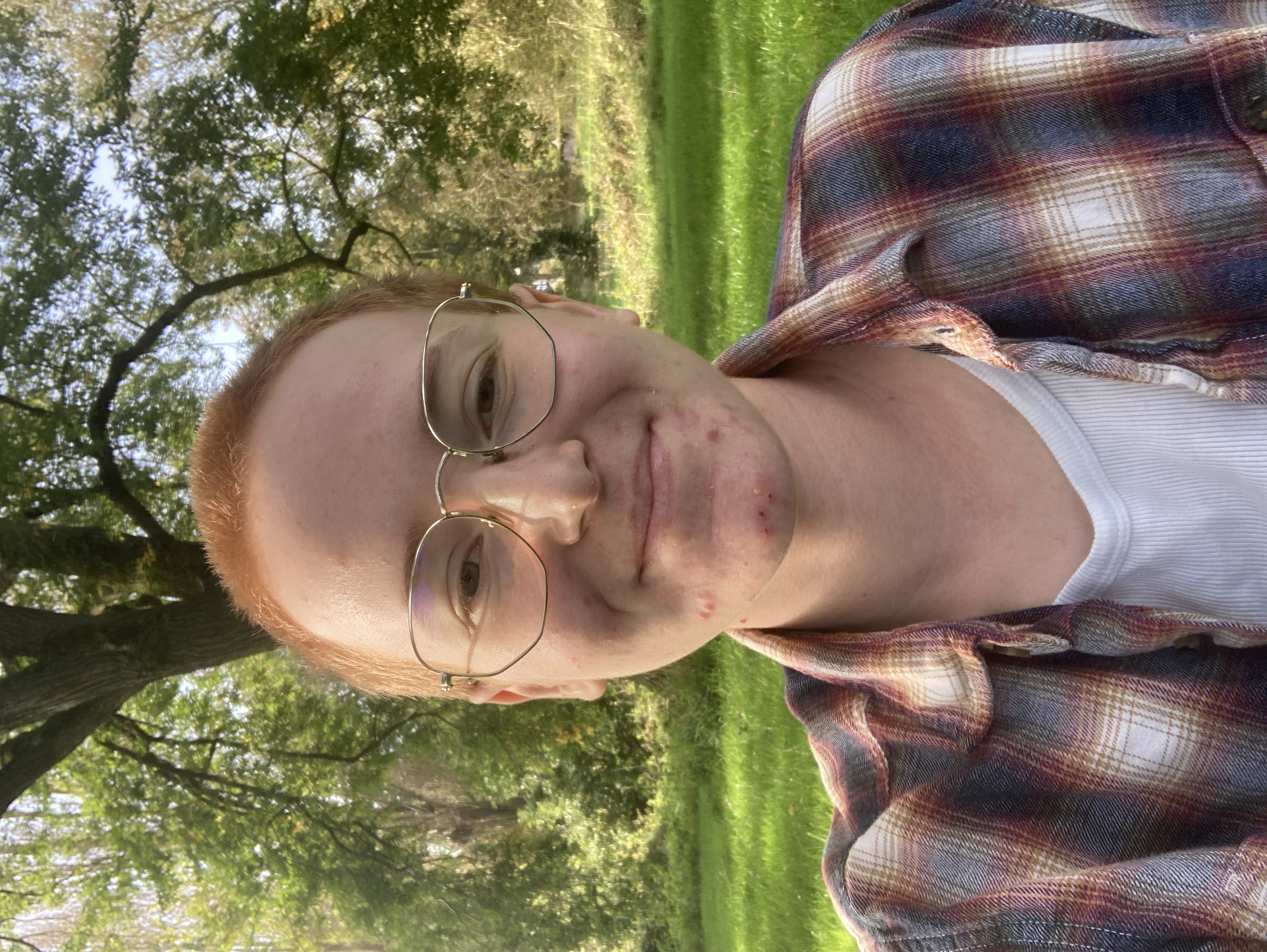
Lils Dobber

Principles of Practice
Creativity
In interdisciplinary learning, Lils offers that its “ability to work quite creatively.” By “breaking out of the confines of a traditional style of approach to learning and knowledge.....it tends to welcome more creative outputs and responses to that knowledge as well.” Lils was able to engage his creativity when creating a final project for his core Masters module entitled “The Good Life: Flourishing and Belonging within Communities.” Here, Lils used his knowledge and interest in table-top games to write a proposal for a 0-CAT module on the value of table-top games for well-being and developing community.
Support and Encouragement
Key to the success of Lils’s interdisciplinary learning trajectory was the support he received not only from his Liberal Arts department, but staff across Warwick as well. Lils reflects that when taking on interdisciplinary projects such as the module on table-top games, “I felt empowered to do so because of the support of my lecturers and professors.” In developing his module, Lils shares that “even if they [professors] don't know that much about games or the type of games that I'm interested in writing about or working on, they've always been really supportive and believed in my ability to make it interdisciplinary.” In terms of the classroom, Lils shares “It's creating that support, very explicitly, in a classroom space and creating an environment where asking questions is welcomed.”
Student-Led Discussion
Another component of interdisciplinary learning is that “a teacher creates a space for students to discuss with each other and privileges those student discussions.” Lils continues that these student-led discussions “have been really where I get the most value. I like hearing what other people are thinking, how their approach is different.” From Lils’s perspective, professors in interdisciplinary teaching say “we're not expecting you to be experts in everything. We're bringing you new ideas. We want to see how you absorb them and react to them, respond to them and create things alongside the other students,” showing the importance of student relationships and peer engagement.


Moving Forward
After the Masters degree, Lils will be starting at the Graduate School “working in three different fields in the university in eight month blocks.” Lils notes that “I'm immediately going to be thrust into using that ability to synthesise” that he gained from the interdisciplinary experience of their Undergraduate and Masters degrees. Although Lils says that the Graduate Scheme will not necessarily be “related to the Masters... the experience of the Masters helped me to feel confident to apply for this and ultimately be lucky enough to get it.”

