
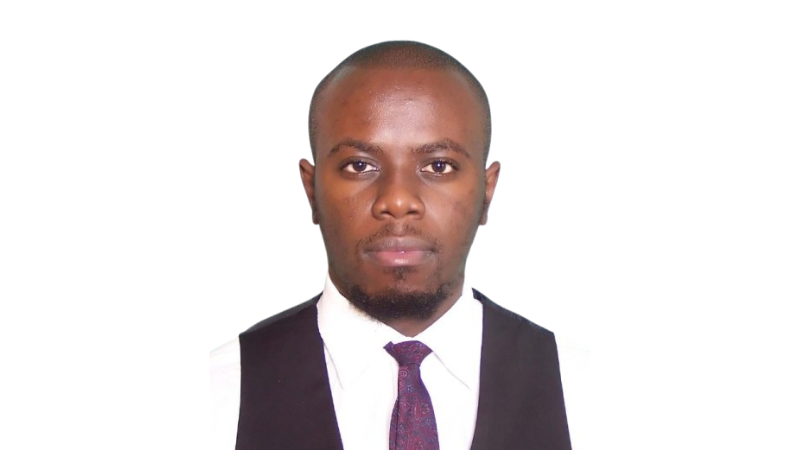
Martin Muriungi – Chevening Scholar
Background and Motivation
What motivated you to apply for the MSc programme in the Department of Economics at Warwick?
I am currently pursuing the MSc Economics programme at the University of Warwick as a Chevening Scholar. Before joining Warwick, I worked in Kenya's banking sector, supporting businesses across agriculture, trade and corporate banking. While I enjoyed helping individual firms grow, I became increasingly interested in the broader economic forces shaping investment, trade and development. I wanted to understand not only how businesses succeed, but also why some economies create greater opportunities than others. Warwick's reputation for rigorous economics training, outstanding empirical research and strong links between theory and policy made it the ideal place to pursue those questions. The programme has given me the opportunity to develop the analytical skills needed to contribute meaningfully to evidence-based policymaking and economic development.
Was the scholarship important in enabling your studies?
Receiving the Chevening Scholarship was transformative. It removed financial barriers to postgraduate study while opening the door to an extraordinary global community of leaders committed to public service and positive change. Beyond funding my studies, Chevening has expanded my professional network, encouraged me to think more globally and strengthened my commitment to using economics to address development challenges in Kenya and across Africa.
What sparked your interest in the themes and issues you’re exploring during your MSc?
My interest grew from both professional experience and personal curiosity. Working with businesses across different sectors showed me how closely economic policy influences investment decisions, trade and job creation. A defining moment came when I attended the launch of the World Development Report: Accelerating Poverty Reduction in Africa in Nairobi, where I saw first-hand how rigorous economic research can shape national policy. That experience inspired me to pursue graduate study and deepen my understanding of development economics, international trade and applied econometrics.
Academic Experience at Warwick
Which core or optional modules have had the biggest impact on your academic or professional development?
The programme has challenged me intellectually while equipping me with practical analytical skills. Econometrics has transformed the way I think about causal inference and policy evaluation. International Trade has deepened my understanding of how countries integrate into global markets, while Development Economics has encouraged me to critically examine the structural barriers to inclusive growth. I also particularly enjoyed Applications of Data Science, which strengthened my ability to analyse complex datasets and communicate evidence clearly. Together, these modules have fundamentally changed how I approach economic questions.
How has the MSc helped you build analytical skills relevant to your future career?
The MSc has significantly strengthened my quantitative, analytical and research capabilities. Through coursework and independent research, I have worked with large international datasets, applied advanced econometric techniques and learned how to translate empirical findings into policy-relevant insights. Perhaps most importantly, Warwick has taught me to think critically about evidence, question assumptions and communicate complex ideas clearly—skills that are essential for a career in development economics and international finance.
What did you gain from the experience of visiting the Bank of England?
It was one of the highlights of my time at Warwick. Hearing directly from economists and policymakers demonstrated how rigorous academic research informs real-world monetary policy and financial stability decisions. It reinforced the importance of evidence-based policymaking while giving me valuable insight into the practical application of economics beyond the classroom.
What are your favourite modules and why?
Econometrics, International Trade and Development Economics have been my favourite modules because together they combine rigorous analytical methods with questions that have direct relevance for economic development. They have challenged me to think more critically, strengthened my research skills and aligned closely with my long-term interests in development finance, trade policy and inclusive economic growth.
Dissertation and Research
What topic are you planning for your dissertation, and why is it important for you (or your country)?
My dissertation examines whether migration promotes trade between African countries and the Gulf Cooperation Council (GCC). Migration between Africa and the Gulf has grown rapidly over recent decades, yet relatively little research has explored how migrant communities influence trade between the two regions. By investigating this relationship using modern econometric methods, I hope to contribute evidence that can help policymakers better leverage diaspora networks to strengthen trade, investment and regional economic integration. For Kenya and many other African countries, understanding these connections has important implications for economic development and international cooperation.
Professional Development and Engagement
Have you attended any specific events or conferences during your time at Warwick? What insights did you gain?
The Bank of England visit stands out as one of the most memorable experiences during my MSc. In addition, I have benefited greatly from departmental seminars and guest lectures, where leading researchers discussed contemporary economic challenges and policy solutions. These events reinforced the importance of combining rigorous academic research with practical policymaking.
How has being a Chevening scholar expanded your professional networks?
Chevening has connected me with exceptional professionals from across the world, each bringing different perspectives and experiences. Learning alongside scholars from diverse backgrounds has broadened my understanding of global challenges while creating friendships and professional relationships that I know will continue long after graduation. It has also reinforced the importance of international collaboration in addressing development challenges.
Personal Growth and Community
What has it meant to you to be part of a diverse and inclusive cohort at Warwick?
One of the most rewarding aspects of studying at Warwick has been learning alongside classmates from every corner of the world. The diversity of perspectives has enriched classroom discussions and challenged me to think beyond my own experiences. Whether debating development policy, trade or macroeconomics, I have learned just as much from my peers as I have from textbooks. That global perspective is something I will carry throughout my career.
What has been the most inspiring moment of your scholarship/student journey so far?
The most inspiring part of my journey has been seeing my own growth. Over the course of the programme, I have become far more confident as a researcher, a critical thinker and a communicator. Looking back at the questions that first brought me to Warwick and comparing them with the skills I have developed today has been incredibly rewarding. It has reaffirmed my belief that economics can be a powerful tool for creating positive change.
Future Plans and Impact
How do you plan to apply your MSc training after you graduate?
After graduation, I hope to work in development finance and international development, contributing to evidence-based policies that strengthen trade, promote private sector growth and expand economic opportunities across Africa. Ultimately, I want to use the analytical skills I have gained at Warwick to help design policies that improve livelihoods and support sustainable, inclusive development in Kenya and beyond.
What long-term goals do you have for your career or research?
My long-term ambition is to build a career at the intersection of economics, finance and public policy. I aspire to contribute to institutions such as the World Bank Group, where I can support research and policy that promote inclusive growth and sustainable development, with the ultimate goal of helping shape economic policy across Africa.
How has the scholarship shaped your vision for your future?
Chevening has reinforced my belief that leadership is rooted in service, collaboration and lifelong learning. It has given me the confidence to think bigger, strengthened my commitment to public service and reminded me that rigorous research, thoughtful policymaking and international partnerships can create meaningful and lasting impact.
Advice for Future Applicants
How did you navigate the application process, and what would you recommend others do?
My advice would be to focus on telling your own story. Strong applications are not simply about academic achievements—they are about demonstrating curiosity, purpose and a genuine commitment to making a positive impact. Be clear about why economics matters to you, reflect honestly on the experiences that have shaped your ambitions and show how Warwick fits into your long-term goals. Most importantly, remember that authenticity is your greatest strength. The most compelling applications are those that clearly communicate not only what you have achieved, but also why you aspire to make a difference.