
Women in Academia

Breaking Barriers for Women in Research
Despite efforts to promote gender equality, significant barriers still hinder the progression and retention of women in academia, contributing to the “leaky pipeline.”
As part of Warwick's Enhancing Research Culture programme (funded by Research England), the Women in Academia (WinA) project is working with the UK higher education sector to understand and address barriers affecting the progression and retention of women who work in higher education environments. The project commenced in 2024 and has completed two phases.
The project made a significant contribution to shaping the UK Government’s Women in Research Charter. It's Roadmap report provided valuable insights into the systemic barriers faced by women in academia, including challenging work environments, inflexible cultures, unequal recognition of academic labour, and the difficulties of balancing caregiving with academic careers. These findings are reflected in the Charter’s six themes and commitments to improving outcomes for women in research.
Read more about our progress here and access the resources.
Phase I, conducted in 2024/25 explored the challenges faced by early and mid-career women researchers. Through surveys (n=401), interviews (n=20) and a final co-production workshop, the project identified key barriers such as job insecurity, limited progression opportunities, and work–life balance pressures. The findings informed the production of a final roadmapLink opens in a new window of practical recommendations to improve career stability, recognition, and support, laying the foundation for a more inclusive research culture.
The approach combined qualitative insight gathering with collaborative dialogue, ensuring that findings were grounded in lived experience while also enabling collective reflection and solution-building. At its core, Phase 1 sought to move beyond surface-level identification of challenges, to explore how structural, cultural, and individual factors intersect to shape career trajectories, progression, and retention.
The approach was structured around three guiding questions:
- What are the primary challenges facing early-to mid-career women in academia that might make women more likely to leave?
- How do these challenges affect individuals both professionally and personally, and what factors may mitigate or exacerbate their impact?
- How can these insights inform the co-creation of actionable recommendations to improve career stability, progression, recognition, and reward?
Dr Talar Moukhtarian & Dr Amber Tout
Meet the Team

Dr Talar Moukhtarian
(Phase 1 and 2)
Assistant Professor at the University of Warwick, specialising in digital psychological interventions. Talar holds a PhD in Clinical Psychopathology, with research interests in the differential diagnosis, assessment, and treatment of mental health conditions.
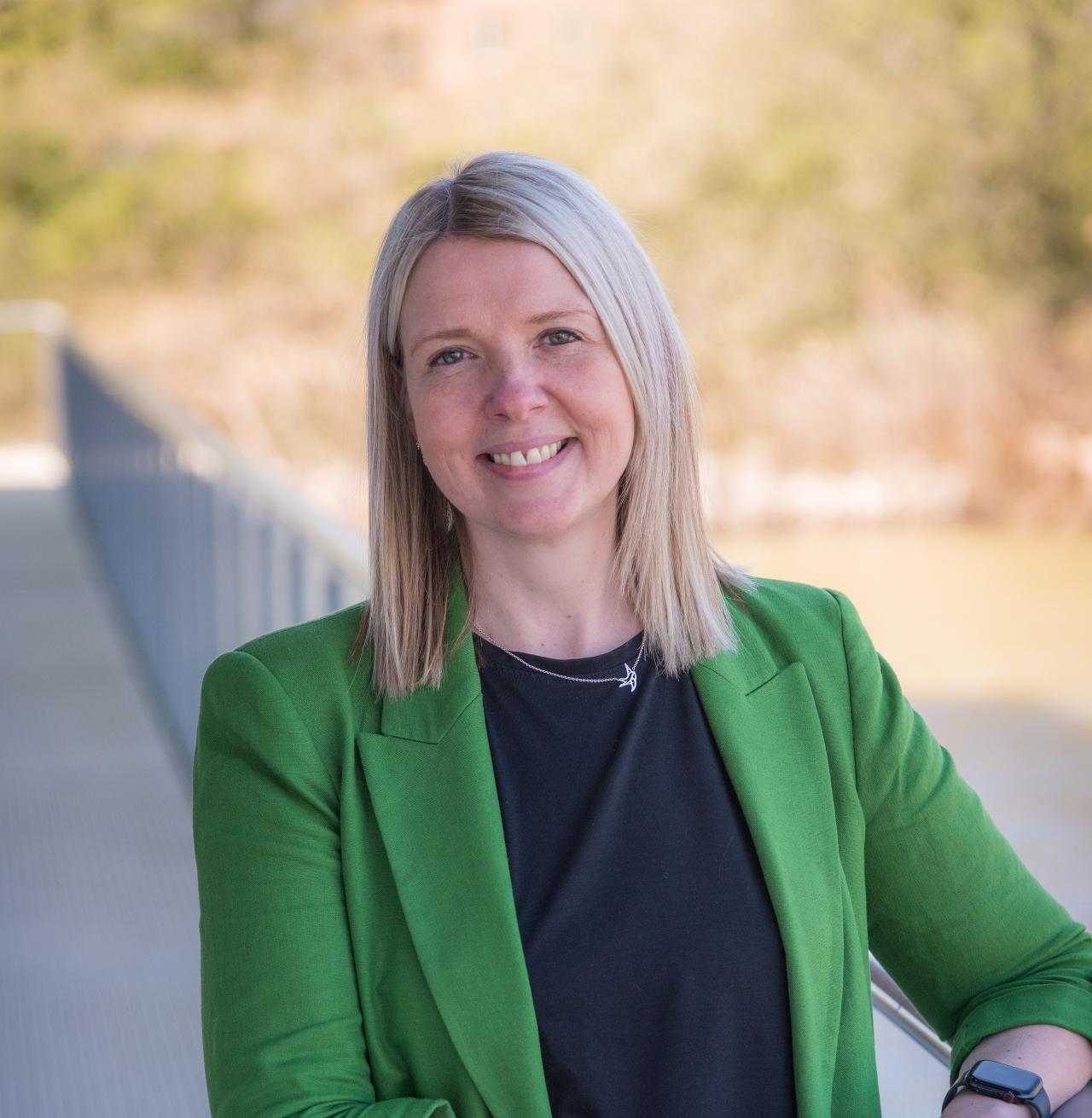
Dr Marie Sams
(Phase 2)
Head of the National Centre for Research Culture at the University of Warwick, with over 25 years experience in higher education. Marie holds a Doctorate in Business Administration with a focus on supporting women into leadership in higher education, with a specific interest in allyship.

Dr Amber Tout
(Phase 1)
Postdoctoral Research Fellow at the University of Warwick, specialising in sleep health, intervention development, and co-production. Worked on Phase 1 on improving career progression and retention for early to mid-career women in academia, and currently working on a project focussing on researcher & research professional wellbeing.
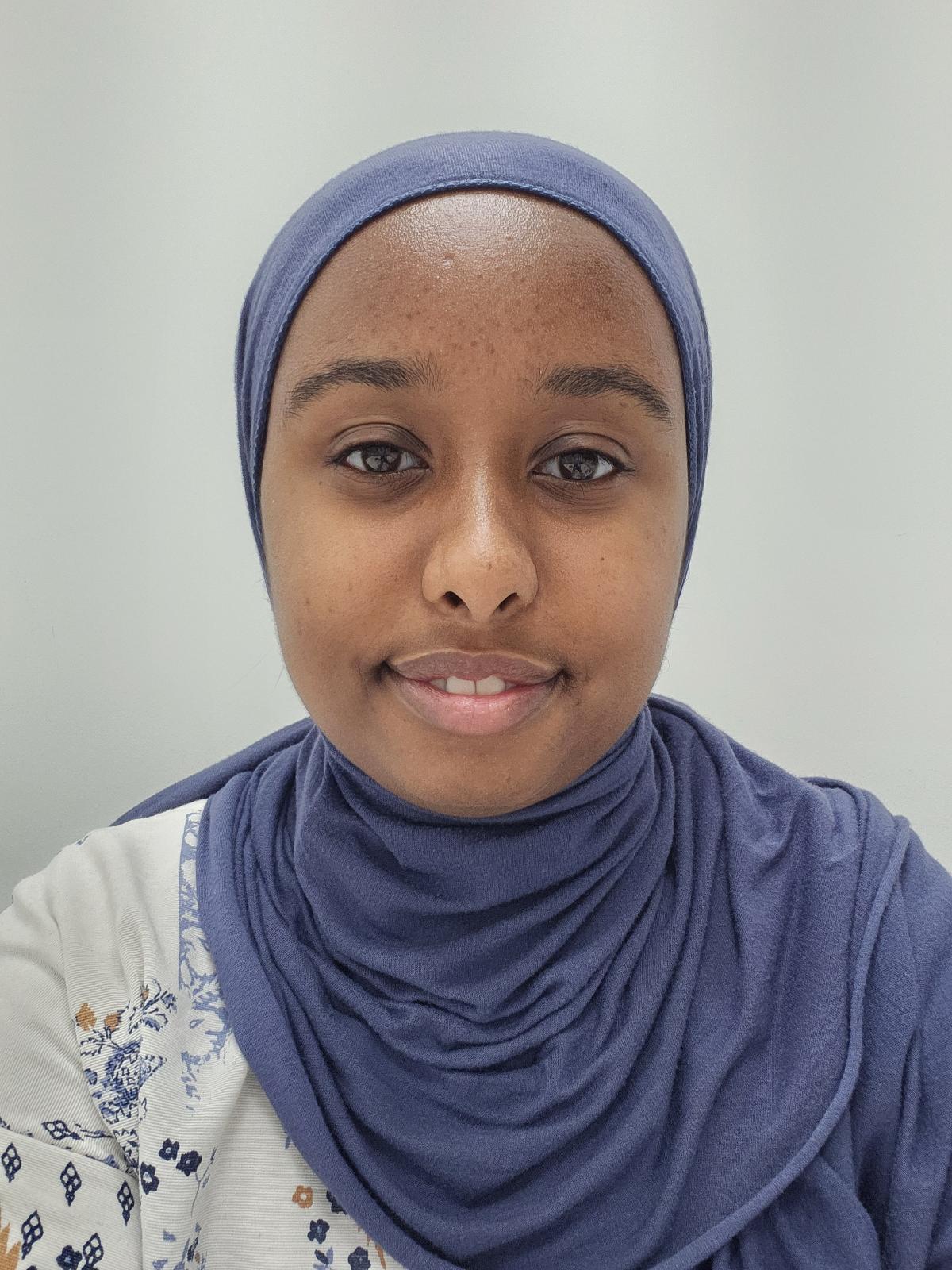
Najma Moalin
(Phase 2)
Research Assistant and MSc Data Analytics student at the University of Warwick. Najma led the modified Delphi study and supports project coordination, participant support, and general research assistance, with involvement in data handling and analytical tasks. She brings experience in working across interdisciplinary research projects.
Acknowledgements
Funded through Research England’s Enhancing Research Culture Fund (ERCF), this project has been identified and supported as a strategic research culture priority at the University of Warwick. Through its engagement with sector-level partners, the project is also helping to shape the wider national research culture agenda as part of the National Centre for Research Culture’s portfolio of work.We extend our gratitude to the many women, stakeholders, and collaborators who generously contributed their time, insights, and experiences across both phases of the project. Your collective input has been instrumental in shaping the recommendations arising from this project and in advancing efforts to foster more equitable experiences for women in academia.
We are also grateful to our critical friends - sector experts who provide independent insight and challenge, to help ensure our approach is robust, inclusive, and impactful.