
Health Communication and Behaviour Change in the Evolving Digital Landscape: Language, Discourse and Interaction

Call for ContributionsLink opens in a new window
With a particular focus on language, discourse, and interaction, the event explores how communication practices in health across digital and socially situated linguistic and cultural contexts are increasingly mediated, augmented, or constrained by a range of emerging sociotechnical systems. These include artificial intelligence, algorithmic decision-making, digital platform infrastructures, and more, which are influencing health-related attitudes, decisions, and behaviours.
As digital technologies continue to transform healthcare delivery, public health messaging, patient engagement, health education, and behaviour change processes, the role of language, discourse, and interaction becomes increasingly critical. Communication shapes how health information and health educational content are understood across linguistic and cultural boundaries; how credibility and empathy are constructed; how access and power relations are negotiated; how care and health education are provided, communicated, and experienced; and how behavioural outcomes are influenced. Understanding how individuals and communities respond to, interpret, and act upon technologically mediated communication related to health across diverse cultural and linguistic contexts is, therefore, central to advancing research in this field. At the same time, challenges such as misinformation, algorithmic bias, ethical concerns, and unequal access, together with ongoing technological advancements, highlight the need for interdisciplinary approaches to health communication and behaviour change research that are sensitive to cultural and linguistic diversity.
This conference aims to provide a collaborative space to critically engage with these developments, fostering dialogue across disciplines, promoting the co-creation of knowledge, and encouraging innovative perspectives on how digitally mediated communication practices shape experiences of care, access, engagement, and decision-making, and influence health behaviours in evolving digital landscapes.
We welcome contributions that address, but are not limited to, the following themes:
- Interactional dynamics and language use in telehealth and AI-assisted healthcare encounters
- AI-mediated and digitally mediated health communication and its impact on health behaviour change, health perceptions, health education, and care experiences
- Communication of care and health in digital and AI-enabled health environments across diverse linguistic and cultural contexts
- Misinformation, trust, and ethical challenges in digital and AI-driven health communication across diverse linguistic and cultural contexts
- Inequalities in access, participation, and behavioural outcomes in multilingual and multicultural digital health communication
- Interdisciplinary approaches to digital health communication and behaviour change research
Submissions are encouraged from a wide range of disciplines, including applied linguistics, health communication, behavioural science, intercultural studies, sociology, public health, media studies, psychology, and computer science. Contributions are expected to maintain a clear focus on language, discourse, and interaction in the context of health communication and health behaviour change in the evolving digital landscape. Researchers at all career stages are warmly invited to contribute, with postgraduate and early-career researchers especially encouraged to participate.
Event Detail
- Time: 9am - 5:30pm, Thursday 16 July 2026
- Location: C0.02, Zeeman BuildingLink opens in a new window, University of Warwick / online via MS Teams (only for talks, keynote speeches, panels)
Please note that space is limited, and early registration is encouraged.
Event Highlights
- Keynote speeches from leading interdisciplinary scholars
- Panel discussions and interactive workshops
- Opportunities for networking and collaboration across disciplines
- Hybrid access to support global participation
NOTE: Only talks, keynote speeches, and panel discussions will be live-streamed.
Submission of Abstract
We invite contributions for 15-minute talks at this conference. Speakers are encouraged to share work at any stage of development, including ongoing projects, as the aim of the conference is to foster dynamic discussions and collaboration.
Abstracts should be a maximum of 300 words (including references, with the aim, methods, previous research/theory, and (expected) results of the study clearly stated)
- Submission deadline: 31 May 2026
- Notification of acceptance: 8 June 2026
Submit Here!
https://forms.cloud.microsoft/e/LcsJBSTzGL?origin=lprLinkLink opens in a new window
Registration
- Registration fee: Free
- Registration deadline: Monday 6 July 2026
Register Here!
https://forms.cloud.microsoft/e/81f97ZDEJ1?origin=lprLinkLink opens in a new window
Call for Abstracts
Invited by the Languages (SJR Q1), we are delighted to announce that the Call for Abstracts for the Special Issue Health Communication and Behaviour Change in the Evolving Digital Landscape: Language, Discourse and InteractionLink opens in a new window, is now open for submissions.
Guest Editors
- Dr Yanyan Li (University of Warwick)
- Professor Alison Pilnick (Manchester Metropolitan University)
- Dr Shawnea Ting (University of Warwick)
- Professor Stephanie Schnurr (University of Warwick)
Key Dates
- Abstract Submission Deadline: 4 December 2026
- Notification of Abstract Acceptance: 18 December 2026
- Full Manuscript Deadline: 26 February 2027
Further Details
Please refer to the special issue website for further details and submission guidelines: https://www.mdpi.com/journal/languages/special_issues/RCU5SY13J7Link opens in a new window. For those who presented at the conference, we strongly encourage you to submit an abstract for consideration, provided that it aligns with the call and the journal's scope: https://www.mdpi.com/journal/languagesLink opens in a new window. This is an open call, so we would be very happy to hear from colleagues whose work aligns with the special issue, regardless of whether you presented at the conference.
Please note that the journal requires an Article Processing Charge (APC). Colleagues with institutional agreements with the publisher or research funding to support open access publication are encouraged to consider submitting. For Warwick colleagues, if you will be the first author and affiliated to Warwick when publishing the paper, you can get the open access fundLink opens in a new window for publishing from the Library upon request.
If open access funding is not available at your institution but you would still like to submit, the Languages editorial office may be able to assist. Please do not hesitate to contact them at languages@mdpi.com.
We look forward to receiving your abstracts and to continuing the conversations from our conference through this special issue.
Keynote
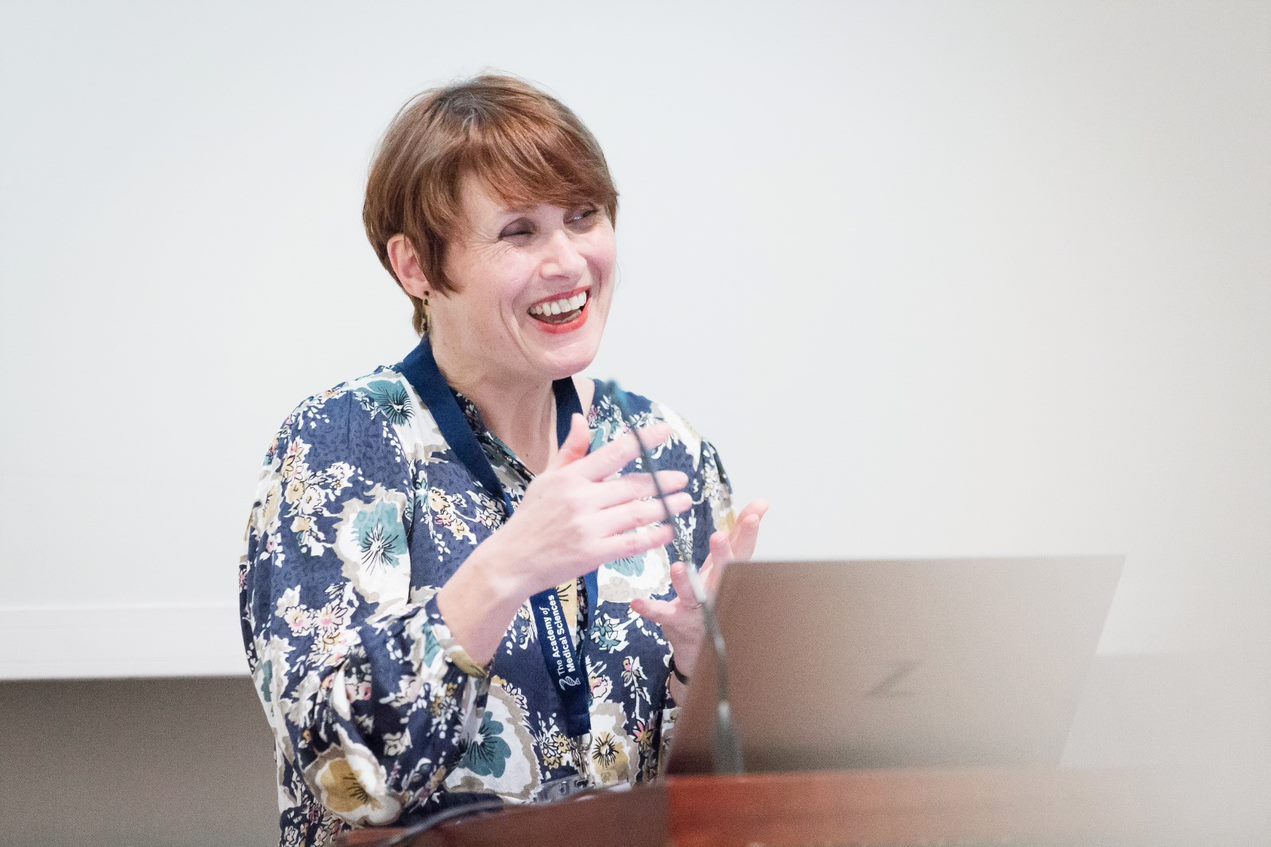
Professor Alison PilnickLink opens in a new window, FAcSS, FRSA
Professor of Language, Health and Society, Manchester Metropolitan University
Bio
Alison Pilnick is Professor of Language, Health and Society at Manchester Metropolitan University. She is a sociologist of health and illness whose research focuses on how we can use detailed analysis of interactions between healthcare professionals and their patients or clients to understand and improve them. Her work informs how communication skills are trained in healthcare, including the ways in which AI-mediated platforms are used. This work has been funded by bodies including ESRC, NIHR, the British Academy, the Swiss National Science Foundation and the General Research Fund of Hong Kong, and contributed to national training programmes and NICE guidelines. Her most recent book, ‘Reconsidering patient centred care: between autonomy and abandonment’ won the 2023 British Sociological Association/Foundation for the Sociology of Health and Illness prize for the book making the most significant contribution to medical sociology. She was conferred a Fellow of the Academy of Social Sciences in 2015 in recognition of her work in healthcare.
Keynote talk
What counts as ‘real’ in healthcare interaction? Examining human/technology hybrid simulation interactions in communication skills training
Simulated interaction is a common healthcare training tool, and is increasingly technologically-mediated. Whilst the need for clinical realism or authenticity of simulated interactions is commonly understood, less attention has been paid to their interactional realism. However, research beyond healthcare suggests that participants interact differently in simulated scenarios. I will present examples from simulations conducted through the MetaHumanTMLive platform, where a human tutor is live-linked to an avatar using the tutor’s voice and mapping their gaze/facial expressions. Using Conversation Analysis (CA) to analyse student nurses’ interactions with this platform, I identify 4 key areas where they differ from ‘real’ interactions. These are: openings; closings; establishing shared knowledge; interactional progressivity; and orientation to simulation platforms as an assessment tool. I suggest that features of a hybrid platform which aim to increase realism can also make interaction more complicated for learners trying to navigate between ‘the person’ and ‘the system’. I conclude that, whilst the analysis suggests ways forward for the more effective integration of simulation technologies in training communication skills in healthcare, it also points to our continued need for a better sociological understanding of how interaction itself works in practice, to provide an evidential basis for design and evaluation of such simulations.
Workshop

Dr Aikaterini GrimaniLink opens in a new window
Assistant Professor, Behavioural Sciences Group, Warwick Business School
Bio
She attained her PhD in Occupational Health Psychology and Organisational Behaviour from the National and Kapodistrian University of Athens. Before joining WBS, she held research and teaching positions at institutions including the Karolinska Institute, the University of Dundee, and the European University Cyprus.
Aikaterini’s research applies behavioural science to public health, risk communication, and social policy. She specialises in using evidence-based methods to design, implement, and evaluate interventions that promote health, reduce inequalities, and support decision-making. Her work spans topics such as vaccine hesitancy, screening uptake, workplace wellbeing, and the digital behaviours linked to secretive online behaviours and digital footprints.
In addition to publishing widely in leading peer-reviewed journals, Aikaterini has authored multiple policy briefs and research reports that inform government and health sector strategies. She has worked with a range of stakeholders including the UK Department of Health and Social Care, NHS organisations, and national security agencies, translating behavioural insights into practical guidance for complex policy challenges.
Workshop
Applying Behavioural Science to Health Communication Research: An Introduction to the Behaviour Change Wheel
This workshop introduces the Behaviour Change Wheel (BCW) framework as a systematic method for understanding and designing interventions to address health communication challenges in digital and AI-mediated environments. The session is structured in two parts.
The first twenty minutes build familiarity with three interlinked behavioural science tools: the COM-B model, the Behaviour Change Wheel, and the Behaviour Change Techniques Taxonomy, and how they function as an integrated system for intervention design. Participants will learn to define and specify target behaviours with precision, apply COM-B as a diagnostic lens to identify capability, opportunity, and motivational influences, and use this diagnosis to select evidence-based intervention strategies.
The remaining forty minutes apply these tools to a shared case study examining how behaviour change theory can be used to design interventions that improve how AI-generated health information is communicated across diverse linguistic and cultural contexts. This hands-on activity demonstrates how behavioural science frameworks can complement research approaches in applied linguistics, health communication, and discourse analysis, and opens a conversation about interdisciplinary possibilities and limitations in an increasingly digital health landscape.
No prior background in behavioural science is assumed.
Panel: 'How are emerging technologies shaping and reshaping health communication and health behaviour change across diverse communities?'

Dr Tom RitchieLink opens in a new window
Associate Professor - Reader, Department of Chemistry, University of Warwick
Dr Tom Ritchie is Reader and Director of Student Experience in Chemistry at the University of Warwick. He is currently on a US-UK Fulbright Scholarship placement at Elon University. He is an award-winning educator who leads on AI education, co-founded the Centre for Belonging in Education, and hosts the AI Ethics Now podcast, with 30,000 listeners across 110+ countries.
He was awarded the International AI in Learning Excellence Award at the EchoExperience 2026. He co-founded RADSAG (Responsible AI and Digital Sustainability Action Group) at Warwick and is leading The AI Equity and Sustainability Working & Discovery Group at the QS Responsible AI Consortium.

Dr Shawnea Sum Pok TingLink opens in a new window
Research Fellow, 999 RESPONDLink opens in a new window Project, Centre for Applied Linguistics, University of Warwick
Shawnea is a core member of the impact-oriented 999 R.E.S.P.O.N.D. programmeLink opens in a new window, studying risk negotiation and complex decision-making in emergency care. Partnering with Welsh medical service providers, the project adopts Interactional Sociolinguistics to analyse information flows in time-sensitive, multi-actor systems—specifically remote interactions via different video technologies—and co-translate our findings into policy and training to improve dispatch and clinical assistance. She also examined healthcare communication in English as a lingua franca when neither patients nor staff speak English as their first language, offering recommendations to enhance comparable interactions in her forthcoming monograph.
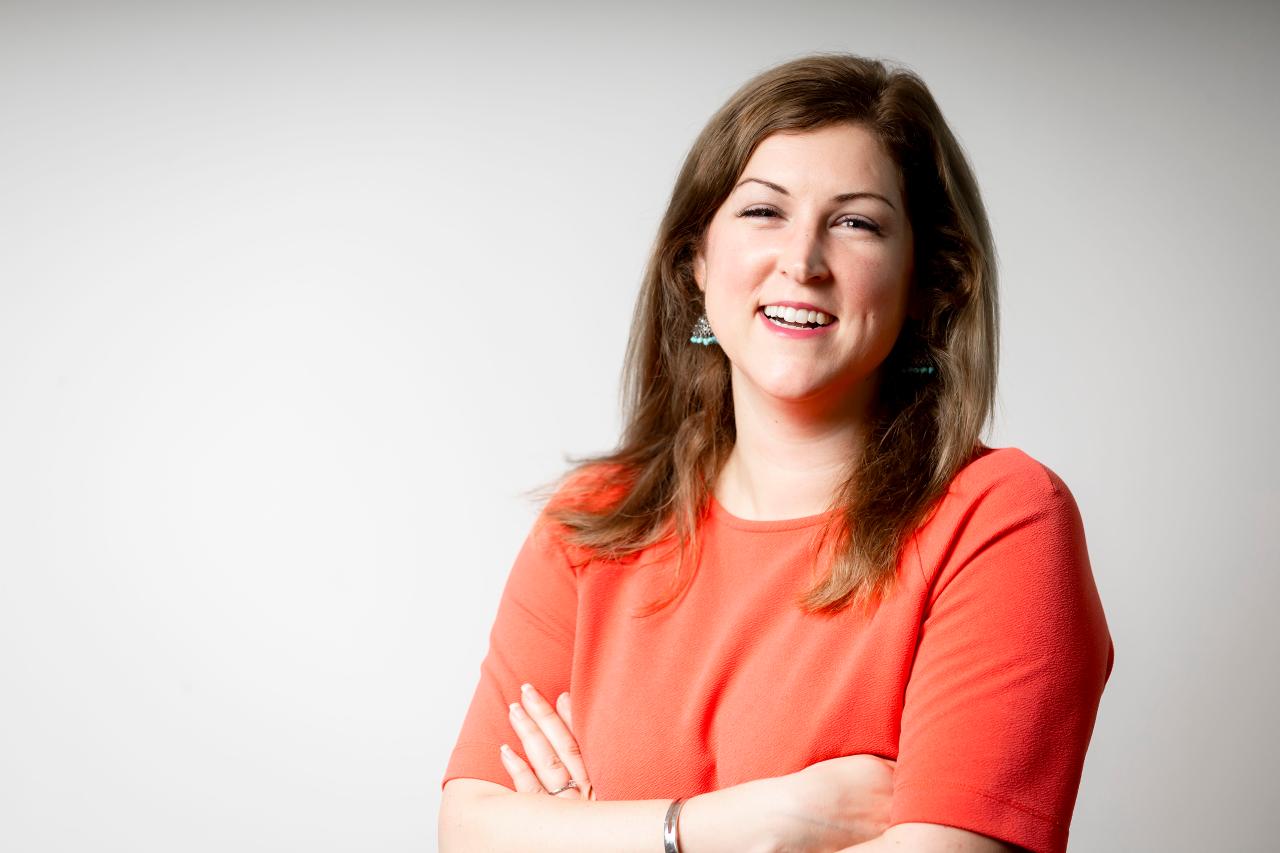
Dr Kim BulLink opens in a new window
Assistant Professor, Health and Care (Clinical Psychology), Coventry University & University Hospitals Coventry and Warwickshire NHS Trust
Dr Kim Bul finished her PhD 'The Design and Effectiveness of a Serious Game for Children with ADHD' at the Erasmus University Rotterdam in 2017 while she was working on several Horizon2020 and industry-led projects for the Serious Games Institute at Coventry University. In 2019 she joined the Research Centre for Intelligent Healthcare at Coventry University to pursue her research interest in digital health and more specifically serious gaming, (mental) health, behaviour change, interventions, children, adolescents and eHealth. As an Assistant Professor she was part of the AI in Population Health cluster focusing on how digital applications can improve health outcomes across different end-users. Currently she is the Research Lead for the Doctorate Clinical Psychology Programme at Coventry University and University of Warwick. Remaining research active she leads on UK Biobank projects and is PI on an NIHR funded project improving post-partum weight management support.

Vineetha Wilson Vavanal
MA in Cultural and Media Policy Studies, University of Warwick
Programme (in British Summer Time)
C0.02, Zeeman Building, University of Warwick
Register at the registration table.Enquiries
Hii@warwick.ac.ukLink opens in a new window
Funded by Warwick’s Interdisciplinary Research Spotlight (Health)Link opens in a new window Small Grant Scheme