
GSD PhD student presents paper at DSA Conference 2026
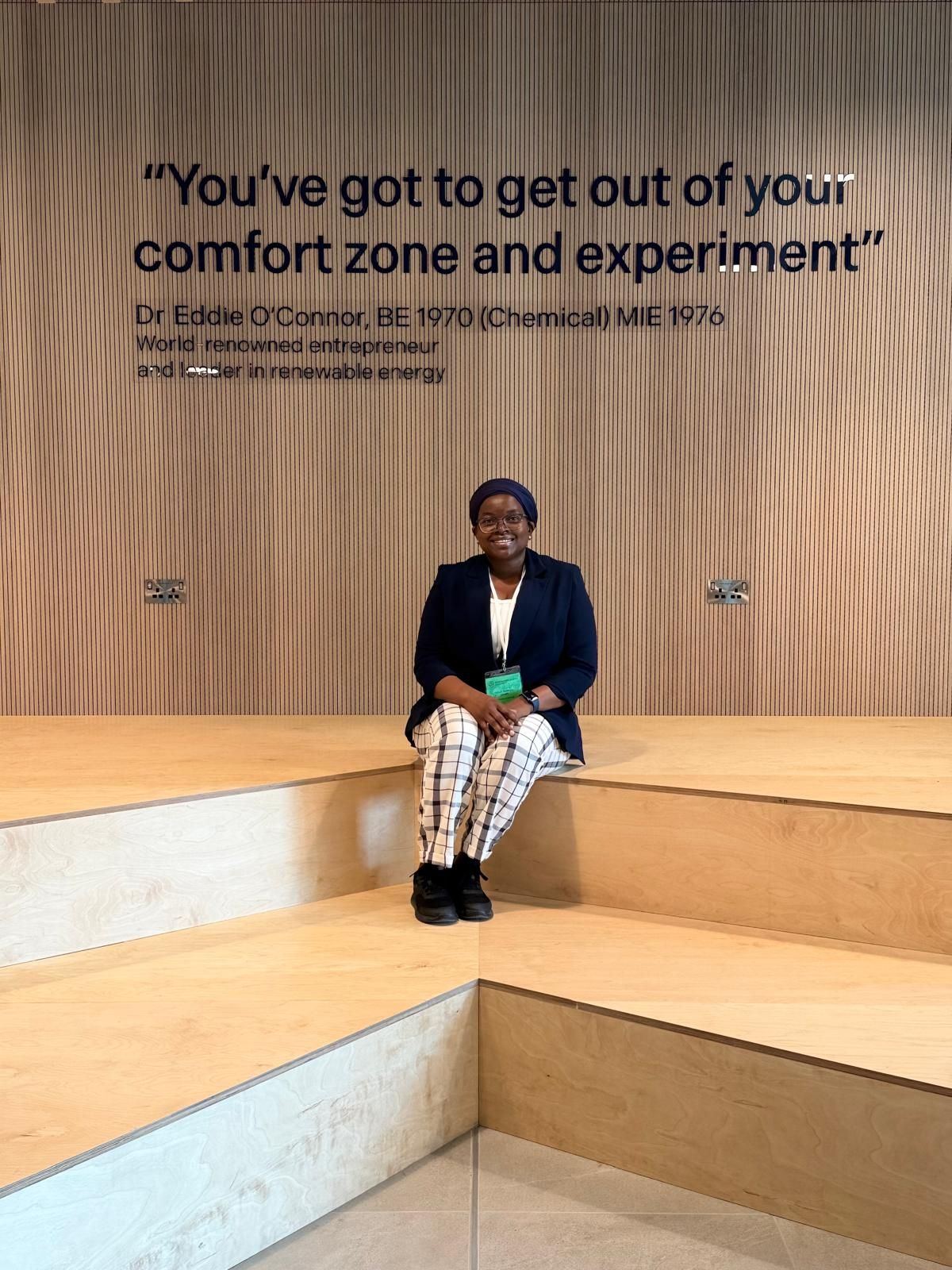
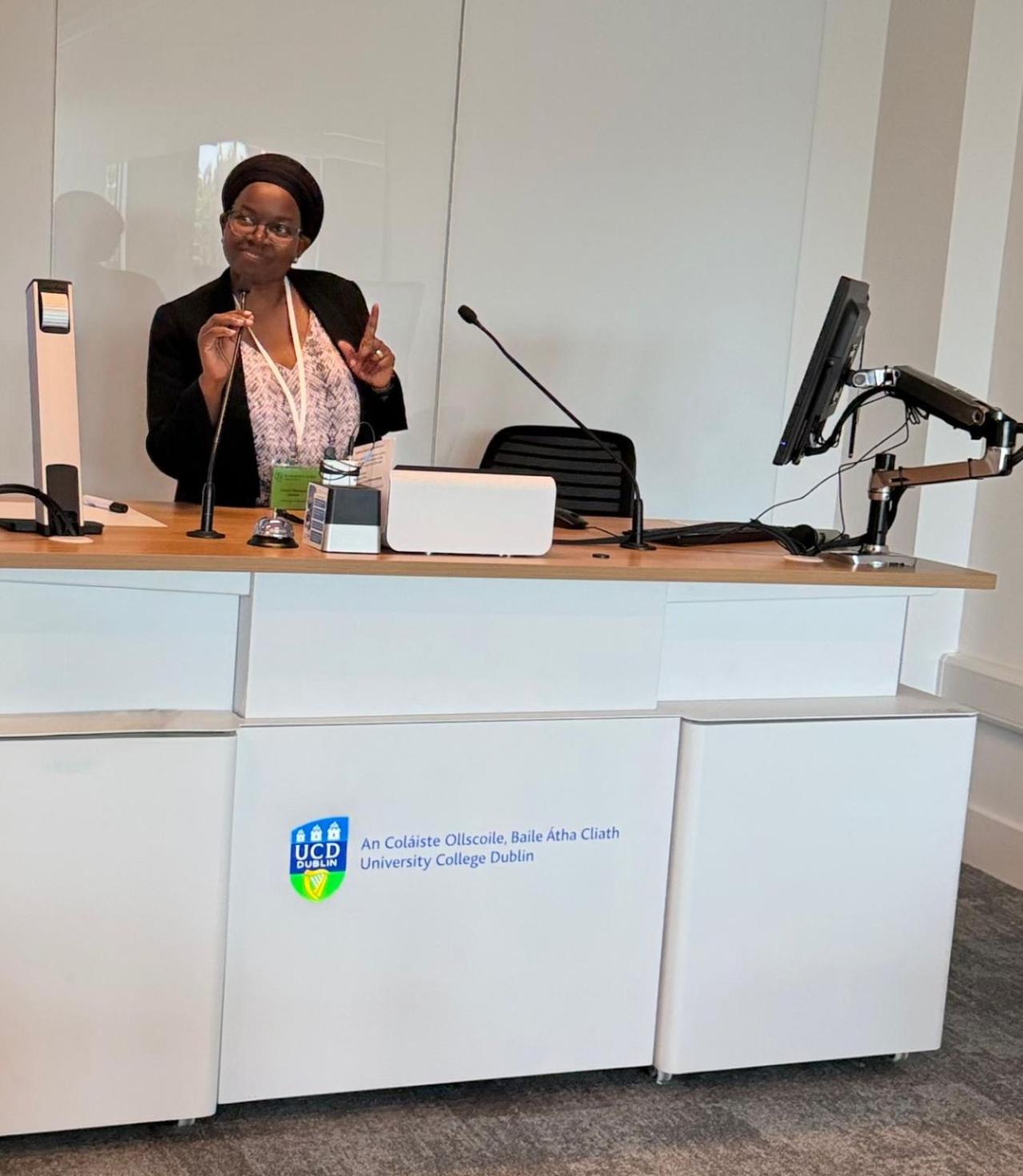
Hadijah Namyalo‑Ganafa, a PhD researcher in Global Sustainable Development funded by the Leverhulme Trust TRANSFORM Doctoral Scholarships, recently presented her work at the Development Studies Association (DSA) Conference 2026 at the University College Dublin, Ireland. Her participation was supported by the Humanities Research Fund (HRF), the Global Sustainable Development (GSD) Department, and the Research Training Support Grant scheme.
Her paper, titled “Healthcare at a Price: Out‑of‑Pocket Payments, Indebtedness, and Inequality in Uganda”, was presented in a panel exploring the causes, forms, and consequences of health‑related indebtedness in the majority world. The panel brought together research examining how shifts in the politics and financing of healthcare, including financialisation, blended finance, and the erosion of public provision —shape the ways patients and families experience and cope with debt.
Drawing on policy documents and qualitative fieldwork, Hadijah’s presentation examined how Uganda’s reliance on out‑of‑pocket payments forces households to absorb healthcare costs directly, often resulting in indebtedness and deepening inequality. She highlighted the gendered dimensions of this burden, showing how women — as primary caregivers and managers of household health — navigate unpaid labour, informal borrowing, and constrained consumption to secure treatment for their families.
Her analysis situated Uganda’s health system within wider debates on the political economy of development, demonstrating how structural adjustment legacies, neoliberal austerity, and external financial regimes have constrained state capacity to deliver equitable healthcare. The paper argued for a rights‑based and redistributive approach to health financing that prioritises universal health coverage, social protection, and debt relief.
The conference offered valuable opportunities for scholarly exchange. Hadijah engaged with researchers working on digital governance, and health equity across Africa and the Global South, opening pathways for future collaboration and comparative research.
Reflecting on the experience, Hadijah commented:
“Working at the intersection of health financing, indebtedness, and everyday household decision‑making demands careful, reflexive attention, especially when engaging with families who shoulder rising treatment costs and gendered responsibilities.
This presentation emerged as a powerful snippet of my fieldwork — something I had not initially foregrounded when preparing to go to the field, but which the conference call for papers prompted me to reflect on more deeply. Bringing these insights to the panel and exploring how out‑of‑pocket payments and debt shape people’s access to care, offered a meaningful opportunity to contribute to wider conversations about justice, equity, and the political economy shaping healthcare in Uganda.
Receiving funding to attend made the experience even more worthwhile, enabling me to share these reflections and connect with scholars working on similar challenges across the majority world.”
You can find our more about Hadijah's research here.