
Puja-Arti Patel
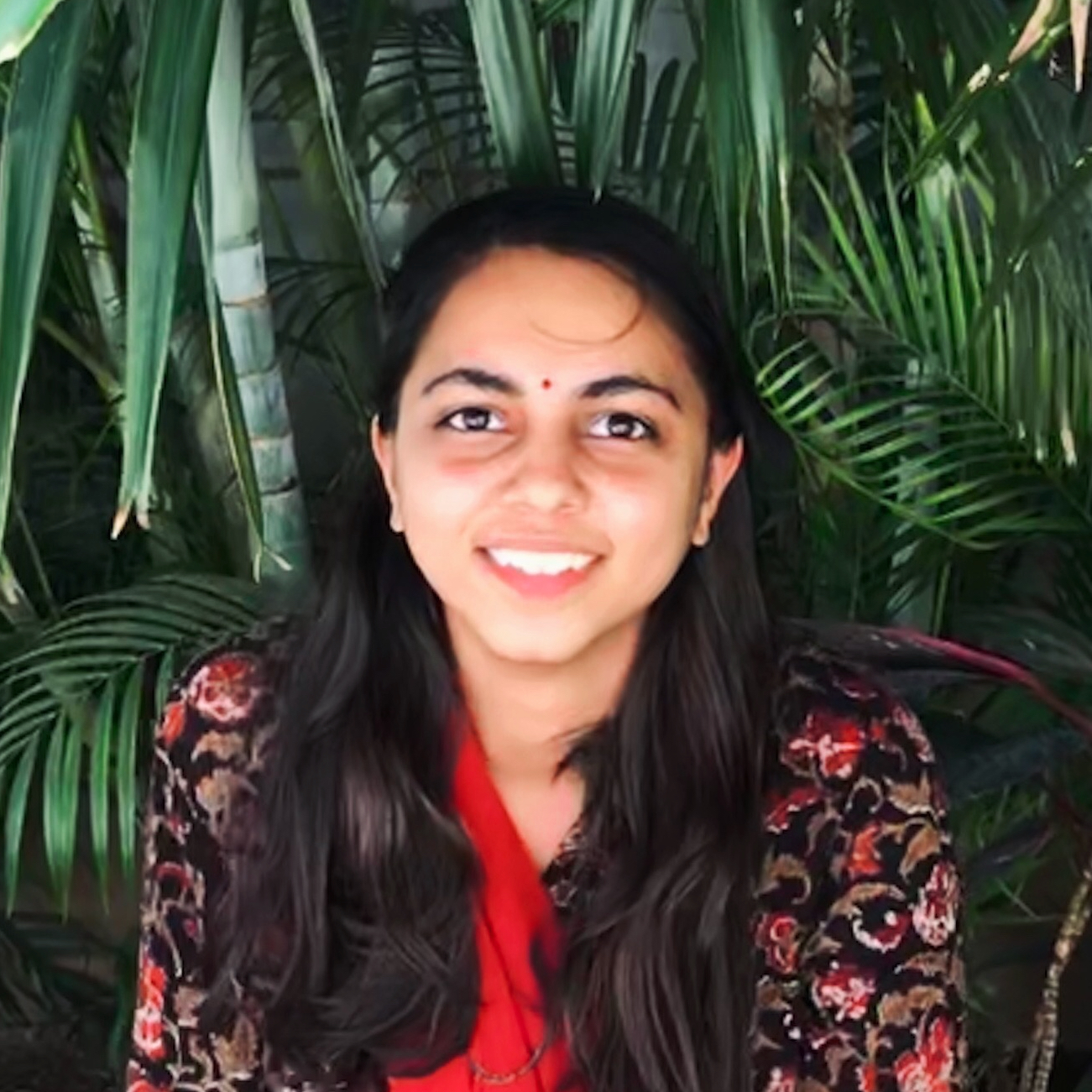
Profile
Puja-Arti is a fourth-year PhD candidate. Her thesis, submitted in October 2026, examines how welfare bureaucracies produce truth in contexts of informality. She asks how front-line bureaucrats and citizens co-author truths the state can read, and what this labour reveals about state power and bureaucratic authority. Drawing on six months of ethnographic fieldwork at three citizen service centres in eastern Ahmedabad, Gujarat, the thesis develops the concept of "truth-work": the situated labour of making experiences, claims and decisions legible to different audiences. Bringing together street-level bureaucracy studies, dramaturgical sociology, philosophical hermeneutics and anthropologies of the state, she argues that front-line discretion is a space of performance. In this space, rules are transformed into certified truths about citizens' lives, and into authority for the bureaucrats who author them. That authority depends on citizens taking part in the co-authoring.
Before joining Warwick, she graduated with an MPhil in Social Anthropology from the University of Cambridge. She also holds an MPhil in Theology, Religion, and Philosophy of Religion (Distinction) from the University of Cambridge and a joint Bachelor of Arts in Theology and Oriental Studies (Sanskrit) from the University of Oxford.
Research
Puja-Arti is a sociologist and social anthropologist whose central interest is institutions: how people live and work within them, and how everyday interaction, judgement and belief sustain and reshape institutional life. Much of this work has focused on the state. Her doctoral research in Ahmedabad's citizen service centres developed the concept of "truth-work" to explain how bureaucrats and citizens produce credible truths where documents fall short, and how this labour creates authority. Bringing together ethnography, philosophical hermeneutics and socio-legal thought, she also follows these questions into other settings. Her work on pedagogy in universities examines how generative AI and detection technologies affect trust between teachers and students. Religious and moral life is another, including how ethical and theological ideas shape judgement at work. Related interests include emotion and gender in institutional work, and material and visual culture in urban India. She plans to apply the concept of truth-work to developmental organisations in Gujarat, tracing how truths about welfare beneficiaries are produced across state offices, NGOs and the media.
Research interests
Phenomenological anthropology, anthropology of the state, sociological theories of power and authority, contemporary religion, particularly visual and material culture
Awards
- Leverhulme Trust PhD Studentship 2023-2026
- Graduate Tutors Prize for Distinction in Masters (Fitzwilliam College, University of Cambridge), 2021
- Faculty Prize for Distinguished Performance (Faculty of Divinity, University of Cambridge), 2021
- Gupta Dan Bursary (Oxford Centre for Hindu Studies), 2017, 2018
Teaching
2025-2026 Introduction to Contemporary Religion, Vrije Universiteit Amsterdam (VU Amsterdam)
2025-2026 SO242-15 Designing and Conducting Social Research, University of WarwickGuest lecturer
"Contemporary issues in the study of Hinduism" for BA module, Introduction to Religion, University of Roehampton, London
I have also participated in seminars and workshops on inter-faith dialogue and contemporary issues in religion.