
Magnetic Fields and Facilities
The Group employs a diverse array of apparatus tailored to its research needs. These instruments support investigations across a broad spectrum of magnetic field strengths. This versatility enables exploration of phenomena from low-field effects to high-field quantum behaviour.
Magnetic Fields
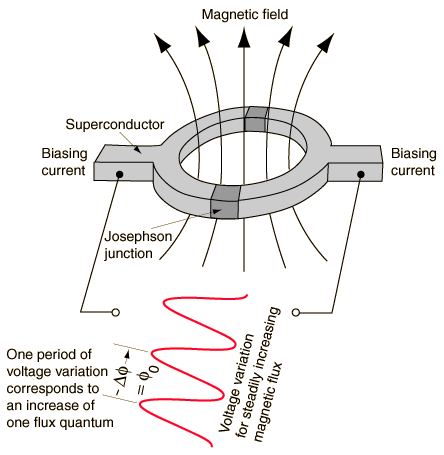
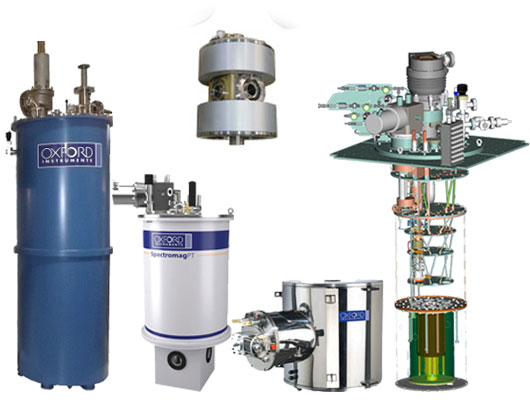
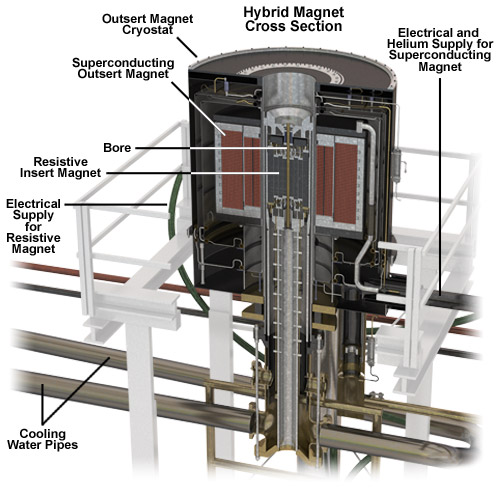
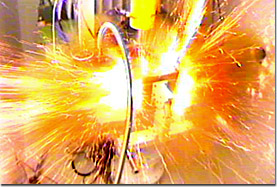
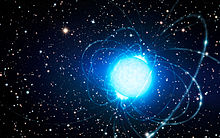
Squid
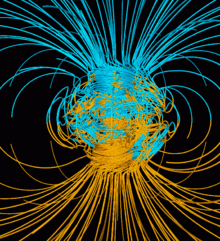
Earth's field
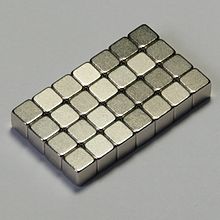
Permanent magnets
Superconducting magnets
Hybrid & pulsed magnets
Destructive magnets
Magnetars
Field (tesla)
10-18 to 10-16
10-5
0.1 to 1
1 to 25
20 to 500
102
1010
High Field Research Laboratories
In most research laboratories, including ours, electromagnets with iron cores have been replaced with superconducting coils.
We have a number of magnetometers and cryo-magnet systems with solenoids that can generate magnetic fields as high as 17 tesla.
For experiments that require higher magnetic fields we travel to high magnet-field facilities that offer a range of magnets including resistive, hybrid, superconducting, and pulsed magnet systems, offering field strengths of 50 tesla and above.





Nobel Prize in PhysicsLink opens in a new window with Leo Esaki Link opens in a new windowand Ivar Giaever Link opens in a new windowfor his discovery of the Josephson effectLink opens in a new window.
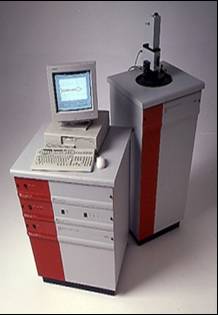
Quantum Design MPMS XL squid magnetometer.
Squid Magnetometers and the Josephson Effect
At the other extreme to the very strong fields used in some of our research, we also use the Superconducting Quantum Inference Device (SQuIDLink opens in a new window) in our magnetometers.
A SQuID, which in a magnetometer is used as a sensitive current-to-voltage converter, takes advantage of the Josephson effectLink opens in a new window and is capable of measuring changes of one magnetic fluxonLink opens in a new window or less.