
Student Co-Creator Reflections

Public Engagement Co-Creation with Students Fund
Student Reflections 2025-26
On this page, you can read reflections from student co-creators who worked on public engagement projects in the year 2025-26. Navigate through the reflections using the arrows on the left and right.
If you are a student interested in public engagement work or training, check out our 'Get Involved for UG Students' or 'Get Involved for PG Students' webpages.
If you are a staff member looking to hire students to work on your public engagement project, check out the main webpage for our Public Engagement Co-Creation with Students Fund.
Kezia Davies, Health Champion Training Developer
My project
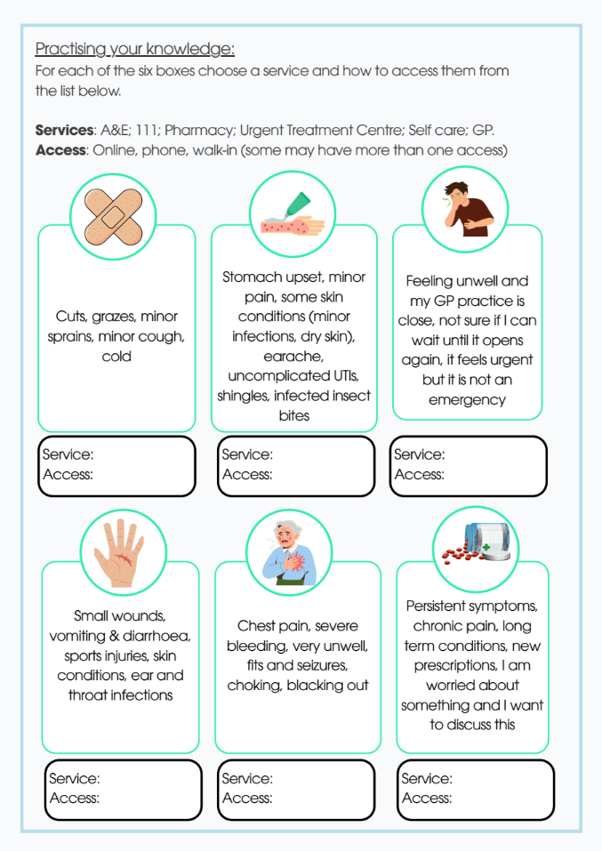
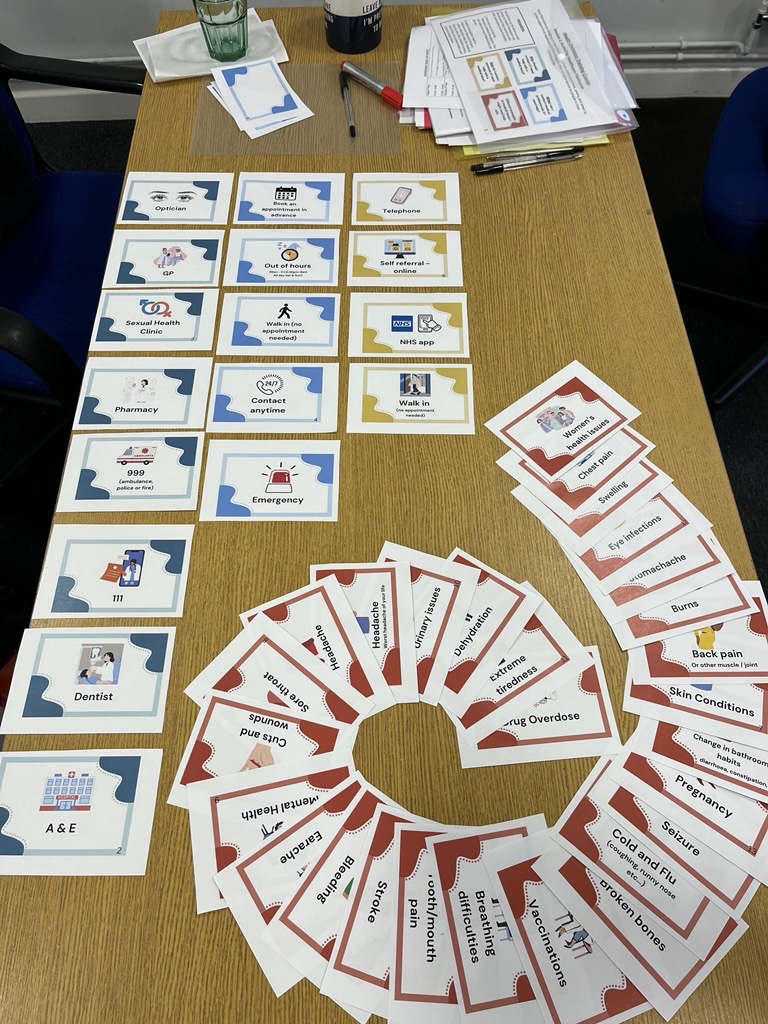
For this project I worked as a Health Champion Training Developer with the University of Warwick and Coventry Refugee and Migrant Centre, a job I shared with another student. I collaborated with refugees, Warwick students and staff to co-develop resources for a six week health champion training course. This course teaches health literacy so refugees can support others in their communities via signposting and information sharing. My role consisted of codesigning activities to use in the course as well as a workbook for health champions to use to support their learning. We held an initial workshop session where around 24 refugees and migrants discussed the course topics, learning methods, workbook structure, knowledge gaps and what they wanted to get out of the course and their role as Health Champions. We also held an individual consultation with a member of the refugee and migrant community who is a doctor and advised on smoking cessation information and support resources. We then organised a designated workshop to codesign some of the course activities which included: a diet and exercise Kahoot quiz for session three, mind mapping wellbeing activities, discussing key points for accessing healthcare in the UK, mock conversations on supporting someone to stop smoking or taking drugs, and identified some red and green flags for common and serious illnesses. In a further session, one of the Warwick students and one of the refugees co-designed the changing behaviour case-based learning (CBL) activity for session 2. I also helped to deliver some of the sessions to a group of refugees; the first session was attended by around 24 refugees, and the second session was attended by around 35 refugees.
Why I applied for this co-creator role
I was drawn to the role because I was excited to be part of a project from the beginning stages and contribute towards its creation and delivery. I also was seeking experience in co-production projects and getting to see how relationships are built and navigated when designing something with intended social impact. As a research student, I wanted to apply much of what I have studied and draw the link between theory and practice, particularly navigating project ideals with practical elements such as time and budget constraints.
Learning and Development
In this role, I developed my teamworking skills, particularly when it came to working with people from various different experiences and backgrounds. Prior to starting the role, I hadn’t used Canva very much, but I used it extensively in this project and feel much more confident in my ability to create useful and creative resources. It has also developed my skills in project planning and delivery, particularly the ability to produce results focused work within short timeframes. It has increased my awareness of what is happening in Coventry, and how to seek out services closer to where I live and support others to do so too. I also got to know some of the refugees and hear about their experiences, which taught me how to be a better listener and what a privilege it is to celebrate big and small wins with others. I am hoping to work in research and policy after I complete my degree this year, so this experience is invaluable to equipping me as a better research and project coordinator.
Advice to other students
I would advise other students to get involved with as much as they possibly can and not be afraid of trying new things. Be honest with your team about your strengths and weaknesses so they can support you and you can support your colleagues in turn. I think communication is one of the best ways you can be a good team player, including not assuming that someone else is going to pick up part of the project if that hasn’t been discussed. Pay attention to the details and the wider direction of the project and ask questions which show that you are interested beyond your own role. Make it clear in your application why you are excited for the role and why your past experience is complementary to the project you are applying for. As much as you can, show impact from previous projects – the impact on yourself but also the positive impact on others and the organisation.
Barbara Pitruzzella, Health Champion Training Developer
My project
As a Health Champions Training Developer, I helped develop the content of a six-week course aimed at members of the refugee and migrant community in Coventry. This course aims to equip attendees to become Health Champions: a role that involves helping, supporting and signposting others in their community to access healthcare services, as well as to build and maintain healthy habits.
In my role, I worked with another Health Champion Training Developer to co-produce the content of the course with the Health Champions themselves. This involved workshops and informal interviews to establish which topics would be most helpful to discuss, what learning methods were preferred and the desired outcomes of the course.
We then designed a workbook to support the six-week course, complete with activities, learning tools and resources. We also designed and co-produced different learning activities to be undertaken during each lesson to expose the attendees to different learning methods, including working in a group, matching activities, quizzes, and case-based learning.
We finally produced a guide to collect the information on how to access the resources and run another course in the future.
Why I applied for this co-creator role
As a medical student, I was very interested in a role that aimed at improving health literacy and access to healthcare. In particular, I wanted to get further experience of engagement and co-designing methods, especially with a community often underserved, such as the refugee and migrant community. I was also interested in gaining experience of producing learning materials and reflecting on different learning methods.
Learning and Development
As part of this role, I have gained further experience of engagement with local communities, which has been one of the most wonderful aspects of this role. Working with the refugee and migrant community in Coventry has been a very rewarding experience and a great pleasure.
I have also improved my ability to build and design learning resources and to consider how the delivery of different teaching methods can support learning in different ways.
I have also learnt more about local health and care services in Coventry, as well as specific challenges that the migrant and refugee community faces in accessing healthcare.
I hope to use the experience and skills developed in this role as part of my medical studies and career in the future to consider how to support people from different community to access healthcare and build healthy habits. An important part of a career medicine is also teaching, so I will definitely use what I have learnt to support any teaching I do in the future.
Advice to other students
It is a fantastic opportunity to engage with people and different communities, to apply some of what students may have learnt at university in the real world and hopefully be of service in some way to those communities.
Callie Wilson, Public Engagement Co-Creator - Palaeontology
My project
In this role I designed and delivered outreach activities introducing palaeontology and evolutionary science to children, young people, and community audiences. It involved adapting complex scientific ideas into engaging and accessible formats, from hands-on workshops to creative digital resources. I designed an online Minecraft learning experience that takes people through the Mesozoic era to explore how birds evolved from dinosaurs. This included designing interactive biomes, evidence-based mini games, and age-differentiated challenges that translate real palaeontological research into curiosity-inspiring science communication.
Why I applied for this co-creator role
I applied for this co-creator role because it was based on palaeontology, an area that I have always been passionate about, but haven’t had the chance to explore in an academic environment. The idea of making such evolutionary science more accessible to the public excited me – and I wanted to gain practical experience in designing engagement activities and communication with diverse audiences about something I love and take a personal interest in.
Learning and Development
This role definitely cultivated my skills in creating and designing engagement activities. I had no prior experience in public engagement and have learnt so much from this job. It has refined my ability to engage with a diverse range of audiences, helped me improve in communication and accessible language, and has taught me that public engagement is an area that I’d definitely like to get involved in more.
By designing such a complex, multi-stage activity and delivering new content every week, I have strengthened my organisation and time management skills and learned to manage creative projects from concept to delivery. These skills directly support my future work in equality, diversity and inclusion, and position me with excellent experience for further roles in public engagement and widening participation.
Advice to other students
I think I’d tell them to be genuinely curious about people and how they engage. From what I’ve learned, public engagement is about meeting people where they are. You just have to enjoy helping others understand something new, be creative and experiment. The only thing I struggled with in this role was having a million different ideas. There is so much you can do, so just try those ideas, and learn as you go.
Ellen Mann, Public Engagement Co-Creator - Palaeontology
My project
My project centred around educating KS2 students on evolution and genetics through the lens of palaeontology. Within this remit, I decided upon producing a DND-style campaign focussing on the Permian and Oligocene time periods during which players would be emersed in the flora and fauna of each. Evolution and adaptation were woven into each encounter, encouraging players to think about characteristics that afforded creatures a greater chance of survival during mass extinction events and how the ancestors they’re interacting with have descendants adapted to potentially vastly different environments. With a mind for engagement and learning, this method of delivering complex content introduces the notion of collaborative learning whilst stoking imaginations, delivering an interactive experience for everyone involved. I hope that with this activity, students will learn how to identify key characteristics developed through evolution and adaption but will also have a great time doing so!
Why I applied for this co-creator role
I was enticed from the very beginning; as the recipient of public engagement myself when I was in secondary school, I understand the importance of this role. In year 8, I won a science competition and thus was rewarded with a trip to The University of Surrey to watch a series of lectures on diseases that cause horror. I had not thought about my future to the degree one would in later years, but in a moment that I still remember today, the lecturer passionately and dramatically narrated a case study documenting a parasite that causes ‘zombie-like’ symptoms, I was enthralled. From then on, I knew I wanted to, needed to study biology. Communication in science is imperative to propagating our fields and informing the public on key findings and inspiring the next generation of scientists. Palaeontology has always been an integral part of my personal interests, having studied this subject in university and with a borderline obsessive love of dinosaurs, I have always gravitated towards this field. Despite instead working within life sciences, evolution and adaptation are key factors in all biological and palaeontological sciences. With regards to public engagement in particular, I am passionate about the need for clearer, more concise/interactive learning for the interested public, especially children, in order to foster a love of education without the barriers of social and economic divide that often overshadow access to tertiary education. I would love to learn more about how The University of Warwick intends on expanding its public engagement – when I was in high school in Australia (a state run school with an outdated and underfunded science department whereby the majority of students were not expected to be accepted, or encouraged, into tertiary education), the university I would later attend, would hold lectures for the public on topics of interest. I have since lectured in various teaching positions and thoroughly enjoyed It, however, this format of delivering content is not only effective for students. Imagine the opportunity to lecture to the public about current and emerging illnesses, perhaps some that are in the news right now, or on autoimmune diseases to increase awareness and understanding about common but often misunderstood diseases. With this platform, we could answer burning questions, attempt to alleviate anxiety in the community and hopefully inspire another generation to consider tertiary study. Designing this engagement activity was not only a load of fun, but I learnt so much about collaborating with community partners and tailoring specific teaching requirements for students in KS2 education.
Learning and Development
During this role I was immediately emersed in an environment that encourages questions and fosters growth and development. The communication and teaching skills I had prior to this role were geared towards tertiary education and delivering complex content to a knowledgeable audience. This opportunity tailored those raw skills for the purposes of informing the general public/primary school students, not only to teach but also draw engagement from those who may not have ever heard about the concepts I presented. I was challenged to create and design something informative but fun, concise but accessible and the team I worked with engendered a desire within me to learn more about how I could achieve this. I also learnt a lot about logistics and planning, ensuring the smooth delivery of content whilst allowing for constant feedback and interaction with students.
In terms of transferrable skills, the ability to communicate complex science effectively to the public is imperative to the skillset I am cultivating for post-doctoral opportunities. Further, in a more real sense, collaborating to obtain resources and coordinating with members of the community is a skill I value and am grateful for learning during this project.
Advice to other students
The greatest piece of advice I would give to students looking to take this opportunity would be to collaborate, collaborate, collaborate! Great projects are not produced in isolation; you will find that sharing your ideas and implementing constructive feedback from your team is integral to developing a holistic public engagement activity. In addition, market research can prove vital, in other words, join an engagement activity if you can, interview potential audiences on their preferences for learning. It is very easy to fall out of touch with public awareness when engrossed in your studies, so taking stock of what your audience is currently engaging with e.g. when I was a kid, it was Pokemon!
Laura Cole, Student Engagement and Co-Creation Partner
My project
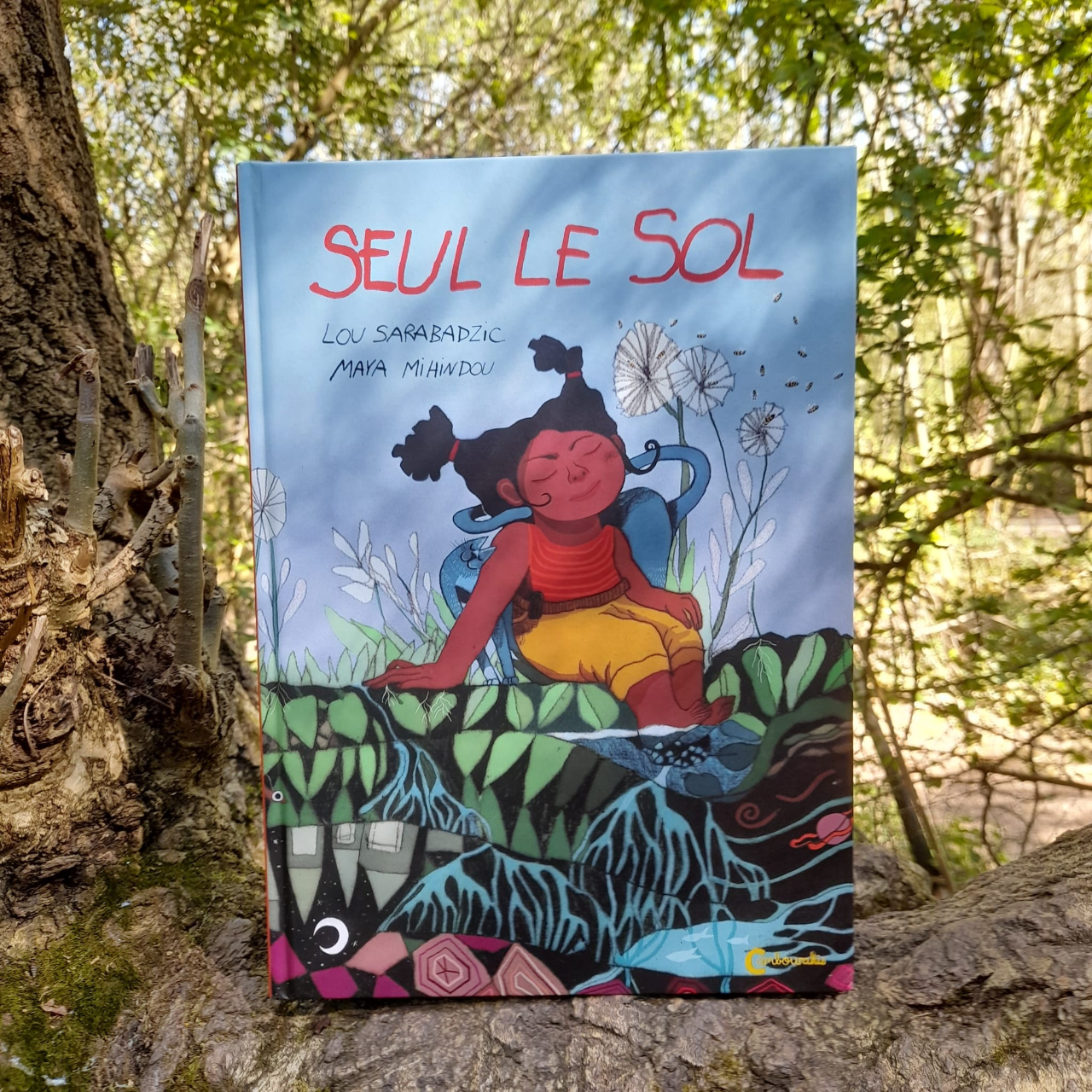
My role involved firstly translating the poem Seul le sol from French into English. This translation then provided a springboard for the organisation and design of community engagement activities to be held in workshops in local libraries. The project then progressed to the design of exhibition panels relating to the main themes of the poem and linking them to the local area.
Why I applied for this co-creator role
I was drawn to this role due to the opportunity it offered to practice poetry translation in a professional and collaborative environment. I was excited about the chance to work on projects which would promote French and language learning in the local community, particularly the chance to engage young people in this way. Alongside translation practice, this project gave me practical experience in designing and creating engagement activities for workshops, enhancing my digital design skills in the process. The opportunity to collaborate with staff, my fellow student co-creator and a community partner was also enriching, offering the chance to learn from each other. I would welcome an opportunity to work in community engagement in the future.
Learning and Development
I was grateful for the opportunity to improve my translation skills, particularly in a more professional context. Furthermore, I developed skills in research, using resources such as the Modern Records Centre and local museums, and digital design when creating public engagement materials. This project was centred around collaboration, allowing me to improve my skills in teamwork and intercultural communication, communicating a lot of the time in French.
I hope to be able to use what I have learnt and the skills I have developed through this project in my future career. As I plan to work with children in the near future, I will be applying my activity and resource design experience in a professional context.
Advice to other students
I would highly recommend applying to become a student co-creator. The role has helped my professional development and equipped me with a wide range of skills which will prove essential in the professional world and in my life beyond university. I would advise any future co-creators to communicate well with their team, working towards frequent small and achievable deadlines. This helps to ensure that time is managed well alongside studies.
Harriet Pickering, Student Engagement and Co-Creation Partner
My project
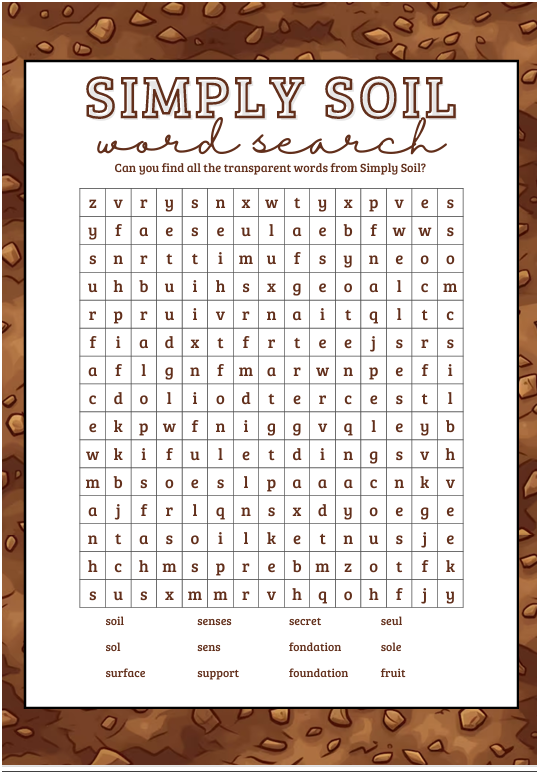
My role involving co-translating a French poem about soil artificialisation with my fellow co-creator, we both drew up our own draft and then worked together with the rest of our team to create a suitable joint translation which best reflected the source text. Following this we used our translation to create engagement resources for local workshops in libraries, such as bilingual puzzles, trails and creative games. We also used the translation as a basis for two exhibitions, using verses to highlight themes within the poem and then link these topics to issues in the local area and France. It involved lots of research, creativity and the ability to work online with tools such as Microsoft and Canva.
Why I applied for this co-creator role
What drew me to the role was primarily the translation and environmental element. As a master’s student I was incredibly excited by the opportunity to gain practical translation experience I could discuss on my CV. I’m also incredibly passionate about the environment and was looking forward to working with a topic I knew and could apply my knowledge to. I also wanted to gain practical experience working with public engagement but didn’t understand how many logistics could be involved with planning certain activities, such as obtaining copyright for resources and working to ensure accessibility for everyone. I was also attracted by the opportunity of working within a team, we were lucky enough to have weekly team meetings to explore ideas and receive feedback on our current work.
Learning and Development
I definitely developed my research skills; I’d developed research skills across my degree but mainly in a strictly academic environment. However over the course of the project, I had to conduct extensive practical research in new areas, such as combing through foreign newspapers, photo archives etc, all while considering copyright. I worked with my colleagues to find new and helpful resources. Even though we divided the topics between us we still sent each other links to relevant databases, which made the process much smoother and demonstrated the value of teamwork. I am certain that these skills will help me in my career as a translator, conducting research about new topics.
Advice to other students
I would certainly advise other students to consider applying for an engagement role, it is a wonderful opportunity to gain new skills you may not have had the chance to develop while simply studying. All skills and work completed can be discussed on CVs and in job applications but is also an opportunity to connect the university with the community. When working on a project I would emphasise the importance of teamwork. Me and my fellow co-creator met up and worked together and also created lots of shared access documents, so that we could support each other and provide new perspectives when struggling.
Sehar Jaggi, Student Research Assistant for Public Engagement and Co-Creation
My project
As a Student Research Assistant for Public Engagement and Co-Creation, I worked on developing engaging ways to communicate psychological research to young people and the wider public. This includes helping to design and deliver interactive activities for the Resonate Festival, such as Digital Detectives and Conspiracy Cooks, which explored misinformation, online trust, and critical thinking.
Why I applied for this co-creator role
I was drawn to the role because it combined psychology, creativity, and public engagement. I was particularly excited by the opportunity to translate research into accessible activities and gain hands-on experience designing engagement resources that could have a real impact beyond academia.
Learning and Development
This role helped me develop skills in activity design, science communication, collaborative working, and public engagement. Through planning and delivering festival activities, I learnt how to communicate psychological concepts to diverse audiences in an interactive manner. These skills will be valuable for my future career in psychology, where communicating research and working with different communities are essential.
Advice to other students
I would highly recommend applying for a public engagement co-creator role if you want to gain practical experience outside of lectures. It is a great opportunity to develop transferrable skills, work with supportive colleagues, and see how research can make a meaningful difference in the wider community.
Minahil Butt, Student Research Assistant for Public Engagement and Co-Creation
My project
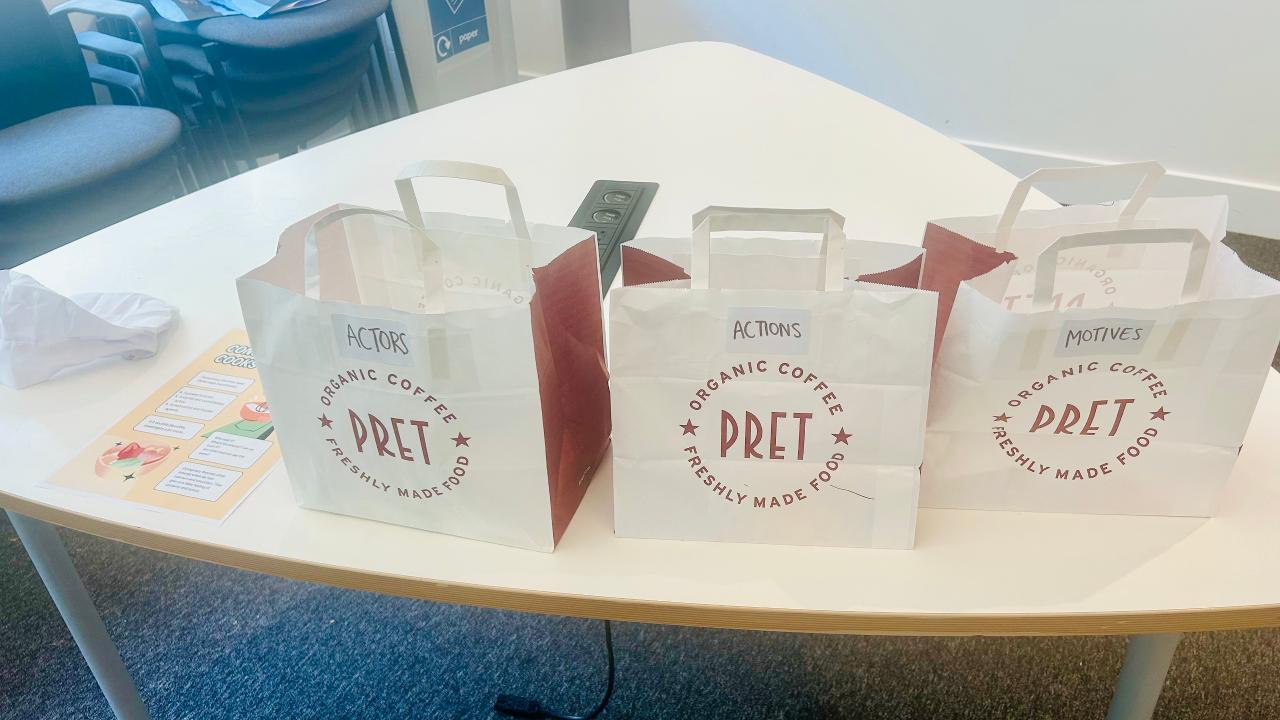
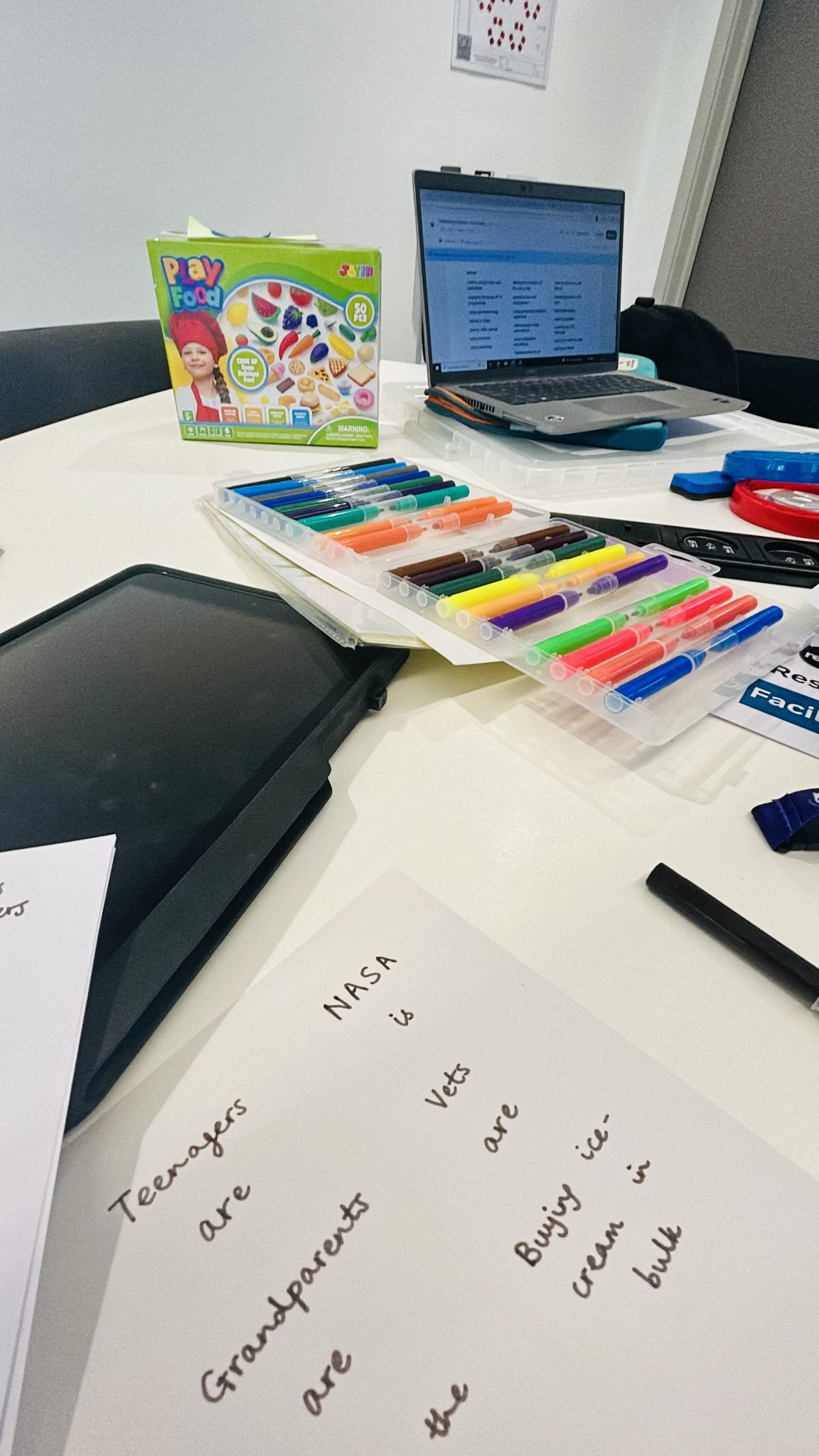
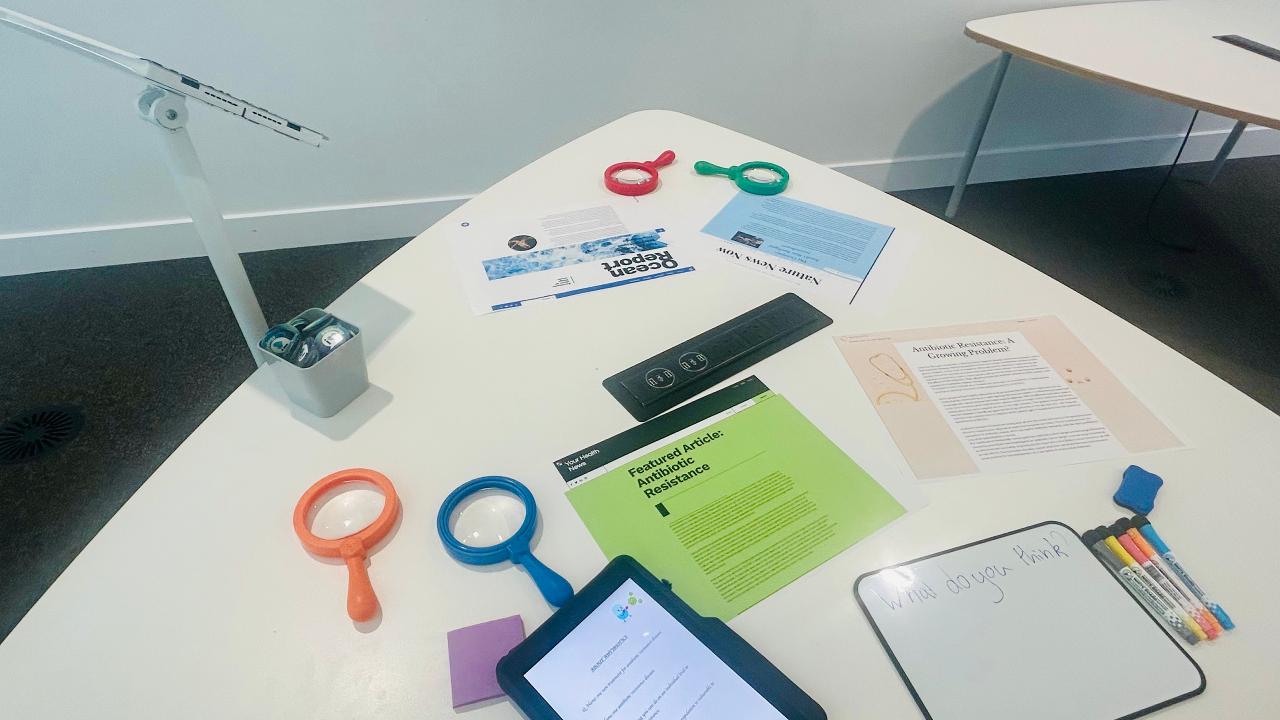
My role involved working as a Public Engagement Co-Creator on two psychology-based activities, Conspiracy Cooks and Digital Detectives, for the Resonate Festival. I contributed to discussions about how research findings could be translated into engaging activities for a public audience and helped shape how the activities would be delivered in practice.
The role involved collaboration, communication and adapting research-informed ideas for different audiences.
Why I applied for this co-creator role
What initially drew me to the role was the idea of making psychological research accessible to people outside academia. As students, we spend a lot of time reading research and discussing findings, but much of this knowledge never reaches the wider public. I was interested in seeing how research could be translated into something engaging, interactive and meaningful for different audiences.
I was also keen to learn more about public engagement itself. The opportunity to work on activities based on real research and contribute to a public-facing event felt like a valuable way to gain experience beyond the classroom.
Learning and Development
The main skill I developed through this role was communication. I learned how to adapt the way I explain ideas depending on who I am speaking to, whether that was fellow team members during planning meetings or children and parents at the Resonate Festival.
The role also helped me develop a better understanding of public engagement and information literacy. I gained insight into how research can be transformed into activities that are both engaging and educational, while remaining grounded in evidence. Throughout the project, I learned from discussions with the team and from seeing first-hand how members of the public responded to different activities and ideas.
Advice to other students
I would definitely encourage them to apply. It's a great opportunity to see a different side of research and learn how ideas can be communicated beyond academic settings. My advice would be to come in with an open mind and be willing to think creatively, as public engagement is often more about how you communicate an idea than the idea itself.
It's also worth making the most of the chance to share your own ideas and learn from others. Even if you have no previous experience in public engagement, the role provides a valuable insight into how research can be made accessible, engaging and relevant to different audiences.
Gemma Rice, Transformations Sci-Fi Reader Creator
My project
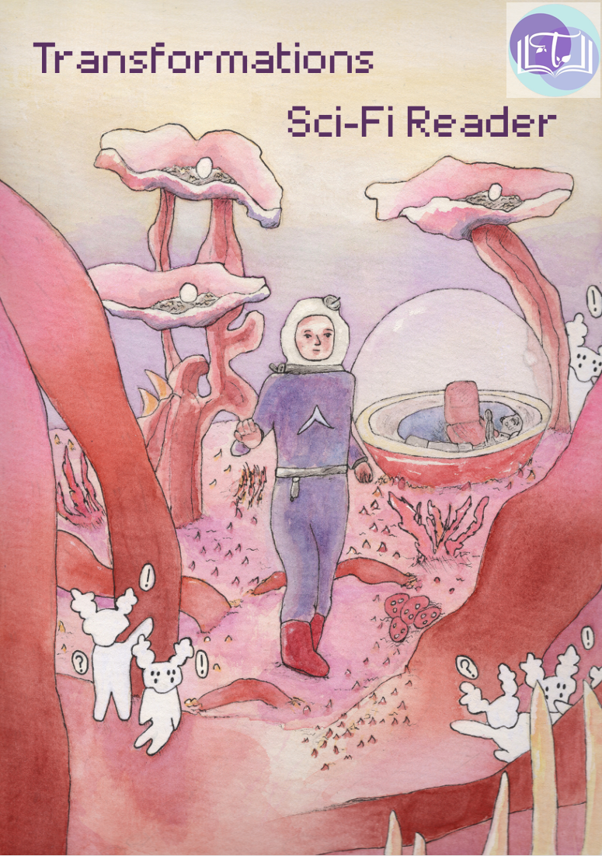
I co-created a Sci-Fi reader to act as a learning resource for the secondary school students who will be participating in the Transformations programme next year and beyond. This involved curating extracts, creating design elements and organising the reader to encompass different aspects of Sci-Fi in literature, while ensuring that the collection of texts are accessible and can provide a basis for future Transformations tutors to teach amazing lessons on the genre.
Why I applied for this co-creator role
The Transformations programme has been a highlight of my time at Warwick and I wanted to extend my participation in its impact on student’s learning and creativity further. Sci-Fi is often an underappreciated and overlooked genre within literary education, so being able to design a resource that will likely be most students first academic interaction with the genre is exciting. Despite Sci-Fi’s fantastical and otherworldly qualities, it often speaks to our current realities better than more grounded genres, and I hope this resource can inspire future Transformations students to produce thoughtful and engaged creative writing.
Learning and Development
Taking part in the project has allowed me to experience what it takes to produce an educational resource from initial ideas to completion, and all the necessary steps this process entails. Creating design elements for the project, including the reader’s front cover, has greatly developed my skills in art and design, especially in tailoring aesthetic elements towards a certain age group. After I graduate, I hope to go into the arts sector and I know being able to co-create this reader has given me experience and extra confidence, whether I end up in publishing, curation or creative education!
Advice to other students
Taking part in a public engagement project is a rewarding experience, especially when thinking about the positive impact and inspiration it can have on others. If you want to learn about engagement and are passionate about knowledge exchange, then don’t hesitate to apply!
Bethany Hadingham, Transformations Sci-Fi Reader Creator
My project
The Transformations Sci-Fi Reader Co-Creator role involved selecting, organising, and formatting Sci-Fi texts into a syllabus for teaching extracurricular English to secondary school students. It also included creating lesson resources, a guide for tutors, introductions to each section and the reader, and art.
Why I applied for this co-creator role
I have been involved in transformations for 3 years now, and I am currently an exec member working on diversity and inclusion. I’ve been involved in this project from its inception, as I have an interest in sci-fi and felt that my knowledge would be a good fit to create a new reader and leave a legacy with the department. I was excited to select texts and bring in my own interests to create a reader and to make an exciting, enjoyable experience for all the students who get to teach and be taught the new material during this role. I have learnt about public engagement and the issues surrounding copyright, teamwork and project management. Throughout this process, it has been crucial to stay within legal guidelines to create enriching and engaging extracts that reflect the current sci-fi climate. It has been an amazing opportunity to design a new curriculum and use texts from the Zeitgeist and my own niche interests to inspire the next generation of young writers.
Learning and Development
I have learnt a lot about copyright and educational licensing in this role, which has made me more aware of initiatives such as the Digital Commons and archiving. Additionally, I have learned about compromise and the ability to pick out diverse yet engaging texts with students in mind, relating not only to legal texts but also to age-appropriate and diverse texts. I have had many growth opportunities, and I have become more connected to the program, leaving an indelible legacy for future participants. It has been really lovely working with Charlotte in the department in a professional capacity, and she was an amazing and valuable resource in coordinating the reader. These opportunities are relevant to my career in academia, as selecting texts and passages and thinking about how they relate not only to each other but to the world at large is part of designing modules and examination questions. It is important to create a visual field as well as an intellectual one, which is why it has been amazing to work with such talented artists to help bring the reader to life, thereby enhancing my skills in teamwork and communication.
Advice to other students
My advice to you, other students, would be to seize every opportunity that comes your way, as you never know what activities may inspire your passion or lead you to a new way of viewing the world. I thoroughly enjoyed my time, and I think even though I’ve been working on this during the height of my dissertation writing. It has been a great opportunity and has shown me a lot about time management and commitment to a great cause!
Dana McCutcheon, Research Assistant – Can digital goods be neutral?
My project
My role involved producing blog posts based on event documents from a share point and contributing to web design.
Why I applied for this co-creator role
Apart from general exposure to research projects, I was drawn to the content of the project because I find it really important and inspiring to be looking into the realities of grassroots endeavours. With all that has been studied about political and economic behaviour in the context of hierarchical structures with a big role for authority, there’s really not been enough research done into alternative ways of organising ourselves in a context of decentralised autonomy, looking at what can come out of communities like that and thinking practically about how to achieve better outcomes. I also find it really fulfilling to make information more accessible to the public and wanted to work on that, particularly in a digital context which I haven’t had so much experience with.
Learning and Development
I developed my skills with GitHub, Quarto and CSS including using online resources, got more experience working in a team, and learned some interesting things around the subject matter of the project. I'd like to go into academia after a couple years teaching in a school and/or doing research, so being involved in a research project like this is relevant experience to have and good for my CV.
Advice to other students
Look for what suits and excites you, bring some enthusiasm, and don't be afraid to ask questions if you need help.