
Awarded Projects 2026/27
Awarded Projects
2026/27
Learn more about the 14 projects awarded in the 2026/27 round of our Collaboration and Co-Production Fund.
Portchester Castle's Tapestry of Black Britons
Kate Astbury (Modern Languages) and Paula Ogun Hector (Tapestry of Black Britons CIC)
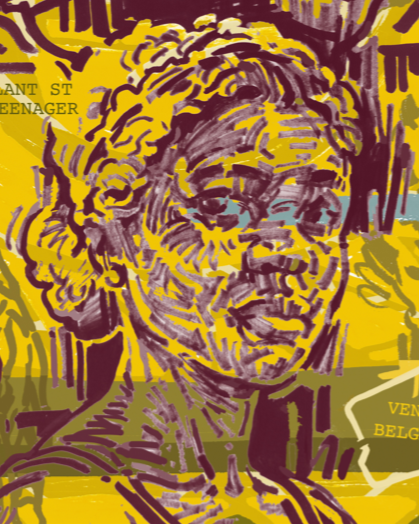
Paula Ogun Hector is creating the Tapestry of Black Britons as a series of digitally woven tapestries depicting the African and Caribbean contribution to Britain from the Romans onwards. It aims to include portraits, seminal historical moments, protest, joy, African deities and diasporic poetic imagery, addressing gaps in Black British history awareness. Each panel will be created in collaboration with creatives and communities around Britain and creatives from the diaspora.
Funding from the Collaboration and Co-Production Fund will enable us to hold workshops with African Caribbean community groups in the Portchester area to develop design ideas for a panel depicting the Caribbean men, women and children held as prisoners of war at Portchester castle in the 1790s. Co-creating the tapestry design will bring the community together around shared histories of resistance during the Revolutionary wars, strengthening their sense of belonging and their identity.
URBAN HAUNTING: A collaborative film and performance project to reimagine Coventry through Macbeth and the city's histories of persecution
Lara Barzon and OUT OF PACE Collective (University of Warwick), Sarah Worth (Highly Sprung Performance) and Fausto Ribeiro and Matheus Vieira (Istmo Nomade Collective)
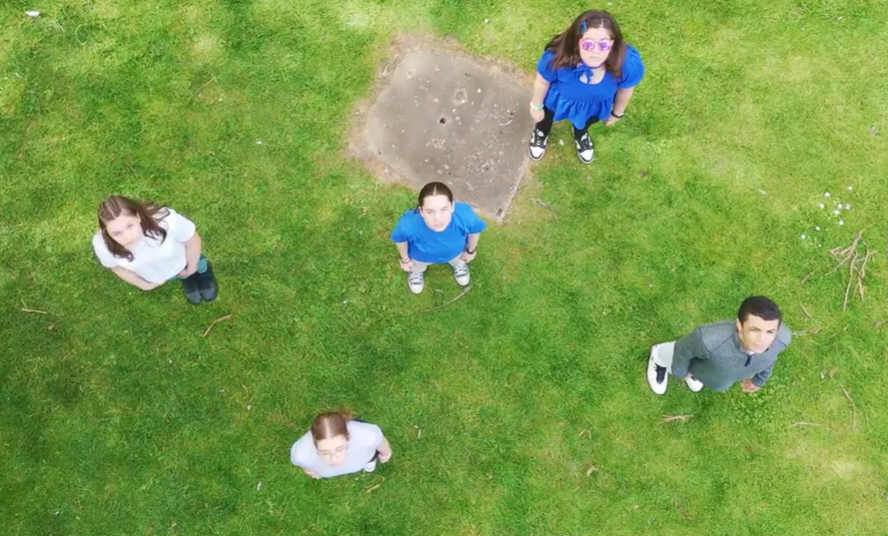
Lara, Sarah, and members of OUT OF PACE and Istmo Nomade collective are collaborating to bring young people, students and international artists together to explore how Coventry's urban landscape and Shakespeare's Macbeth generate new forms of embodied storytelling rooted in the city's hidden histories.
Through a series of workshops and the realization of a short film, the project engages with narratives that sit at the margins of dominant cultural memory in both theatre and everyday life: Coventry's histories of witch persecutions and women's resistance, alongside the witches of Macbeth as archetypal yet often overlooked figures within Shakespeare's world.
Fertility Co-Lab: Shaping Fertility Research Through Patient and Clinical Collaboration
Dr Aleksandra Byrska (Warwick Medical School) and Dr Deborah Taylor (Centre for Reproductive Medicine, University Hospital Coventry and Warwickshire)
This project aims at strengthening the existing relationship between the University of Warwick and the University Hospital Coventry and Warwickshire (UHCW), particularly with the hospital's fertility treatment unit, the Centre for Reproductive Medicine (CRM). While there are ongoing research projects in the CRM investigating various causes of infertility and embryo development, research and clinical practice remain entirely separate. We aim to remove such gap between research and clinical perspectives by incorporating the voices of clinical staff and patients in shaping research directions.
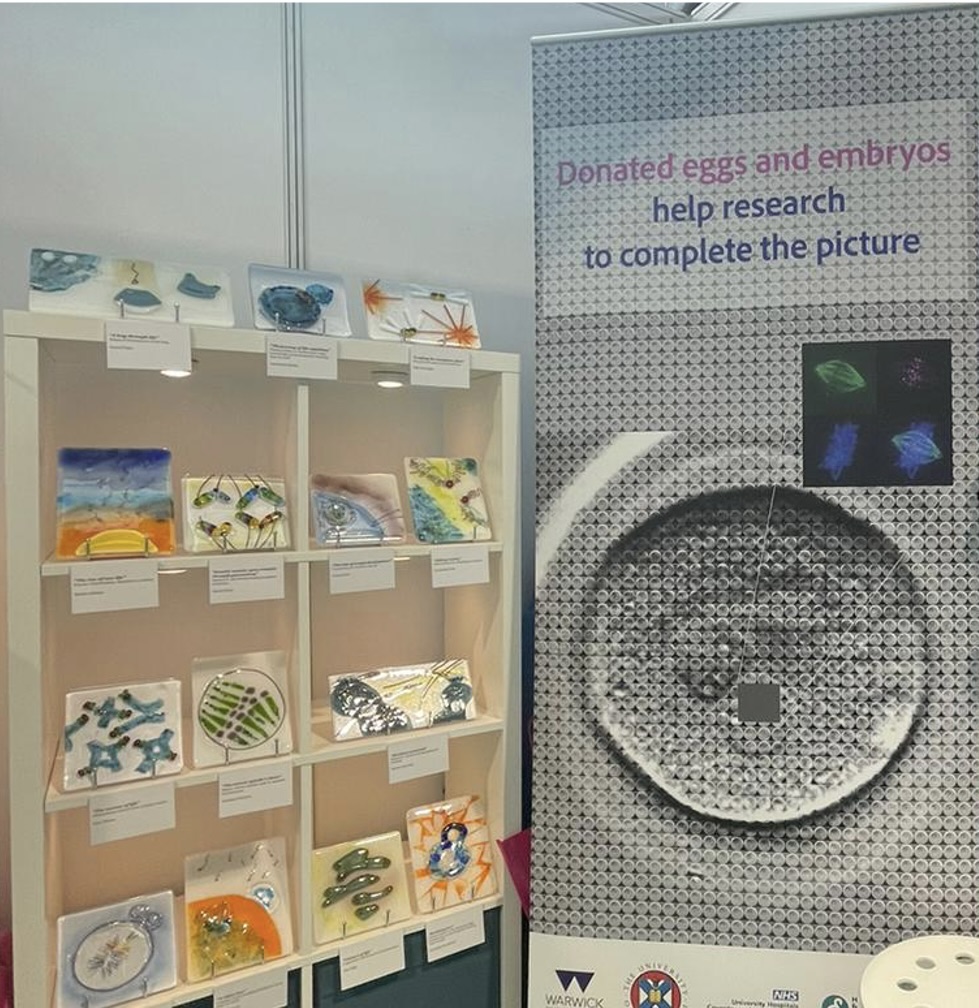
To achieve this, we will create opportunities for CRM staff members to participate in research by offering lab experience days and supporting clinical staff-led small research projects. We will also involve fertility patients, raising awareness of the importance of research for IVF advancement and identifying areas of importance for fertility community. Previously created artwork inspired by fertility research will be showcased at University public engagement events, creating a space for conversations between researchers, patients and general public. This will let us explore how the academic research can support the clinical practice and improve patients' experience.
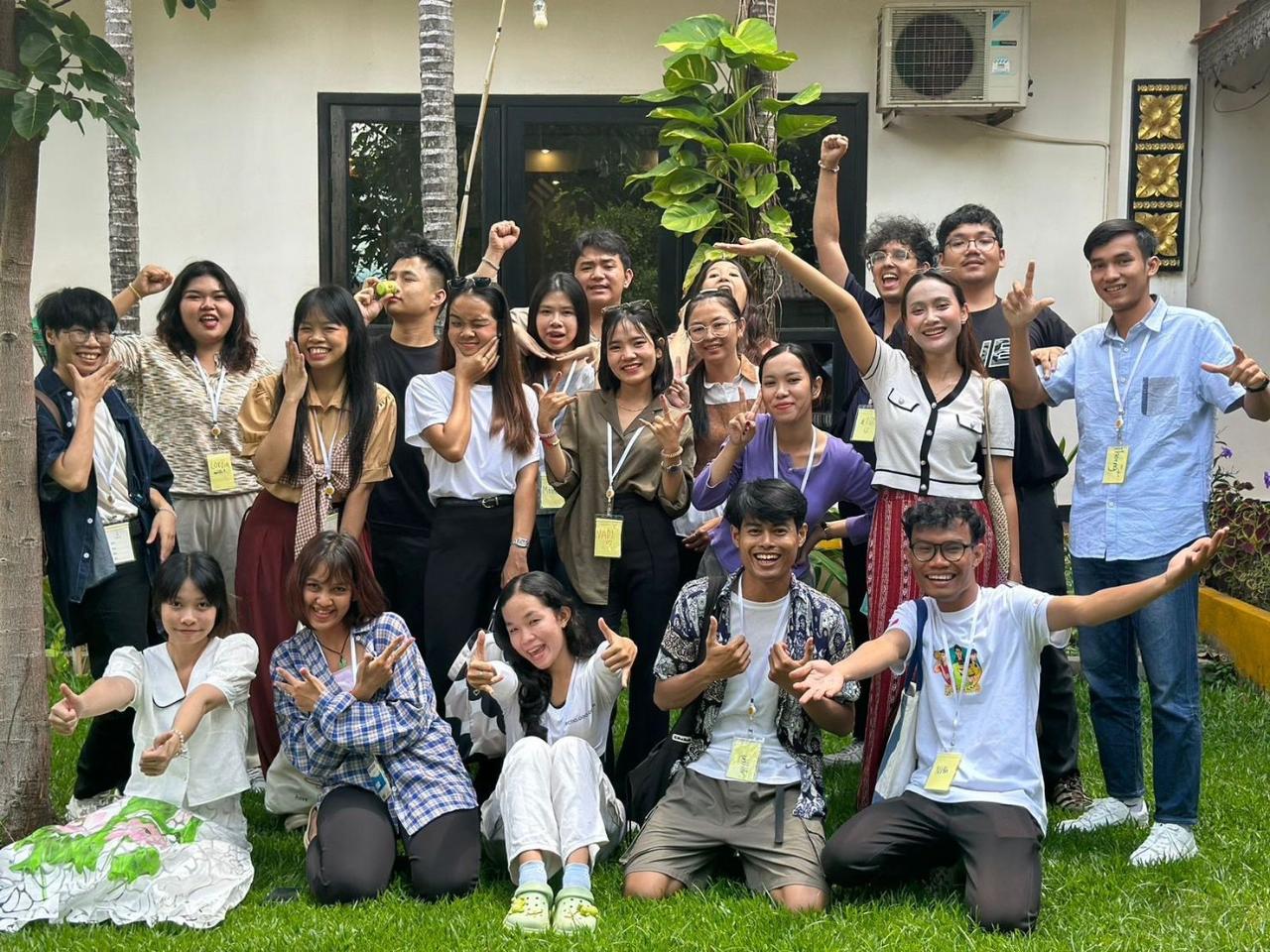
Network for Peace: Understanding How Collaboration Sustained and Flourished in Active Conflict
Raymond Hyma (Politics and International Studies), Vuthy Khorn, Rungrot Tatiyawongwiwat, Sreyrath Kong, Chawanrat Euafua & Yuminea Nhouv (Peace Developer), Phasiree Thanasin (Wocation) & Suyheang Kry (Women Peace Makers)
Emerging from a University of Warwick doctoral participatory and action-oriented research project, this initiative builds on an existing collaboration between the University and community partners in Cambodia and Thailand. It explores how relationships between Cambodian and Thai community co-researchers were sustained during a period of escalating interstate conflict, when growing nationalism and armed violence deepened divisions between the two countries and brought much cross-border dialogue to a halt. The original collaboration did not end with the research. Instead, it led to the creation of the youth-led Peace Developer network, which has continued to maintain relationships across the conflict divide.
This project creates space for those relationships to continue developing through dialogue, shared reflection, and collaborative exchange while conflict and polarisation persist. As well as looking back on what enabled the original collaboration to endure, the project will also help shape its next phase. The team will explore what sustained trust across national divides, what this reveals about community-university partnerships in contexts of conflict, and how these relationships can continue to support future collaborative research and public engagement.
A co-produced framework with LGBTQ+ Asylum seekers and Refugees for Inclusive Employment
Reihaneh Rahmatjou (Centre for Lifelong Learning), Philip McCash (Centre for Lifelong Learning) and Lorna Cooper (Out in Coventry Charity)
In a collaborative initiative, Reihaneh and Phil are working with Out in Cov to co-produce a practical framework for the LGBTQ+ asylums seekers and refugees in Coventry. Through a series of participatory workshops, the project brings together community members, Out in Cov staff and volunteers, and local employers to explore lived experiences, identify barriers, and highlight strengths and resources. By creating this insight, the team develops a resource-based model where the LGBTQ+ asylum seekers and refugees are positioned as experts of their lives, who can inform career guidance and employer practices. This practical, evidence-based model can be used by Out in Cov and local employers to improve inclusivity and strengthen employability services available for this community. The project will also lay the foundations for longer-term collaboration between the University of Warwick and community partners.
Navigating Margaret - A Journey Through Dementia
Dr Emily Lane Hill (School of Life Sciences) and Jenny Davis (Arts Uplift)
Dr Emily Lane-Hill from the School of Life Sciences will collaborate with Arts Uplift to tour Navigating Margaret, a play written by Helen Tennison. Navigating Margaret is an exciting theatre production about a Worcestershire woman’s journey living with dementia and how it affects her family, and the show includes a Q&A opportunity for the audience to discuss dementia with experts.
This collaboration will open up opportunities for collaborations with other dementia researchers at Warwick, extend Arts Uplift's reach across the Midlands, and facilitate community engagement interactions for dementia researchers across the region.
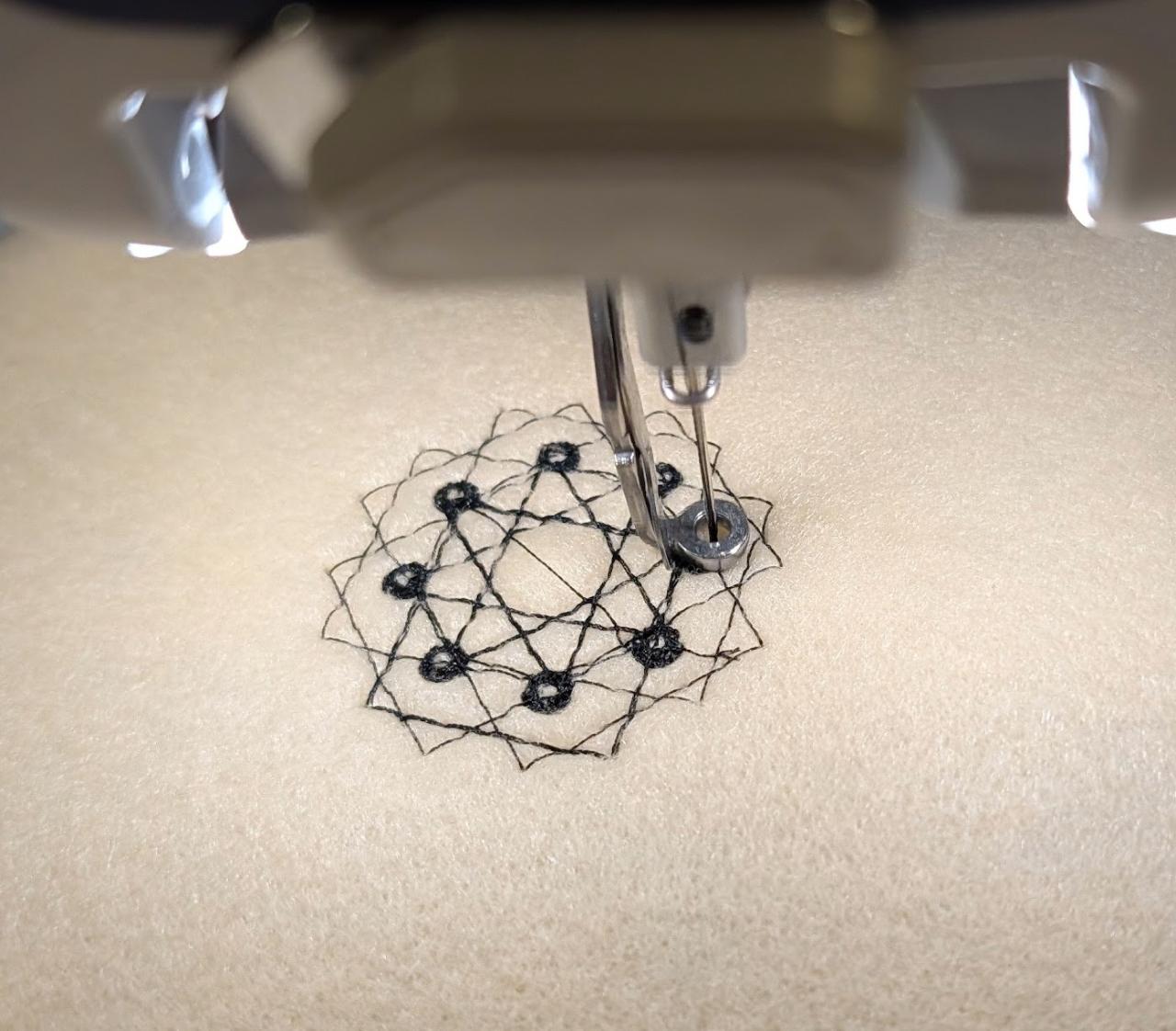
Tracks and Transmitters: Exploring Rugby's History
Margaret Low, (Warwick Manufacturing Group) Phoebe Hilton (Rugby Art Gallery and Museum and Lee Clarke (Warwickshire County Council)
Tracks and Transmitters is a collaborative project between the University of Warwick, Rugby Art Gallery and Museum, Rugby Library's Let’s Make space, and local schools. Inspired by Rugby's rich heritage of railways and radio transmission, the project combines creativity, technology, and local history through innovative digital embroidery workshops.
Using TurtleStitch, a creative coding platform, children, families, and community members will design digital patterns inspired by Rugby's past and transform them into stitched artworks using embroidery machines. The resulting pieces will form a public exhibition at Rugby Art Gallery and Museum, showcasing how coding, design, engineering, and arts can come together to tell local stories.
Alongside school activities, community workshops and teacher training sessions will help build confidence in creative technology, widen participation in STEM, and create lasting partnerships between education, culture, and community organisations.
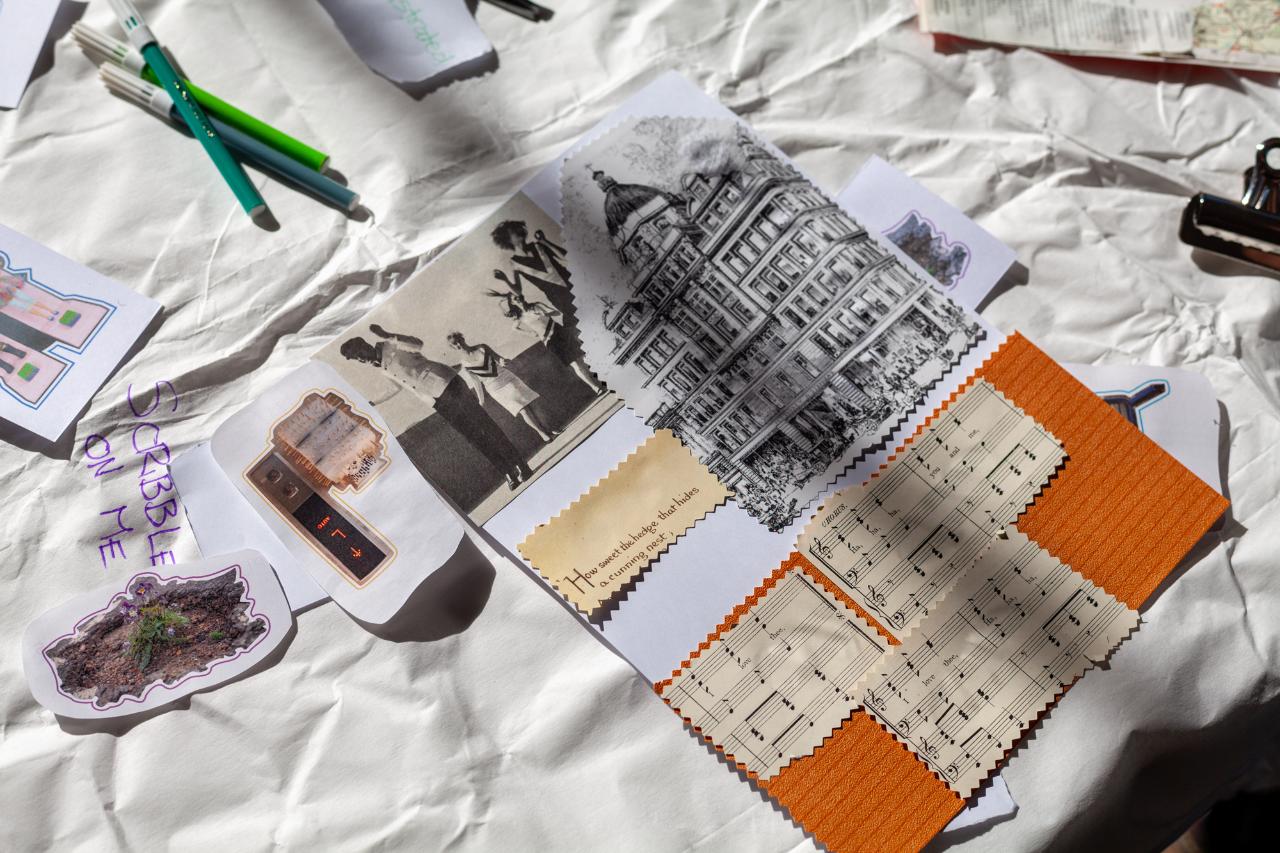
Navigating Gender and Sexuality in Migration Support
Aine Bennett (Politics and International Studies) and Vicky Gerrard (The Fieldwork Project)
Aine and Vicky are working together to deliver a series of workshops with migration support organisations in London and the Midlands to explore how gender and sexuality shape practice, identify challenges, and develop responses.
Building on a previous collaboration, the workshops will be structured as a cycle of reflection, experimentation, and learning. In the first workshop with each group, practitioners will identify challenges and opportunities in their own contexts and develop possible interventions or changes to practice. Between workshops, participants will have time to test these approaches within their organisations and share learning through an ongoing network. The second workshop with each group will provide space to reflect on what worked, what changed, and what further challenges emerged.
The immediate outcome will be a stronger network of practitioners with shared knowledge and resources around gender and sexuality in migration support. Longer term, we hope this network will support the development of co-produced training materials, practical resources, and a collaborative research agenda.
By creating sustained spaces for practitioners to learn from one another, this project aims to strengthen frontline responses and ensure that migration support practices better recognise the complex ways that gender and sexuality shape people’s experiences of the asylum system.
Beyond Dance in the Dark: a community shaped resource to support young children's sleep habits
Nicole Tang (Warwick Sleep and Pain Lab, Psychology), Gitit Kadar-Satat (Psychology), Kath Kimber-McTiffen (Sonrisa Arts)
This project brings together creative practice, sleep science and community consultation to co-produce an accessible, child-friendly sleep psycho-educational resource with and for families with young children. Building on Sonrisa Arts’ early-years dance and music performance Dance in the Dark, which explores children’s fear of the dark, the project uses dance, music, drawing and playful creative activities as a route into conversations about sleep, bedtime routines and children’s emotional experiences of the dark.
The project combines participatory arts practice with psychological research methods to ensure that the resource is shaped by lived experience and responds to the real needs of local families. Through free creative workshops, targeted performances and facilitated discussions, children and families will be invited to share their experiences, contributing directly to decisions about the content, format and accessibility of the final resource.
A central aim is to work meaningfully with socio-economically disadvantaged families and culturally diverse communities, addressing barriers to accessing high-quality health information and ensuring that a broad range of voices are represented. The project also provides valuable applied learning opportunities for undergraduate psychology students, who will support consultation, feedback collection and evaluation. In doing so, the project strengthens the connections between teaching, research, public engagement and community impact.
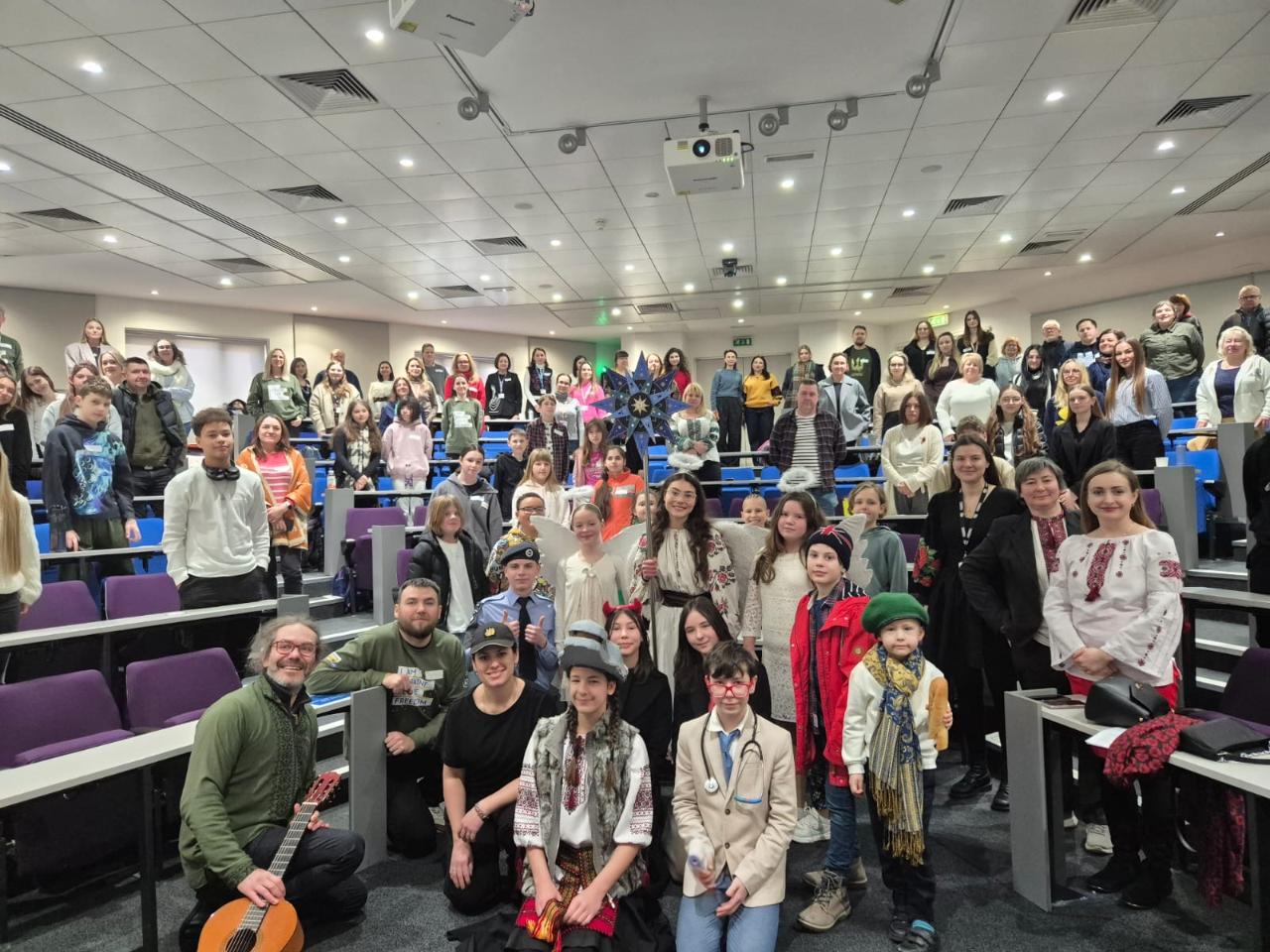
Co-producing Hope: Supporting Teacher Education for Ukranian Teachers in the UK
Bo Kelestyn (Warwick Business School) and Lesya Kovalenko (Ukrainian Supplementary Community School "Stroomok")
Co-producing Hope: Supporting Teacher Education for Ukrainian Teachers in the UK will bring Ukrainian educators from supplementary schools across the Midlands and the UK to the University of Warwick for a CPD and community-building event. Co-designed with Ukrainian teachers and partners, the project will create space for practical learning, peer support and reflection on bilingual education, trauma-informed pedagogy, pupil wellbeing and teacher resilience. By connecting Warwick’s Ukraine-focused educational work with the local Ukrainian teacher community, the project aims to strengthen relationships, recognise the vital work of Ukrainian supplementary schools, and identify future opportunities for collaboration, research and support.
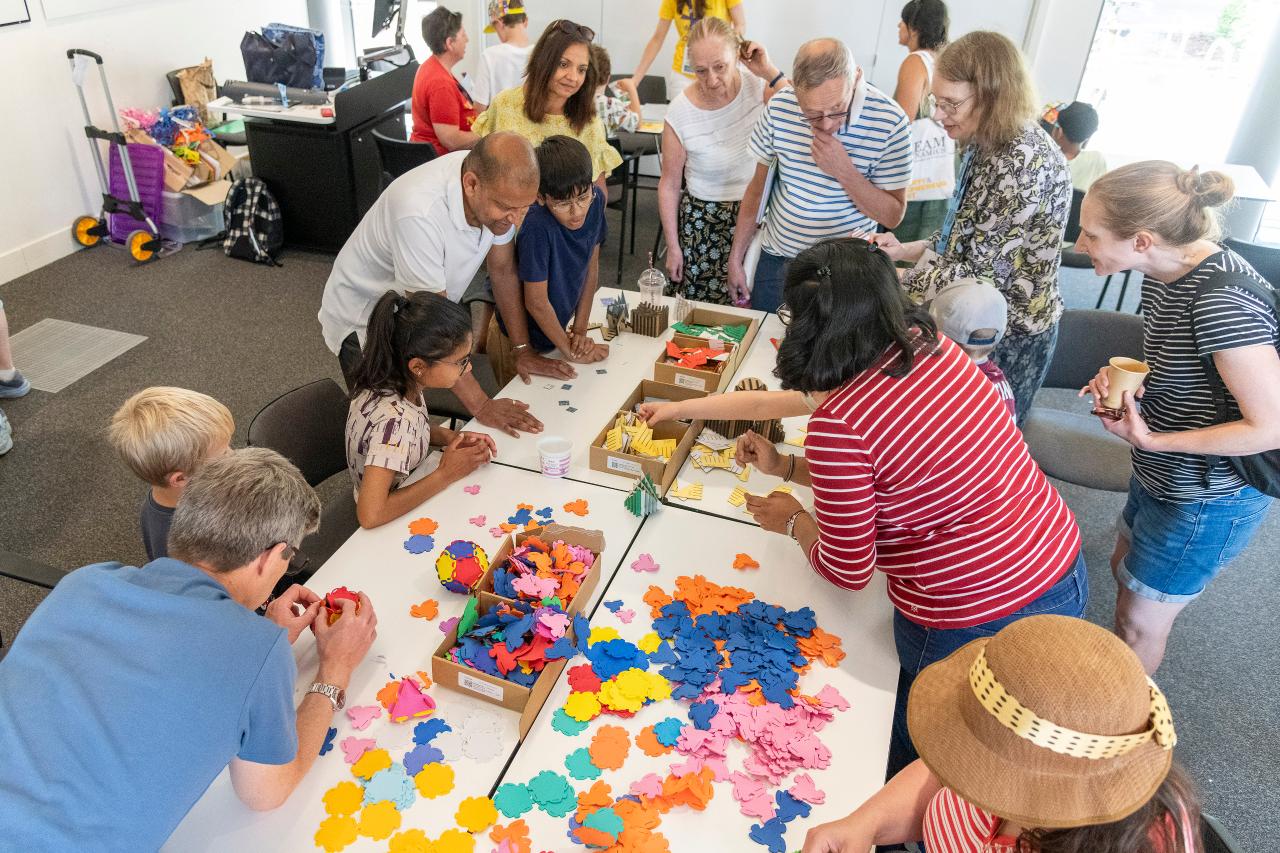
Bridges 2027 Family Day at the Coventry Transport Museum
Helena Verrill (Maths, University of Warwick) and Lisa Ford (Culture Coventry)
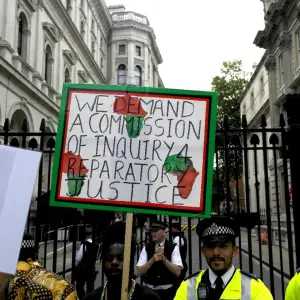
Co-producing a People's Model for Truth, Accountability and Reparatory Justice
Asha Herten-Crabb (Politics and International Studies) & Esther Xosei (Maangamizi Educational Trust)
This project brings together the University of Warwick and the Maangamizi Educational Trust to co-produce a public-facing model for the proposed All-Party Parliamentary Commission of Inquiry for Truth and Reparatory Justice. A facilitated working session will convene Afrikan heritage community advocates, researchers, and practitioners to explore what the Commission should investigate, how affected communities should participate, and how testimony, education, research, media, and public memory can support the process.
The collaboration will produce an internal working record and an accessible visual briefing or illustrated explainer for communities, educators, civil society organisations, and decision-makers. It will strengthen an existing partnership and create foundations for wider public conversation and longer-term work on truth, accountability, and reparatory justice in Britain.

Representing Maternal Regret
Dr Katie Stone (School of Modern Languages and Cultures), Franziska Burkhardt (Performance artist and photographer, Weimar), Milou Gevers (Director and filmmaker, Amsterdam), Diana Karklin (Photographer and visual artist, Madrid), Professor Valerie Heffernan (School of Modern Languages, Literatures and Cultures, Maynooth University)
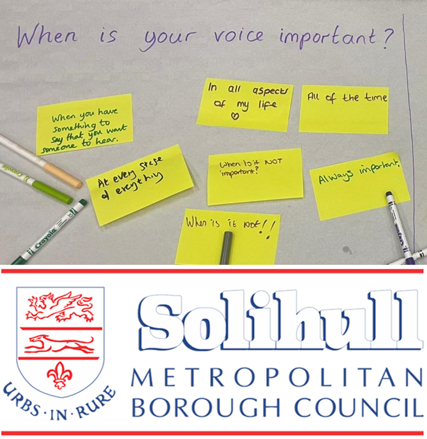
Solihull's Youth Voice Project
Katie Crompton (Education Studies) and Charlotte Slater (Solihull Metropolitan Borough Council)
Building on the success of the first phase of the project, through which the Solihull Youth Voice Network was established, the University of Warwick and Solihull Council are continuing their collaboration to strengthen opportunities for young people to influence local decision-making. This second phase will support members of the network to identify local priorities, develop leadership, communication and research skills, and work collaboratively to ensure the views of young people across Solihull are heard. Through monthly youth-led meetings, visits to the University of Warwick and Parliament, and the planning and delivery of public youth engagement events, the project will strengthen young people's confidence, civic engagement and understanding of local and national decision-making, while creating meaningful opportunities for wider youth participation. In doing so, it will help establish a sustainable model of youth engagement that supports local service development, informs policy decisions, and strengthens collaboration between young people, Solihull Council and the University of Warwick.