
We Are Chemistry Blog: The Lab Notes
Recycling isn't Enough
From a young age we are told an oversimplified story in regards to recycling: that placing plastic in the correct bin allows it to be transformed into something new and useful. However, only a small percentage of the plastic produced has the capacity for recycling, while vast amounts are sent to landfill, burned, or leach into the environment.
For the past few years, countries in the developing world that receive plastic waste for processing have suffered as a result of excessive accumulation. For example, in Malaysia the processing and burning of waste resulted in infrastructure being overwhelmed and children being hospitalised, ultimately contributing to the United Nations ban on the exportation of contaminated waste in 2019. Plastic pollution has amassed into oceanic zones such as the Great Pacific Garbage Patch, a region of the North Pacific Ocean covering 1.6 million square kilometres. The detrimental impact of the last century of plastic usage is increasingly severe.
Where Did It All Begin?
In the early development of plastics, they were originally prompted as durable and long-lasting alternatives to traditional materials. However, during the 1950s and 1960s, manufacturers began introducing single-use plastic items, which prioritised convenience and cost. In the 1970s, the public became increasingly concerned regarding the environmental impacts of these plastics, and corporations presented a solution- recycling.
In reality, recycling was not a comprehensive solution to plastic waste as research from the Society of the Plastics Industry in the 1980s concluded that the chemical properties that made many plastics so versatile, also made them virtually unrecyclable.
Perception vs Reality
Today, the public’s perceived understanding of recyclability and the lack of consistency in waste management regulations across the globe hinder efforts to improve the negative impacts of plastics. Many people believe that if a product displays a number inside the chasing arrows symbol on the packaging, the Resin Identification Code (RIC), that it is recyclable. However, in the UK, only numbers 1 (Polyethylene Terephthalate), 2 (High Density Polyethylene), 4 (Low Density Polyethylene) and 5 (Polypropylene) are commonly recyclable, with 4 requiring specialist care. Although these codes can provide a general guideline, what can actually be recycled varies regionally and internationally, with local collection systems, processing capabilities, and regulations determining whether a given polymer is accepted.
This discrepancy has given rise to a phenomenon known as "wish-cycling"- incorrectly recycling items in the hope that they can be processed. Unrinsed food containers, batteries and mixed materials such as crisp packets are common culprits of this phenomenon. While well-intentioned, wish-cycling can contribute to contamination of recycling streams, occasionally resulting in otherwise recyclable materials being sent to landfill or burned. This is not simply an issue of consumer ignorance, but rather reflects a systemic problem with often misleading design, marketing and labelling of plastics.
The Challenges of Recycling from a Chemistry Perspective
The difficulty with recycling plastics arises from their chemical structure. Some plastics are linear, while others are branched or crosslinked, and they can have varying levels of crystallinity. One key distinction exists between thermoplastics and thermosets. Thermoplastics, like PET and HDPE can soften when heated, allowing them to be remelted and reshaped, although they are weakened in the process. Thermosets, such as epoxy resin, are heavily cross-linked with strong covalent bonding. This causes thermosets to be rigid and heat-resistant, but therefore extremely difficult to remelt and reshape, without complete degradation.
Additionally, commonly used mixed plastic materials can have different melting points, yielding weak or unusable materials when recycled. Additives such as plasticisers to increase flexibility, dyes and flame retardants can further contaminate these polymer materials. This problem can be illustrated through laminates, composite materials formed from bonded polymers, used in food packaging; individually these layers may be able to be recycled, but together they cannot be separated at an industrial scale.
Plastic Moving Forward
True improvement cannot rely on consumer action alone. Individuals can prioritise reducing and reusing, avoid wish-cycling, and support brands with transparent sustainability practices. Scientists must continue innovating safer polymers and focus on the future possibilities of chemical recycling. Meanwhile, corporations and governments must financially support these scientific efforts, while enforcing clear waste management and plastic manufacturing regulations. With shared accountability and conscious efforts, genuine improvement can be made towards a more sustainable future for plastics.
The Purpose
The Lab Notes blog is here to give you some insight into the chemistry student experience, and take you further into your subject by exploring the history and science you might not learn in the classroom!
University is an amazing chapter but can be a turbulent time for students. Hence why I wanted to create this blog, to provide some transparency for students into both the joys and trials of being a chemistry student.
As a 3rd year who’s made every mistake in the book (and probably invented more), I feel more than qualified to unravel the experience, and provide a platform to discuss some unspoken, but common, student struggles.
Creator Evelyn Winton
The Lab Notes
A blog created and written by your fellow chemistry students!
Posts released:
Every Monday 9am
Experience & Advice
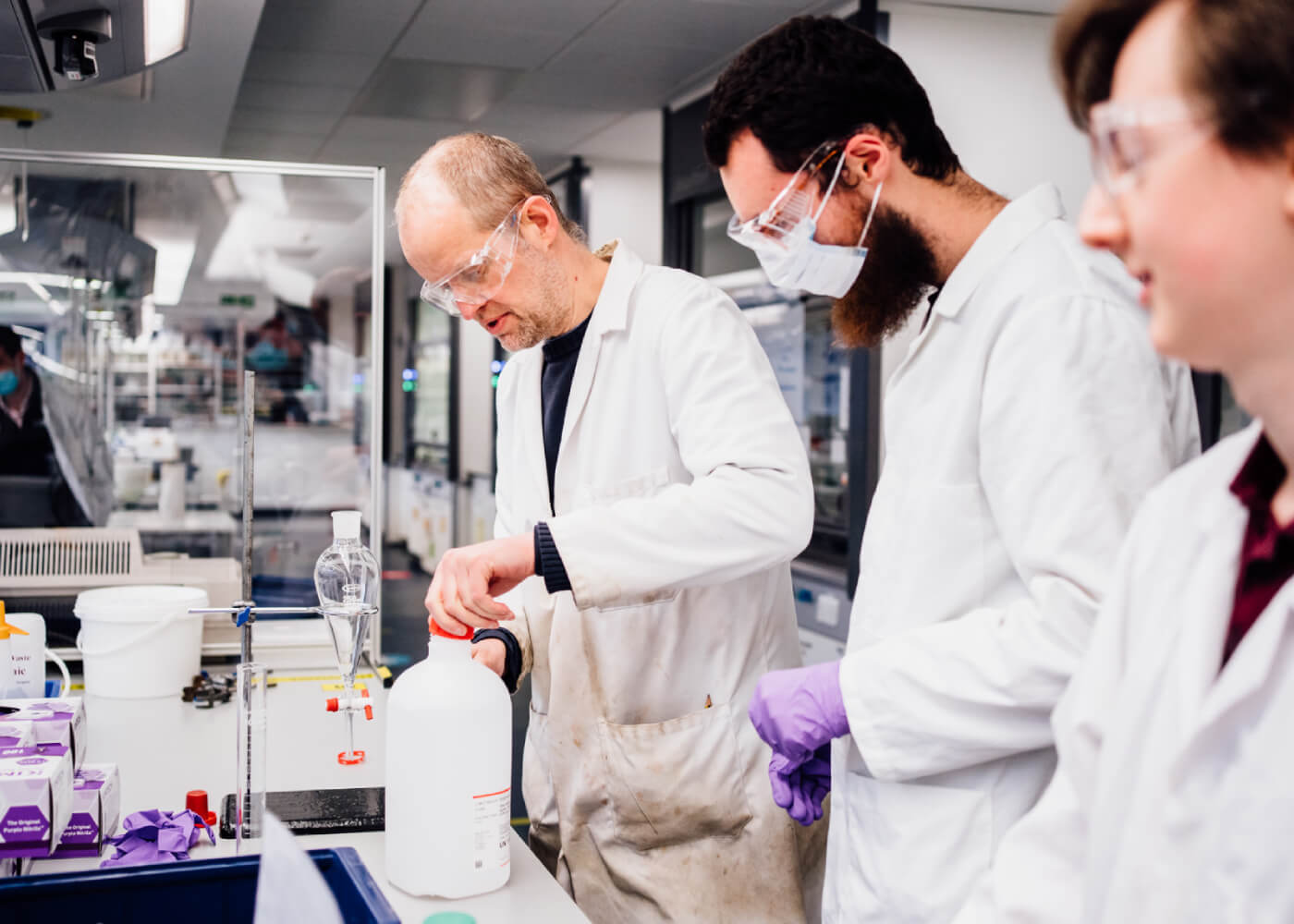
Articles written about the Chemistry Student experience at Warwick.
Providing insight and transparency to the trials and tribulations of university life.
Exploring Chemistry
Giving you insight into Chemistry's rich history with our science history posts!
Research based posts exploring the science in everyday life.