
WMG News - Latest news from WMG
Online museum exhibitions will be more prominent post COVID-19
- During the COVID-19 lockdowns in England, many shops and services shut their doors, including museums
- Museums still had to keep their audience interested despite being closed, and therefore moved into the digital world
- The success of online museum exhibitions have been analysed by researchers from WMG, University of Warwick, highlighting how museums have maintained engagement with audiences
- Researchers have however highlighted online exhibition successes, that should be maintained post-COVID, therefore changing the way museums traditionally work
When museums closed their doors in March 2020 for the first COVID-19 lockdown in the UK a majority moved their activities online to keep their audiences interested. Researchers from WMG, University of Warwick have worked with OUMNH, to analyse the success of the exhibitions, and say the way museums operate will change forever.
The cultural impact of the COVID-19 pandemic has been analysed by researchers from WMG, University of Warwick in collaboration with OUMNH (Oxford University Museum of Natural History) who in the paper, ‘Digital Responses of UK Museum Exhibition to the COVID-19 Crisis March-June 2020’ published in the journal Curator: The Museum Journal, have analysed the success of online museum exhibitions, and investigated what the future of Museums holds.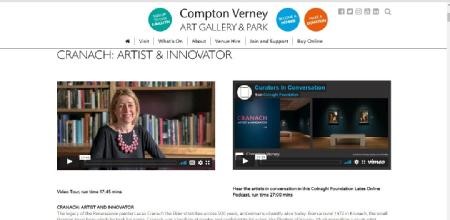
Researchers analysed 21 museums who had temporary exhibitions due to open between March and June 2020, and decided to go ahead with the exhibition virtually. The analysis included noting how COVID was considered, how content was presented, and discussing themes of access, embodiment, and human connection.
The research team found that in May-June museums had more online content for their exhibitions, suggesting there was time to prepare the transfer of exhibition online. All exhibitions were different, with some hosting podcasts, some doing filmed walk-arounds and some hosting a virtual room where you click on exhibits.
Although digital exhibitions were a success, researchers concluded online exhibitions do not provide the same social and embodied experience as the physical museum, as you miss the travelling there, welcome from staff, chatting with other visitors and the gift shop or coffee shop after.
They did however highlight that extra material was provided for online content which isn’t traditionally presented in the museum, this included behind the scenes videos for example. Researchers say this suggests museums were trying to give their audiences some exclusives that they would not receive from a normal visit.
Lead Author, PhD Student Ellie King from WMG, University of Warwick comments:
“The COVID-19 lockdowns have created a crucial turning point in the Museum sector, as they now see themselves working in a physical-digital overlap. It is interesting to note how in being forced to shut, museums focused their online provisions around existing physical exhibitions.
“Museums and galleries will continue to adapt in light of a post‐COVID world where practices, both digital and physical, will undoubtedly shift. It is important to see the digital exhibition world as an opportunity to provide unseen materials and attract audiences who may not be able to visit in person.”
Although it’s likely there will be more online material generated by museums and galleries from now on due to the pandemic, there is the issue of staff having the digital skills to manage a new arena of engagement.
Professor Mark Williams, from WMG, University of Warwick explains:
“One of the major tasks of converting to online is the financial implications, 30% of museums have changed staff tasks to provide services online. Despite this, there are concerns that staff teams are not fully equipped to handle such monumental changes.
“This highlights the practical challenge of enabling the rise of digital content for museums, which will be difficult for the sector in such a stretched resource environment.”
Professor Paul Smith, Director at the Oxford Museum of Natural History adds:
“The first COVID-19 lockdown imposed a real-time stress test on museums, and their ability to respond in an agile way to events. The paper highlights the creative ways in which some museums were able to adapt to the unique and unprecedented circumstances they faced.”
This research is part of a wider interest of the CiMAT team in WMG to engage with subject areas beyond engineering. Based on previous research into User Experience, the research group is seeking to apply concepts into areas of the arts and humanities. The research has blossomed with the collaboration between WMG and Oxford University Museum of Natural History. This research, which analyses how visitors experience museums online, is a welcome starting point. The researchers stress to museums that with this rising atmosphere of change on the horizon, it is important they consider such conceptual issues and evaluate audience needs rigorously when developing online offerings to maintain such cultural importance.
ENDS
12 MAY 2021
NOTES TO EDITORS
High-res images available at:
https://warwick.ac.uk/services/communications/medialibrary/images/may_2021/compton_verney_screenshot_.jpg
Caption: Compton Verney’s homepage for the Cranach exhibition which opened in March 2020
Credit: Compton Verney

For further information please contact:
Alice Scott
Media Relations Manager – Science
University of Warwick
Tel: +44 (0) 7920 531 221
E-mail: alice.j.scott@warwick.ac.uk
WMG celebrates Athena SWAN silver success
 WMG is delighted to have achieved an Athena SWAN Silver award in recognition of its commitment to ensuring inclusivity, diversity and equality of opportunity for all staff.
The department previously held a Bronze award, but the Athena SWAN panel unanimously agreed that WMG’s submission, in November 2020, now met the criteria for Silver and evidenced clear positive impact from its activities. The panel said: “The submission reflected on key challenges from previous submissions, actions that led to improvements as well as highlighting new challenges and opportunities to gender equality work moving forward.”
The Athena SWAN CharterLink opens in a new window was established in 2005 to recognise and celebrate good practices in higher education and research institutions, towards the advancement of gender equality: representation, progression and success for all.
WMG’s Executive Chair, Margot James, said: “I would like to congratulate the Athena Swan team for all their hard work and dedication in putting an excellent submission together, made possible by the collective work by colleagues to bring about the changes that have enabled the team to generate a winning submission.
“WMG strives to be a diverse and inclusive academic department, that has a global reach, and we are making good progress as the awarding of a Silver Athena Swan confirms. Our commitment to ensuring inclusivity and equality of opportunity for all our staff is fundamental to our values.”
Professor Robin Clark, Dean of WMG, added: “We are all delighted to have achieved Silver Athena Swan status.
“Our people are at the heart of what we do, with inclusivity and equality embedded in our values. We will continue to do all that we can to ensure WMG is an equal and progressive environment for all of our staff.”
Key highlights for the department include:
- Implementation of a new Flexible Working Policy
- The establishment of a job post specifically focussing on Equality, Diversity and Inclusion and co-ordinating the Athena Swan action plan
- The funding of three females to attend Advance Higher Education’s Aurora Programme– a leadership development initiative for women
- Enhanced people development activities for all of the WMG community – both staff and students (both formal and informal)
- Very successful internship programmes, with two former female interns joining WMG as postgraduate researchers
- More female staff overall - an increase of 5% of female staff – and a greater representation at Executive level
- BAME female staff levels rose from 6% in 2016 to 10% in 2019
- More consultation with staff – including the improvement of two-way communication within the department
Find out more about Athena SWAN at the University of Warwick hereLink opens in a new window.
Find out more about joining the team at WMG hereLink opens in a new window.
Find out more about Athena SWAN hereLink opens in a new window.
I-Trace next step in WMG’s Cyber Security research partnership with Smart infrastructure company Costain
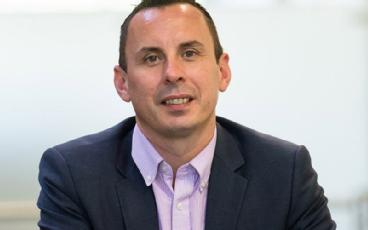 Smart infrastructure company Costain have just announced that they are joining I-Trace, a part-government funded project led by Cisco and involving a consortium of partners including WMG at the University of Warwick, BT and Senseon to conduct cybersecurity trials in real-world infrastructure settings.
WMG have already been working closely with Costain on an IoT (internet of things)-enabled Data across the Supply Chain (SIDS) project, which is funded by the WMG Centre High Value Manufacturing (HVM) Catapult. That project aims to develop a set of principles of cyber secure data sharing in a networking infrastructure, such as a manufacturing supply chain. The research team, led by WMG’s Professor Carsten Maple, hoped to allow businesses to take a risk-based approach to data sharing, encouraging industries to be more connected.
Professor Maple explains:
“The SIDS project is an integral component of our work in designing secure and resilient supply chains. Within a smart factory, you are in control of your own data. But if you start to add other parties into that, you need to understand what the risks are and how to mitigate them. For example, if you can turn your production system on via a mobile phone, you need to know the cyber security credentials of the network provider, the phone manufacturer, the app developer and so on.”
Professor Maple and his team at WMG at the University of Warwick have had a long-standing research partnership with Costain, to explore and apply the principles of secure data sharing.
Kevin Reeves, Director of IoT & Digital Twin at Costain, is an Honorary Research Fellow at WMG and he has been working with us to understand how digital manufacturing and production-based approaches can be applied to design and build activities in infrastructure projects as part of a digital transformation programme at Costain. Kevin explains:
“In production, it is all about repeatability. At Costain, we wanted to introduce a greater degree of standardisation into infrastructure projects. This will mean quicker mobilisation, fewer training costs, standard digital tools and services across the business. Doing this means integrating systems with suppliers and clients, which brings new challenges and the need for tighter security.”
Using the principles of secure data sharing developed in the SIDS project, Kevin has worked with WMG to create a digital blueprint of their enterprise system, so that they could assess their vulnerability to cyber-attacks, and shore-up their system, giving assurance to the entire supply chain.
This partnership with WMG has supported Costain in achieving the Cyber Essential Plus Scheme accreditation via the National Cyber Security Centre (NCSC), as well as the globally recognised cyber security international standard, ISO 27001. Costain have now created a specialist cyber security team to continue learning about new cyber threats as they emerge.
Kevin also noted that:
“Our clients increasingly require cyber security credentials before being willing to integrate their systems with ours. While this is a huge opportunity, data sharing and privacy is a massive challenge for industry, and it’s been exacerbated by the increase in remote working due to Covid-19.”
Professor Maple and his team believe one of the challenges for the future will be ensuring the right skills to support integration of supply chains in the future. While these practices offer huge opportunities for businesses to grow and increase competitiveness in the global market, the challenges are increasing in line. The threat landscape is always evolving, with remote working and increasing digitisation of infrastructure all becoming targets for hackers.
The new I-Trace project builds on this work. Tim Embley, research and innovation director at Costain said:
“The IoT is central to the fourth industrial revolution, which is seeing infrastructure delivery and operations become more data-driven, using insights gathered from connected devices, sensors, and telematics to inform long and short-term decision-making,” said “IoT security is a critical issue as cyber-attacks increase in both frequency and potency. There is a world of unseen potential when it comes to AI and blockchain in terms of increasing the resilience of IoT networks and better securing the integrity of IoT data that is so critical to driving safer, faster, greener and more efficient delivery and operations of infrastructure.”
I-Trace is a part-government funded, co-innovation project led by Cisco and involving a consortium of partners including BT, Senseon and the Warwick Manufacturing Group (WMG) at the University of Warwick. Costain has joined the i-Trace consortium to conduct cybersecurity trials in real-world infrastructure settings.
Using real-world data from live Costain project sites, the project will demonstrate how the unique i-Trace solution brings together two complementary technologies to secure critical data. Firstly, using machine learning systems to detect security threats on IoT devices via the network. Secondly, using distributed ledger technology (DLT) to guarantee that the data generated by these IoT devices is tamperproof and immutable, wherever it is in the network. These technologies will be deployed across Costain’s networks to secure M2M telematics, connected IoT sensors and monitoring equipment.
Peter Shearman, Head of Innovation, Emerging Technology and Incubation at Cisco UK and Ireland said:
“Securing IoT networks is a considerable challenge due to its scale and complexity, which has prevented organisations from maximising its use and taking their deployments to the next level,” added Peter Shearman, Head of Innovation, Emerging Technology and Incubation at Cisco UK and Ireland. “Our aim is to successfully trial a solution that offers end-to-end security of real-world IoT networks, which delivers the immutability and scalability required by commercial deployments, as well as being manageable and cost-effective. This has the potential to pave the way for IoT innovation that has never been seen before in the construction industry and beyond.”
The project will tap into the capabilities of the leading technology, security, and academic partners to prove the commercial viability of using these emerging technologies to secure the integrity of IoT data. i-Trace is part-government funded through Innovate UK and the UKRI’s Strategic Priorities Fund.
Read more about de-risking data sharing in the supply chain here.
WMG professor to lead research and network strand for £147 million Made Smarter Innovation programme

Recognised for her expertise in supply chain design and strategy, as well as process improvement and sustainability, Jan Godsell, Professor of Operations and Supply Chain Strategy at WMG, University of Warwick, has been appointed as a co-director of the research and network strand within the £147 million Made Smarter Innovation programme.
Taking on the UK Research and Innovation role with immediate effect, Professor Godsell will be working with the Economic and Social Research Council to lead the research and network strand of the programme alongside fellow newly appointed co-director Jillian MacBryde, Professor of Innovation and Operations Management at the University of Strathclyde.
Together they will look to expand the stakeholder community and research into a Made Smarter Network Plus on an initial five-month agreement working alongside the Challenge Director and programme team.
The Made Smarter Network Plus aims to bring together insights across the wider UK manufacturing sector, bolstering digital technology innovation opportunities in manufacturing through engagement and collaboration.
Commenting on her new role, Professor Godsell said:
“The scope for improving the flexibility, sustainability and productivity of the UK manufacturing sector is huge, so I was keen to take this role to partner with Jillian on introducing research and new ideas to the industry.
“Introducing these important external influences in an effective way will require a deep understanding of the specific needs and demands on the manufacturing sector, which I hope I can bring to the Network Plus model to ensure it thrives for the benefit of all involved.”
Professor Godsell provides advice on strategy and activity across government and industry as part of her existing roles on various supply chain groups, including the Department for Business, Energy and Industrial Strategy Supply Chain Resilience Advisory Group.
Chris Courtney, Challenge Director for Made Smarter Innovation, said:
“Digital technologies have the power to radically transform how we manufacture and deliver the products and services of the future and deliver a more resilient, prosperous economy with fundamental changes to the nature of work.
“A key part of delivering an optimal future in manufacturing will be enabled by harnessing the insights from the broader economic, social, regulatory and political sciences.
“I’m delighted to welcome Jan and Jill to the overall effort as co-directors, combining two of our leading academics in this space bringing leadership, insight of with a passion for manufacturing.
“I’m excited to get this work underway and to support Jill and Jan as they reach out to the broad network of capability to engage and shape a vital and exciting programme of work.”
Register for the upcoming Made Smarter Network Plus Townhall Event on 13th May here to find out more about the programme and how to get involved.
Expert comment, from Margot James, on Regional GDP figures
WMG Executive Chair welcomes strong return to growth and calls for focus on innovation, investment and skills as Q3 West Midlands GDP shows highest fall across England and Wales compared to the same time last year.
 Margot James, Executive Chair of WMG, at the University of Warwick, commented on the Regional GDP figures released today by the Office of National Statistics, saying:
“It’s great news that the West Midlands made a strong return to growth in July to September 2020, with growth of 16.8% compared to April to June 2020, three months that covered much of the first lockdown.
However, despite this return to growth, the data shows our regional economy, was the most affected by the pandemic of any part of England and Wales, with regional GDP down 11.3% compared to a year ago.
Much of this was driven by our manufacturing sector being down by 25.2% versus the same period in 2019, although the sector made a quick return to growth when compared to the previous quarter, with an increase of 18.5% against April-June 2020.
The rapid return to growth shows the resilience and strength of our regional economy and I’m confident that our makers have continued to recover over the months since the period covered by this data.
However, the scale of the economic shock in our region caused by the pandemic highlights the importance of supporting growth in the West Midlands by investing in the skills, research, and development and infrastructure needed to support entrepreneurs, attract investment and prepare businesses for the challenges of digitisation and the transition to a zero carbon economy. Attracting major investments like a Gigafactory to our region will be key to a strong recovery.”
Notes: The ONS release of Regional GDP is available here:
University of Warwick and WMG already on route with today’s CBI demand for “Greener Miles”
 The University of Warwick is not just backing today’s CBI report ‘Greener Miles: Delivering on a net-zero vision for commuting’ – which calls on businesses to shoulder greater responsibility for ensuring their workers adopting greener travel habits – it has already taken action. The University of Warwick is already on route with a two year extensive programme to cut personal car use on campus and therefore reduce emissions. WMG, at the University of Warwick, is also deep into a suite of intense research programmes that will help industry, the public sector and consumers across the UK and beyond find sustainable transport solutions which will cut emissions.
The new report published today (Friday 30th April 2021) by the CBI and KPMG and entitled Greener Miles: Delivering on a net-zero vision for commuting – has proposed a series of recommendations designed to cut travel emissions ahead of the Government’s upcoming Transport Decarbonisation Plan. Key among those recommendations is a call for businesses to shoulder greater responsibility for ensuring their workers adopt greener travel habits.
In fact, Transport for West Midlands (TfWM), part of the West Midlands Combined Authority (WMCA), has already teamed up with the University of Warwick on a two-year programme to do just that:
E-scooters, buses on demand, Enterprise Car Club vehicles and the Betterpoints sustainable travel app are just some of the innovative transport projects that form part of this two-year ‘Choose Your Way Warwick’ trial encouraging participants to adopt more sustainable transport choices and receive rewards for greener travel.
The trial will look at how the use of new transport solutions like e-scooters, or a car club can affect travel behaviour and replace traditional car use in and around the University campus area.
The projects include:
- Voi Technology, the UK’s leading e-scooter operator, has brought e-scooters to the University of Warwick campus as part of a pilot research project to help inform Government e-scooter legislation in the UK and research into micro-mobility.
- Membership of Enterprise Car Club with access to two low emission Hyundai Ioniq cars, for use by staff, students and the local community (subsidised for staff). The vehicles can be booked for anything from half an hour to a full day. As well as the two car club vehicles, members can also use any of the car club’s 1,400 vehicles around the UK and access the wide range of vehicles from Enterprise’s daily rental fleet.
- The West Midlands on Demand responsive bus service operates in a similar way to a taxi The convenience of the DRT will make it easier for the local community, staff and students to use public transport where a traditional bus service may not be appropriate.
The University has also made a travel policy commitment sets out that travel by train is to be the default mode of transport for journeys under 6 hours and a departmental ‘green levy’ will be charged for any air travel.
The University of Warwick’s Provost Professor Chris Ennew said of this and all the University’s sustainability initiatives:
“Warwick has always been a forward-facing university and today is no different. We know the way ahead has to lead to a better, more sustainable, relationship between people and the planet. As one of the region’s largest employers, we know Warwick has a critical role to play. We have a responsibility as a community and organisation to moderate our individual actions, our research and teaching, and how we run and develop our University. We aim to reach net zero carbon from our direct emissions and the energy we buy by 2030 and to achieve net Zero carbon emissions from emissions arising from procured goods and services by 2050.”
WMG, at the University of Warwick, are also already working with companies and organisations on a range of research programmes to support the sort of sustainable transport that will help deliver the “net-zero vision for commuting” sought in today’s CBI report and the governments Ten Point plan.
Professor David Greenwood, Professor of Advanced Propulsion Systems in WMG said:
“As the UK transitions to net zero carbon by 2050, we must ask whether and how we will commute to work in the future. A personally owned car will not be the only possible answer, and alongside our work on electrifying cars, WMG has strong interests in light rail solutions as well as increasingly autonomous vehicles. Two-wheelers and micromobility will also have a more important role to play, and our research here includes consideration of future regulation and road infrastructure as well as vehicle development and trials. All of these rely on batteries and electrification which also form a significant part of our research portfolio. “
Here are just three of WMG’s sustainable transport research projects:
· Coventry Very Light Rail tours its future home
· Novel e-assisted cargo trike launched (warwick.ac.uk)
· Pod research opens up a swarm of market opportunities for Aurrigo (warwick.ac.uk)
Note for Editors
For further information please contact:
Peter Dunn, Director of Press and Media Relations
Chief Communications Officer’s Group, University of Warwick
Mobile/Cell: 07767 655860 UK +44 (0)7767 655860 International
Email p.j.dunn@warwick.ac.uk
30th April 2021
WMG Professor appointed as Pro-Vice-Chancellor (Research)
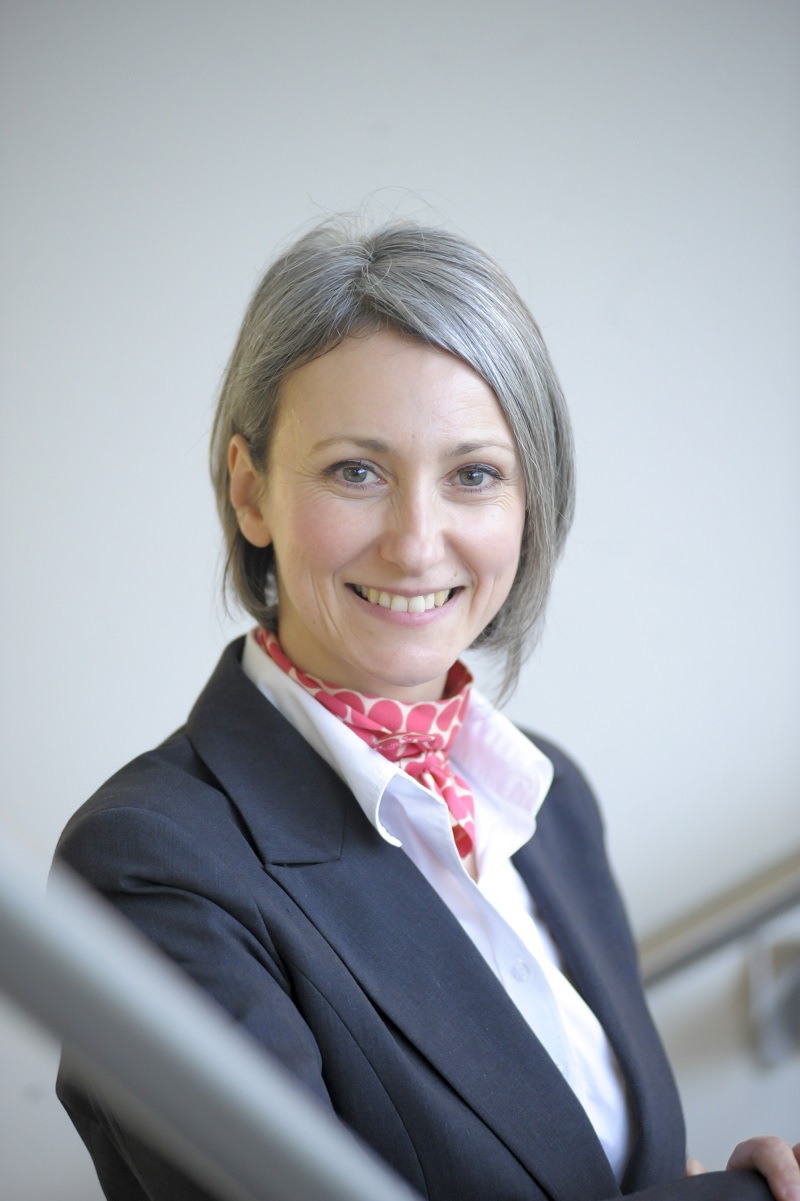 Congratulations to Professor Caroline Meyer who has been appointed as Pro-Vice-Chancellor (Research) with effect from 1 August 2021.
Caroline will be responsible for the academic leadership of the research strategy at the University of Warwick. Working with the Research Executive, she will take forward our commitment to research that is internationally recognised, interdisciplinary, and has impact and purpose. She will lead the University’s developments following REF 2021, and she will progress our research themes, Global Research Priorities programme and network of research centres and partnerships.
Caroline is currently Vice-Provost and Chair of the Faculty of Science, Engineering and Medicine. She is also Professor of Psychology at WMG. Her research is focused on mental health; primarily eating disorders and workforce mental health and productivity. She is Warwick PI on the Midlands Engine-Funded Mental Health and Productivity Pilot.
Commenting on her new role, Professor Meyer said: “I am thrilled to be taking on this role at Warwick. We have researchers across arts, social sciences, science, engineering and medicine conducting amazing, world-changing research and I am looking forward to supporting and promoting their endeavours.”
Professor Stuart Croft, Vice-Chancellor, said: “I’m delighted that Professor Meyer will be joining the Executive Board to build on the excellent work of Professor Pam Thomas in leading our ambitious research strategy. Caroline’s extensive knowledge of working with a wide range of external partners including the NHS and industry nationally and internationally will be invaluable as we build on our performance in REF2021, and continue to undertake excellent research that will transform the way we understand the world, creating lives that are healthier, safer, more resilient, just and fulfilled.”
Expert comment on changing the highway code to allow ALKS
Following the news today that "Motorists will be permitted to check e-mails and even watch TV at the wheel" under plans to legalise driverless ALKS (Automated Lane Keeping Systems) technology by the end of the year, Dr Siddartha Khastgir from WMG, University of Warwick shares his thoughts on changing the Highway code to enable motorists on the motorway to rely on technology with no human input when travelling at speeds under 37mph.
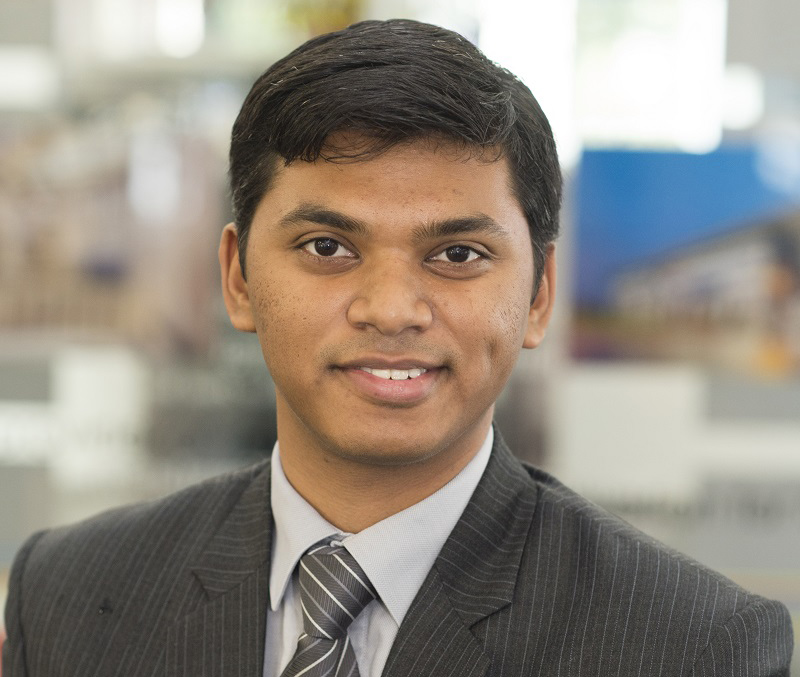 Dr Siddartha Khastgir, from WMG, University of Warwick comments:
"We welcome the UK Government publishing the results of the Call for Evidence for Automated Lane Keeping System (ALKS) from last year. ALKS is an important step on our journey to introduce self-driving car technology on UK roads. However, It is important to highlight that:
ALKS ≠ Self-driving car system. It is an important step on our journey to having self-driving cars.
Having said that, ALKS as a technology has a potential to provide lots of benefits but there are a few things that manufacturers, government/regulators and drivers need to be responsible for:
Regulators: Create a robust approval process for ensuring safety of ALKS. Ensure public education and any marketing of ALKS is done accurately and not mislead public.
Manufacturers: Establish and communicate true capabilities and limitations. This includes an elaborate and accurate representation of the Operational Design Domain (ODD) (i.e. operating conditions) of the vehicle
Drivers: Understand when they can and can not engage in activities like texting, send emails, watching movies etc. and their responsibilities when the system is active.
These are fundamental to ensuring safe introduction of ALKS and ensuring we reap the benefits."
ENDS
28 APRIL 2021
Bhattacharyya Award for university/industry collaboration opens for entries
WMG, at the University of Warwick and The Royal Academy of Engineering are inviting entries for a new annual award to celebrate collaboration between UK academics and industry. With a cash prize of £25,000, the Bhattacharyya Award will be presented to the team who best demonstrate how industry and universities can work together. Entries must be submitted by 31 May 2021.
The Bhattacharyya Award is funded by the Department for Business, Energy and Industrial Strategy and was announced in July 2019 and as a tribute to Professor Lord Kumar Bhattacharyya KT CBE FREng FRS, the Regius Professor of Manufacturing at the University of Warwick and founder of WMG.
Starting his career as a graduate apprentice at Lucas Industries, Professor Lord Bhattacharyya became Britain's first ever Professor of Manufacturing. Having seen first-hand how slowly academic advances were translated into real business and social change, he founded WMG in 1980 to help business innovate and help university researchers change our lives. Academic excellence with industrial relevance has always been at the heart of WMG, and today, it is one of the world’s top applied research centres, with a reputation for academic excellence and business results spanning the globe.
The Bhattacharyya Award is open to all UK universities and colleges, which are invited to submit a single entry in this round. Entries may be based on any field but must provide evidence of sustained, strategic collaboration over at least five years that is still active at the point of submission and has spanned multiple projects, grants and activities. The collaboration should be focused around an academic team and one or more declared industrial partners – it should not be restricted to a single lead academic but may reflect a wide institutional partnership.
Margot James, Executive Chair at WMG, University of Warwick said “The Bhattacharyya Award amplifies the approach Professor Lord Bhattacharyya took in revolutionising how universities research and educate to meet the needs of industry and society. Relevant and impactful research is the product of genuine collaboration; also enabling education programmes that nurture the brightest talent. We are looking forward to seeing a wide range of entries which exemplify the very best of university/industry collaboration.”
Science Minister, Amanda Solloway said: "We are extremely proud to be funding the Bhattacharyya Award, which encourages collaboration between our fantastic universities and businesses. By working hand-in-hand, academic advances can be quickly translated to industry, bringing forward game-changing innovations and helping us to build back better from the pandemic."
Professor Dame Ann Dowling OM DBE FREng FRS, immediate past-President of the Royal Academy of Engineering, will chair the judging panel for the Bhattacharyya Award. She said: “Lord Bhattacharyya was a strong advocate of an effective industrial strategy, seeking a revitalisation of skills policy, a growth in apprenticeships, a focus on the impact of research and training and technology partnerships between industry and universities. We hope that this new award will showcase best practice in developing effective collaborations between universities and industry – and inspire productive new partnerships in the future.”
ENDS
27 APRIL 2021
NOTES TO EDITORS
Entries for the Bhattacharyya Award must be submitted by 16.00 on Monday 31 May 2021. Full details of the selection criteria and how to apply are available at https://www.raeng.org.uk/grants-prizes/grants/support-for-research/bhattacharyya-award/how-to-apply
For more information please contact:
Jane Sutton at the Royal Academy of Engineering
E: jane.sutton@raeng.org.uk; T: 020 7766 0636
or
Lisa Harding at WMG, University of Warwick
E: Lisa.Harding@warwick.ac.uk T: 07824 540 845
Smart dielectric elastomers for self-healing soft robots
- Soft robots must be made of a flexible and damage-tolerant material to avoid tearing
- Materials that can self-heal damages are therefore more desirable for soft robots
- A self-sensing and self-healing device that mimics a leaf’s motion has been made by researchers at WMG, University of Warwick – potential for soft robots
Robots that resemble organs are known as soft robots, and in order for them to function they must be made of a flexible material, however a material that can also heal itself would be a bonus if wear and tear was to occur. Researchers from WMG, University of Warwick have designed a self-healing polymers for such devices.
Soft robots, that resemble organs for example, need to be made with highly deformable materials that are capable of changes in shape to allow conformable physical contact for controlled manipulation on order to decrease the chances of mechanical damage – such as tears and punctures.
This had led to a wide interest into the development of self-healing materials and actuators, in particular, the integration of self-healing polymers for bioinspired soft self-healing devices, which are lightweight, low cost and easily processed.
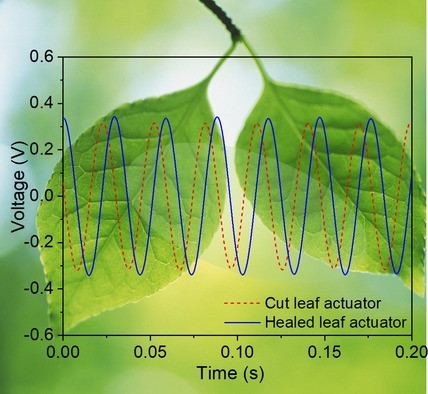 As an invited Communication by the journal Advanced Intelligent Systems, the work on ‘Piezoelectric-driven self-sensing leaf-mimic actuator enabled by integration of a self-healing dielectric elastomer and a piezoelectric composite’, was published on 22 March, 2021, led by the researchers from WMG, University of Warwick have designed a novel self-healing leaf-motion mimic material.
The material is made of an integrated thermoplastic methyl thioglycolate–modified styrene–butadiene–styrene elastomer (MGSBS) and piezoelectric macro fiber composite (MFC) for self-sensing applications.
The leaf-motion mimic actuator provides built-in dynamic sensing and self-healing capabilities to heal macroscale cutting damages with a room-temperature healing capacity and an intrinsic high bandwidth up to 10 kHz.
A prototype of the piezoelectric driven self-healing leaf was cut, and left for 24 hours at room temperature, in that time it had healed itself, after 48 hours it was almost untraceable where the cut had been made.
Dr Chaoying Wan, from WMG, University of Warwick comments:
“We have demonstrated the feasibility and potential of the new actuator applied to complex soft autonomous systems. This new material could fill a gap in the robotics-market, as the self-healing soft actuators can sense and repair themselves, creating new damage resistance in soft robotics.
“An example of where they could be used could be in a factory or hospital, they may get damaged from general wear and tear but can heal themselves and therefore do not need to come off duty to be fixed, therefore saving time and resources.”
ENDS
27 APRIL 2021
NOTES TO EDITORS
High-res images available at:
https://warwick.ac.uk/services/communications/medialibrary/images/april_2021/chaotying_image.jpg
Caption: Time and Voltage of a cut-leaf actuator and healed leaf actuator
Credit: WMG, University of Warwick

Paper available to view at: https://onlinelibrary.wiley.com/doi/10.1002/aisy.202000248
For further information please contact:
Alice Scott
Media Relations Manager – Science
University of Warwick
Tel: +44 (0) 7920 531 221
E-mail: alice.j.scott@warwickac.uk