
Meet Our Policy Fellows
Molly Pugh-Jones

Molly is one of our in-residence Policy Fellows based in the Centre for Interdisciplinary Methodologies.
Molly is a health justice advocate with experience in global health advocacy, youth leadership and community organising.
She currently works as Advocacy Manager at STOPAIDS where she works to coordinate advocacy on human rights-based approaches to digital technologies for health. Molly is passionate about the equitable and meaningful inclusion of young people in policy and advocacy.
Molly studied a BSc in Social Anthropology and holds an MSc in Global Health. She remains engaged in academic research and has published papers on various topics including pharmaceutical regulation, mental health and HIV, and inequalities during the COVID-19 pandemic.
Sir Ian McCartney

Sir Ian McCartney is a former UK government minister with extensive experience in labour market, employment, and social policy. A Labour MP from 1987 to 2010, he served in a range of senior roles, including as a full Cabinet Minister, Minister of State for Trade and Pensions, and Minister for the Cabinet Office. He also served as Chairman of the Labour Party.
During his time in government, he played a central role in shaping major employment reforms, including the introduction of the National Minimum Wage and the extension of core workplace rights such as paid holidays. His work focused on improving job quality, strengthening protections for workers, and ensuring that policy translated effectively into practice.
In the Cabinet Office and No.10, he led a number of cross-government initiatives and special projects agreed with the Prime Minister, including coordinating preparations for the Manchester Commonwealth Games. He also pioneered the development of public service hubs, reflecting a wider commitment to integrated, place-based approaches to service delivery.
With a background rooted in industry and trade unionism, his career has been characterised by a strong emphasis on fairness at work, practical policy delivery, and sustained engagement with employers and workers to support inclusive labour markets.
Sanjay Kumar
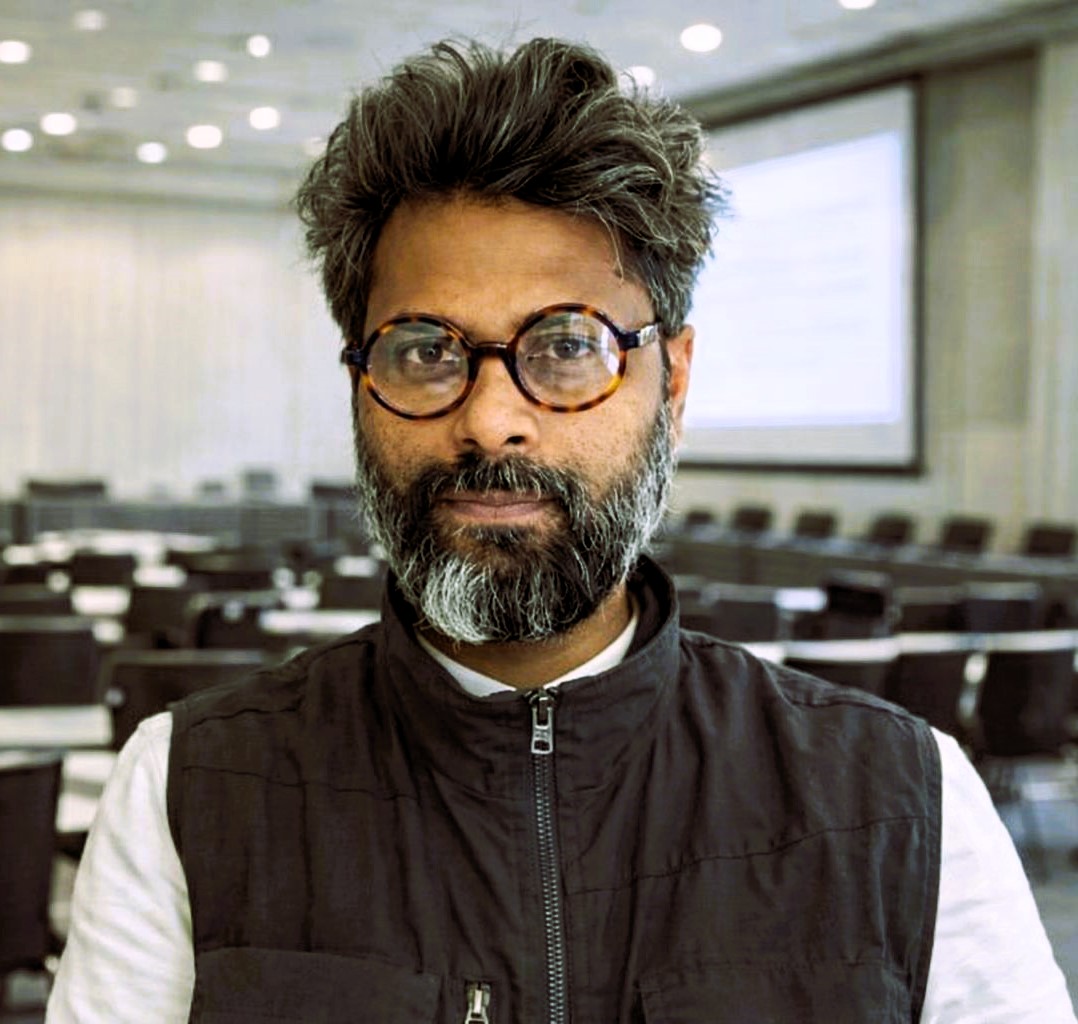
Sanjay Kumar is a empirical development practitioner with over 15 years of experience in designing, implementing, and evaluating large-scale workforce development programs in India. He currently serves as State Project Manager (Pedagogy & Learning Management) with JEEViKA – Bihar Rural Livelihoods Promotion Society (BRLPS), Government of Bihar, where he leads the pedagogical and quality assurance architecture of one of India’s largest state-led skilling ecosystems.
His work focuses on bridging policy and practice by translating national skilling frameworks into scalable, outcome-oriented systems. He has led the development of competency-based curricula, institutional quality assurance mechanisms, and assessment systems aligned with national standards such as NSQF and NCVT. He has also overseen the appraisal and quality assurance of over 100 training institutions, ensuring alignment with labour market demand and employability outcomes.
Sanjay’s work reflects a strong commitment to evidence-based practice. He has collaborated with the University of Warwick and J-PAL South Asia on research examining the role of informed mobilization in improving training retention and employment outcomes under the DDU-GKY programme. His research and practice interests lie in skills ecosystems, migration, labour market transitions, and inclusive development, particularly for rural and marginalized youth.
He has contributed to the integration of technology in skilling through the design of digital systems for learner tracking, job matching, programme monitoring, and has facilitated industry engagement platforms to strengthen the school-to-work transition.
Sanjay holds an M.Phil. in Planning & Development from IIT Bombay and a Master’s degree in Social Work from Tata Institute of Social Sciences (TISS), Mumbai. His academic training, combined with extensive field experience, informs his interest in strengthening the interface between public systems, pedagogy, and labour market institutions.
Through this fellowship, he seeks to deepen his engagement with global research and comparative perspectives on skills, employment, and inclusive growth, while contributing practitioner insights from large-scale public systems in India
Steven Heales

Steven is Head of Business Innovation and Technology at West Midlands Combined Authority.
Steven has extensive experience at the intersection of public policy, innovation, and economic growth.
Currently Head of Business Innovation and Technology, he has led strategic programmes across combined authorities since 2021, building strong networks spanning academia, policymakers, and business leaders across the West Midlands, Greater Manchester, and the wider UK.
Steven brings international policy insight through leading innovation delegations across Europe and active participation in the Innovation Capital of Europe network.
His expertise and experience centres on productivity and devolution, and public service reform, with a strong emphasis on translating research into practical policy impact.
Jonathan Skinner
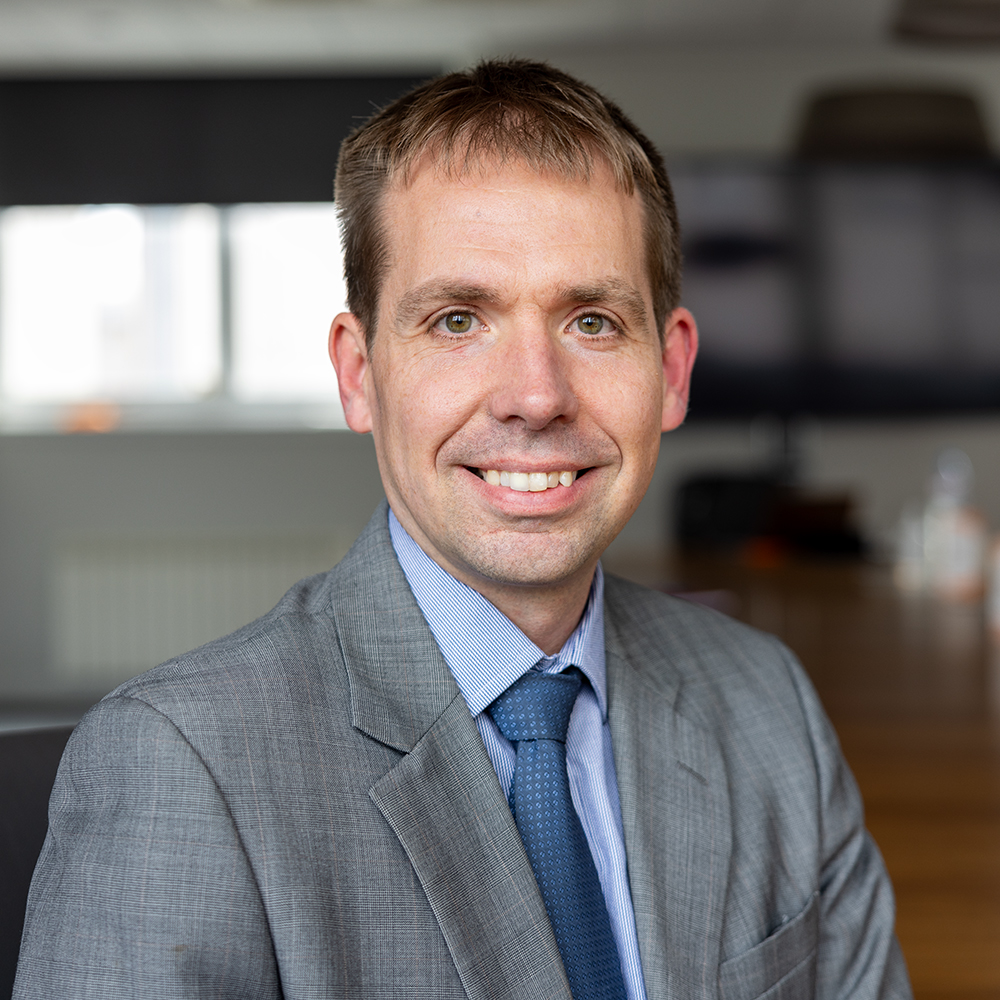
Jonathan Skinner - Head of Economic Policy and Partnerships: West Midlands Combined Authority (WMCA)
Jonathan is responsible for developing economic strategies and priorities for the WMCA, including programmes on business support, investment and international. With degrees covering Public Policy and Macroeconomics, Jonathan joined the WMCA in January 2020, having previously led on private sector growth in West Yorkshire and has extensive previous experience in local and regional government across the East of England and West Midlands. During that time he has led a review of a regional Business Link service, supported the Regional Funding Allocations process and helped establish a Combined Authority following devolution deal negotiations.
Mike O'Hara

Assistant Chief Constable (ACC) Mike O’Hara holds a pivotal executive role in West Midlands Police (WMP). Mike brings a strong combination of experience in senior roles in Local Policing, Investigations, Specialist Operations and Security as well as collaborative experience having led the force partnership for Coventry UK City of Culture 2021. He is the WMP executive lead for the Police Race Action Plan, a national strategy designed to bring about change in police behaviours towards Black communities and colleagues. As a Policy Fellow Mike brings additional insights into how the police might collaborate with university researchers, as well as strengthening an existing partnership with Professor Jackie Hodgson (School of Law) and Dr Rachel Lewis (Sociology) collaborating on police-community relationships and Race Action Plan training.
Mike is married with three children and two step children and is a keen sportsman and is the chair of the West Midlands Police Boxing Section.
Jonathan Benjamin

Sgt Jonathan Benjamin has served with West Midlands Police since January 2020 and is currently the force's WMP Race Action Plan Coordinator. Jonathan has spent the majority of his service in neighbourhood policing having served as a Constable within Birmingham East prior to his move on promotion to Sergeant Solihull Town Centre, taking responsibility for local policing of the town and surround residential areas.
Having worked as the WMPRAP Coordinator for over a year, Jonathan has worked closely with the force executive lead ACC O'Hara and the four workstream leads to deliver against the force strategy. This involves strategic involvement in the review and development of force policies and procedures as well as, community engagement and internal cultural change.
Prior to policing, Jonathan was a sprinter and coach for Birchfield Harriers as well as completing a degree in Sport and Exercise. Jonathan's dissertation explored the disparity in the portrayal of Black and White athletes in mainstream media through a Critical Race Theory & semiotic lens; an early indicator of his interest in matters of social justice and race relations.
Prithvi Hirani

Prithvi Hirani is a humanitarian practitioner with over seven years of experience supporting humanitarian data collection and analysis for a UN agency in emergency and post-crisis contexts, including Nigeria, Ukraine, Somalia, and Lebanon. She has led the design of data collection methodologies and operations while fostering collaboration between academics and practitioners to advance understanding of humanitarian data practices. Her work focuses on strengthening and operationalising ethical data practices across the humanitarian sector.
Prior to her humanitarian work, Prithvi completed a thesis in International Politics at Aberystwyth University titled The Border, City and Diaspora: The Physical and Imagined Borders of South Asia, exploring the intersections of borders, identity, and diaspora in South Asia.
She is also a proud Warwick Alumna and completed a Masters at PAIS Warwick University.
Mustafa Al-Soufi
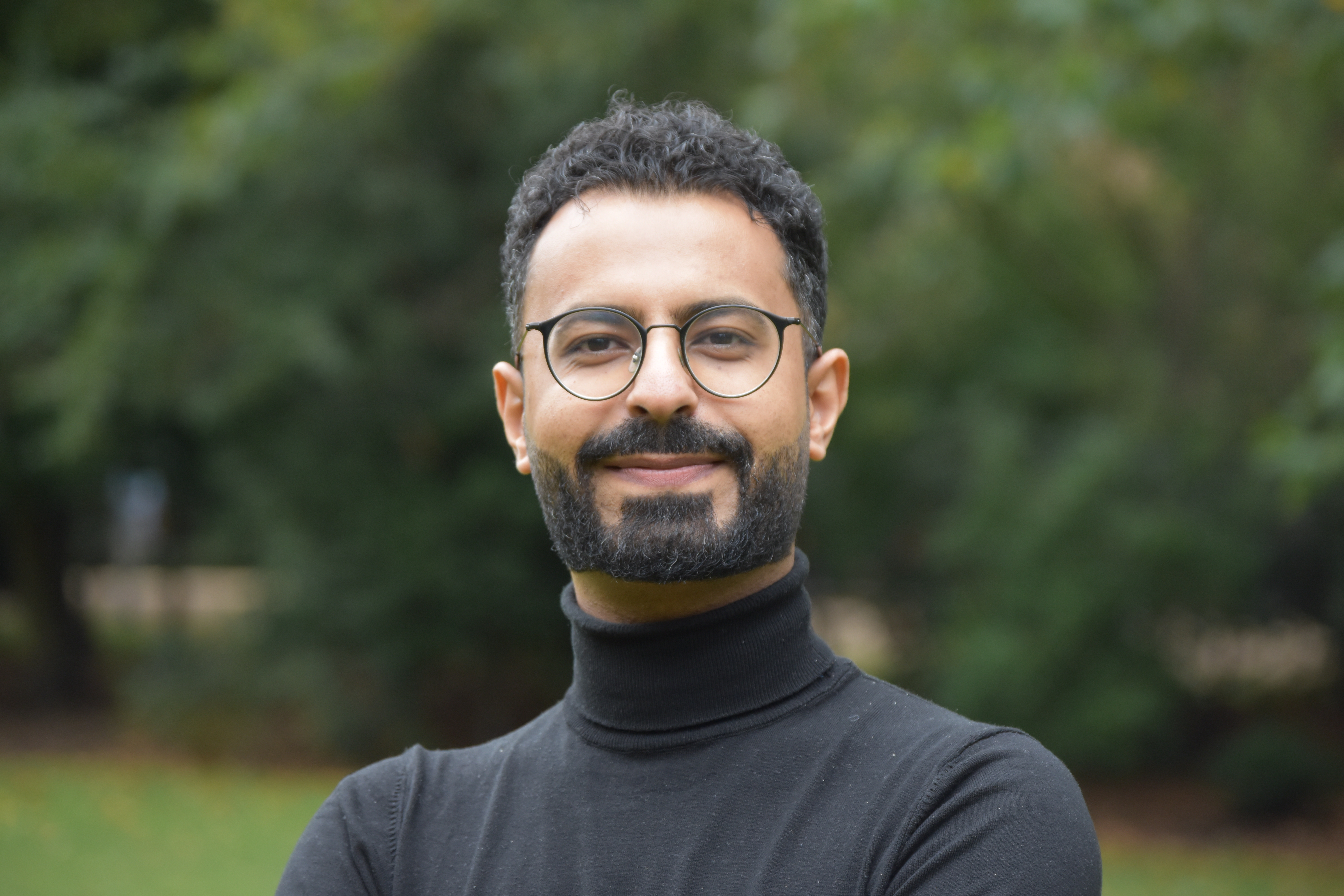
Mustafa Al-Soufi is Humanitarian, Conflict and Counter-Terrorism Adviser at Bond, the UK network for organisations working in international development, where he leads policy work with member organisations across the sector.
He has 14 years of experience in humanitarian and conflict settings, with earlier roles at INTERSOS Yemen and South Sudan, UNDP Yemen and Iraq, and the LSE Middle East Centre's PeaceRep programme. He holds an MSc in Violence, Conflict and Development from SOAS and works in Arabic and English, with particular regional expertise across the Middle East, including Iraq and Yemen.
His fellowship focuses on humanitarian localisation, working with colleagues at Warwick Business School and WICID.
Tominke Christine Olaniyan

Tominke Christine is the Founder of ILERA, a women-led community health intiative with health centres providing vital sexual and reproductive health (SRH) services, education, and screening pathways for internally displaced people (IDPs), gender-based violence survivors, and underserved rural communities in Northern Nigeria. A passionate advocate for universal access to sexual and reproductive health and rights (SRHR), she brings over 25 years of expertise in public health and community development across conflict-affected settings. Her extensive background includes a decade as Director of the Pan African Development Education and Advocacy Programme (PADEAP), leading peacebuilding, education, and healthcare programs in Nigerian rural communities and Ugandan refugee settlements.
Tominke serves as a Visiting Lecturer at the London School of Hygiene & Tropical Medicine (LSHTM) and the University of Ghana, teaching on the decolonisation of SRHR. Between 2020 and 2025, she was Co-Investigator
on the Open University's Decolonising Education for Peace in Africa (DEPA) project, where she led decolonial participatory action research using photovoice and storytelling alongside refugees and IDPs.
Her fellowship explores decolonising approaches to SRHR and reproductive injustice in Nigeria and England, drawing attention to gendered pain through her own experience with neglected conditions like endometriosis. In collaboration with colleagues at WICID, PAIS, Warwick Medical School, and Warwick Law School, her work aims to drive policy reform that puts women and health justice first. Outside of her academic and advocacy
work, Tominke is a marathon runner and triathlete who champions movement as an essential part of a life-course approach to women's physical and mental well-being.
Chris Gunderson
Chris is a senior leader with over 20 years’ operational experience in HM Prison and Probation Service (HMPPS). Chris is currently the Programme Director responsible for the prison changes resulting from the Sentencing Act 2026 and the Independent Sentencing Review (ISR) delivered on behalf of the UK Government in 2025.
A Law graduate from the University of Sheffield with a Master's degree in International Criminology, Chris joined HMPPS in 2004. In 2005 Chris was selected for the Prison Service Intensive Development Scheme and spent the next seven years in frontline prison roles, progressing from Prison Officer to Senior Operational Manager and working in Reception Prisons across the West Midlands and London.
Chris moved to HMPPS Headquarters in 2012 and has since held a diverse range of leadership roles. Chris led the Benchmarking Programme in London and was Head of Security Risk Management, working on major incident investigations and research into how security threats operate in prisons. Chris was Staff Officer to the Director for Public Sector Prisons and worked in ministerial Private Office. Chris was Head of Prison Casework and led several projects, including reviews of prison administrative functions and prison abscond investigations.
In 2019 Chris joined Gold Command and led the Operational Guidance Cell, developing the controls and counter-measures to manage COVID in prisons. After COVID Chris developed the National Regime Model governing prisoner activities and introduced a new National Oversight Function for operational staff training. In 2024 Chris returned to Gold Command as the Lead for SDS 40 and designed and implemented legislative changes to manage capacity challenges in prisons.
Originally from Warwick and still living locally Chris has participated in several events and forums hosted by the University. Chris is passionate about the prison system and welcomes opportunities to work with staff and students to explore the challenges facing our prisons.