
Alex (Hanzhi) Zhang: Research Assistant
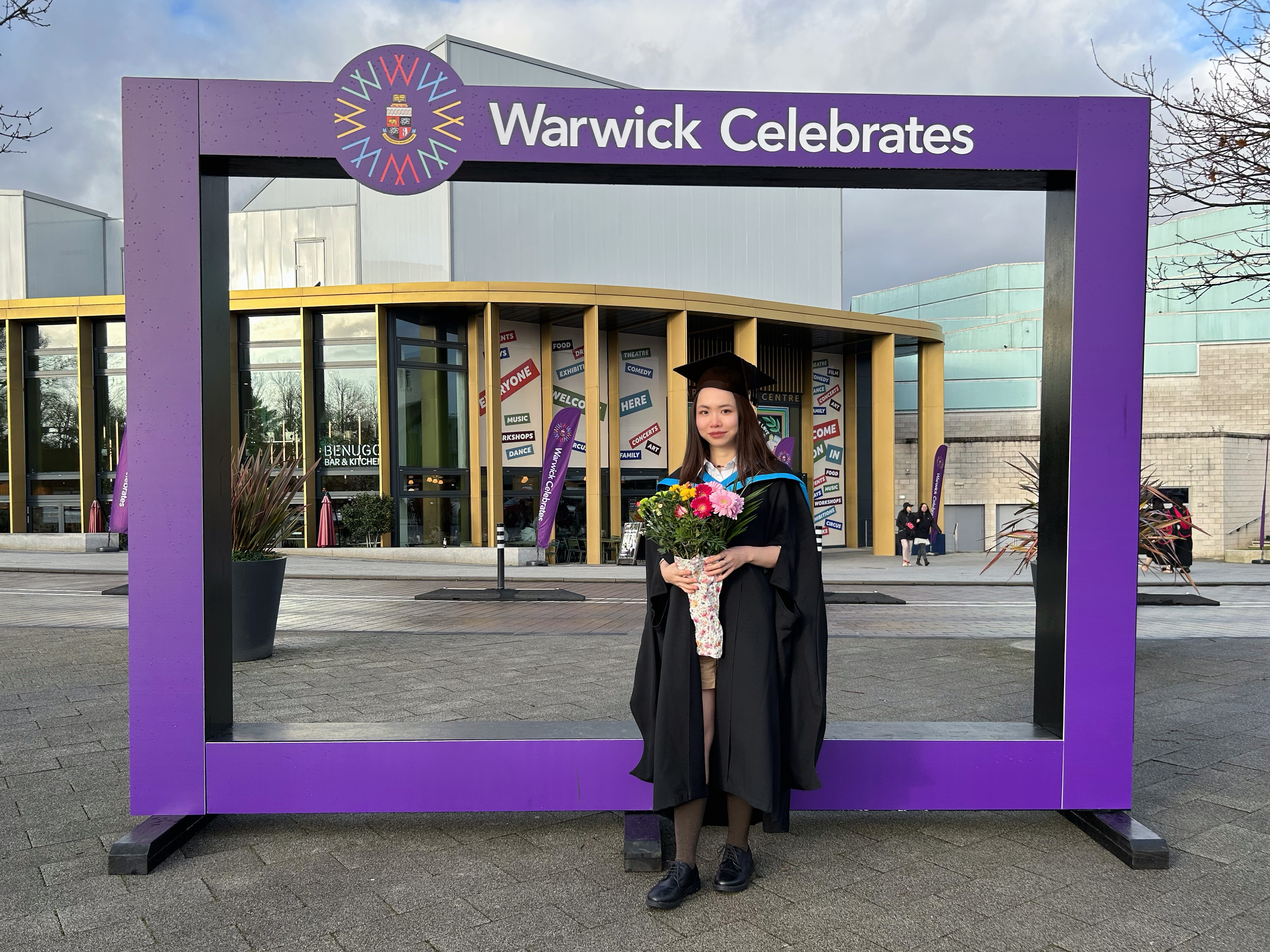
Alex (Hanzhi) Zhang
MSc Computer Science, 2025
Based in:
London
Formerly from:
China
Ambitions for the future?
I would like to work somewhere with a stronger engineering and innovative culture, where I can keep learning from others and contribute to meaningful projects. I'm still figuring out exactly what that looks like.
Best piece of advice you’ve been given?
You don't have to have it all figured out. It sounds simple, but it applies to a lot of things: start applying as early as possible, don't worry too much if your first job does not meet your initial expectations, and don’t stress over committing to a field or industry. Stop waiting for the "perfect" path and just start somewhere.
Research Assistant (Knowledge Transfer Partnership (KTP) Associate in Artificial Intelligence), with UCL School of Management and Howden Reinsurance
Describe your current role and what attracted you to it.
I work on developing data pipelines and AI-driven tools for a reinsurance company as part of a KTP with UCL. The role attracted me because it combines technical challenges with real-world business applications. I get to build things from scratch and explore their potential to change the way people work. It's also a bridge between academia and industry, which felt like a good fit after my MSc.
What’s your favourite part of the role?
The autonomy to explore different technical approaches and learn new tools along the way. Seeing a project evolve from an idea to something usable and useful - it's rewarding to know my work has a direct impact.
What are the key skills you learnt at Warwick that have helped you with your career to date?
The MSc gave me a solid foundation in programming and problem-solving, but what helped most was learning how to learn and pick up new tools, frameworks, and concepts quickly when needed. Group projects also taught me how to communicate technical ideas to people with different backgrounds.
Did you have a specific career path in mind when you chose to study at Warwick?
Not really. I knew I wanted to work in tech, but I didn't have a specific role in mind. The MSc was partly about exploring what I enjoyed and what I was good at. The career path became clearer along the way, not before.
What top tips do you have for Warwick graduates who would like to work in your sector?
Be open to working in different sectors. For example you may not picture yourself working in finance as a Computer Science graduate, but a lot of industries these days need AI and programming talent, and the most important skills, like problem-solving, are always transferable. You'll learn the specific industry knowledge on the job.
What does a typical day look like for you?
It varies a lot. Some days I'm deep in coding and building pipelines, debugging, and testing. Other days are more about meetings, catching up with supervisors, or presenting to internal and external clients or stakeholders.
What has been your greatest career challenge to date and how did your experience and skills help overcome it?
Working on a new project with a lot of unknown, unclear, and constantly changing requirements, limited and messy data, and tools that don't always do what you need. I had to learn to break problems into smaller pieces, test things quickly, make technical decisions, manage conflicting stakeholder expectations, and ask for help when stuck. It's still challenging after six months, but I'm better at sitting with uncertainty now.
What do you know now that you wish you had known when you were applying for jobs?
That rejection is normal and doesn't mean you're not good enough. Job descriptions are wish lists – you don't need to tick every box to apply. Also, if you're an international student, do your own research on visa policies, paperwork, and timelines. They are always changing, and even though the company HR and immigration team should be responsible, they may make mistakes, and eventually this can affect your career, life, and future.