
Caroline Holden: Photographic Business Owner
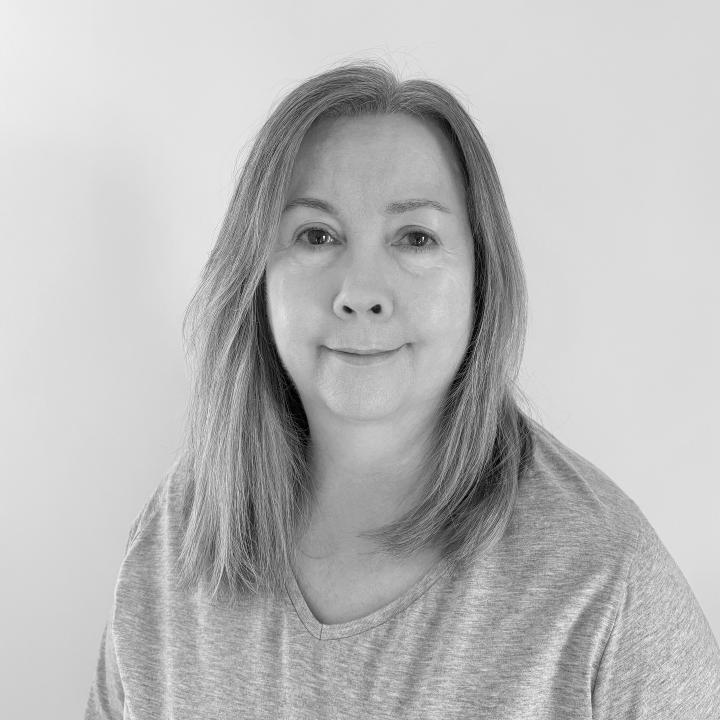
Caroline Holden
BA Theatre Studies and Dramatic Arts, 1989
Based in:
Northwest England
First job:
I started photographing ballet at my daughter's local dance school.
What does a typical day look like for you?
When attending a press photocall, it’s not just about photographing the production. I need to carefully plan my travel, research the ballet in advance, and learn the choreography (if it’s well known).
If I'm photographing from the auditorium, I use a tripod to capture as centrally as possible. If I'm working in the wings, I wear black, so I am not seen from the stage.
When travelling home, I'll edit through the night to get my work in on time. It’s a rush —often exhausting, but a privilege.
Ambitions for the future:
To continue to photograph dance for as long as I’m able. I have various studies I am working on long-term, focusing mainly on the corps de ballet. This is the group of dancers who work in synchronised form. I’m currently looking at a study of the Swans, Snowflakes, Stars, and the Wilis (from Giselle).
I run a photographic business in the northwest, specialising in dance photography
Describe your current role and what attracted you to it.
I work mainly as a Production Stills Photographer. I attend dress and studio rehearsals, photographing from backstage and in the wings for companies such as Birmingham Royal Ballet to promote their productions and add to my archive of images.
What’s your favourite part of your role?
Capturing emotion in dance. I like to photograph a full-dress rehearsal of a production in real time instead of taking set-up shots. It’s very special to capture a production as it’s being choreographed in the studio. Working in a theatre is my happy place, whether it’s in the auditorium, backstage, or in the wings — I can leave the rest of the world behind.
What are the key skills you learnt at Warwick that have helped you with your career to date?
My course enabled me to learn from theatre practitioners, such as the late Clive Barker. I saw performances on campus that inspired and have remained with me like Louise Page's one-act play Tissue. Teatr Provisorium were another inspiration, a Polish theatre company that introduced me to the work of Jerzy Grotowski and his vision in Towards a Poor Theatre.
It gave me amazing opportunities, such as acting in Jacob Barua's film This That, which was made on campus with Constantine Gras. I was also able to write for Warwick’s student newspaper The Boar.
Did you have a specific career path in mind when you chose to study at Warwick?
I hoped to work in theatre but still had so much to learn — I knew the career path would be difficult to access. The skills I learnt working on the student newspaper inspired me to take a postgraduate diploma in newspaper journalism, which, in turn, led me to photojournalism.
What top tips do you have for Warwick graduates who would like to work in your sector?
Pursue all your interests, join societies, work with your department and lecturers. Information is more accessible today than when I was a student. The key to working in ballet is gaining access to a company's press list. I'd speak with other professionals in the field and volunteer for experience.
It's not a career in which you'll make a lot of money, and most of that goes back into keeping your gear up to date, so you may need a second job to get by.
What has been your greatest career challenge to date and how did your experience and skills help overcome it?
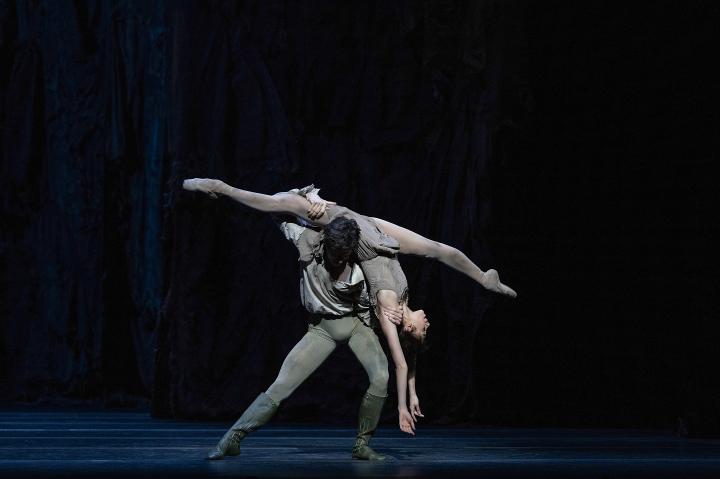
Since beginning to photograph ballet, Manon was always the production I wanted to photograph. It’s not included in many companies’ repertoire, but I was able to photograph the 50th anniversary production at the Royal Ballet in 2024 with three different casts. It was a life-defining moment.
What do you know now that you wish you had known when you were applying for jobs?
I always believed that if you worked hard enough you’d get to where you wanted to be, but dance photography is like dance itself — it’s a discipline that needs to be practiced regularly, and for that, you need access. A lot of dance photographers are ex-dancers who understand both the technical aspects of the performer and the camera.
What’s the best piece of advice you’ve been given in relation to your career?
Photographer Frederika Davis, who photographed Rudolf Nureyev following his defection, and Dame Margot Fonteyn, who continued to photograph into her 90s, told me to continue photographing for as long as I was enjoying it. It is addictive!
Also, that good photographic gear does matter when photographing in a theatre — there is often low light or no light at all.
What should current students or recent alumni be doing to move their careers forward?
My advice would be to apply for a vocational apprenticeship with a company and be prepared to move. You'll discover if this is what you want do, learn how the industry works, and make important contacts
I also believe that students and alumni should support the Warwick Arts Centre as much as possible. It's an incredible asset to the University.