
David Guttormsen: Professor in Organisation and Management
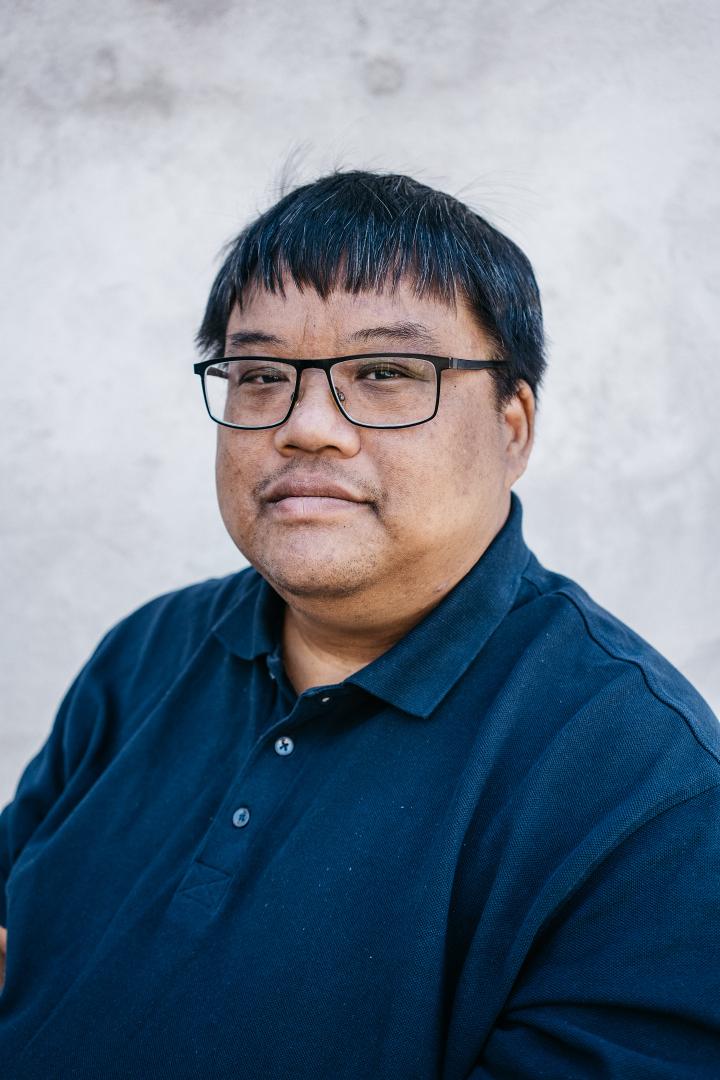
David Guttormsen
PhD Politics and International Studies, 2015
Based in:
Norway
Came to study at Warwick from:
The UK, but originally from Norway
First job:
A summer job as a combined cemetery worker, church servant, and organist
Full Professor in Organisation and Management; USN School of Business, University of South-Eastern Norway
Describe your current role and what attracted you to it.
I conduct research and publish across the fields of international human resource management, international business, and cross-cultural management. In addition, I supervise PhD students and teach postgraduate and executive-level courses.
I also contribute to various committees, including serving as elected member of the USN School of Business' faculty board. Currently, I am seconded (50%) to lead the university's strategic research area: 'Democracy, Societal Organisation and Governance'. I was attracted to embark on an academic career due to the opportunity to investigate how and why culture influences expatriation in international business.
What’s your favourite part of your role?
To carry out qualitative and interdisciplinary fieldwork as a way of collecting data on international and intercultural work phenomena. I interact with practitioners, encounter new people, and learn perspectives that challenge and nuance my existing understanding to generate new learning and insights.
What are the key skills you learnt at Warwick that have helped you with your career to date?
The importance of nurturing and developing a global outlook, a reflexive mindset, and a dynamic network across institutions and country-borders.
Did you have a specific career path in mind when you chose to study at Warwick?
I was fascinated by both the prospect of pursuing an academic career and the opportunity to work in international management consultancy.
What top tips do you have for Warwick graduates who would like to work in your sector?
Your future employer does not simply hire your degree or formal credentials, but the whole person. It is therefore important to engage actively with others and with society more broadly to develop your interpersonal and social skills, build meaningful networks, deepen your understanding of society, and cultivate a broader outlook on the world.
What’s the best piece of advice you’ve been given in relation to your career?
Most of the things that my PhD supervisor conveyed, as I expressed in the Acknowledgement of my PhD thesis: “I am indebted to my Supervisor, Professor Stuart Croft, whose academic guidance, support, and commitment to my PhD journey has been outstanding, his patience legendary, and willingness to share his wealth of knowledge about the academe extraordinary. I tremendously value his continued mentorship, from which I benefit greatly.”
What ambitions do you have for the future?
To pursue research that contributes to societal betterment, particularly by examining the relationship between international companies and socio-economic sustainable development goals, while also shedding light on the often understudied experiences and conditions of marginalised people and workers within international business.