
Eleanor Bradford: Director of Corporate Communications
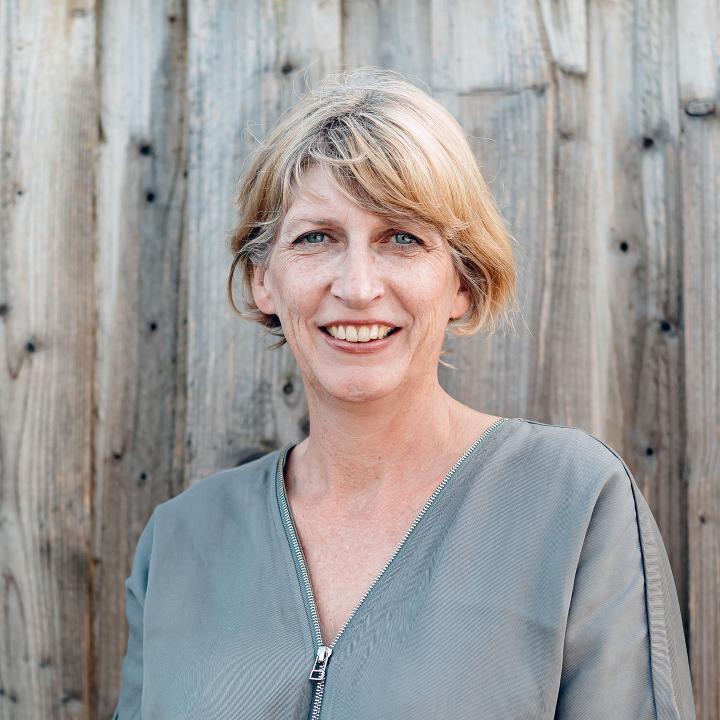
Eleanor Bradford
BA Politics with International Studies, 1994
Based in:
Moray, Scotland
First job:
BBC broadcast journalist trainee.
Strangest interview question:
I was asked to arrange the chairs in the room before a presentation, to see if I would arrange them in a way that included everyone.
Advice for current students:
Be dependable and resilient. Take negative feedback on the chin and turn up every day with your best energy.
Best piece of advice received:
Another senior manager once told me to remember that every meeting with a junior employee is "the least important part of your day, but the most important part of their day". Therefore, I always give them my full attention and don't turn up late.
Director of Corporate Communications, Media Training and Crisis Comms. Former Health Correspondent (Scotland, for BBC News).
Describe your current role and what attracted you to it.
After graduating from Warwick, I did a one-year postgraduate degree at Cardiff University and then won a place on a BBC trainee scheme, which eventually led to my correspondent job. I interviewed prime ministers and first ministers, went to a tsunami disaster zone, did an investigation, which changed the law and led to massive compensation deals for victims, and I outlasted five health ministers. I eventually left the BBC in 2016 in search of more reliable working patterns so that my family knew whether I'd be home that evening!
What’s your favourite part of your role?
Now, my favourite thing is dealing with a crisis, when a company finds itself in the headlines. Sometimes this is because they've messed up; sometimes it's not their fault. Dealing with the media is a game of poker and chess combined. You need to predict their next move, whilst not giving away your hand! I also love working with nice people who are getting a bad press and showing them how they can turn that around.
In my BBC days, I got a great deal of satisfaction from getting justice for ordinary people who were being mistreated by state institutions.
What are the key skills you learnt at Warwick that have helped you with your career to date?
As a working-class kid, I suddenly found myself in a melting pot of all kinds of people from all over the world. My Jack Martin corridor alone had students from Sweden, Malaysia, and Singapore, as well as Wolverhampton and Redditch. We all stayed friends and everyone has done amazingly well. I studied Politics and International Relations, which was hugely helpful as a basis for my career as a journalist. In particular, I developed an unexpected fondness for the statistics course, which was hugely helpful when wading through government waiting times data!
Did you have a specific career path in mind when you chose to study at Warwick?
I always knew I wanted to go into the media and volunteered at the local BBC radio station, as well as having a radio show on W963 and presenting live coverage of NUS elections.
What top tips do you have for Warwick graduates who would like to work in your sector?
It's a really tough sector to break into. Graduates should go into it for love not money! I would recommend that students develop their own area of expertise; it doesn't matter whether that is nuclear physics or law. Start local, for example volunteering at a local paper, and work your way up. Career paths can be very quick. It also helps if you have a good understanding of social media and AI, so that you can use these for your research and also pivot into PR roles if necessary.
What does a typical day look like for you?
When I was a journalist, most days involved an empty diary. I'd pick up breaking news at 8am and follow it through the day, sometimes finishing with Newsnight at 10pm, or a long journey home from the opposite end of the country.
As a Director of PR my day is full of client calls and meetings with my team. We work with clients to manage their reputations in a positive way. Sometimes I'm out doing media training with senior team leaders.
What has been your greatest career challenge to date and how did your experience and skills help overcome it?
Probably moving from a general journalist to a health correspondent. On my first day, a large number of consultants resigned from Scotland's biggest health board, plunging it into crisis. I was expected to go on air immediately and sound authoritative without any real expertise in health. I eventually built up this expertise 'on the job', although some aspects of my course, such as the statistics seminars, were a huge help. My BBC predecessor advised me to buy a Nurse's Dictionary so that I understood all the medical jargon. That was good advice. I think, actually, that my ability to talk to anyone from any background was my biggest asset. I could get a good interview from anyone from any walk of life. Besides that, it was a case of 'fake it till you make it' and being resilient. Pick yourself up after a knock and just power on.
What do you know now that you wish you had known when you were applying for jobs?
It's not what you know; it's who you know. Spend time cultivating relationships. Remember that your Warwick alumni network can be very useful and wise. Find out what the boss really needs and then deliver that. Keep a record of your achievements and don't be afraid to go through them in your 1:1 appraisals; nobody else is going to do your PR for you.