
Julien Theys: Co-Founder and Managing Partner
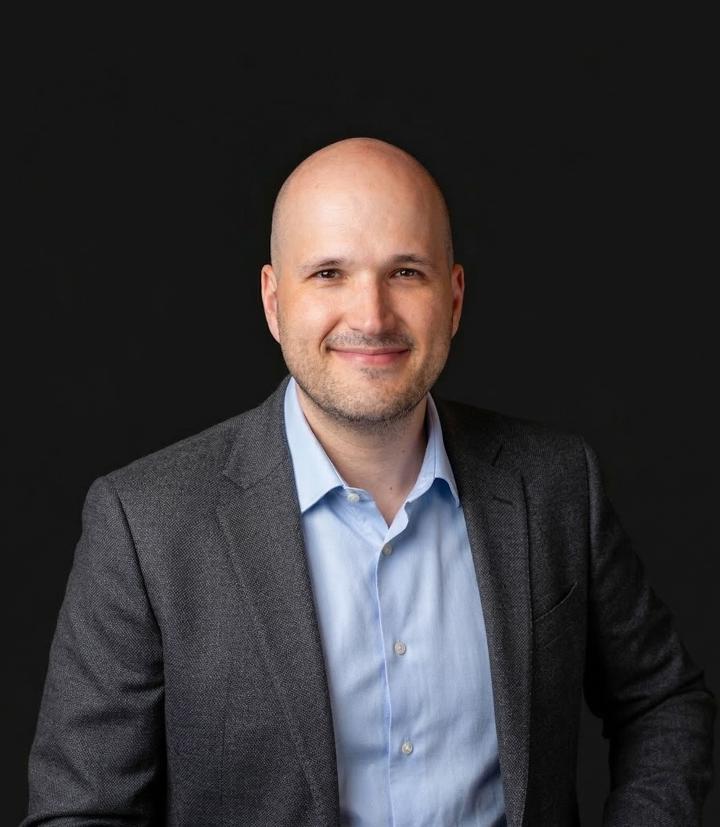
Julien Theys
MBA (Distance Learning), 2013
Based in:
Belgium
Came to study at Warwick from:
Belgium
First job:
My first job was in the audiovisual sector, working for film producers on topics including digital rights management, fiscal incentives, and industrial representation. It was fun because I wanted to work in the film industry. After business school, it was an original yet welcome path into the industry I now work in.
Strangest interview question:
"How Googly are you?"
Best piece of advice received:
One piece of advice I often give others is: “When in doubt, over-communicate.” The biggest problems you face will almost always stem from a lack of good communication, and never from an excess of it
Ambitions for the future:
My ambition is to stay useful to people in whatever capacity — through my company, as a teacher, mentor, or in another role.
I want to keep finding fulfilment in helping people and organisations become better versions of themselves. In the service industry, if you can do that with authenticity, it shows. It can create a virtuous circle between you and your clients, and that is very rewarding.
Co-Founder and Managing Partner, Agilytic.
Describe your current role and what attracted you to it.
I co-founded Agilytic, where we help organisations reach their goals through smarter use of data and AI. My role is essentially to make sure the company has what it needs to become what we aspire it to be. That means working across business development, team structure, recruitment, and finance to ensure we deliver the best possible projects and results for our clients.
What attracted me to my role is vocational. I have always been convinced that digital technologies can solve real-world problems and that they are often underused in this aspect — that belief has been with me for decades, and for the past ten years it has become my daily job.
What’s your favourite part of your role?
Learning every day. There is a lot of pressure and responsibility, but also the freedom to focus on what I believe. In an environment where things change quickly, it’s a privilege to have the flexibility to keep learning and continuously improve my skills.
What are the key skills you learnt at Warwick that have helped you with your career to date?
At Warwick, I realised the more I invest in nurturing my knowledge, the better I become. I am curious by nature, but Warwick helped me channel that into something more structured and disciplined. In addition, my course featured many case studies, which, for me, was a novel way of learning. It helped me develop a more practical, structured way of thinking through business problems.
Did you have a specific career path in mind when you chose to study at Warwick?
My suitability to professional life wasn’t obvious from the beginning, but the direction was. I did not expect I would one day build and run my own company.
What top tips do you have for Warwick graduates who would like to work in your sector?
Never stop being curious. At a time when tools and technology can give you answers to almost everything, one of the most important skills you can have is asking good questions.
Do not think your learning is over after graduation. In many ways, it’s just starting. Seek out different sources of knowledge – over time that has a compounding effect.
What does a typical day look like for you?
It’s busy and usually involves many appointments. I am selective –you need to control your calendar, rather than let it control you.
A lot of my workload involves communication with my team to ensure client satisfaction — supervising projects, interviewing clients, drafting deliverables, and handling administrative work. My favourite part is thinking through problems, structuring my thoughts, and finding the right path forward.
What has been your greatest career challenge to date and how did your experience and skills help overcome it?
Running my own company. Being a business owner is incredibly fulfilling, but I wouldn’t recommend it to everyone. The work is intellectually rewarding, and you are involved in problem-solving across many situations and industries, but the expectations and pressure are always there.
You need to keep a healthy perspective so that the pressure does not become overwhelming. There must be a constant process of continuous improvement, especially as the stakes increase and the team grows — it requires perspective and surrounding yourself with trustworthy people.
What do you know now that you wish you had known when you were applying for jobs?
Be yourself. Authenticity is incredibly underrated.
If you are yourself and there is no fit, you may have dodged a bullet. When I was studying at Warwick, there was a lesson about authenticity, and I remember wondering why it mattered so much. I now think it is one of the most important attributes.
If you combine authenticity with genuine curiosity and a genuine desire to help, your posture naturally becomes convincing. The focus should not only be on how well you present yourself, but also on conveying that you truly care about the organisation you want to work for.
What should current students or recent alumni be doing to move their careers forward?
Always be there for each other and be curious about how you can help each other.
I see many people start to network only when they need something. In reality, genuine, altruistic networking is a career-long activity; it shouldn’t feel like effort. Good things often come to you when you don’t expect them, especially in the short-term.
So nurture your relationships, and always ask how you can help others.