
Kelvin Chukwuemeka: UN Specialist
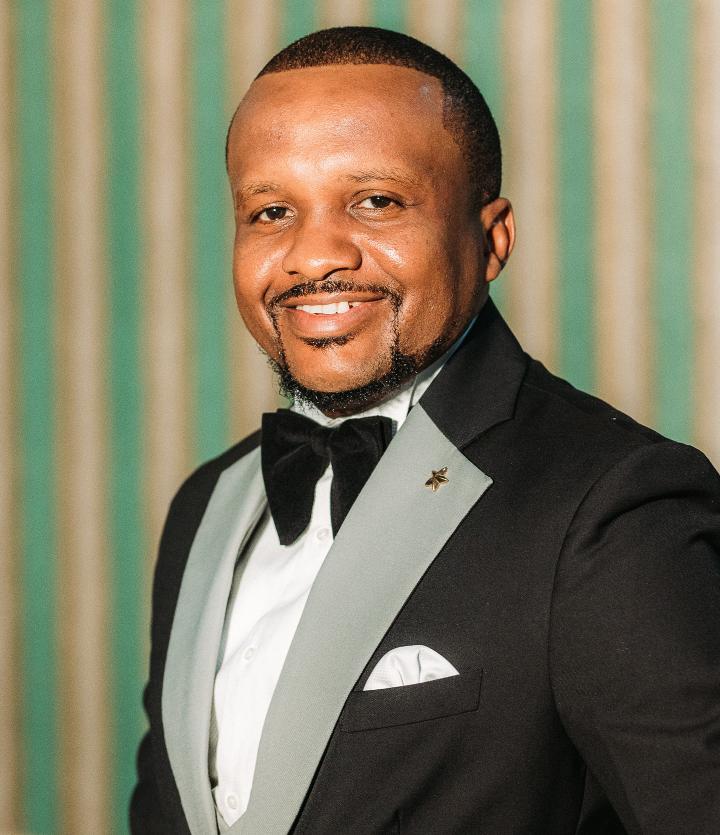
Kelvin Chukwuemeka
PG Cert Public Health, 2011, PG Award Communicable Diseases and Immunisation, 2011
Based in:
Abuja, Nigeria
First job:
A small NGO focused on women’s health and community development.
Strangest interview question:
"If you were a piece of medical equipment in a crisis setting, what would you be and why?”
Best advice received:
Early in my career, it was easy to get caught up in job grades, contracts, or the perceived prestige of certain roles especially in large institutions like the United Nations. But a mentor once reminded me that careers in humanitarian and global health spaces are rarely linear, and that depth of expertise and credibility matter far more than the speed of progression.
Sexual and Reproductive Health in Emergencies (SRHiE) Specialist for the United Nations Population Fund (UNFPA).
Describe your current role and what attracted you to it.
My role centres on ensuring that women, girls, and vulnerable populations can access life-saving sexual and reproductive health (SRH) services during humanitarian crises. This could be emergency settings whether conflict, displacement, disease outbreaks, or natural disasters. I coordinate with governments, NGOs, UN agencies, and local partners; supporting technical guidance and quality assurance; mobilizing resources; and ensuring that programming is grounded in human rights, gender equity, and accountability to affected populations.
It is the profound inequity that crises expose and the opportunity to make tangible, immediate impact. In humanitarian settings, women and girls often face:
- Increased maternal mortality
- Heightened risk of sexual violence
- Disrupted access to contraception
- Collapsing health systems
What’s your favourite part of the role?
Seeing how technical guidance translates into real, life-saving impact for women and girls in crisis settings. In emergencies, the needs are immediate and often overwhelming. Being able to support the rapid implementation of the Minimum Initial Service Package (MISP) and then witness how that results in safer births, access to contraception, and timely care for survivors of sexual violence is incredibly meaningful. It’s a reminder that policy and coordination work, and when done well, they truly saves lives.
There’s also something powerful about aligning diverse stakeholders around one clear goal: protecting dignity and rights, even in the most fragile contexts.
What are the key skills you learnt at Warwick that have helped you with your career to date?
- Critical Thinking & Analytical Rigor
- Policy Analysis & Systems Thinking
- Research & Evidence Application
- Communication & Persuasion
- Working Across Diverse Perspectives
Warwick’s international environment exposed me to diverse viewpoints and ways of thinking. That experience has been directly transferable to working in multicultural, high-pressure humanitarian settings where collaboration and cultural sensitivity are key.
Overall, Warwick didn’t just provide academic knowledge, but it cultivated intellectual confidence, strategic thinking, and adaptability. Those capabilities have been central to navigating complex emergency contexts and advancing rights-based SRH programming throughout my career.
Did you have a specific career path in mind when you chose to study at Warwick?
While I didn’t have a job title in mind, I did have a purpose. Warwick helped refine that purpose and gave me the tools and confidence to pursue it.
What top tips do you have for Warwick graduates who would like to work in your sector?
1. Build Strong Technical Foundations
Humanitarian work is values-driven, but it’s also highly technical. Develop expertise in at least one area—public health, gender-based violence, health systems, epidemiology, humanitarian coordination, or monitoring & evaluation. Depth matters. Being able to offer concrete technical value will set you apart.
2. Understand the Humanitarian System
Familiarise yourself with how the humanitarian architecture works—clusters, inter-agency coordination, funding mechanisms, accountability frameworks. Knowing how decisions are made and who holds influence is essential if you want to work effectively in crisis settings.
3. Gain Field Exposure (Even in Small Ways)
Experience doesn’t have to mean deploying to a conflict zone immediately. Internships, volunteering with refugee-serving organizations, supporting research projects, or working with local NGOs all count. What matters is demonstrating commitment to vulnerable populations and operational realities.
4. Develop Cultural Intelligence & Humility
This sector requires deep respect for local leadership and context. The most effective professionals listen first. Humanitarian work is not about “saving” but it’s about supporting systems and communities with dignity and partnership.
5. Strengthen Your Communication Skills
Presenting complex ideas succinctly, writing persuasively, and engaging diverse stakeholders are skills I refined at Warwick through seminars, group work, and academic writing. These are skills I use daily in advocacy, donor engagement, and inter-agency coordination.
6. Be Patient and Persistent
Careers in this space rarely follow a straight line. Many people move between NGOs, research roles, consultancies, and UN agencies before landing in more senior positions. Stay focused on impact rather than titles and see each role as building blocks toward your long-term goal.
7. Stay Grounded in Purpose
Humanitarian work can be intense and complex. Staying connected to your “why", whether that’s gender equity, health justice, or human rights will help sustain you.
If you’re interested specifically in sexual and reproductive health in emergencies, I’d also recommend engaging with global standards like the MISP and following current debates around localisation, decolonising aid, and accountability to affected populations. It’s a challenging sector but also deeply meaningful. And Warwick graduates bring strong analytical thinking and global awareness that can be powerful assets in this field.
What has been your greatest career challenge to date and how did your experience and skills help overcome it?
One of my greatest career challenges has been leading programming in a rapidly escalating humanitarian crisis where needs were soaring, systems were collapsing, and funding was uncertain. In those moments, the challenge isn’t just technical. It’s strategic and deeply human. You’re balancing limited resources against immense need. You’re advocating for sexual and reproductive health, which is often under-prioritised, while multiple life-saving sectors are competing for attention. And you’re doing it in environments where political sensitivities, security constraints, and logistical bottlenecks add further complexity.