
Preet Tyagi: Executive Vice President
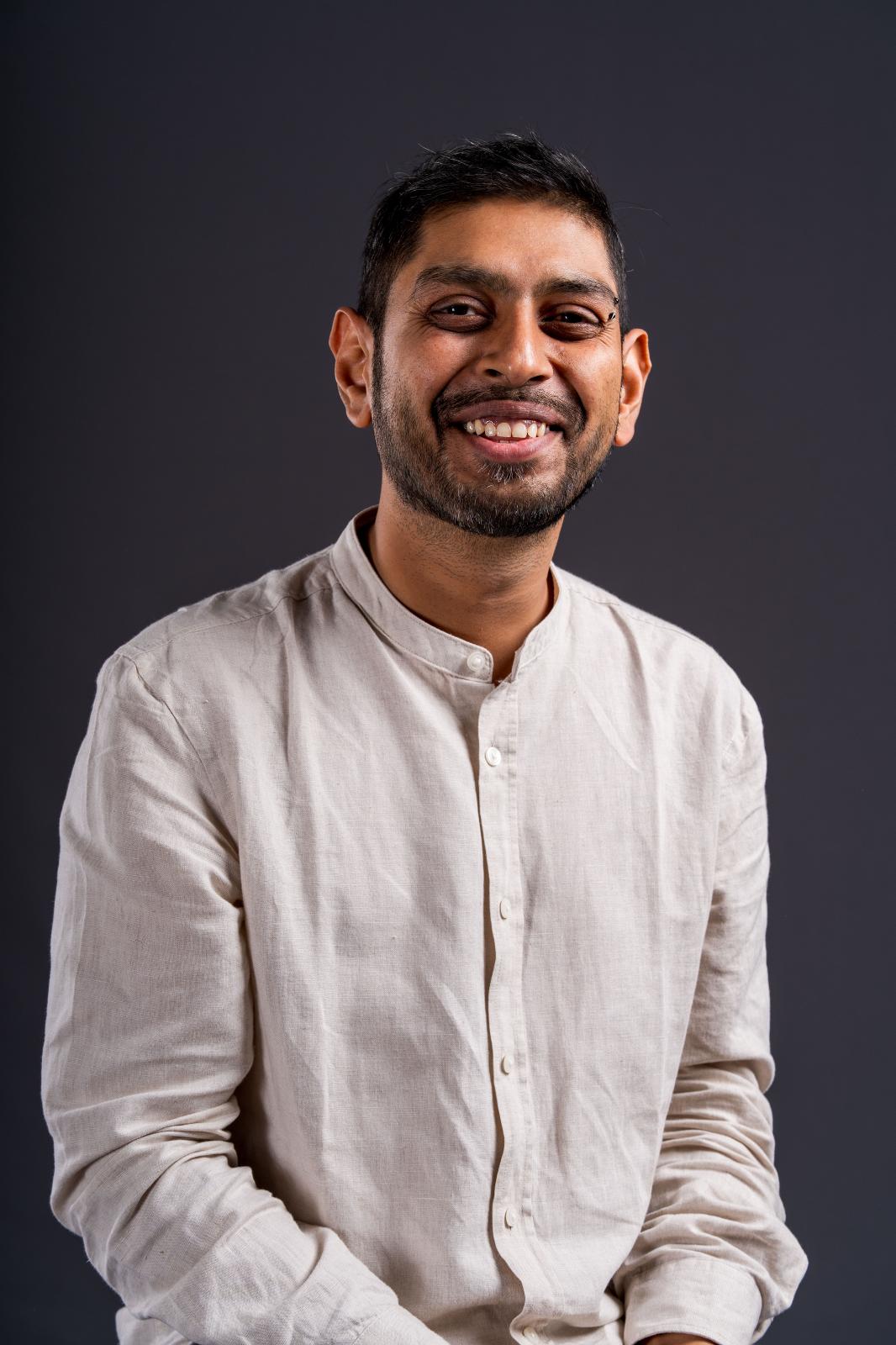
Preet Tyagi
MSc Marketing & Strategy, 2013
Based in:
Mumbai, India
Came to study at Warwick from:
India
First job:
Associate, The Nielsen Company.
Fun fact, Nielsen came to the Warwick campus to interview students for a consultancy grad project. I cracked that interview and spent the summer working with them, ultimately writing my dissertation on the topic.
Cut to three months later and I was on a train to Bombay to join my first full time job at The Nielsen Company.
Strangest interview question:
It wasn't so much an interview question, as much as the interviewer turning around and asking me for a job at my agency instead. Yes, that was a funny switcheroo.
Best piece of advice received:
Never stop building.
Advice to students:
You are getting some of the best education and exposure on the planet. Open opportunities for yourself and give them your best shot. Don't back down, and push with the flow.
Executive Vice President and Growth Head, Kinnect
Describe your current role and what attracted you to it.
I currently serve as the Executive Vice President and Growth Head at Kinnect. My role involves driving new business, expanding our geographic footprint, incubating new service offerings, and supporting integrations in India and globally.
What attracted me to this role was the opportunity to operate at the intersection of creativity, strategy, and technological transformation. I was excited by the challenge of scaling a homegrown integrated agency to compete with, and outperform, some of the largest networks in the world.
What’s your favourite part of your role?
The part I love most is seeing possibility where others see limits. No one gave our agency a chance to compete at international level... But we did! Whether it’s spotting new growth opportunities, shaping a pitch narrative, or helping teams unlock a new capability, I enjoy the energy of building something that didn’t exist before.
I also deeply value the relationships I’ve built, across clients, teams, and global partners. Advertising is fundamentally a people-first industry, and the joy of collaborating with diverse, talented individuals never gets old.
What are the key skills you learnt at Warwick that have helped you with your career to date?
Warwick taught me how to think strategically, communicate clearly, and connect marketing theory to real-world business challenges.
But more than anything else, what I learnt was how to understand different types of people and interact with them. How to build and nurture relations.
Did you have a specific career path in mind when you chose to study at Warwick?
Not in a rigid sense. I knew I wanted to be in a space that blended creativity with technology, and Warwick seemed the perfect environment to explore that intersection.
Warwick gave me the confidence and clarity to pursue my instinct fully.
What top tips do you have for Warwick graduates who would like to work in your sector?
Stay curious. Advertising rests on the pulse of evolution, so what matters is constant, active learning.
Build relationships early. The connections you form become your long-term advantage.
Be comfortable with ambiguity. Some of the best career-defining moments come from unstructured situations.
Raise your hand. Volunteer for new pitches, new services, new ideas. Growth happens at the edge of your comfort zone.
Let your integrity be your differentiator. Credibility and trust matter more than titles in this industry.
What does a typical day look like for you?
No two days look the same, which is part of the thrill.
What has been your greatest career challenge to date and how did your experience and skills help overcome it?
My biggest challenge was building credibility early in my career, especially when competing against established networks and far more experienced leaders.
What helped me overcome it was a combination of humility and persistence. I stayed focused on learning, took on difficult projects, and treated every opportunity, no matter how small, with seriousness and sincerity. Over time, that produced results.
What do you know now that you wish you had known when you were applying for jobs?
The job you think is perfect is the worst for you. The industry you wrote a thesis against will become your specialisation. Life is funny, enjoy it.