
Ragini Puri: Gender Equity Programme Officer
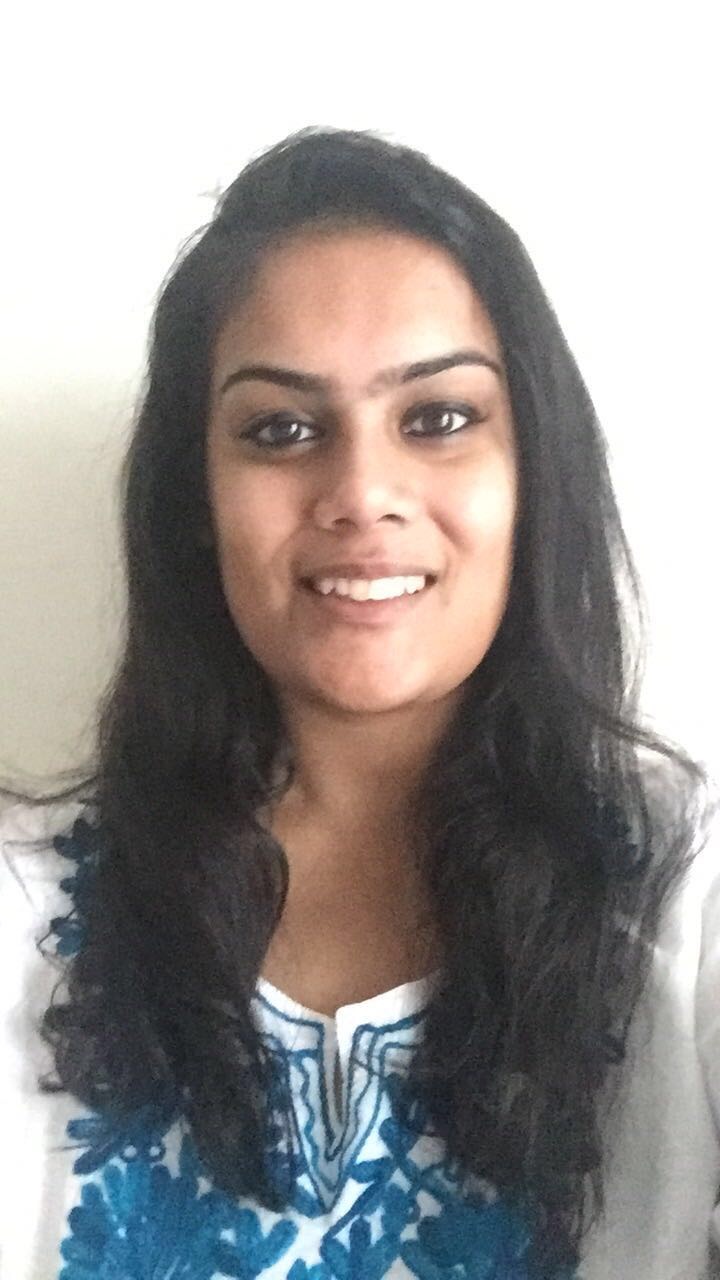
Ragini Puri
BA History and Politics, 2020
Based in:
New Delhi, India
Came to study at Warwick from:
India
First job:
News editor
Ambitions for the future:
In the future, I hope to continue growing and gaining experience within the development sector, particularly in work centred on gender equality and women’s rights. I am especially interested in exploring how different development issues such as education, health, political participation, and economic empowerment are experienced differently across genders and social contexts.
I would like to continue learning from communities, practitioners, and researchers, while deepening my understanding of intersectional and feminist approaches to development. Over time, I also hope to take on roles that allow me to contribute more strategically to programme design, research, and advocacy.
Beyond my professional goals, I would eventually like to write a book inspired by my experiences in the sector. Through it, I hope to reflect on the realities of development work, the lessons I have learnt from communities, and the broader questions around gender, inequality, and social change.
Gender Equity Programme Officer for a national non-profit organisation.
Describe your current role and what attracted you to it.
I currently work at a feminist non-profit organisation that designs and implements development programmes for women and girls from some of the most marginalised communities. Our work spans several critical areas, including supporting adolescent girls to complete their education, preventing and responding to gender-based violence, and advancing sexual and reproductive health and rights.
In my role, I primarily work on proposal development and fundraising, writing grants and concept notes for national and international NGOs to secure funding for these programmes. This has allowed me to develop a strong understanding of the development sector, donor engagement, and the importance of sustainable funding in creating long-term social impact.
What attracted me most to this role was the organisation’s feminist values and leadership. The organisation is deeply committed to gender equity not only through its programmes, but also within its own structure, with more than half of the senior leadership and board comprising women. Working in an environment that actively adopts the principles it espouses has been especially meaningful to me.
What’s your favourite part of the role?
My favourite part of my role is the opportunity to interact with women and girls from different age groups and communities. These interactions have given me valuable insight into both the shared challenges they face, and the unique realities shaped by their social, economic, and cultural contexts.
I particularly value the process of translating these on-ground realities into proposals and funding applications. It is important to me that the voices, experiences, and needs of the communities we work with are represented accurately and thoughtfully in our work. Knowing that strong proposals can help secure resources for meaningful programmes makes the role especially fulfilling.
What are the key skills you learnt at Warwick that have helped you with your career to date?
One of the key skills I developed at Warwick was the ability to translate complex ideas into clear and accessible writing. This has been especially valuable in my current role, where I regularly work on proposals and reports that require presenting nuanced social issues in a way that is both compelling and easy to understand for different audiences.
Warwick also helped me strengthen my networking and interpersonal skills. Through group work, events, and interactions with people from diverse academic and cultural backgrounds, I became more confident in building professional relationships and collaborating with others.
Additionally, my experience as an international student taught me how to communicate effectively with people from different communities and backgrounds. Being part of such a diverse environment helped me develop cultural sensitivity and the ability to engage with a wide range of perspectives.
Did you have a specific career path in mind when you chose to study at Warwick?
I was conflicted between journalism and development.
What top tips do you have for Warwick graduates who would like to work in your sector?
One of my biggest pieces of advice for Warwick graduates interested in working in the development sector is to invest time in understanding local contexts and community realities. Development work cannot take a one-size-fits-all approach, and meaningful interventions require listening to communities, understanding their lived experiences, and recognising the social, cultural, and political factors that shape their circumstances.
I would also emphasise the importance of staying humble and not approaching communities from a top-down perspective. The people we work with are experts in their own lives and experiences, and development practitioners have a responsibility to engage with communities respectfully and collaboratively rather than assuming they know what is best. Building trust and learning from communities is just as important as bringing technical knowledge or professional expertise.
The “do no harm” principle is another key philosophy in the sector. It is essential to approach development work with sensitivity, self-awareness, and an understanding of the unintended consequences that programmes or interventions can sometimes create. Ethical engagement, accountability to communities, and respect for people’s agency should always remain at the centre of the work.
Finally, I would encourage graduates to stay open to continuous learning. The sector is constantly evolving, and some of the most valuable lessons come from engaging directly with communities and practitioners in the field.
What do you know now that you wish you had known when you were applying for jobs?
One thing I know now that I wish I had understood earlier is that having strong skills and experience is important, but being visible is equally important. When I was applying for jobs, I spent a lot of time creating strong CVs and cover letters, but I was often less confident when it came to speaking about myself during interviews. Over time, I realised that communicating your skills, experiences, and achievements verbally is just as important as presenting them well on paper.
I have since realised that professionally presenting and marketing yourself is not arrogance – it is an important part of building a career. Whether through networking, LinkedIn, applications, or interviews, being able to articulate your work and the value you bring can create opportunities that might otherwise be missed.
I would encourage graduates not to shy away from speaking about their accomplishments and interests with confidence. Often, people will not know what you are capable of unless you are willing to share it.
What should current students or recent alumni be doing to move their careers forward?
Current students and recent alumni should focus on staying active and continuously building experience. Growth comes from doing. No opportunity is too small, and every experience contributes to developing skills, confidence, and clarity. At the same time, it’s important to be intentional about your career path. This means reflecting on your goals, making thoughtful choices about the opportunities you pursue, and aligning your efforts with the direction you want to grow in.