
Samantha Liu: Lead Research Scientist
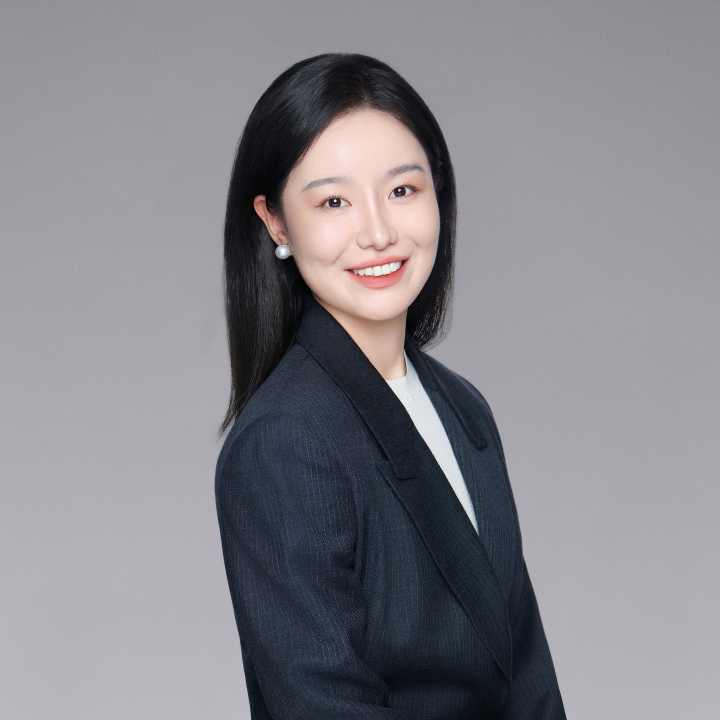
Dr Samantha Liu
MSc Analytical Science and Instrumentation, 2020; PhD Chemistry, 2024
Based in:
Daresbury, UK
Came to study at Warwick from:
Canada
First job:
Research Fellow
Best piece of advice received:
A lot of women tend to underestimate themselves. The best advice I’ve been given is to be more confident in your abilities and to speak up and express your opinions.
Strangest interview question:
If your PhD supervisor had to describe you in one word, what would it be?
Ambitions for the future:
I would like to continue developing within the company, building a stronger combination of scientific and leadership responsibilities. Over time, I am keen to move into a role with greater decision-making influence, where I can contribute strategically while still supporting and mentoring others.
Lead Research Scientist, Croda Europe Ltd
Describe your current role and what attracted you to it.
My current role is focused on R&D, where I develop active ingredients based on business and customer needs, particularly for consumer care applications. I have always been drawn to research with real world impact, and the projects I worked on from my MSc through to my postdoctoral research were consistently application focused. I had been aware of Croda for some time and used their products during my PhD research. Even before I officially started my PhD, my supervisor introduced me to the company and shared information about one of their products, which made Croda a natural and appealing place for me to build my career.
What’s your favourite part of the role?
I have enjoyed supervising students since my PhD, which sparked my interest in designing and leading research projects. In my current role, I particularly value supervising graduate trainees and industrial placement students and collaborating with their academic supervisors across different universities.
What are the key skills you learnt at Warwick that have helped you with your career to date?
Warwick helped me develop strong scientific communication and project management skills. Frequent opportunities to present my work, along with the freedom to manage my own research projects, helped to build my confidence and prepare me for an industry research environment.
Did you have a specific career path in mind when you chose to study at Warwick?
I did not have a specific career path in mind when I chose to study at Warwick. However, attending careers events and learning about the wide range of roles available to chemistry graduates helped broaden my perspective.
What top tips do you have for Warwick graduates who would like to work in your sector?
Graduate schemes can be a great way to develop both technical and non-technical skills, even though they can be competitive. I would also encourage students to attend conferences and networking events where possible, as speaking directly with people in industry can be extremely valuable when exploring different companies and career paths.
What does a typical day look like for you?
My day usually involves planning and carrying out lab work, looking at results, and catching up with students to support them with their projects. I also have meetings with colleagues throughout the day and try to fit in short office yoga sessions before lunch with my team to keep a good work life balance.
What has been your greatest career challenge to date and how did your experience and skills help overcome it?
One of my biggest challenges was transitioning from academic research to an industrial environment. This involved adapting to tighter timelines, more frequent communication with colleagues without a scientific background, and projects driven by business goals. Being flexible, strengthening my communication skills, and quickly learning new areas such as plant trials and pilot scale reactions helped me adjust and succeed in this role.
What do you know now that you wish you had known when you were applying for jobs?
I now know that being rejected from a role does not reflect my ability, but often how well suited I was to that specific position. Going through the application and interview process helped me understand what I was looking for in a role and showed me that choosing a career is a two‑way process between you and the company. The most important thing is to keep trying, stay resilient, and show how motivated you are and how much you want the role.
What should current students or recent alumni be doing to move their careers forward?
I would encourage students to explore a range of opportunities, including placements, graduate schemes, and networking events. Being proactive, building experience, and speaking to people already working in roles you are interested in, and writing a strong CV and cover letter can all make a big difference when moving your career forward.