
Yuting Yang: Curator
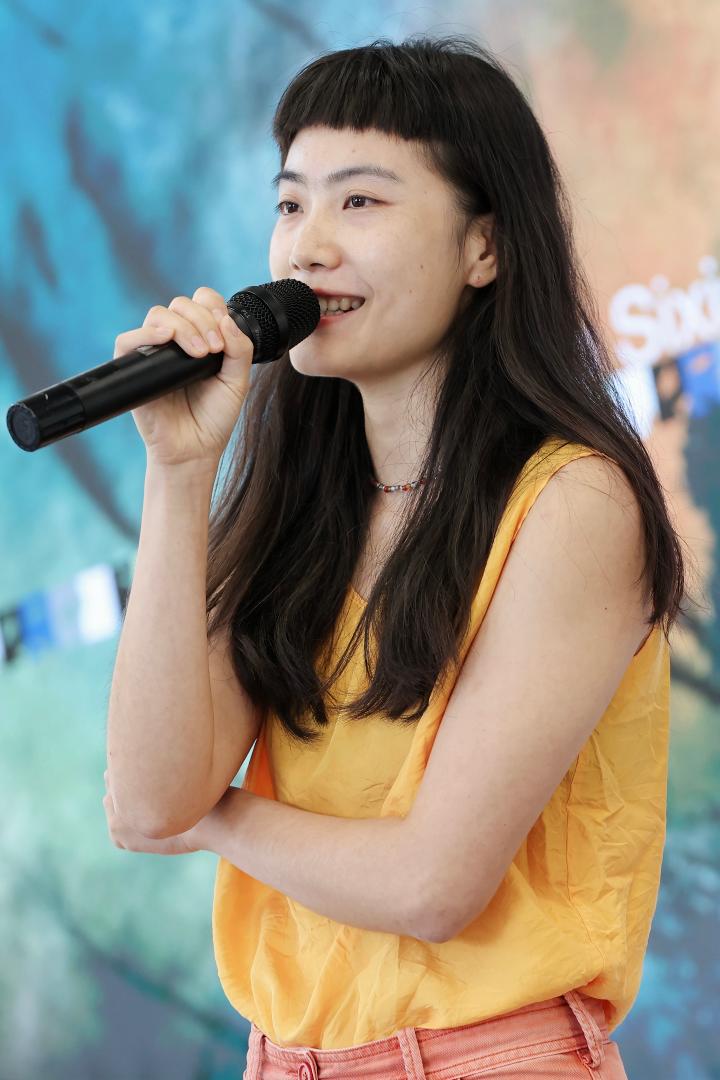
Yuting Yang
MA Arts, Enterprise and Development, 2020
Based in:
Chengdu, China
Came to study at Warwick from:
China
Strangest interview question:
“What do you think ‘art’ is?”
Advice to current students:
Take action. Do the things you believe you should do. Even as an independent individual, you can still make things happen.
Curator at A4 Art Museum and Head of the A4 Archive Center
Describe your current role and what attracted you to it.
Working with diverse creative artists and cultural practitioners, exchanging ideas, building connections, and having genuine conversations. It pushes me to be a more open-minded, proactive, and critically independent person.
What’s your favourite part of your role?
Discussing exhibition ideas with artists. The process involves sharing different imaginings of the exhibition, negotiating, compromising, and trying to understand what is really going on in the artist’s mind.
What are the key skills you learnt at Warwick that have helped you with your career to date?
The way of thinking I developed at Warwick is still very useful to me today. During my time at Warwick, I met many cultural practitioners from different fields – including professors and invited guests – who shared both their working experiences and the thinking behind their work.
Everyone had a completely different way of approaching work, and through that, you could see their values and attitudes towards life. That really inspired me.
In my current work, I often collaborate with people from the global art world, and my experience at Warwick helped me develop the ability to communicate with people from very different cultural backgrounds.
Did you have a specific career path in mind when you chose to study at Warwick?
Actually, no. I chose the programme based on my interests at the time.
What top tips do you have for Warwick graduates who would like to work in your sector?
When you first enter the art world – whether through an internship or a full-time job – try to push beyond the boundaries of your job description as much as possible. If there’s something you want to do, even if it’s technically not part of your role, find a way to make it happen.
The first few years of career exploration are about spending time trying many different kinds of practice. Through that process, you slowly discover which parts of the work you truly enjoy and what you’re good at. It’s how you find a more specific and lasting passion.
What does a typical day look like for you?
During exhibition preparation periods, I usually start working around 9am at home or in a café. It’s at this time I focus on text-based work — writing, curating, editing, e-mails, and so on.
Early afternoon, I go to the museum and begin more collaborative work with the team — meetings with artists about exhibition plans, discussions with the museum team about production, installation, and publicity, and conversations with contractors about technical details of the setup. I’m usually following the progress of several exhibitions planned across the next two years at the same time.
During installation periods, I’m almost at the exhibition site from morning until night — sometimes staying up very late — working with artists and installers to make sure the exhibition is realised as we imagined it.
In addition, I spend around two or three days each month visiting artists’ studios or production sites to learn more about their creative process and ideas. Every month, I also organise two or three public art events or programmes that create opportunities for audiences to meet, talk with, and interact with artists and creative practitioners.
Outside of work, I’ve become friends with many of the artists I collaborate with. During holidays, we share our lives together, we’ve even been travelling!