
Quickfire Questions: Tony Thomas-Kurisinkal
Why did you choose Warwick?
Not the Hollywood story you'd expect to read — I almost never did at all! I was part of the COVID A-level cohort; my teacher-assessed grades were downgraded by the government's postcode-based moderation system that year, and I was left without any offers.
At an almost total loss, my cousin, of all people, rang me: "You're not picking up on results day, so you or whoever messed up. You don't rule the world, so accept it and move. Go on clearing, scour through everything, call different universities to see what courses interest you, and do all the research and deciding for your next three years in three hours."
I'd never been anywhere near the West Midlands. But I found Warwick was running an English and History course that sounded incredible. It combined two disciplines to explore texts spanning wildly different eras and worlds, from 21st-century neoliberal American literature to early postcolonial writing to the history of Mexico, and so much more. The focus was self-discovery, not staying locked into tradition or "high culture" the way most courses seemed to.
I phoned up, and the representative on the line was one of the friendliest, most enthusiastic people I spoke to that day. "We're just a bunch of hippy nerds who take our intellectual addictions seriously" — I felt seen instantly. One space was left, and I confirmed it five minutes before clearing closed. I remember the person who picked up the phone like it was yesterday: "Congrats! I think this call might have just changed your life."
My firm choice called me back a few days later. I turned them down.
What are you doing now?
Project Delivery, Civil Service Fast Stream
What motivates you to do what you do?
I don't fit anything near the archetype of a Fast Streamer. I'm a wheelchair user, British Indian, a proud East Ender, and the son of retail assistants who work hard, day in and day out, to give me the life I have. From the NHS healthcare that kept me alive to the schools that taught me and the roads that got me there, I realised that people I didn't know, every day, contributed to a society much larger than myself that made my life possible. They gave me a chance to live.
That's what almost entirely defines this Project Delivery Fast Stream. It's a training programme on how to implement, and eventually oversee, the government's biggest agendas, from railways to green energy infrastructure, so millions of lives are incrementally improved through the years.
When I'm retiring one day and, on my way out, I want to physically point to what I spent my life doing. I do not want to point to money, infamy, or increased stock prices. Railways, schools, benefit systems — that's what I want to point to, systems that let future generations feel like citizens who are seen, with happier, untroubled youths many once never had. They will never need to know my name, but knowing I built it is all the motivation I will ever need.
How has your time at Warwick influenced what you do now?
Before Warwick, I didn't know what project delivery even was. While interns elsewhere were fetching coffee or navigating office politics for a few months, Warwick made me the student Project Officer for the University's largest-ever educational review. The interviewer's words have stayed with me since: "You might not have the experience, but you have a spark that can't be taught." Applying for that job remains one of the best decisions I've ever made.
As well as teaching me the hard skills of an early-career professional while still studying, Warwick taught me that the best initiatives are built through conversations that cut through hierarchy, creating systems closely aligned to the people they serve. From academics to policy consultants, external reviewers, and local government, I had the simple pleasure of speaking with radically different people — and having a real voice to reply with.
My English and History degree, then History MA, trained me to read, understand, and form my own argument on almost anything. Graphic novels, bureaucratic reports, photographs, interviews, mood boards – you name it, I devoured it. Understanding radically different kinds of information is vital in project delivery, and that training made it second nature.
Perhaps most importantly, I would never have even applied without Kay Brown, my careers advisor at Warwick. She believed in me when I didn't believe in myself, cutting through my mistakes to find and hone my real spark. As she ended her own long, acclaimed career, she started mine, and I'm honoured to have been part of her swansong.
What is your favourite memory?
During my third year, I submitted an essay I deeply cared about and was writing for weeks – I didn’t even think about my marks but perfectly said what I wanted to say. Hungry after skipping lunch, I ordered a whole platter of Nando’s, got drunk on a few cheap beers, and listened to my favourite Kings of Leon album at 2am outside Bluebell accommodation, looking at a clear full moon and beautiful night sky. I understand this is not a case of meeting your best friends or the partner you would go on to marry, like most stories. Rather, for the first time in life, I’d finally felt like I found my voice, and something that fully gripped me intellectually, down to my core. I learnt to only commit myself to things that genuinely moved me, and knowing there were things out there for me, waiting to be discovered, was incredibly freeing. I've never looked at a night sky the same way since.
Best thing about the Warwick community?
Most universities ranked similarly to Warwick pride themselves on an elite, exclusive history so their communities and identities carry a deep, entrenched hubris. Only at Warwick can you say, "Yes mate, I'm going down the Co-op to get milk," and end up in an incredible conversation with someone from halfway across the world you could otherwise never imagine meeting, spot a world-class research seminar on the noticeboard next to it, or find a job vacancy to help change the University itself.
In other words, the best thing about the Warwick community is that it's like having the world at your doorstep — a hub of international thought that never declares itself. You can always step into it, find your own voice, and even change it. I personally went from drop-in talks ranging from Chinese ceramics to British political strategy, to working on jobs as an equal partner alongside senior leaders on University inclusion. There's always something to get lost in; you can decide what that is, and there is no hierarchy stopping you.
At Warwick, having some of the world's best conversations and thinking is the sole focus and just normalised, everyday stuff. No braggadocio, no old robes — just bring your coffee flask if you need one.
Favourite place on campus?
The gardens behind Bluebell 2. Every summer Sunday morning, I'd get up early with a full flask of tea, watch the sun rise gently over campus, and listen to the band Cigarettes After Sex while most people were still asleep, or simply walked past a beauty they never noticed. A quiet serenity I've never quite found anywhere else I've been.
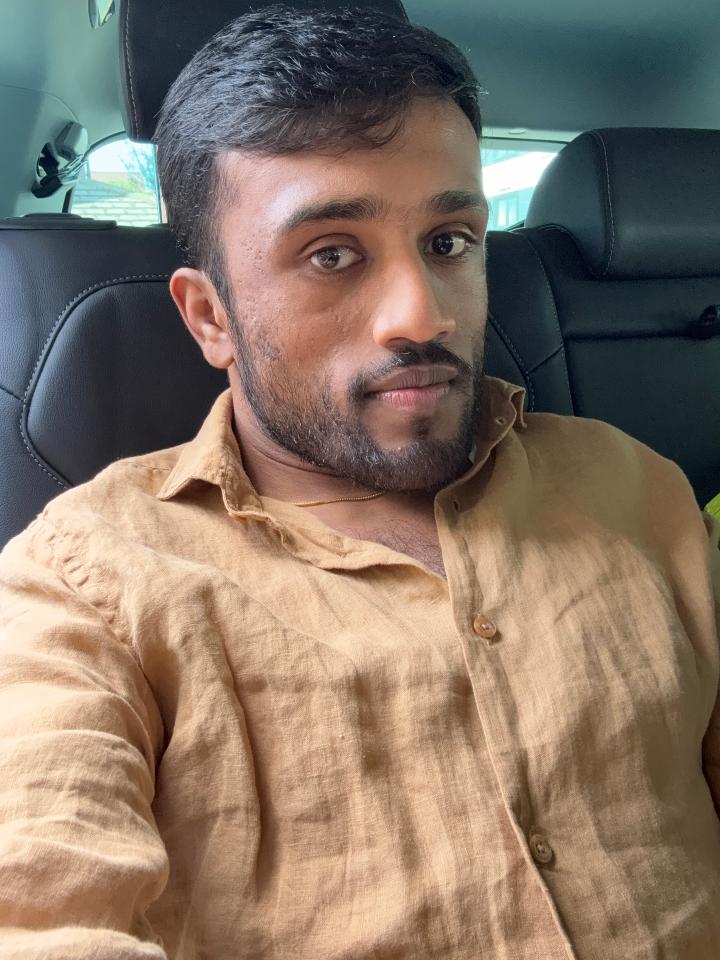
Tony Thomas-Kurisinkal
BA English and History, 2024; MA History, 2025