
Article review
The first assignment for Europe in the Making is to write a 1000-word (exclusive of footnotes) critical review of a classic scholarly article.
See here for a list of articles to choose from. You may use an article not on this list, but only after consulting your seminar tutor.
You will need to read at least two more recent scholarly works to support your review. You can find these more recent works by...
searching for other articles and chapters on the same topic on the Warwick library catalogue
reading the most recent piece of scholarship you can find on the topic, and looking for references to other works on the same topic
finding the article on a scholarly database that gives a 'cited by' list - for example, JSTOR can be access through the library's database list
The main aim of the article review is to show that you can reflect critically on a piece of academic historical writing. You should cover as many of the following points as you can:
what is the subject matter of the article? What are the main people, events, times and places the article covers? What are the main claims being defended in the article?
how does the article situate itself in a broader literature? Does it refer to an existing debate in the field? If so, how does it seek to change the way other historians have understood the issue?
how does the argument work? How does the author make their case? How does the argument unfold in the course of the article? Which primary sources does the author use? Why do they choose those sources, over all the other possible sources on the topic?
what are the strengths and weaknesses of the author’s argument? Are their main claims clear, or ambiguous? Do they exaggerate, or go beyond their evidence? Have they read their evidence correctly? Are there important aspects of their topic that they have left out?
how has the article been received since publication? What have other scholars said about it? What new research has been conducted on the specific topic covered in the article? How has this new research challenged or augmented the argument in the article?
The inspiration for this assessment are the reviews of historians’ work that constitute regular features of many academic journals, such as English Historical Review, History or Renaissance Quarterly. These are nearly always reviews of complete books, rather than of articles, though the basic principles of the exercise are much the same.
The review should...
include, before the main text, the author, title, article/chapter title, journal, and year of publication
be written as a piece of continuous prose, divided into paragraphs
have a short introduction (to set the scene) and conclusion (to sum up)
be written for historians in general, not just for specialists on the topic under discussion
use footnotes for quotes, data, and ideas that you have found in secondary sources
reference quotations from the article under review with bracketed page numbers in the main text of your review, eg. 'quotation, quotation' (pp. 23-4)
reflect the standard assessment criteria for written work in the History department
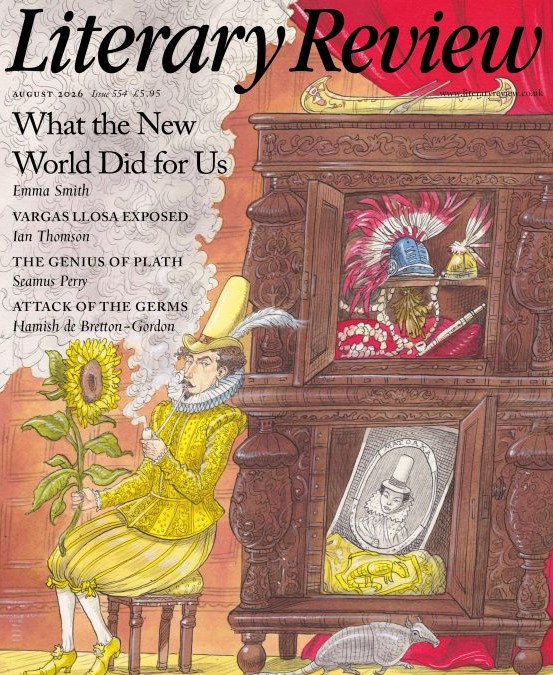
The cover features a recent book on the early-modern Atlantic: Lauren Working, A Golden World: How the Americas Transformed Renaissance England, published by Faber in July 2026.