
From Warwick Medical School to Women's Health Advocate: My Career Journey
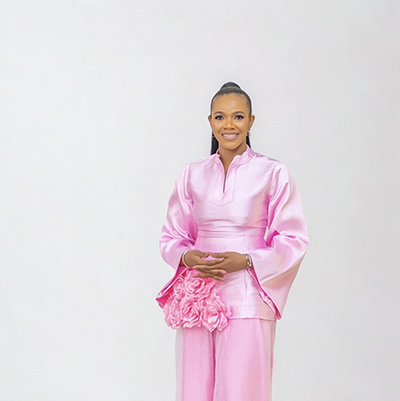
Dr Odi Nwodo
MB ChB 2015
I graduated from Warwick Medical School in 2015 after studying an undergraduate Biomedical Science degree at King's College London. I chose Warwick for its accelerated graduate-entry programme and its strong reputation.
I arrived expecting the workload to be intense. I had always done well academically but studying medicine challenged that. It taught me that success isn't always about working harder but about finding different ways to learn. Looking back, that was one of the most valuable lessons Warwick taught me and it's a skill I've carried throughout my career.
One of my strongest memories of Warwick is the sense of community among medical students. I also appreciated how quickly we were exposed to clinical environments. The transition into clinical placements came early and helped bridge the gap between theory and practice.
When I graduated, I wanted to become a breast surgeon. I completed my Foundation Training with that goal in mind, initially staying in the West Midlands and later, moving back to London to be closer to family. There I continued pursuing a surgical career, eventually entering specialist urology training. When my father became seriously ill, I wanted to be able to help care for him. After exploring a range of options, including urology, radiology and general practice I chose to become a GP.
Although general practice wasn't something I had originally imagined for myself, it opened opportunities I hadn't previously considered. It gave me the flexibility to pursue multiple interests and discover new areas of medicine. Through additional training, conversations with colleagues and exploring different specialties, I found myself drawn towards women's health and, in particular, menopause care.
Women's health had always been close to my heart. Alongside my NHS work, I've been involved in charitable projects in Nigeria focused on maternity care, and over time I became increasingly aware of the inequalities women face when trying to access healthcare. Menopause care became a particular passion because I could see both the growing awareness among women and the ongoing gaps in support and education.
Today, I work as both a GP and a menopause specialist in London. I deliver talks across the UK and in Nigeria to raise awareness, particularly among ethnic minority communities, where conversations about menopause have historically been limited. My work is focused on helping women understand their options, empowering healthcare professionals with better knowledge and reducing inequalities in access to care.
Looking ahead, my ambitions are centred on creating change at a grassroots level. I want to continue tackling health inequalities in women's health, both in the UK and internationally. With my Nigerian heritage and established networks there, I hope to build a larger platform that will allow me to develop educational programmes, partnerships and initiatives that reach more women and communities.
If there's one piece of advice I'd give to anyone considering medicine, it's to understand your "why". Medicine is an incredibly rewarding career, but it requires commitment, resilience and curiosity. Speak to people who have been through it. Ask questions. Learn about the realities as well as the opportunities. Most importantly, be open-minded.
My own journey has taken me from aspiring surgeon to GP, educator and advocate for women's health. It shows that a medical degree can open doors you never knew existed and that sometimes the most meaningful careers are the ones you don't plan for.
Dr Odi Nwodo