
WMG News - Latest news from WMG
Battery life for wearable electronic devices could be improved with design considerations to stress asymmetry clues in cylindrical battery cell formats
Researchers in WMG and the Department of Physics at the University of Warwick have found that asymmetric stresses within electrodes used in certain wearable electronic devices provides an important clue as to how to improve the durability and lifespan of these batteries.
Batteries for medical applications and wearable devices continue to evolve in size and shape, with miniaturisation of Li-ion technologies becoming increasingly popular. However, as the size of the battery shrinks, the fabrication process for composite electrodes and the use of liquid electrolyte is becoming a processing challenge for microfabrication using conventional approaches.
 Lithium cobalt oxide LiCoO2 (LCO) has remained a common choice of cathode for these small formats due to its high voltage platform and energy density. However, following the initial reported performance benefits of LCO, it is known that LCO cells have large impedance issues due to the growth of high surface layer resistance and charge transfer resistance. This can affect how efficiently the battery charges and discharges. There are also ethical and health considerations around the use of the element cobalt. The increasing impedance was thought to be attributable to the growth of a surface layer on both the anode (solid electrolyte interface, SEI) and cathode (cathode electrolyte interface, CEI) due to the reaction between the electrodes and the electrolyte.
However, in the paper “Ageing analysis and asymmetric stress considerations for small format cylindrical cells for wearable electronic devices” published recently in the Journal of Power Sources, the University of Warwick’s WMG and Physics department researchers disassembled these cells. They have found that and the condition of the cathode and anode varied greatly after 500 cycles, as a function of which side of the current collector it was on.
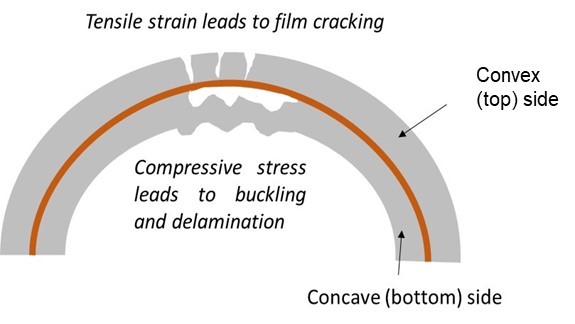
The inward facing cathode (under compression) when rolled into a jelly-roll, develops significant signs of coating delamination from the aluminium foil. On the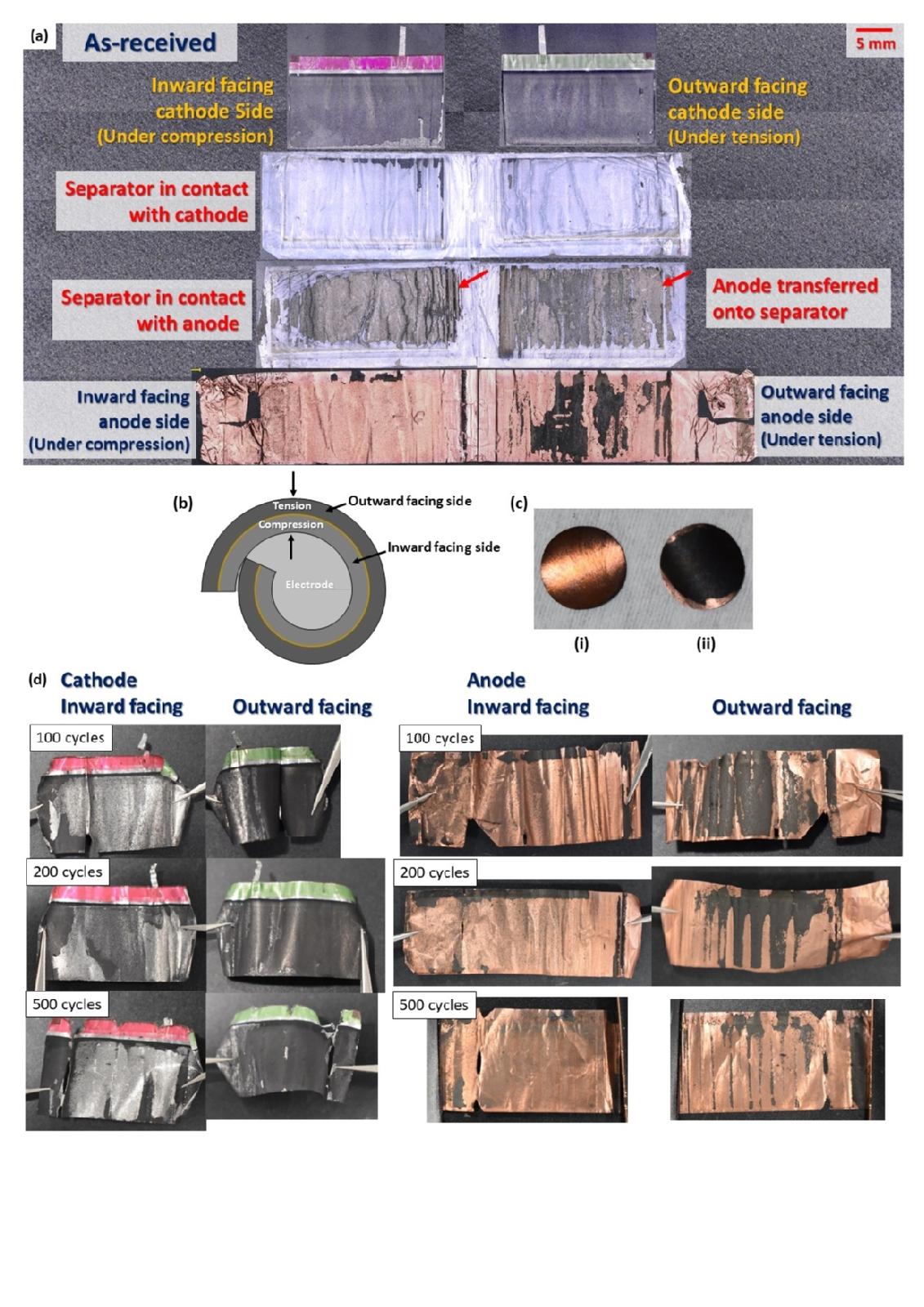 outward facing cathode side (under tension), however, only a partial delamination was evident and the coating was transferred unto the separator. By contrast, severe delamination was observed on both sides of the anode coating. The inward facing anode side (under compression) showed almost no coating still adherent to the copper foil, compared to the outward facing anode side (under tension). Likewise, the delaminated coating had become adhered to the separator during operation.
Dr Mel Loveridge from WMG, University of Warwick comments:
“It is interesting to note that, for both the cathode and the anode, the delamination is more severe on the electrode coating side that would have been subjected to compression stress, rather than tensile strain. This can be further explained by considering the asymmetric forces in place on either side of double side coated electrodes.”
The research team also carried out electrochemical testing, X-ray photoelectron spectroscopy (XPS), X-ray computed tomography (XCT) and scanning electron microscopy SEM), to reveal the battery’s structural features and changes. They found that it maintains 82% cell capacity after 500 continuous charging and discharging, after which it shows severe delamination due to high bending stress exerted on the cell components. However this seemingly has minimum impact on the electrochemical performance if the coating is sufficiently compressed in the jelly roll with a good electrical contact. After ageing, the surface layers continue to grow, with more LiF found on the cathode and anode.
Their research opens up exciting areas in battery manufacturing to address winding issues for cylindrical cells (especially miniaturised formats). For example, highlighting the need to understand whether there is merit in varying the coating properties on each side of double-sided coating for wound cylindrical cells, in order to improve the mechanical resilience of coatings that have asymmetric stresses exerted on them.
ENDS
25 AUGUST 2020
NOTES TO EDITORS:
Paper available to view: https://www.sciencedirect.com/science/article/abs/pii/S0378775320309307?via%3Dihub
High-res images available at:
https://warwick.ac.uk/services/communications/medialibrary/images/july_2020/wearable_image.jpg
Caption: An image demonstrating the stresses to anodes and cathodes after cycles.
Credit: WMG, University of Warwick

https://warwick.ac.uk/services/communications/medialibrary/images/july_2020/mel_l.jpg
Caption: A diagram of how tensile strain leads to the film cracking
Credit: WMG, University of Warwick

The full research team on the paper were:
Ageing analysis and asymmetric stress considerations for small format cylindrical cells for wearable electronic devices C.C. Tan, Marc Walker, Guillaume Remy, Nadia Kourra, Faduma Maddar, Shaun Dixon, Mark Williams and Mel Loveridge.
For further information please contact:
Alice Scott
Media Relations Manager – Science
University of Warwick
Tel: +44 (0) 7920 531 221
E-mail: alice.j.scott@warwick.ac.uk
C3-Cloud: the digital coordinated care platform of the future
- The C3-Cloud could be the future for supporting coordinated care across GPs, hospitals and specialties
- The novel solution would benefit patients with multiple conditions who are most in need of a holistic care plan
- It has been recognised by the European Innovation Radar as ‘tech ready’ and could be used to support remote care, not only in everyday use but also in the current and future pandemics
Typically, when a patient is receiving care from GPs and Hospitals, these are normally uncoordinated and the patient is often presented with conflicting advice, or clinicians are required to assess patients without access to all of the patient’s relevant history, often making care fragmented and inefficient, particularly for an ageing population who may have multiple conditions and need care from multiple specialists and stakeholders.
Healthcare has seen an explosive growth in the amount of data produced, which has led to more data driven and evidence based protocols. However, this has also presented challenges as data can become locked in silos or to particular vendors, limiting their availability for reuse, dissemination and potential to improve patient outcomes.
However, C3-Cloud (collaborative cure and care system) is a digital infrastructure offering integrated care capability for multi-morbidity management. It enables collaboration across a number of healthcare systems and settings, allowing clinicians to semi-automatically generate a holistic personalised care plan, which offers an integrated view of the patient’s conditions, measurements, medication and goals.
Patients and their multi-disciplinary care team can collaboratively create, review and edit the plan, empowering the patient to make decisions about their care. The care plan personalisation process is supported by a Clinical Decision Support module, implementing over 500 rules, consolidating and reconciling multiple clinical practice guidelines of common comorbidities (for example, diabetes, heart failure, renal failure and depression). The system accommodates local organisational aspects such as roles, as well interoperability to existing systems, it is currently deployed in three pilot sites in the UK, Spain and Sweden, integrating with their health systems and supporting coordinated care.
The C3-Cloud technology is flexible enough to support other conditions, including supporting remote management generally, which can be applied to situations, such as in the current COVID-19 pandemic. The project has recently investigated plans for deployment in such pandemic scenarios.
Professor Theo Arvanitis, the C3-Cloud project co-ordinator from the Institute of Digital Healthcare at WMG, University of Warwick comments:
“As the world develops and becomes more digital it is essential our healthcare system does too. With an ever growing population and life expectancies increasing it’s important to make a digital healthcare system that works for everyone and that is what the C3-Cloud does.
“Not only does the C3-Cloud work across all systems, it can recommend treatments for patients with multiple health problems, which is helpful when someone is seeing multiple care outlets such as their GP and local hospital for different care needs.
“Our first pilot has taken place, and with the European Innovation Radar identifying C3-Cloud’s key components as tech ready, our next step is to expand this to large scale trials in multiple countries, this could lead to an enrolment in the system, and if there’s ever a pandemic like Covid-19 again different strategies for people with different health problems could be deployed rapidly.”
NOTES TO EDITORS
High-res images available to view at:
https://warwick.ac.uk/services/communications/medialibrary/images/april2020/theoarvanitis.jpg
Professor Theo Arvanitis, Institute of Digital Healthcare, WMG, University of Warwick
Credit: WMG, University of Warwick
https://warwick.ac.uk/services/communications/medialibrary/images/july_2020/c3-cloud_logo.jpg
Caption: C3-Cloud Logo
Credit: WMG, University of Warwick
https://warwick.ac.uk/services/communications/medialibrary/images/july_2020/c3-cloud-infographic.jpg
Caption: C3-Cloud Platform
Credit: WMG, University of Warwick
C3-Cloud introductory video to the public at youtube channel:https://www.youtube.com/watch?v=Y3K_lUQkupg
C3-Cloud Website
C3-Cloud website
C3-Cloud @European Innovation Radarhttps://www.innoradar.eu/resultbykeyword/c3-cloud
Aquatic robots can remove contaminant particles from water

Corals in the Ocean are made up of coral polyps, a small soft creature with a stem and tentacles, they are responsible for nourishing the corals, and aid the coral’s survival by generating self-made currents through motion of their soft bodies.
Scientists from WMG at the University of Warwick, led by Eindhoven University of Technology in the Netherlands, developed a 1cm by 1cm wireless artificial aquatic polyp, which can remove contaminantsfrom water. Apart from cleaning, this soft robot could be also used in medical diagnostic devices by aiding in picking up and transporting specific cells for analysis.
In the paper, ‘An artificial aquatic polyp that wirelessly attracts, grasps, and releases objects’ researchers demonstrate how their artificial aquatic polyp moves under the influence of a magnetic field, while the tentacles are triggered by light. A rotating magnetic field under the device drives a rotating motion of the artificial polyp’s stem. This motion results in the generation of an attractive flow which can guide suspended targets, such as oil droplets, towards the artificial polyp.
Once the targets are within reach, UV light can be used to activate the polyp’s tentacles, composed of photo-active liquid crystal polymers, which then bend towards the light enclosing the passing target in the polyp’s grasp. Target release is then possible through illumination with blue light.
Dr Harkamaljot Kandail, from WMG, University of Warwick was responsible for creating state of the art 3D simulations of the artificial aquatic polyps. The simulations are important to help understand and elucidate the stem and tentacles generate the flow fields that can attract the particles in the water.
The simulations were then used to optimise the shape of the tentacles so that the floating particles could be grabbed quickly and efficiently.
Dr Harkamaljot Kandail, from WMG, University of Warwick comments:
“Corals are such a valuable ecosystem in our oceans, I hope that the artificial aquatic polyps can be further developed to collect contaminant particles in real applications. The next stage for us to overcome before being able to do this is to successfully scale up the technology from laboratory to pilot scale. To do so we need to design an array of polyps which work harmoniously together where one polyp can capture the particle and pass it along for removal.”
Marina Pilz Da Cunha, from the Eindhoven University of Technology, Netherlands adds:
“The artificial aquatic polyp serves as a proof of concept to demonstrate the potential of actuator assemblies and serves as an inspiration for future devices. It exemplifies how motion of different stimuli-responsive polymers can be harnessed to perform wirelessly controlled tasks in an aquatic environment.”
Warwick Moto’s electric superbike build racing ahead despite lockdown
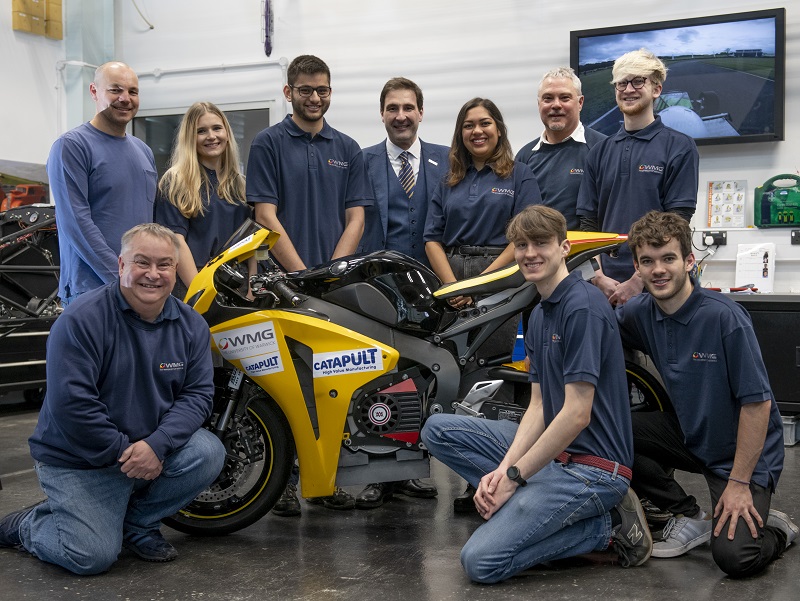 Warwick Moto team, consisting of 25 Warwick students aren’t letting the pandemic get in the way of designing, building and developing the electric superbike, as they’re doing it virtually from home.
It was hoped that the Warwick Moto team would see their electric superbike Aurora race this summer with racer Tom Weeden racing it for them. Although plans are on hold due to the current pandemic, students have tried to make the most of their time during lockdown by carrying out virtual meetings to progress on the project as a whole.
Meeting online, the 25 students from a range of Departments including: WMG, School of Engineering, Computer Science, Physics and Maths have redesigned a vital part of the superbike chassis, the subframe.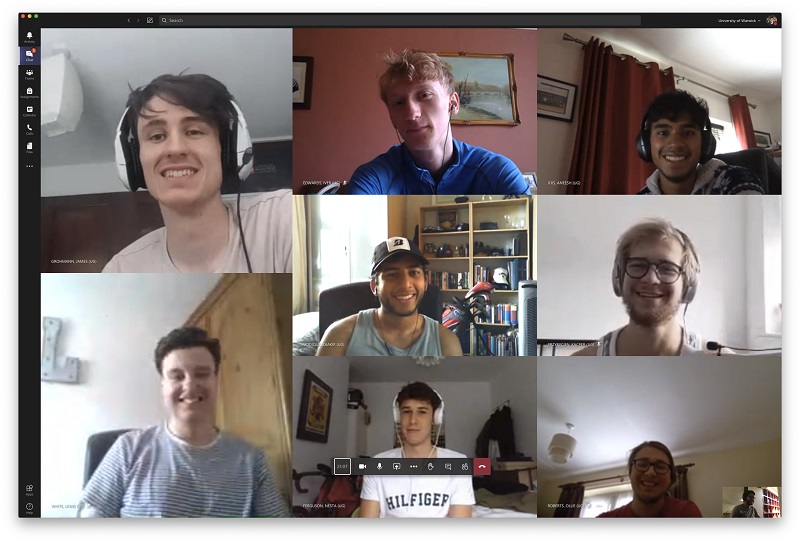

The subframe is an integral part of the motorcycle geometry, therefore, has an impact on handling characteristics of the superbike by defining the seating position of the rider. The subframe for Aurora will also package a critical powertrain component, the inverter for the 3-phase 150 kW (200 bhp) electric motor along with some low voltage components.
The team utilised previously gathered data from the strip, measure and weigh activities performed in November 2019 before lockdown, with the help of the metrology team at WMG. This exercise enabled them to define the necessary constraints for the position of the subframe. They have managed to make it 1.5kg lighter than a stock Honda Fireblade subframe and roughly 300g than a racing one. It’s made using carbon fibre and aluminium parts as opposed to just aluminium, reducing weight and increasing the overall stiffness.
Nesta Ferguson and Aneesh Jois, two first year School of Engineering students, have led the design and engineering cycle behind the subframe while discussing ideas, constraints and risks with the rest of the team through online meetings.
Aman Surana, a School of Engineering student and the Chief Engineer for the Warwick Moto team comments:

“We wanted to make the most out of lockdown and try to use this setback as an opportunity to enhance the bike instead. The team’s design intent was to create something simple, easy to assemble and the ability to be built off-site.
“The current global situation demands for concepts that can be built while maintaining social distancing, this new design helps us achieve that as it can be put together by a single person. As a result, we can utilise workshop time for other critical activities.
“We believe this concept could be used by other racing enthusiasts, as it’s made using stock carbon fibre tubes cut to size and bonded to aluminium joining nodes, where the contact surfaces have been sanded to increase bond strength and area. Moreover, it has the potential to be used on other parts of the superbike at a much lower cost than traditional composite only components.”
Having spent the last 3 months to continuously come up with various load-cases to simulate and optimise the subframe structure, the team have used techniques such as shape optimisation to minimise the amount of material used.

The team are still hoping to be able to test the bike in winter, as a competition between University teams is still hoping to take place early next year, however their long-term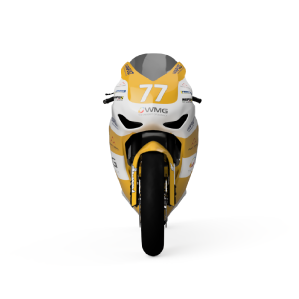 objective is to compete with a podium qualifying time at the Isle of Man TT 2022.
Rock West Composites are donating the raw material required for this concept along with advice to improve things like bond strength from their years of experience with composites. Xometry Europe have supported the team by providing on-demand manufacturing services that have enabled the manufacture of the joining nodes. The team will be able to assemble this concept off-site with the support of Rock West Composites and Xometry Europe.
Significant support from industrial partners such as High Value Manufacturing (HVM) Catapult team at WMG, MUPO Race Suspension, Michelin Tyre PLC, DYMAG Performance Wheels, MIVOLT, Demon Tweeks, SITRAmoto and Rajputana Custom Motorcycles have immensely helped the team, for which they would like to thank them all for.
To support the team making their first electric bike, you can sponsor them or donate to them here: https://www.justgiving.com/crowdfunding/warwickmoto
Follow their journey:
Instagram: https://www.instagram.com/warwick.moto/
Facebook: https://www.facebook.com/warwickmotoracing/
LinkedIn: https://www.linkedin.com/company/warwick-moto/
ENDS
5 AUGUST 2020
NOTES TO EDITORS
Video of the team during lockdown available to view at: https://www.youtube.com/watch?v=BLyj7fzbIw0&feature=youtu.be
FOR FURTHER INFORMATION PLEASE CONTACT:
Alice Scott
Media Relations Manager – Science
University of Warwick
Tel: +44 (0) 7920531221
E-mail: alice.j.scott@warwick.ac.uk
Virtual graduation summer 2020
 Congratulations to all of the brilliant WMG students who graduated, virtually.
Unfortunately the University’s traditional summer degree ceremonies were regrettably postponed due to the COVID19 pandemic. So, all students graduated in absentia until we can meet again, and hold our celebratory graduation ceremonies.
The University is working hard to reschedule the ceremonies on alternative dates later on in the 2020/21 academic year, and graduates will be notified when these have been arranged.
Graduating in absentia
This summer a total of 261 students from the Full-time Master’s and Part-time Postgraduate Programmes, including Master’s, Degree Apprenticeships and custom programmes, graduated from across WMG.
This was made up of 206 UK and 55 overseas students.
A further 22 graduated from the Postgraduate Research programme including 14 PhD, 7 EngD and one Master’s by Research students.
Find out more about all of WMG programmes here.
Consumers don’t fully trust smart home technologies
Smart home technologies are marketed to enhance your home and make life easier. However, UK consumers are not convinced that they can trust the privacy and security of these technologies, a study by WMG, University of Warwick has shown.
The ‘smart home’ can be defined as the integration of Internet-enabled, digital devices with sensors and machine learning in the home. The aim of smart home devices is to provide enhanced entertainment services, easier management of the home, domestic chores and protection from domestic risks. They can be found in devices such as smart speakers and hubs, lighting, sensors, door locks and cameras, central heating thermostats and domestic appliances.
To better understand consumer's perceptions of the desirability of the smart home, researchers from WMG and Computer Science, University of Warwick have carried out a nationally representative survey of UK consumers designed to measure adoption and acceptability, focusing on awareness, ownership, experience, trust, satisfaction and intention to use.
The article ‘Trust in the smart home: Findings from a nationally representative survey in the UK’ published in the top journal PlosOne reveals their results, with the main finding that the the business proposal of added meaning and value has not yet achieved closure from consumers, as they have highlighted concern for risks to privacy and security.
Researchers sent 2101 participants a survey, with questions to assess:
- Awareness of the Internet of Things (IoT)
- Current ownership of smart home devices
- Experiences of their use of smart home devices
- Trust in the reliability and competence of the devices
- Trust in privacy
- Trust in security
- Satisfaction and intention to use the devices in the future, and intention to recommend it to others
The findings suggest consumers had anxiety about the likelihood of a security incident, as overall people tend to mildly agree that they are likely to risk privacy as well as security breach when using smart home devices, in other words they are unconvinced that their privacy and security will not be at risk when they use smart home devices.
It also emerged that when asked to evaluate the impact of a privacy breach people tend to disagree that its impact will be low, suggesting they expect the impact of a privacy breach to be significant. This emerges as a prominent factor influencing whether or not they would adopt smart home technology, furthermore making it less likely.
Other interesting results highlight:
- More females than males have adopted smart home devices over the last year, possibly as they tend to run the house and find the technology helpful
- Young people ages 18-24) were the earliest adopters of smart home technology, however older people (ages 65+) also adopted it early, possibly as they have more disposable income and less responsibilities – e.g. no mortgage, no dependent children
- People aged 65 and over are less willing to use smart home devices in case of unauthorised data collection compared to younger people, indicating younger people are less aware of privacy breaches
- Less well-educated people are the least interested in using smart home devices in the future, and that these might constitute market segments that will be lost to smart home adoption, unless their concerns are specifically addressed and targeted by policymakers and businesses.
 Dr Sara Cannizzaro, from WMG, University of Warwick comments:
“Our study underlines how businesses and policymakers will need to work together to act on the sociotechnical affordances of smart home technology in order to increase consumers’ trust. This intervention is necessary if barriers to adoption and acceptability of the smart home are to be addressed now and in the future.
“Proof of cybersecurity and low risk to privacy breaches will be key in smart home technology companies persuading a number of consumers to invest in their technology.”
Professor Rob Procter, from Computer Science, University of Warwick, adds:
“Businesses are still actively promoting positive visions of what the smart home means for consumers (e.g., convenience, economy, home security). However, at the same time, as we see from our survey results, consumers are actively comparing their interactional experiences against these visions and are coming up with different interpretations and meanings from those that business is trying to promote.”
Novel magnetic stirrer speaks to lab equipment
A current problem for a wide range of chemists is when stirring a solution in the laboratory there is a need to check the properties of the solution and monitor how they change.
In the paper, ‘Monitoring chemistry in situ with the Smart Stirrer —a magnetic stirrer bar with an integrated process monitoring system’ published in the journal ACS Sensors, researchers from the School of Engineering, the Mathematics Institute and WMG at the University of Warwick present their innovative stirrer sensor.
The small device, called “Smart Stirrer”, performed a function of a conventional laboratory stir bar, has an integrated microprocessor and various sensors capable of wireless and autonomous report the conversion of properties of a solution. The advanced sensor stir bar is a capsule shaped magnet encased in plastic.
A beaker filled with a solution is placed on a platform that generates a rotating magnetic field, when the magnetic stirrer is placed in the solution it continuously rotates stirring the liquid.
The Smart Stirrer then monitors:
- Colour
- Transparency
- Conductivity
- Viscosity
- Temperature
Results are sent to a computer over Bluetooth, and any changes notify the user wirelessly. Although the idea of using magnetic stir bar with integrated sensors may not be entirely new, this new affordable, multi-sensor and easy programmable stirrer sensor device is first in its kind.
The concept is valuable to Research and Design laboratories and pharmaceutical and chemistry manufacturing industries because it allows wireless monitoring of several parameters of a chemical reaction simultaneously
Dr Dmitry Isakov, Assistant Professor at WMG, University of Warwick, from WMG at the University who led the study comments:
“We are still continuing research into the stirrer, the next revision of the stirrer sensor that will be smaller size and with a bit more sophisticated sensors. We are collaborating with several chemists from Warwick University. This will help us to understand their needs and help to improve the device.
“The beauty of the Smart Stirrer is that it can be used everywhere, such as a sealed vessels thus minimising the contamination of the reactor. It may give a push to new discoveries as well. It is easy to integrate the stirrer into the labware family and make it “speak” to other lab equipment.”
Samuel Baldwin, from the Mathematics institute at the University of Warwick worked on the smart stirrer during his WMG summer internship, he comments:
“I have found every stage of development of the Smart Stirrer to be very fulfilling, from circuit design, to manufacturing to finally programming. We have leveraged state-of-the-art technology to build a device with very low power consumption, a broad range of sensor capabilities, and high data-throughput over the Bluetooth Low Energy platform.
“The laboratory of the future is that of automation, reproducibility and safety; our all-in-one Smart Stirrer device eliminates the need for a vast array of individual wired sensors whilst maintaining the control and customisability that one would expect from any piece of advanced laboratory equipment. I look forward to seeing the Smart Stirrer solve laboratory problems and help us understand complex reactions.”
NOTES TO EDITORS
High-res images available at:
https://warwick.ac.uk/services/communications/medialibrary/images/july_2020/smartstirrer.jpg
Caption: Demo of how the Smart Stirrer works.
Credit: WMG, University of Warwick
https://warwick.ac.uk/services/communications/medialibrary/images/july_2020/smartstirrercartoon.jpg

Caption: Demo of how the smart stirrer works – Cartoon version
Credit: WMG, University of Warwick
Paper available to view at: https://pubs.acs.org/doi/abs/10.1021/acssensors.0c00720
WMG’s leaders in teaching and learning receive top University accolades

Talented educators from WMG have been recognised with accolades as part of the Warwick Awards for Teaching Excellence (WATE) and Warwick Awards for Personal Tutoring Excellence (WAPTE) respectively.
Announced during the week commencing 14th July, three WMG staff members were recognised for their outstanding contributions to teaching and innovative approaches to supporting students, including Senior Teaching Fellows Shaheen Charlwood (WATE winner) and Andrew Hood (WATE commendee), as well as Nigel Denton, Deputy Senior Tutor (WAPTE winner).
Warwick Awards for Teaching Excellence
Chaired by Professor Christopher Hughes, Pro-Vice Chancellor (Education), and including a diverse selection panel from across the University, Warwick Awards for Teaching Excellence (WATE) recognises the work of University staff as they strive to enhance, improve and expand the institution’s teaching and learning offering.
Winners receive a £5,000 injection into their respective department’s budget, whilst commendee departments receive £2,000. Shaheen Charlwood said:
“My best teachers have shown me that learning is inclusive and made me feel like I belong, so I am always very careful never to act in a way that might be perceived as elitist and to make students comfortable enough to take steps outside of their comfort zone.”
Winners will be awarded with their certificates at a Degree Congregation, and commendees will receive their awards at a celebration reception.
All University staff and current students can make a nomination for the award, so long as the prospective nominee teaches, supports students, enhances the student learning experience and supports colleagues.
Warwick Awards for Personal Tutoring Excellence
Also recognising good practice, effort and dedication across the institution, the Warwick Awards for Personal Tutoring Excellence (WAPTE) highlights the efforts of staff members in helping students through personal tutoring as a support mechanism.
Nigel Denton, Deputy Senior Tutor, was announced a WAPTE winner alongside just two other University staff members, including exemplary individuals from the Centre for Applied Linguistics and the Centre for Teacher Education. Nigel said:
“I take a leading role in the student induction process and encourage students to engage with the support and opportunities available at Warwick from the start of their degrees. I have a strong focus on employability and have developed links between the Careers Team and Personal Tutors to help students develop their career choices."
Visit this page to find out more about the Warwick Awards.
Lotus to establish new Advanced Technology Centre at University of Warwick's Wellesbourne Campus
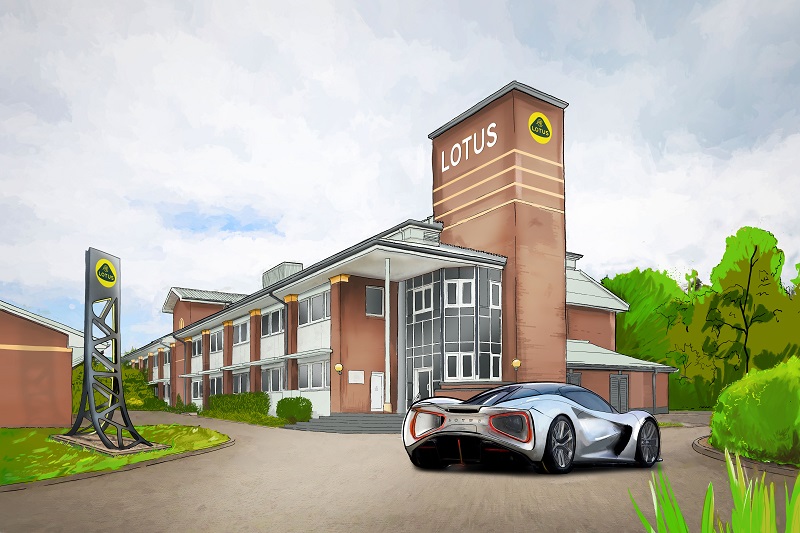 (Wellesbourne, Warwickshire, UK – 23 July 2020) – Today, Lotus announces a dedicated and specialist advanced technology centre, which will also be home to a new headquarters for the company’s engineering consultancy.
Located on the University of Warwick’s Wellesbourne Campus, the new facility is established in partnership with WMG at the University of Warwick. WMG is an international leader in successful collaboration between academic research, teaching, training, and industry. The substantial facility consists of offices, workshops and laboratory space with ample space for expansion.
Initially, 130 engineers will move in, complementing the 500-strong engineering team at the home of Lotus Cars in Hethel, Norfolk.
Matt Windle, Executive Director, Engineering, Lotus Cars, said:
“This is a big step forward for Lotus and our engineering consultancy. The new space, facilities and job opportunities at Wellesbourne will be in great demand as we rapidly build our portfolio of external projects. Our team and specialist skills have grown significantly in the last two years as renewed impetus has been put in to the business with new shareholders and management. The all-electric Evija hypercar is the first new Lotus Cars product for us to deliver, with significant focus on this at Wellesbourne as we complete the project and continue to advance its technologies for our future programmes.”
Phil Popham, CEO, Lotus Cars, added:
“Wellesbourne offers an excellent facility, with plenty of expansion potential, and will be the perfect home for our new advanced technology centre. Our engineering and R&D strategy around advanced propulsion systems is lock-in-step with the Government’s vision and broader global ambitions for a low-carbon automotive future. We look forward to working in collaboration with Government and with our new campus neighbours on this future. Having research partners at the University and WMG will bring significant benefits, as will the Midlands location, which is both very accessible and home to a rich pool of automotive talent.”
Nadhim Zahawi MP, the UK Government’s Business and Industry Minister, said:
“The West Midlands has long been the beating heart of the UK’s automotive and engineering industries, and this announcement is further evidence that this proud history will continue. Lotus’ new advanced technology centre will secure over 100 highly-skilled jobs in Warwickshire, support a strong economic recovery across the region and drive forward the low carbon, electric technologies of the future.”
Professor Stuart Croft, Vice-Chancellor of the University of Warwick, said:
“We are delighted to welcome this key part of such a significant and legendary technology based company to the University and our Wellesbourne campus. This is just the beginning of a partnership. I know that it will grow, thrive, and bring prosperity and new opportunities to both Warwickshire and the West Midlands, and will call on and benefit from the significant automotive and technology skills and talents of many people in our region.”
Margot James, Executive Chair, WMG, comments:
“This is wonderful news not only for WMG, the University of Warwick and the region, but also for the UK automotive sector. The UK needs to retain R&D capability in our manufacturing sector, and at WMG we are working with partners on many R&D programmes which are focused on innovation and future growth towards net zero. We look forward to collaborating with Lotus on projects which seek to create a greener, more connected future”.
Cllr Tony Jefferson, Leader of Stratford-on-Avon District Council, says:
“This is really good news for the Wellesbourne campus, Stratford-on-Avon District and the region as a whole. We are totally committed to supporting the development of the Wellesbourne campus. We see it as a major asset for both Stratford-on-Avon District and the region and we welcome the addition of 130 skilled roles to the District. We look forward to the future development of the campus.”
Lotus Engineering, which celebrates 40 years since its incorporation in 1980, works with customers all over the world. The confidentiality of its work is paramount with strict firewalls in place between project teams. Some of the more widely acknowledged Lotus Engineering programmes from the past include the Lotus Carlton, Tesla Roadster, multiple Formula 1 campaigns, and a host of products outside of the auto industry from Olympics track bikes (2020 and 1992) to boats and light aircraft. Today, Lotus Engineering’s specialisms include vehicle dynamics and advanced propulsion systems, encompassing lightweight structures, ride, handling and performance.
It’s electrifying!
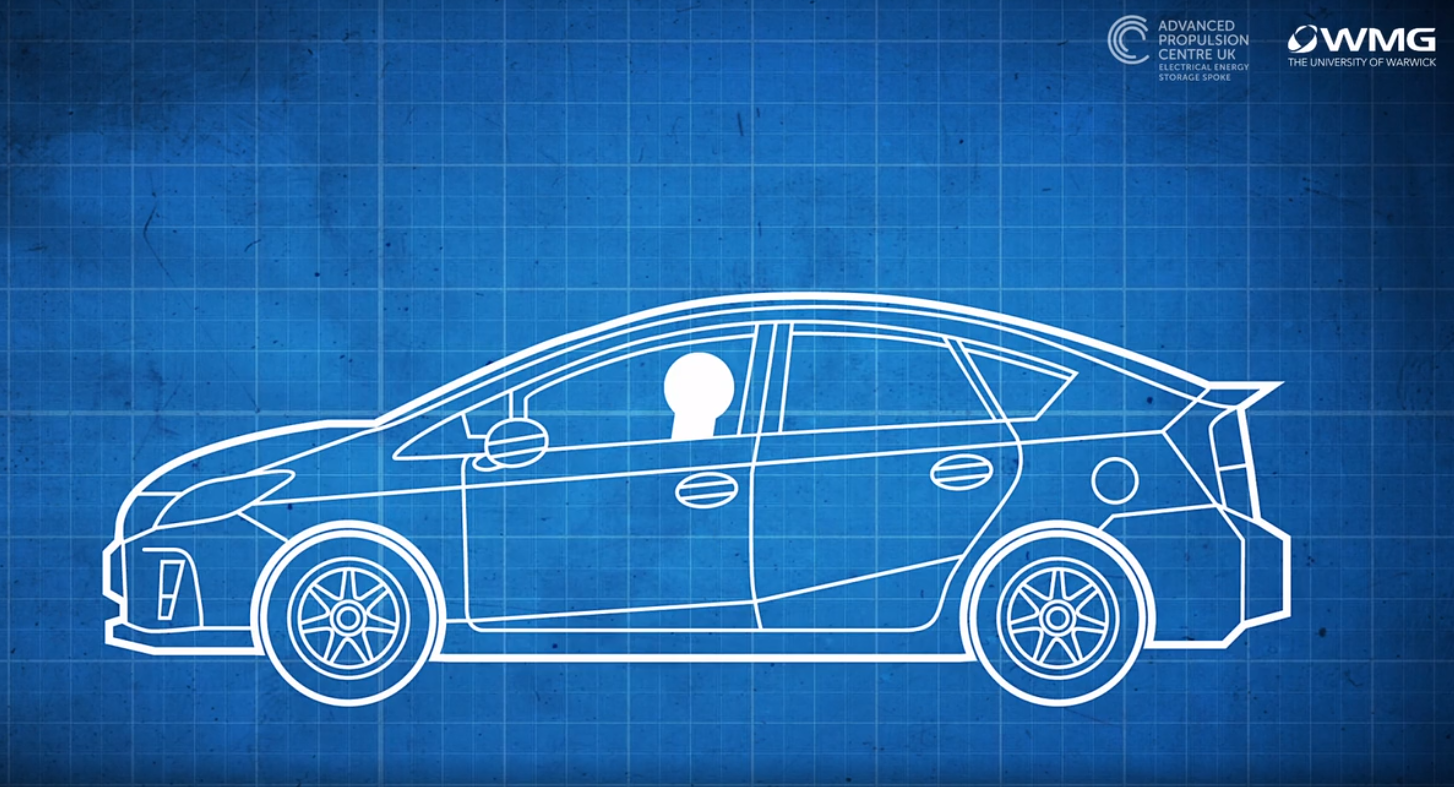 WMG Centre High Value Manufacturing Catapult, with support from Advanced Propulsion Centre (APC) Electrical Energy Storage Spoke, has created a series of short educational videos to help explain the process of transport electrification.
There are a total of three episodes featuring WMG’s Electric Vehicle experts Professor David Greenwood, Research Fellow Faduma Maddar, and Dr Mel Loveridge.
In each episode, the experts explain more about the research carried out at WMG’s Energy Innovation Centre and address the key issues surrounding an electric future.
The videos will now be shared with policy makers, and schools across Coventry and Warwickshire to help support STEM learning.
The three episodes can be found in WMG’s Electric Vehicle playlist here.