
content-blocks
#
- 00 - General Content
- 01 - Schema Data
- 02a - Course Title
Digital Media and Culture MA
- 02b - Short Description
Digital Media and Culture MA at Warwick, exploring social, political and cultural impacts of digital technologies.
A
- A0 - Info Blocks
Postgraduate Taught
- A1 - Course Code
P-L99A
- A2 - Start Date
27 September 2027
- A3 - Study Location
University of Warwick
- A4 - Qualification
Master of Arts (MA)
- A5 - Department
Centre for Interdisciplinary Methodologies
- A6 - Duration
1 year full-time;
2 years part-time
C
- C0 - Course Overview
- C1 - Course Overview - Introduction
Explore how digital technologies are transforming society.
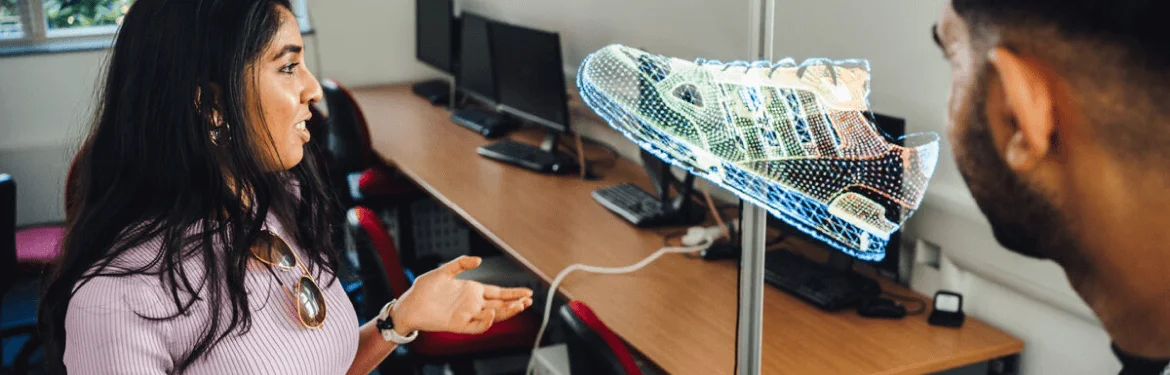
From social media and memes to AI and intimacy, digital technology continues to revolutionise how we communicate, work and live. Our interdisciplinary MA examines the cultural, social, political, economic and environmental impact of digital media. Combining critical analysis, research and creative practice, you’ll gain the knowledge and skills to engage with the forces driving change in a connected world.
- C2 - Course Overview - Image
- C3 - Course Overview - Testimonial
OVERVIEWTESTIMONIAL
NAME
INFO
D
- D0 - Modules
- D1 - Introduction
Through a diverse range of modules, you'll explore how technologies, media and platforms are influencing all aspects of professional and private life.
- Platforms and data: examine topics including platformisation, datafication, privacy and surveillance.
- Digital communities: investigate participatory culture, online activism and digital subcultures.
- Contemporary challenges: consider issues such as digital labour, sustainability and the politics of design.
- Personalised learning: tailor your studies through a range of interdisciplinary module options.
Placement opportunities allowing you to work with external non-academic partners to tackle real-world challenges and gain practical experience work-based skills
- D2 - Modules - General
Optional modules vary from year to year, and students choose a combination worth 60 CATs (credits). The links below are to the 20-CAT (credit) versions, but many are available at 15 and 30 credits as well. The 10 CATs are in addition to the 180 which need to be taken for a Master's degree. Example optional modules may include:
- D2 - Modules - QUAL-2
- D2 - Modules - QUAL-3
- D2 - Modules - QUAL-4
- D2 - Modules - QUAL-5
E
- E0 - Teaching and Learning
- E1 - Teaching and learning Intro
Combine critical inquiry with creative and practical approaches.
- Interdisciplinary learning: draw on perspectives from the humanities, social sciences and digital research.
- Research-led teaching: analyse the latest thinking and findings on digital media and culture.
- Research skills: develop expertise in analysing digital technologies, cultures and data.
- Flexible study: shape your degree around your interests and career goals.
- Intellectual community: take part in talks, workshops and events at the Centre for Interdisciplinary Methodologies.
- E2 - Class sizes
A typical workshop for this course contains 20-30 students and a seminar around 16 students.
- E3 - Contact hours
There are around 8-10 hours contact hours per week, depending on type and number of optional modules chosen.
- E4 - Assessment
A combination of essays, reports, design projects, technical report writing, practice assessments, group work and presentations and an individual research project (10,000 word dissertation).
F
- F0 - Entry Requirements
- F1 - Minimum requirements
2:1 undergraduate degree (or equivalent).
- F4 - English Language Requirement
Band B
IELTS overall score of 7.0, minimum component scores of two at 6.0/6.5 and the rest at 7.0 or above.
- F5 - Additional requirements
There are no additional entry requirements for this course.
G
- G0 - Fees and scholarships
H
- H0 - About the Department
I
- I0 - Careers
- I1 - Departmental Careers Information
Can be found here: Department content blocks
J
- J0 - Life at Warwick
- J1 - Life at Warwick - Day in the life department
K
- K0 - Why Warwick
M
- M0 - Updates page
- M1 - Updates