
News

Athena Swan Silver Award Success

Warwick Chemistry retains prestigious Athena Swan Silver Award for efforts in improving gender diversity.
Women in Chemistry Careers Event Success

Warwick Women in Chemistry put on an "empowering" roundtable event on career pathways.
PhD student Festus Slade wins communication prize
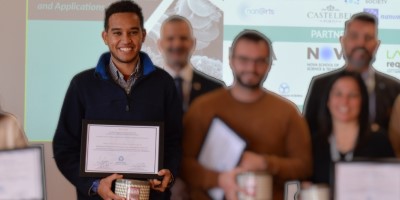
Congratulations go to PhD student, Festus Slade, for winning the 'Excellent shotgun Communication Prize''. Read moreLink opens in a new window
Zoë Ayres on mental health in science

In case you missed it: How, Visiting Chemistry Research Fellow, Zoë Ayres, has used social media for advocacy and to increase visibility. Read Chemistry World article.Link opens in a new window
€150,000 grant for nanomedicine research
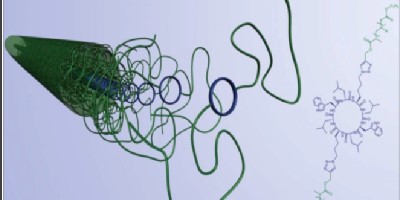
Professor Sebastien Perrier receives €150,000 for DELIBRUSH project looking into the potential for using a new family of nanoparticles to improve medicines. Read moreLink opens in a new window.
MChem alumnus reflects on past 20 years

Dave Griffin explains how his time at Warwick opened his eyes to where a Chemistry degree could take him. Read moreLink opens in a new window.
GibsonGroup COVID-19 work in Medical School Council Report
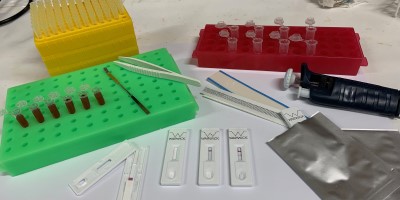
The Medical Schools Council today published a reportLink opens in a new window showcasing the work from UK Universities during the COVID-19 Pandemic, including from the GibsonGroupLink opens in a new window
Single-Cell Chemistry of Photoactivatable Pt Complexes
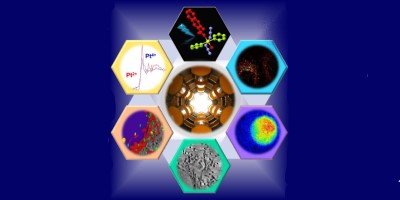
Collaborative work between Warwick and Diamond reveals behaviour of photoactivatable Pt(IV) anticancer complexes in cancer cells using synchrotron techniques.
Promotion Congratulations to Jo Colllingwood
Chemistry Collaborator and Networker, Joanna Collingwood, promoted to Professor of Engineering.
New Insights into Magnetoresistance
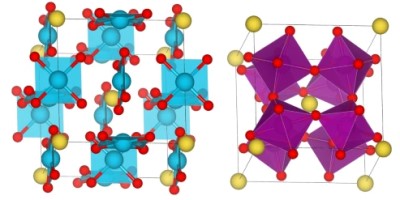
Nature Communications article addresses a long-standing problem in magnetoresistance. Read more.
Competing quantum interactions allow molecules to stand up
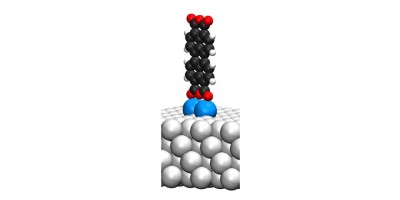
International research collaboration determines the temperature range at which a 'standing' molecule can be stabilised. Read more.Link opens in a new window
'Self-writing' code learns quantum chemistry
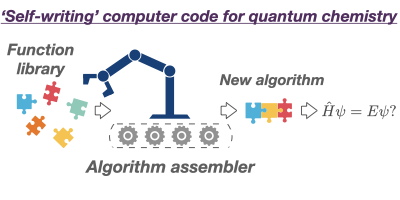
A new `self-writing' computer program learns to solve a key equation in computational chemistry.